
• KGS/USD = 0.01144 0%
  • KZT/USD = 0.00207 0%
  • TJS/USD = 0.10417 -0.76%
  • UZS/USD = 0.00008 0%
  • TMT/USD = 0.28571 0%
  • KGS/USD = 0.01144 0%
  • KZT/USD = 0.00207 0%
  • TJS/USD = 0.10417 -0.76%
  • UZS/USD = 0.00008 0%
  • TMT/USD = 0.28571 0%
  • KGS/USD = 0.01144 0%
  • KZT/USD = 0.00207 0%
  • TJS/USD = 0.10417 -0.76%
  • UZS/USD = 0.00008 0%
  • TMT/USD = 0.28571 0%
  • KGS/USD = 0.01144 0%
  • KZT/USD = 0.00207 0%
  • TJS/USD = 0.10417 -0.76%
  • UZS/USD = 0.00008 0%
  • TMT/USD = 0.28571 0%
  • KGS/USD = 0.01144 0%
  • KZT/USD = 0.00207 0%
  • TJS/USD = 0.10417 -0.76%
  • UZS/USD = 0.00008 0%
  • TMT/USD = 0.28571 0%
  • KGS/USD = 0.01144 0%
  • KZT/USD = 0.00207 0%
  • TJS/USD = 0.10417 -0.76%
  • UZS/USD = 0.00008 0%
  • TMT/USD = 0.28571 0%
  • KGS/USD = 0.01144 0%
  • KZT/USD = 0.00207 0%
  • TJS/USD = 0.10417 -0.76%
  • UZS/USD = 0.00008 0%
  • TMT/USD = 0.28571 0%
  • KGS/USD = 0.01144 0%
  • KZT/USD = 0.00207 0%
  • TJS/USD = 0.10417 -0.76%
  • UZS/USD = 0.00008 0%
  • TMT/USD = 0.28571 0%

Viewing results 1 - 6 of 4

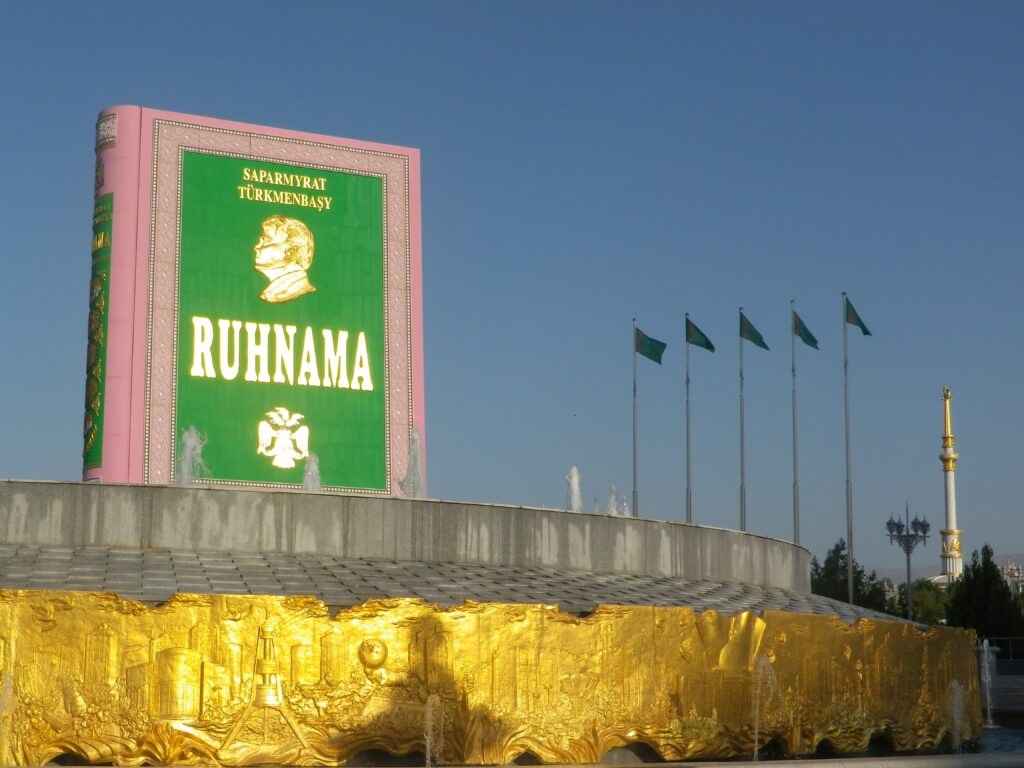
Turkmenistan Promotes Tourism Abroad — While Keeping Its Borders Closed

Turkmen authorities are preparing to host an international tourism forum, once again emphasizing the sector’s potential. However, the reality appears less optimistic. The number of foreign visitors remains extremely low, while a strict visa regime continues to deter not only tourists but also business travellers. The Turkmen Travel international forum and exhibition is scheduled to take place in Ashgabat from April 14 to 16. Preparations are reportedly being carried out at a high level. Deputy Prime Minister for Culture, Bahar Seydova, briefed officials on the event, and President Serdar Berdimuhamedov has instructed organizers to present the country’s tourism potential in a dignified manner. At the same time, a paradoxical situation has emerged. Despite the construction of modern hotels in Ashgabat and the Avaza tourist zone, the opening of new airports, and the hosting of international events, foreign tourists visit Turkmenistan extremely rarely. Even travellers with a genuine interest in the country frequently encounter significant visa restrictions. According to sources, these challenges affect not only tourists. Representatives of international companies also face lengthy and complicated entry procedures. Market participants note that interest in Turkmenistan does exist. A representative of a travel agency in Ashgabat said that combined tours of Central Asia remain popular among tourists from China, the U.S., European countries, Australia, South America, and Russia. By 2024, demand for trips to Turkmenistan had increased by about 50% compared with the 2018-2020 period. Nevertheless, actual visitor numbers remain very low. Strict entry rules are also affecting business activity. For example, in February 2024, specialists from South Korea’s Hyundai Engineering were unable to arrive in Turkmenistan on time to carry out restoration work at the polymer plant in Kiyanly following an accident. Their visas were delayed due to bureaucratic procedures. Such cases are reported to occur regularly. While the state is seeking to attract foreign companies to major projects, it often fails to provide basic conditions for their operations. Against this backdrop, calls to reconsider current policies are becoming more frequent. Without a more open approach, Turkmenistan may struggle not only to increase tourist arrivals but also to support broader economic development.

Uzbekistan Leads Central Asia in U.S. Visa Rejections in 2024

In 2024, the United States rejected 64.41% of B-1/B-2 visa applications submitted by citizens of Uzbekistan, the highest refusal rate among Central Asian countries, according to the U.S. State Department. B-1/B-2 visas are issued for short-term travel related to business and tourism. Uzbekistan has consistently topped the region in visa denials. In 2023, the rejection rate for Uzbek applicants stood at 59.56%. The trend reflects continued challenges faced by Uzbek travelers in securing U.S. entry permits. The refusal rates for other Central Asian countries in 2024 were also significant: Turkmenistan: 58.8% Kazakhstan: 46.29% Tajikistan: 45.24% Kyrgyzstan: 39.14% Similar patterns were observed in 2023, with Turkmenistan at 51.10%, Kazakhstan at 41.93%, Tajikistan at 54.96%, and Kyrgyzstan at 41.54%. Trade Volumes Remain Low Across the Region Trade between Central Asia and the United States remains limited. In 2024, Uzbekistan exported only $42.4 million worth of goods to the U.S., while its total foreign trade turnover reached $66 billion, highlighting the minimal share of U.S.-bound exports. Kazakhstan remains the region’s largest trading partner with the United States. Bilateral trade in 2024 reached $3.4 billion, primarily driven by exports of crude oil, uranium, and silver. Notably, only $95.2 million of Kazakhstan’s exports to the U.S. are expected to be impacted by new U.S. tariffs, a small fraction of the country's total trade volume of $141.4 billion. Other Central Asian nations also maintain modest trade flows with the U.S.: Kyrgyzstan exported $16.7 million in goods, with a total trade turnover of $16 billion. Tajikistan exported $4.6 million, out of a total trade turnover of $8.9 billion. Limited Mobility and Economic Ties The data underscores broader limitations in U.S.-Central Asia engagement both in terms of mobility and economic integration. High visa refusal rates continue to hinder travel for business and personal reasons, while trade volumes remain a marginal component of most Central Asian economies. While diplomatic and economic ties between Washington and the region have grown in recent years, the figures suggest that significant barriers to deeper cooperation remain.