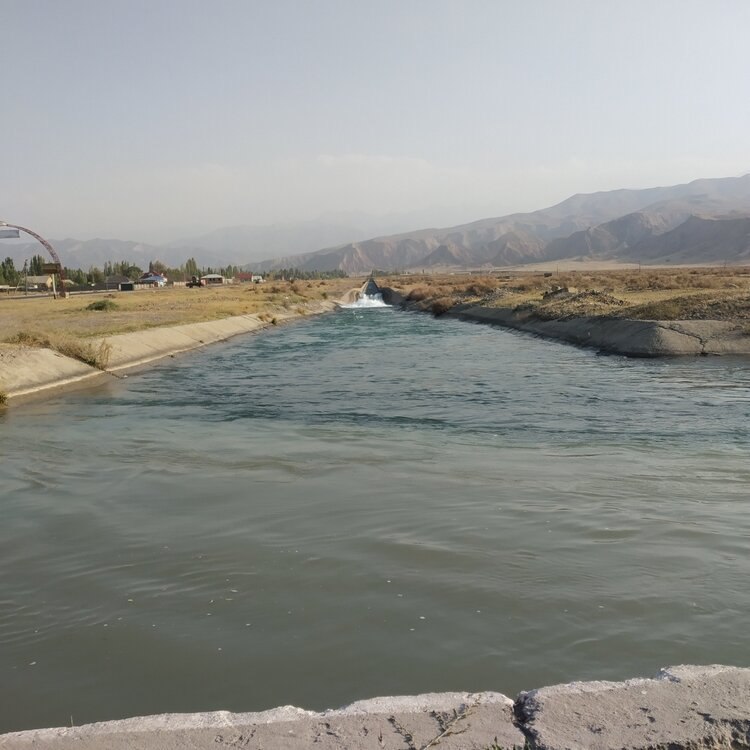
Kazakhstan and Kyrgyzstan Resume Data Sharing on Reservoirs and Transboundary Rivers
Kazakhstan and Kyrgyzstan have renewed formal cooperation in hydrometeorology, agreeing to exchange key hydrological data on major reservoirs and transboundary rivers, a development officials say is vital for regional flood management and agricultural planning. The agreement covers data exchange on the Kirov, Orto-Tokoy, and Toktogul reservoirs, all located in Kyrgyzstan but directly influencing downstream water supply in Kazakhstan. The signing took place on February 9 in Astana, where Kyrgyzstan’s First Deputy Minister of Emergency Situations Mambetov Muratovich and Kazakhstan’s First Deputy Minister of Water Resources and Irrigation Nurlan Aldamzharov endorsed a 2026-2028 cooperation program between Kazhydromet and the Kyrgyz Hydrometeorological Service. Key Components of the Agreement The three-year program includes: Regular exchange of hydrological data on shared rivers and reservoirs Joint forecasting of basin runoff and water accumulation Mutual hazard and storm warnings Scientific and technical collaboration Professional exchange between agencies Describing the agreement as an achievement of "water diplomacy," Aldamzharov emphasized that timely data is critical to protecting populations and infrastructure downstream, especially during peak water flow and flood risk periods. Strategic Role of Kyrgyz Water Infrastructure Kyrgyzstan plays a pivotal upstream role in Central Asia’s water system, delivering seasonal irrigation flows to southern Kazakhstan’s Turkistan, Kyzylorda, and Zhambyl regions via the Chu, Talas, and Syr Darya rivers. Each of the reservoirs included in the data-sharing agreement serves a distinct strategic function: Kirov Reservoir: Located in Kyrgyzstan’s Talas region, near the Kazakh border; vital for irrigating farmland on both sides. Orto-Tokoy Reservoir: Situated on the Chu River, which flows into Kazakhstan, it regulates seasonal supply for downstream agriculture. Toktogul Reservoir: Kyrgyzstan’s largest, located on the Naryn River, the principal tributary of the Syr Darya, one of Central Asia’s main water arteries feeding Kazakhstan and Uzbekistan. According to Kazakhstan’s Ministry of Water Resources, during the 2025 growing season, Zhambyl region received 160 million cubic meters of water via the Chu River and 427.5 million cubic meters via the Talas River under existing water allocation frameworks. Water Stress Ahead of Growing Season Authorities warn that the Syr Darya basin continues to experience low-flow conditions. Reduced inflows to the Naryn-Syr Darya system are threatening irrigation reliability for the upcoming agricultural season. The Toktogul Reservoir may reach near-record low levels, heightening risks for downstream farmers. In response, agricultural authorities in southern Kazakhstan have urged the adoption of water-saving irrigation technologies, a shift away from water-intensive crops, and greater reliance on drought-resistant varieties-steps that make access to reliable hydrological forecasts increasingly urgent.