
• KGS/USD = 0.01143 0%
  • KZT/USD = 0.00202 0%
  • TJS/USD = 0.10433 0%
  • UZS/USD = 0.00008 0%
  • TMT/USD = 0.28575 0%
  • KGS/USD = 0.01143 0%
  • KZT/USD = 0.00202 0%
  • TJS/USD = 0.10433 0%
  • UZS/USD = 0.00008 0%
  • TMT/USD = 0.28575 0%
  • KGS/USD = 0.01143 0%
  • KZT/USD = 0.00202 0%
  • TJS/USD = 0.10433 0%
  • UZS/USD = 0.00008 0%
  • TMT/USD = 0.28575 0%
  • KGS/USD = 0.01143 0%
  • KZT/USD = 0.00202 0%
  • TJS/USD = 0.10433 0%
  • UZS/USD = 0.00008 0%
  • TMT/USD = 0.28575 0%
  • KGS/USD = 0.01143 0%
  • KZT/USD = 0.00202 0%
  • TJS/USD = 0.10433 0%
  • UZS/USD = 0.00008 0%
  • TMT/USD = 0.28575 0%
  • KGS/USD = 0.01143 0%
  • KZT/USD = 0.00202 0%
  • TJS/USD = 0.10433 0%
  • UZS/USD = 0.00008 0%
  • TMT/USD = 0.28575 0%
  • KGS/USD = 0.01143 0%
  • KZT/USD = 0.00202 0%
  • TJS/USD = 0.10433 0%
  • UZS/USD = 0.00008 0%
  • TMT/USD = 0.28575 0%
  • KGS/USD = 0.01143 0%
  • KZT/USD = 0.00202 0%
  • TJS/USD = 0.10433 0%
  • UZS/USD = 0.00008 0%
  • TMT/USD = 0.28575 0%

Viewing results 1 - 6 of 6

Why Tajikistan Lags Behind Global Animal Welfare Standards

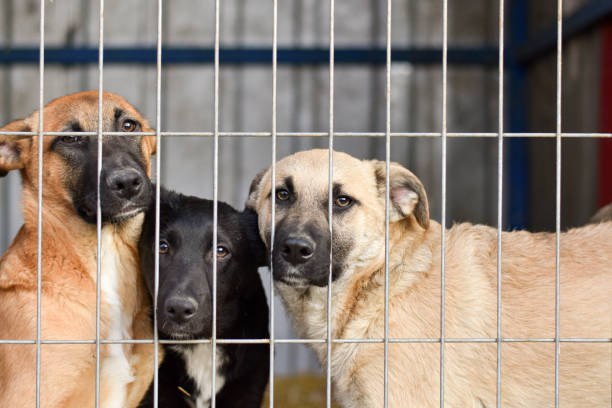
While animals are legally recognized as sentient beings and, in some countries, effectively regarded as family members, their legal status in Tajikistan remains ambiguous. The absence of a dedicated animal protection law, the continued shooting of stray animals, and illegal wildlife trade point to a systemic issue that extends beyond animal welfare. Tajikistan has not adopted a specific law on animal protection, despite ratifying the United Nations Convention on Biological Diversity in 1997, which calls for the protection of wild and domestic fauna. In practice, regulation of stray animal populations often consists of culling by shooting. At the same time, other forms of cruelty reportedly persist. Although dog fighting is officially prohibited, activists say such events continue to take place. Cases of mass poisoning and other acts of violence against animals are frequently reported, but rarely result in publicized prosecutions. The country has no state-run animal shelters. The few private shelters that operate rely primarily on donations. Experts have also raised concerns about the condition of zoos, which they argue do not meet international animal welfare standards. Additional alarm has been triggered by reported incidents of illegal wildlife trade, including cases involving lion cubs. Despite public outcry in some instances, such cases have seldom led to broader legislative reform or sustained enforcement efforts. Sociologist and animal rights activist Malika Abdulvasieva argues that a weak legal framework contributes to a culture of impunity. “Unpunished cases of cruelty, from mass poisonings to shootings by housing and utilities employees, gradually normalize cruelty in society. This has a particularly negative impact on young people and generally leads to an increase in aggression and violence,” she said. One of the key priorities for activists remains the advancement of a comprehensive animal protection bill. However, even establishing a formally registered animal rights organization reportedly involves complex administrative procedures. In the absence of a unified state strategy, civil society groups and private businesses are attempting to fill the gap. Representatives of the Brigitte Bardot Foundation are expected to visit Dushanbe this year, and a large-scale free sterilization and castration program for stray animals is being planned in cooperation with German partners. However, activists emphasize that isolated initiatives cannot substitute for a coherent national policy framework.

Kazakhstan Government to Cut Social Spending

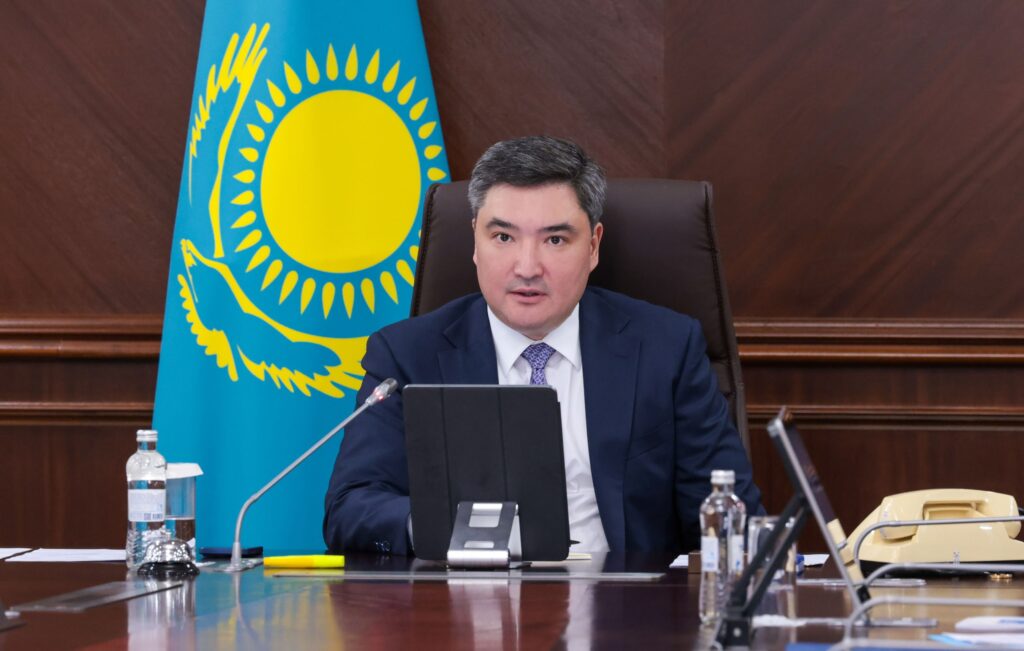
The Kazakh government plans to reduce budgetary spending on social support. Prime Minister Olzhas Bektenov told parliament that only citizens who are objectively unable to work will continue receiving state assistance. According to the Cabinet of Ministers, approximately $16.9 billion was allocated to the social sector in 2024, representing 37.3% of total budget expenditures. Of that amount, $10.2 billion went toward social security and direct assistance to the population. In 2025, social spending is projected to rise to $18.4 billion, or 37.2% of the overall budget, with social payments continuing to represent a significant portion. “The social sector places a very heavy burden on the budget: benefits, payments, and various support measures account for about 60% of the total budget. For many years, these expenditures exceeded 40% of the republican budget. When forming the budget for the next three years, we reduced them to 38%,” Bektenov said during his remarks in parliament. He added that the government will continue its optimization efforts. Only citizens who are unable to work for objective reasons will qualify for state support, while those capable of working are expected to support themselves. According to the Ministry of Labor and Social Protection, as of October 1, 2025, targeted social assistance (TSA) was being provided to 274,400 individuals from 51,000 families. The total amount disbursed thus far in 2025 was $47 million, out of a planned $190 million for the full year. TSA is distributed quarterly to low-income families, with employable recipients required to participate in state employment programs. As previously reported by The Times of Central Asia, Deputy Prime Minister Serik Zhumangarin stated that the government would revisit the issue of increasing the minimum wage no earlier than 2027.