


Kazakhstan Wildfires: Heatwave Tests Reforms Three Years After Semey Ormany
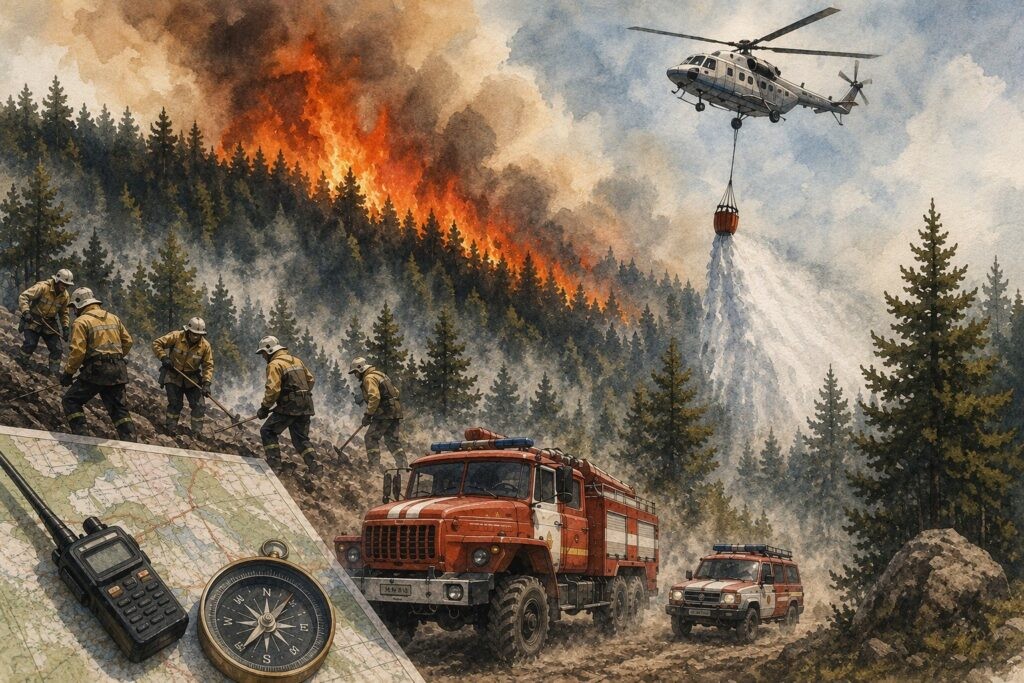
Between July 5 and 11, Kazakhstan’s state forest fund recorded 43 wildfires as an intense heatwave pushed much of the country into conditions of high and extreme fire danger. The Ministry of Ecology said all of the fires were contained before they could develop into large-scale disasters. For Kazakhstan, however, the significance of those figures extends beyond a single week. Three years after the deadly Semey Ormany wildfire exposed serious shortcomings in the country’s emergency response system, each fire season has become a test of whether the reforms introduced since 2023 are keeping pace with increasingly severe weather conditions. How the Fires Were Fought Of the 43 recorded wildfires, 34 occurred within the state forest fund, while nine affected forests managed by regional authorities. Officials said the fires were detected and contained through a combination of aerial surveillance, early warning systems, and coordinated operations involving forestry services and emergency responders. Aircraft conducted reconnaissance flights, transported firefighting crews to remote locations, and carried out water drops where ground access was limited. Firefighters and forestry personnel established firebreaks, extinguished smoldering vegetation, and continued patrols after the flames had been brought under control to prevent reignition. The most difficult situation developed in Akmola Region, where the number of forest fires since the beginning of the fire-hazard season has risen 68.4% compared with the same period last year. Regional authorities responded by strengthening forest patrols and increasing monitoring of high-risk areas, while urging residents to avoid lighting fires or burning dry vegetation during the continuing hot and dry weather. Heat Keeps Raising the Stakes Even as firefighters succeeded in containing the week’s blazes, weather conditions continued to increase the likelihood of new outbreaks. According to Kazhydromet, prolonged heat and limited rainfall have left much of Kazakhstan under high or extreme wildfire danger. Forecasters expect only limited relief. A cold front may bring localized rain and thunderstorms to northern Kazakhstan, but meteorologists say the precipitation is unlikely to significantly reduce wildfire risks. Southern regions are forecast to remain under temperatures of 104-113°F (40-45°C), allowing vegetation to dry rapidly and creating conditions in which even relatively small fires can spread quickly. The persistence of these weather patterns highlights a broader challenge. Kazakhstan’s emergency services are increasingly responding not to isolated wildfire events, but to prolonged periods during which multiple regions face elevated fire danger simultaneously. What Has Changed in Three Years Kazakhstan’s approach to wildfire management changed fundamentally after the June 2023 Semey Ormany disaster, when a fast-moving forest fire in the Abai Region killed 14 forestry workers, destroyed more than 60,000 hectares of forest, and caused an estimated $354 million in damage. A subsequent investigation identified serious shortcomings in the country's preparedness and a lack of regard to the protection of frontline personnel, prompting one of the most significant reforms of the country’s forest protection system since independence. In 2024, Kazakhstan established the Forest Fund Protection and Defense Service to train a generation of specialists and strengthen coordination during major wildfires. The upgraded response system...
