• KGS/USD = 0.01144 0%
  • KZT/USD = 0.00205 0%
  • TJS/USD = 0.10782 0%
  • UZS/USD = 0.00008 0%
  • TMT/USD = 0.28490 0%
  • KGS/USD = 0.01144 0%
  • KZT/USD = 0.00205 0%
  • TJS/USD = 0.10782 0%
  • UZS/USD = 0.00008 0%
  • TMT/USD = 0.28490 0%
  • KGS/USD = 0.01144 0%
  • KZT/USD = 0.00205 0%
  • TJS/USD = 0.10782 0%
  • UZS/USD = 0.00008 0%
  • TMT/USD = 0.28490 0%
  • KGS/USD = 0.01144 0%
  • KZT/USD = 0.00205 0%
  • TJS/USD = 0.10782 0%
  • UZS/USD = 0.00008 0%
  • TMT/USD = 0.28490 0%
  • KGS/USD = 0.01144 0%
  • KZT/USD = 0.00205 0%
  • TJS/USD = 0.10782 0%
  • UZS/USD = 0.00008 0%
  • TMT/USD = 0.28490 0%
  • KGS/USD = 0.01144 0%
  • KZT/USD = 0.00205 0%
  • TJS/USD = 0.10782 0%
  • UZS/USD = 0.00008 0%
  • TMT/USD = 0.28490 0%
  • KGS/USD = 0.01144 0%
  • KZT/USD = 0.00205 0%
  • TJS/USD = 0.10782 0%
  • UZS/USD = 0.00008 0%
  • TMT/USD = 0.28490 0%
  • KGS/USD = 0.01144 0%
  • KZT/USD = 0.00205 0%
  • TJS/USD = 0.10782 0%
  • UZS/USD = 0.00008 0%
  • TMT/USD = 0.28490 0%

Viewing results 1 - 6 of 23

Tajikistan Seeks Stronger Protections for Striped Hyena at UN Wildlife Meeting

The striped hyena, listed as “near threatened” by international conservationists, has a vast range that includes Africa, the Middle East, and Central Asia, but is difficult to monitor because of its nocturnal, solitary habits in often rugged terrain. Now Tajikistan is proposing tighter international protections for the species at the highest-level meeting of the Convention on International Trade in Endangered Species of Wild Fauna and Flora, or CITES. The United Nations gathering in Samarkand, Uzbekistan – the first in Central Asia - regulates trade in tens of thousands of species of animals and plants. It began on Monday and runs until the end of next week. The sharp decline in global shark and ray populations is an urgent concern, and delegates will consider new restrictions on the fin and shark meat trade that conservationists hope will fend off the threat of extinction for some species. Tajikistan’s proposal on behalf of the striped hyena aims for a similar outcome, noting a “marked decline in the population size in the wild” despite the difficulty in obtaining data. Some estimates put the number at significantly below 10,000, and the global IUCN Red List of Threatened Species labels the species as “near threatened,” with “vulnerable” being the next category on a scale leading to extinction. The striped hyena’s range includes Tajikistan, Turkmenistan, and Uzbekistan, according to the list. Israel has a relatively robust population and supports Tajikistan’s proposal. Habitat degradation, human-wildlife conflict, and the illegal trade in the striped hyena, which is allegedly trafficked into the exotic pet industry or whose body parts are used in traditional medicine, are some of the reasons for the decline of the species. The striped hyena is currently listed in Appendix III of CITES regulations, under a 2014 request by Pakistan, where there were reports of illegal trade for circuses, captures for dog-fighting training, and myths and perceptions that the hyena was digging up graves and attacking people. Appendix III provides for some protections in the international trade in listed species. Tajikistan wants CITES to move the striped hyena into the far more restrictive Appendix I. “Appendix I includes all species threatened with extinction which are or may be affected by trade,” CITES says. “Trade in specimens of these species must be subject to particularly strict regulation in order not to endanger further their survival and must only be authorized in exceptional circumstances.” To upgrade protections for the species, Tajikistan will need to secure a two-thirds majority vote at the CITES conference. The striped hyena was thought to be extinct in Tajikistan for many years, though a sighting in 2017 restored hope. Tajikistan, which endured a civil war in the 1990s, warned in its proposal that conflict elsewhere was a threat to the species it hopes to save. “With the recent political instability in Afghanistan and generally across the larger region where several conflicts are ongoing, it is anticipated a significant increase in illegal wildlife trade, further endangering the striped hyena population across its entire global home range,” the proposal said.

Russia’s Amur Tigers to Aid Restoration of Tiger Population in Kazakhstan

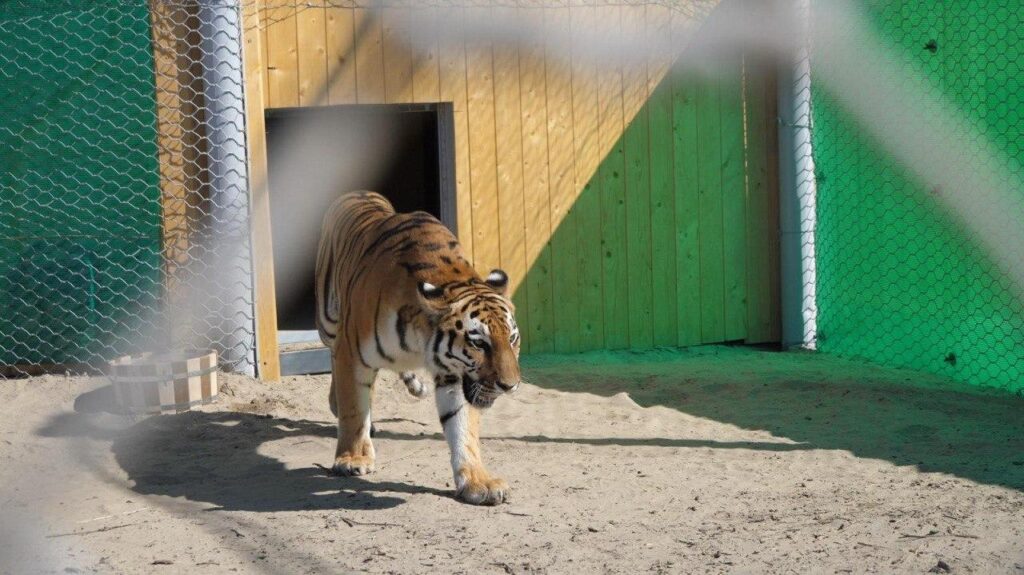
Kazakhstan and Russia have signed a formal action plan to reintroduce Amur tigers into Kazakhstan, marking a key step in restoring the region's long-extinct Turan tiger population. On November 12, Kazakhstan’s Ministry of Ecology and Natural Resources and Russia’s Ministry of Natural Resources and Environment agreed to transfer four Amur tigers, two males and two females from Russia to Kazakhstan. The animals will be relocated to the Ile-Balkhash State Nature Reserve in southern Kazakhstan, where they will undergo adaptation to local ecological conditions. According to Kazakhstan’s Ministry of Ecology, the reintroduction plan is scientifically supported. The now-extinct Turan tiger once roamed across Central Asia, the Caucasus, and northern Iran. Biologists believe that the Turan and Amur tigers, the latter native to Russia’s Far East, share the same genetic lineage. This provides a basis for using Amur tigers to revive the Turan population in Kazakhstan. Under the agreement, Russia will be responsible for veterinary oversight and transportation, while Kazakhstan will manage accommodation and post-transfer monitoring. The initiative is being implemented with support from the World Wildlife Fund (WWF) and the United Nations Development Programme (UNDP). In September 2024, two Amur tigers, a male and a female, were already transferred to the Ile-Balkhash Reserve from the Landgoed Hoenderdaell Zoo in the Netherlands. They are currently housed in a specially designed enclosure for breeding, with the aim of releasing their offspring into the wild. If successful, their cubs would be the first wild tigers to return to Kazakhstan in over 70 years. The southern shore of Lake Balkhash, located in the Ili River delta, was selected as the optimal site for tiger reintroduction. The Ile-Balkhash Reserve was created to rehabilitate the degraded ecosystems of the southern Balkhash region, with particular emphasis on restoring the tiger’s natural prey base. The reserve encompasses the last intact river delta in Central Asia, the Ili River Delta, whereas other major deltas such as those of the Syr Darya, Amu Darya, and Chu rivers have been severely degraded due to desertification. Officials say enhancing the prey base and preserving the area’s remoteness will help prevent human-wildlife conflict. Historically, Turan tigers inhabited reed beds and floodplain forests along the Ili and Syr Darya rivers. Tiger extermination in Kazakhstan began in 1891, when organized military hunts were conducted. The extinction of key prey species, including Bukhara deer, goitered gazelles, saigas, kulans, roe deer, and wild boars, combined with habitat loss, ultimately led to the disappearance of the Turan tiger by 1948. This is not Kazakhstan’s first species reintroduction effort. In June 2024, the country successfully reintroduced the first group of Przewalski’s horses to the Altyn Dala Nature Reserve in the Kostanay region. The horses were transported from the Prague Zoo.

Kazakhstan’s Red Book to Include 11 New Animal Species

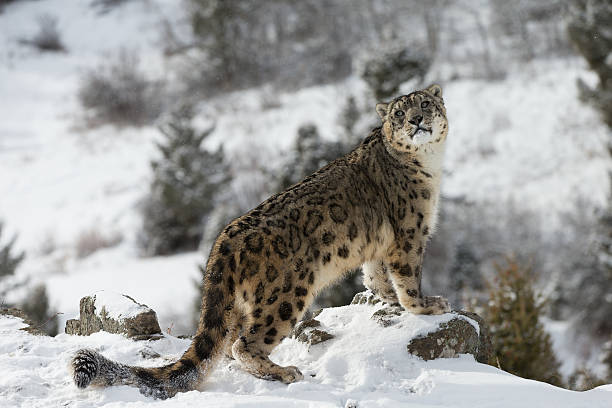
Kazakhstan will soon expand its Red Book of rare and endangered species to include 11 new animal species, Deputy Minister of Ecology and Natural Resources Nurken Sharbiev announced this week. Speaking at a session of the Senate Committee on Agrarian Issues, Nature Management, and Rural Development, Sharbiev noted that the current list includes 227 species, 132 vertebrates and 96 invertebrates. Kazakhstan is home to approximately 835 vertebrate and 100,000 invertebrate species in total. The updated Red Book list, compiled by the Institute of Zoology based on biological assessments aligned with International Union for Conservation of Nature (IUCN) criteria, will include six invertebrates, three species of scorpions and three insects and five vertebrates. These vertebrates include two bird species, the white-headed vulture and cinereous vulture, both of which inhabit the mountainous regions of southern and eastern Kazakhstan; two reptiles, the Dzungarian and Tien Shan lizards; and one mammal, the jungle cat, found in the Syr Darya and Chu river deltas and in southern marshlands. At the same time, 21 invertebrate species will be removed from the list. Sharbiev also highlighted encouraging progress in snow leopard conservation. The population of this endangered species has more than doubled from a critical low of 80 individuals in the late 1990s to 189 today. “Thanks to conservation and monitoring efforts, we have managed to significantly increase the population from its critical level,” he said. Once heavily hunted for its fur, the snow leopard remains listed by the IUCN as a rare species facing shrinking habitats and declining numbers. In Kazakhstan, it inhabits the southern and southeastern mountain systems, including the Western and Northern Tien Shan, the Dzungarian (Zhetysu) Alatau, as well as the Altai, Saur, and Tarbagatai ranges in the east. To support the species’ recovery, the government has established protected areas totaling 3.6 million hectares, about 70% of the snow leopard’s known habitat. Eleven leopards have been fitted with satellite collars to monitor their movements and guide conservation measures. Sharbiev also spoke about Kazakhstan’s ongoing efforts to reintroduce the Turanian tiger. As previously reported by The Times of Central Asia, two tigers brought from the Netherlands successfully survived their first winter in the country in 2024. A 415,000-hectare nature reserve, Ile-Balkhash, has been established in Almaty region to support the reintroduction program. Extinct in Kazakhstan since the mid-20th century due to poaching, agriculture, and habitat destruction, the Turanian tiger (Panthera tigris virgata) is being gradually reintroduced. Three to four additional tigers are expected to arrive from Russia in 2026. To restore the predator’s natural prey base, authorities have released 205 Bukhara deer into the Ile-Balkhash reserve between 2018 and 2024, relocated more than 100 kulans, and increased populations of roe deer and wild boar. As also previously reported by The Times of Central Asia, Kazakhstan is simultaneously working to restore populations of the Przewalski’s horse, alongside the Turanian tiger and snow leopard.

Bishkek to Host Kyrgyzstan’s First-Ever Full Marathon as Part of Snow Leopard Run 2025

The Bishkek Snow Leopard Run 2025 will take place in the Kyrgyz capital on September 21, combining long-distance running with wildlife conservation. This year’s event will mark a milestone for the country, featuring Kyrgyzstan’s first-ever 42.2 km marathon. Organized by the Public Association Nomad Sport, the race is part of the Association of International Marathons and Distance Races (AIMS) calendar and has also joined the Turkic Alliance of Long Runs (TAN), the first such alliance in Central Asia and the Caucasus. In addition to the full marathon, runners will compete in 5 km, 14 km, and 21.1 km races. All routes will begin at Bishkek’s central Ala-Too Square and pass through the city's main thoroughfares. Nomad Sport General Director Arslan Maldybaev said more than 5,000 runners are expected this year, including participants from Kazakhstan, Uzbekistan, Azerbaijan, Russia, Belarus, and Ukraine. “It is important to us that people learn about Kyrgyzstan and our symbol, the snow leopard, through sport. This is an opportunity to make a name for ourselves and become a magnet for sports tourism,” he told local media. A portion of the entry fees will support snow leopard conservation. Proceeds from this year’s race will fund the purchase of telescopes for wildlife monitoring. First held in 2019, the Bishkek Snow Leopard Run drew 3,600 runners from 20 countries in its inaugural year. The event highlights the growing symbolic role of the snow leopard in Kyrgyzstan. In December 2023, The Times of Central Asia reported that President Sadyr Japarov had signed a decree officially designating the snow leopard as a national emblem.

Kyrgyzstan Establishes Ecological Corridor to Protect Snow Leopards and Biodiversity

Kyrgyzstan has created the Ak Ilbirs (Snow Leopard) Ecological Corridor in the northeastern Issyk-Kul region, a major step in safeguarding rare wildlife and preserving the country’s rich biodiversity. The corridor encompasses over 792,000 hectares, linking several protected areas: the Khan-Tengri State Nature Park, the Sarychat-Eertash Nature Reserve, and the Naryn Nature Reserve. It is designed to serve as a safe habitat for the snow leopard and other endangered species, while promoting the sustainable management of natural resources. [caption id="attachment_30972" align="aligncenter" width="794"] Image: mnr.gov.kg[/caption] Key Objectives The Ak Ilbirs Ecological Corridor aims to: Conserve wild animal populations, including the endangered snow leopard Protect diverse ecosystems and their biological richness Safeguard rare and threatened plant and animal species To preserve the integrity of the corridor, strict prohibitions have been introduced. These include a ban on the introduction of non-native species, the use of pesticides, radioactive waste disposal, and any other activities that could harm the ecosystem. At the same time, the corridor supports legal and environmentally responsible activities, such as scientific research, reforestation, forest management, and population regulation of certain wildlife species. National and Global Significance The initiative marks a significant advancement in Kyrgyzstan’s environmental policy. Notably, the corridor strengthens efforts to protect the snow leopard, a species regarded as an indicator of the stability and health of mountainous ecosystems. In December 2023, President Sadyr Japarov signed a decree recognizing the snow leopard as a national symbol of the Kyrgyz Republic. The species is classified as rare or endangered across 12 countries. Kyrgyzstan has also played a leading role in international snow leopard conservation. At the 79th session of the UN General Assembly, the country introduced the resolution establishing October 23 as International Snow Leopard Day, backed by other range states including Bhutan, China, India, Nepal, Mongolia, Kazakhstan, Pakistan, Russia, Tajikistan, and Uzbekistan. According to the Population Assessment of the World’s Snow Leopards, conducted between 2020 and 2024 under the Global Snow Leopard and Ecosystem Protection Program (GSLEP), Kyrgyzstan is estimated to have an average snow leopard population of 285.

Kazakhstan Restores Populations of Przewalski’s Horse, Turanian Tiger, and Snow Leopard

Kazakhstan is making significant strides in wildlife conservation, actively restoring populations of Przewalski’s horse, the Turanian tiger, and the snow leopard. These efforts mark a major step toward reintroducing species that were once native to the region but had either disappeared or faced severe population declines. Hungary Supports Reintroduction of Przewalski’s Horse Kazakhstan is continuing its ambitious program to restore endangered species, including Przewalski’s horse, a once-dominant species of the Kazakh steppes that vanished from the wild in the 1960s. Thanks to international conservation programs, their numbers have been preserved in captivity, and now efforts are underway to return them to their natural habitat. As part of this initiative, Hungary will provide 150 Przewalski’s horses, which will be released into Kazakhstani nature reserves, Hungarian Minister of Agriculture István Nagy announced. “This step will increase safety for this horse species in case of disease outbreaks,” Nagy stated. The first seven horses have already been brought from the Prague Zoo to the Altyn Dala Reserve in Kazakhstan’s Kostanay region. Reintroducing the Turanian Tiger In parallel, Kazakhstan continues its efforts to bring back the Turanian tiger, a subspecies that disappeared from the region 70 years ago. To support this initiative, the government has established the Ile-Balkhash Nature Reserve, which now serves as a habitat for key prey species. To date, the reserve has received 205 riparian deer and more than 100 kulans. Authorities have also increased the populations of roe deer and wild boars, ensuring an adequate food supply for the tigers. In fall 2023, two tigers from the Netherlands arrived at the reserve, and another three to four animals from Russia are expected to be introduced soon. Snow Leopard Population Doubles Kazakhstan has also made remarkable progress in snow leopard conservation. According to Daniyar Turgambayev, chairman of the Forestry and Wildlife Committee of the Ministry of Ecology and Natural Resources, the number of snow leopards in the country has now reached 180 individuals, double the population recorded in the 1990s. “Specially protected natural areas covering 3.6 million hectares have been established in key snow leopard habitats. Currently, about 70% of their range is under official protection,” Turgambayev stated. The government has deployed photo traps and satellite telemetry to monitor the snow leopard population. Eleven leopards have been fitted with satellite collars, allowing researchers to track their movements and adaptation to the wild. Expanding Protected Areas Since gaining independence, Kazakhstan has dramatically expanded its protected natural areas, from 869,000 hectares to 30.9 million hectares. This expansion has not only helped revive endangered species but also significantly strengthened overall biodiversity protection. With an integrated approach to conservation, Kazakhstan has positioned itself as a leader in Central Asia in the reintroduction of endangered species and the preservation of natural ecosystems.