Viewing results 1 - 6 of 9
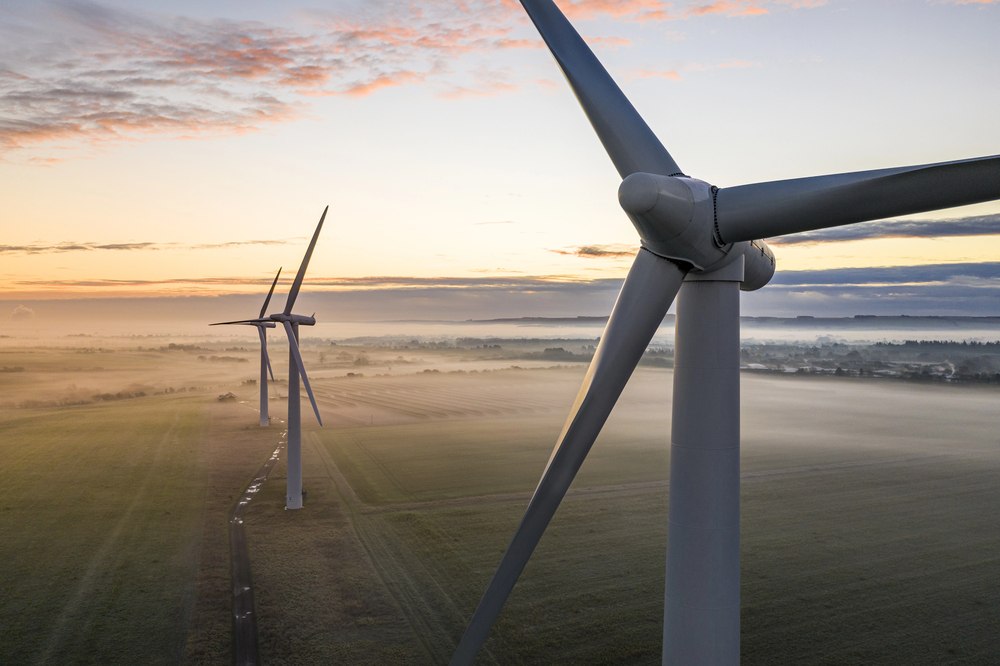
China’s State Power Investment Corporation has begun construction of a 1 GW wind farm in northern Kazakhstan. The project, located near the city of Ekibastuz in the Pavlodar region, is being implemented jointly with Pavlodar Green Energy LLP under agreements signed with the Energy Ministry on January 29. According to the ministry, foreign direct investment in the project will total approximately $1.2 billion, with commissioning scheduled for 2029. The wind farm will include a 300 MW energy storage system designed to stabilize electricity output and support Kazakhstan’s unified power grid. Once operational, the facility is expected to generate around 3.4 billion kWh of electricity annually. The project is also projected to reduce greenhouse gas emissions by up to 2 million tonnes of CO₂ per year. In 2025, renewable energy generation reached 8.6 billion kWh, exceeding official targets by 19.4%. Renewables accounted for 7% of total electricity output, up from 6.43% in 2024. Kazakhstan currently operates 162 renewable energy facilities with a combined capacity of approximately 3.5 GW. In 2026, authorities plan to increase renewable output to 8.8 billion kWh through the launch of 10 new projects, including wind, solar, and hydropower plants. Despite growth in renewables, Kazakhstan remains heavily dependent on coal and natural gas. Total electricity generation stood at 123.1 billion kWh in 2025 and is expected to rise to 126.5 billion kWh in 2026. The government is also advancing plans to add 7.6 GW of coal-fired generation capacity, supported by reserves estimated at over 33 billion tonnes. At the same time, Kazakhstan aims to increase the share of renewables to 15% by 2030 and 50% by 2050, alongside plans to update legislation on alternative energy and hydrogen development. The Times of Central Asia previously reported that Kazakhstan is launching a large-scale investment program in the energy sector. By 2030, the country plans to attract at least $15.5 billion for the development of coal-fired power generation. The corresponding national project has been approved by the government.
French energy company TotalEnergies has launched construction of the Mirny wind farm, a 1-gigawatt renewable energy project in Kazakhstan’s Moyinkum District in the Zhambyl Region. Once completed, the facility is expected to become one of the largest wind power installations in Central Asia. The project provides for the installation of around 150 wind turbines supplied by Envision and SANY. It will also include a 600-megawatt-hour energy storage system developed by the French battery manufacturer Saft, designed to improve grid stability and optimize power distribution. Total investment in the project is estimated at about $1.1 billion. The wind farm is scheduled to be commissioned in the fourth quarter of 2028. Annual electricity generation is projected to reach up to 4 billion kilowatt-hours, which could reduce carbon dioxide emissions by at least 3.2 million tons per year. Kazakhstan’s authorities view the expansion of renewable energy as a key component of efforts to reduce the country’s carbon footprint. National greenhouse gas emissions stood at 375.4 million tons in 2020, declined to 328.4 million tons in 2021, and rose again to 353 million tons in 2022, according to previously reported data. The energy sector remains the largest source of emissions, accounting for approximately 281.9 million tons of greenhouse gases in 2022. The Ministry of Energy has said the TotalEnergies project will contribute to the development of green energy, strengthen energy security, and support the country’s broader decarbonization goals. Authorities also plan further expansion of renewable capacity. Ten new projects with a combined capacity of 245 megawatts are expected to be launched this year, covering wind, solar, and hydroelectric generation. Together with existing facilities, they are projected to produce around 8.8 billion kilowatt-hours of electricity. In addition to the Mirny wind farm, other major renewable initiatives involving foreign investors are underway. These include a $1.4 billion wind power project backed by the United Arab Emirates’ Masdar, as well as wind and solar developments led by China Power and China Energy in several regions. Competitive auctions remain the main mechanism for expanding renewable energy capacity. Kazakhstan plans to allocate 6.7 gigawatts of new capacity through auctions between 2024 and 2027. In the longer term, the government aims to bring more than 8 gigawatts of renewable energy capacity online by 2035. As previously reported by The Times of Central Asia, officials have also said the country intends to eliminate its electricity deficit and begin exporting power by 2027.
Uzbekistan’s solar and wind power plants generated a record 9 billion kilowatt-hours (kWh) of electricity in 2025, according to data released by the Ministry of Energy on October 22. The milestone reflects the country’s growing commitment to renewable energy and aligns with the strategic goals outlined by President Shavkat Mirziyoyev in his addresses to the 78th and 80th sessions of the United Nations General Assembly. Uzbekistan aims to adapt its economy to climate change, achieve carbon neutrality, and expand the share of renewables in its energy mix. The country currently operates 12 solar photovoltaic plants and five wind farms with a combined capacity of 4,682 megawatts. These facilities have saved approximately 2.73 billion cubic meters of natural gas and prevented the emission of nearly 4 million tons of pollutants. As of October 22, total electricity generation from hydro, solar, and wind sources reached 14.52 billion kWh for the year. Renewable energy now accounts for about 23% of Uzbekistan’s total electricity output. Officials estimate that the 9 billion kWh produced by solar and wind facilities alone could meet ten months of electricity demand for 7.5 million households or provide a full year’s supply for 6 million homes. The figure highlights the country’s accelerating transition toward a more sustainable energy future.