
• KZT/USD = 0.00222
  • TJS/USD = 0.10820
  • UZS/USD = 0.00009
  • TMT/USD = 0.29850
  • KZT/USD = 0.00222
  • TJS/USD = 0.10820
  • UZS/USD = 0.00009
  • TMT/USD = 0.29850
  • KZT/USD = 0.00222
  • TJS/USD = 0.10820
  • UZS/USD = 0.00009
  • TMT/USD = 0.29850
  • KZT/USD = 0.00222
  • TJS/USD = 0.10820
  • UZS/USD = 0.00009
  • TMT/USD = 0.29850
  • KZT/USD = 0.00222
  • TJS/USD = 0.10820
  • UZS/USD = 0.00009
  • TMT/USD = 0.29850
  • KZT/USD = 0.00222
  • TJS/USD = 0.10820
  • UZS/USD = 0.00009
  • TMT/USD = 0.29850
  • KZT/USD = 0.00222
  • TJS/USD = 0.10820
  • UZS/USD = 0.00009
  • TMT/USD = 0.29850
  • KZT/USD = 0.00222
  • TJS/USD = 0.10820
  • UZS/USD = 0.00009
  • TMT/USD = 0.29850
10 September 2026

Viewing results 1 - 6 of 8

China Strengthens Partnerships Across Central Asia at Landmark Summit

Chinese President Xi Jinping’s visit to Astana on June 16, ahead of the Second China-Central Asia Summit, marked a significant milestone in fostering deeper partnerships between China and Central Asia. With all of the region’s nations in attendance, the summit saw agreements signed across sectors such as energy, infrastructure, agriculture, and technology, solidifying China’s growing influence in the strategically vital region. According to Kazinform, China and the Central Asian nations are poised to finalize over 35 memorandums collectively valued at more than $17 billion during the second China-Central Asia Business Council meeting in Astana on June 17. A Lavish Welcome and Key Agreements [caption id="attachment_33021" align="aligncenter" width="2560"] Image: Akorda[/caption] Xi Jinping arrived in Astana amid unprecedented pomp and ceremony, including an honor guard, traditional dances, children in national costumes, and an escort of Kazakh Air Force fighter jets. This grand welcome highlighted the importance of the China-Kazakhstan partnership. During talks with Kazakh President Tokayev, the two leaders oversaw agreements spanning areas such as energy, space, agriculture, intellectual property, tourism, healthcare, science, and the digital economy. Tokayev spoke about Kazakhstan’s plans to build several nuclear power plants, including one with the involvement of China National Nuclear Corporation (CNNC). Characterizing CNNC as a “reliable strategic partner,” he also emphasized Kazakhstan’s role as a supplier of natural uranium and nuclear fuel to China. “CNNC is known worldwide for its high competence, so it will certainly occupy a worthy niche in our market,” Tokayev stated. Infrastructure development under China's Belt and Road Initiative (BRI) also took center stage. Plans to modernize logistics corridors, simplify customs procedures, and build new border facilities were discussed, reinforcing Kazakhstan’s role as a critical transit hub. The bilateral meeting was preceded by joint events, where business leaders from both nations signed dozens of agreements, including a $1 billion loan from the China Development Bank to the Development Bank of Kazakhstan. Another significant agreement saw Kazakhstan partnering with CNNC, Xiamen Wanli Stone, and the Satpayev Institute of Geological Sciences to explore cross-border ore belts and uranium extraction. Kazakhstan’s Role as a Regional Leader Kazakhstan has become central to China’s regional strategy, a focus reinforced during Xi Jinping’s visit, where Tokayev described China as a “close friend and reliable partner.” Kazakh Deputy Prime Minister and Minister of the National Economy, Serik Zhumangarin, meanwhile, highlighted the increasing significance of cooperation in agriculture and logistics within the region. “Central Asia is a key region for the development of dryland farming in the world. Currently, the countries of the region are actively promoting and diversifying the export of organic agricultural products to the Chinese market. Camel milk from Kazakhstan, cherries from Uzbekistan, dried fruits from Tajikistan, honey from the Kyrgyz Republic, and cotton from Turkmenistan are increasingly entering the Chinese market and are highly appreciated by consumers,” he stated. Zhumangarin also stressed the critical role of transport infrastructure in facilitating connectivity. At present, over 80% of land transportation between China and Europe passes through Kazakhstan. “We are interested in further deepening cooperation within China’s...
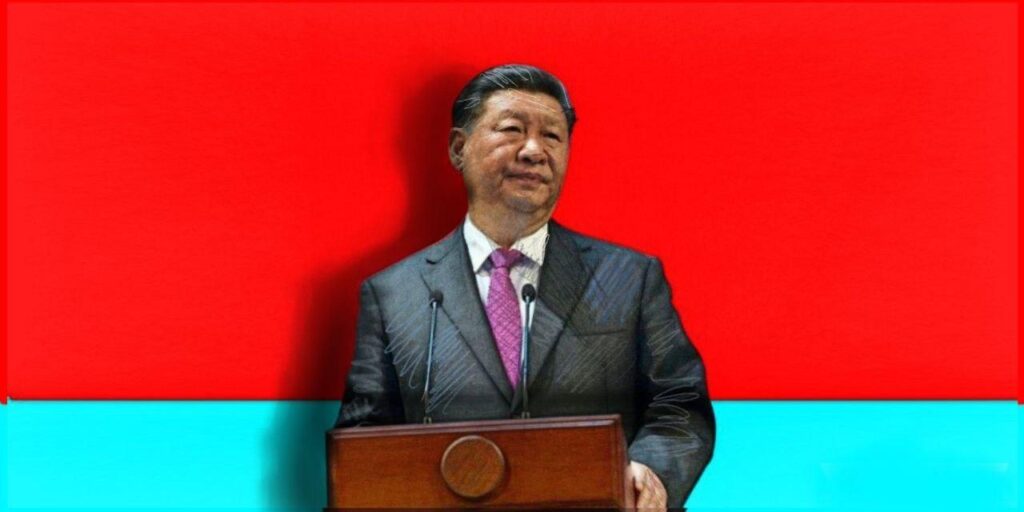

Opinion: Xi Jinping Heads to Astana – What’s at Stake in the Central Asia-China Summit?

On June 16-17, President Xi Jinping of the People’s Republic of China will visit Kazakhstan. The second Central Asia-China summit is scheduled for June 17 in Astana. Leading up to the event, a series of forums, meetings, and conferences have been unfolding across Central Asia and China, drawing experts, journalists, diplomats, and energy-sector representatives. These activities suggest that the upcoming summit is poised to overshadow its predecessor. While U.S. analysts continue debating the viability of their own C5+1 framework for engaging with Central Asia, and the European Union advanced its outreach with the inaugural EU-Central Asia summit, China has relied on a well-worn path. The thousand-year legacy of the Middle Kingdom is filled with moments when it had to engage with the complex mosaic of Central Asia, once a turbulent region of khanates, emirates, and nomadic tribes. Despite the chaos, China succeeded in carving out a secure overland corridor, the Great Silk Road, which threaded through what are now the independent Central Asian republics, linking them like beads in a continental necklace. Then, as now, China is seeking stability in the region, not just for political influence but to safeguard its global supply chains. Beijing’s modern initiatives, including the Belt and Road Initiative and its broader “community of shared future” concept, aim to establish global “islands of comfort” conducive to Chinese interests.  At the heart of this strategy lies a deeply embedded worldview: that China represents civilization itself. The Chinese learned long ago to deal with their neighbors not with violence, but through economic incentives, a method which is proving just as effective today. This layer of understanding is notably absent in many Western and post-Soviet analyses of China’s actions in Central Asia, the Middle East, Africa, and beyond. The reasons for this are twofold. First, Chinese officials are careful never to state views about cultural hierarchies explicitly; doing so would risk alienating partners. This reticence is a feature of traditional Eastern diplomacy. Second, Beijing has cultivated its own expert ecosystem within the post-Soviet sphere. In response to a wave of Sinophobia that swept through Central Asia a decade ago, China now primarily engages with favorable media outlets and Sinologists, many of whom are nurtured through carefully managed media tours. One such tour, organized by People’s Daily, is currently underway ahead of the Astana summit. As a result, the discourse surrounding the summit is shaped less by hard policy proposals than by diplomatic pageantry, with everything presented in the best possible light. At the recent 5th Forum of Think Tanks, “Central Asia-China: New Horizons for Regional Partnership,” Kazakhstan's State Councilor Yerlan Karin likened China and Central Asia to “the two lungs of Asia,” emphasizing the symbolic depth of their growing relationship. The 6th Central Asia-China Foreign Ministers’ Meeting, chaired by Chinese Foreign Minister Wang Yi and held in Almaty in April, likewise offered little in terms of concrete summit outcomes. According to a general statement from Kazakhstan’s Foreign Ministry, topics included political dialogue, trade, connectivity, sustainable development, and security cooperation,...