
• KGS/USD = 0.01144 0%
  • KZT/USD = 0.00216 0%
  • TJS/USD = 0.10698 0%
  • UZS/USD = 0.00008 0%
  • TMT/USD = 0.28530 0%
  • KGS/USD = 0.01144 0%
  • KZT/USD = 0.00216 0%
  • TJS/USD = 0.10698 0%
  • UZS/USD = 0.00008 0%
  • TMT/USD = 0.28530 0%
  • KGS/USD = 0.01144 0%
  • KZT/USD = 0.00216 0%
  • TJS/USD = 0.10698 0%
  • UZS/USD = 0.00008 0%
  • TMT/USD = 0.28530 0%
  • KGS/USD = 0.01144 0%
  • KZT/USD = 0.00216 0%
  • TJS/USD = 0.10698 0%
  • UZS/USD = 0.00008 0%
  • TMT/USD = 0.28530 0%
  • KGS/USD = 0.01144 0%
  • KZT/USD = 0.00216 0%
  • TJS/USD = 0.10698 0%
  • UZS/USD = 0.00008 0%
  • TMT/USD = 0.28530 0%
  • KGS/USD = 0.01144 0%
  • KZT/USD = 0.00216 0%
  • TJS/USD = 0.10698 0%
  • UZS/USD = 0.00008 0%
  • TMT/USD = 0.28530 0%
  • KGS/USD = 0.01144 0%
  • KZT/USD = 0.00216 0%
  • TJS/USD = 0.10698 0%
  • UZS/USD = 0.00008 0%
  • TMT/USD = 0.28530 0%
  • KGS/USD = 0.01144 0%
  • KZT/USD = 0.00216 0%
  • TJS/USD = 0.10698 0%
  • UZS/USD = 0.00008 0%
  • TMT/USD = 0.28530 0%

Viewing results 1 - 6 of 6

Kazakhstan Student and Researcher Gain Global Recognition in Science

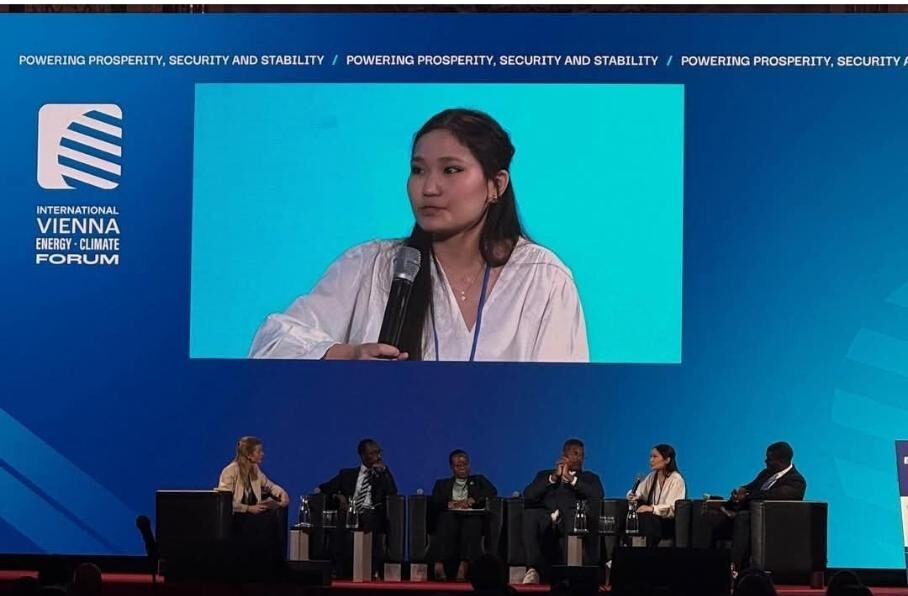
Two recent achievements from Kazakhstan have drawn attention from the international scientific community, highlighting advances by young Kazakhstani researchers in water technology and education. One standout is Dana Kadyrbek, an 11th-grade student at Gymnasium No. 79 in Almaty, who has been named among the world’s top three young inventors. She received this recognition at the Cleantech Days Forum 2026, held with the support of the United Nations Industrial Development Organization (UNIDO) at the United Nations headquarters in Vienna. Kadyrbek has been working toward this achievement for several years. In 2024 and 2025, she became a prizewinner at the Kazakhstan Smart Space international competitions, later secured second place at the Olympiad USA, and won the YISF competition in Indonesia. However, her project on extracting water from air has drawn the most attention. Her development, titled “Synthesis of Metal-Organic Framework Structures Based on Aluminum Fumarate for Atmospheric Water Harvesting,” makes it possible to produce drinking water even in arid conditions. In July 2025, the project earned her a gold medal at the World Invention Creativity Olympic (WICO) in Seoul. Another researcher from Kazakhstan has gained recognition in the academic field. Assel Sharimova, a postdoctoral researcher at the Graduate School of Education at Nazarbayev University, has been awarded the Michael Fullan Emerging Scholar in Professional Capital and Community Award. According to the organizers, she is the first recipient of the award not only from Kazakhstan but from the entire post-Soviet region. Only two researchers worldwide received the award in 2026. Sharimova has been conducting research in education for several years. She holds a PhD from the University of Cambridge and previously worked within the Nazarbayev Intellectual Schools system. Her research focuses on the professional development of teachers. “My research examined how teachers build and mobilize professional capital within virtual professional communities, with a particular focus on Kazakhstan. I explored how social networks facilitate informal learning, especially in the context of reforms where access to professional support is uneven. I also integrate these insights into my teaching and work with educators and researchers to support the development of collaborative professional communities,” Sharimova said. The Michael Fullan Award is considered a notable recognition in the field of education. It is presented by the Journal of Professional Capital and Community for research with both academic and practical impact. Award recipients receive a monetary prize and international recognition within the academic community.

Opinion: Central Asia Through Western Eyes – Misconceptions Among Young People

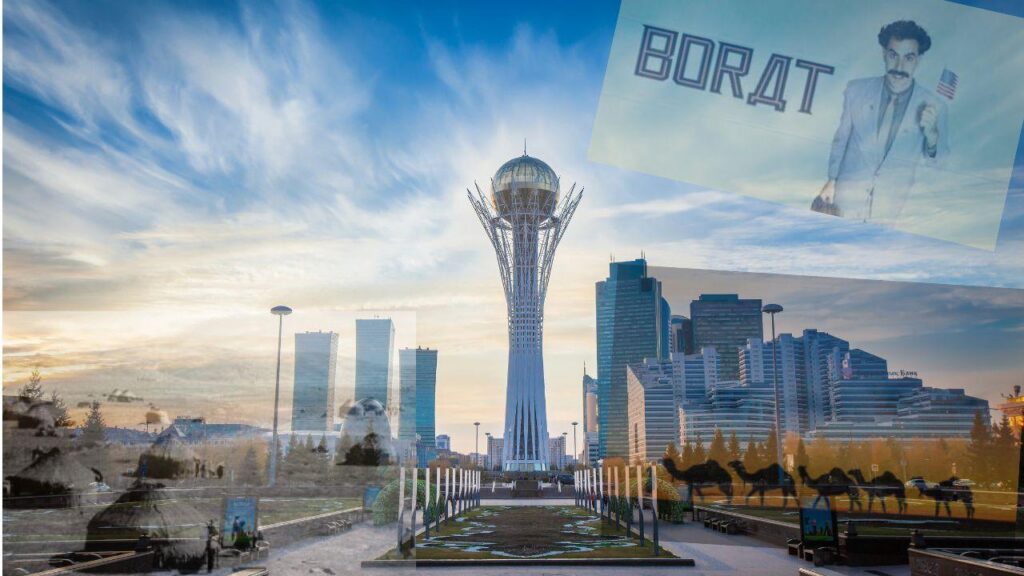
Do you know where Kazakhstan is? Although the question is straightforward, it often causes hesitation on a university campus in Washington, D.C. Some students gesture uncertainly toward Eastern Europe. Others guess the Middle East. Some admit they have never heard of it, often with a nervous laugh. Central Asia remains one of the least understood parts of the world for many young people in the West. It is often defined more by pop culture, history, and imagination than by its diverse reality. “I honestly thought Kazakhstan was somewhere near Afghanistan,” said Michael, a student from Georgetown University. “I didn’t realize it was its own region.” Such knowledge gaps are not unusual. Central Asia is rarely mentioned in Western education systems or media coverage, despite its size, strategic significance, and rich cultural heritage. As a result, assumptions often take the place of understanding and tend to follow similar patterns, which over time may shape Western attitudes toward the region. A Region Reduced to Stereotypes When Western students are asked what comes to mind when they think about Central Asia, their responses often follow a familiar pattern: deserts, nomads, the Soviet Union, and sometimes confusion with other regions. Emily, a student from American University, remarked, “I picture a lot of sand and heat, and perhaps those who ride horses?” Although this image is partial, it is not entirely inaccurate, as the region’s customs and natural surroundings do contribute to its character. However, contemporary cities, academic institutions, businesses, and the region’s cultural diversity are largely absent from these perceptions. Perceptions have also been shaped by pop culture. For some, Kazakhstan is associated less with geography or history than with Borat, the fictional journalist from a Hollywood comedy. Despite being widely recognized as satire, the persona has nevertheless made a lasting impression on viewers unfamiliar with the region. As Sacha Baron Cohen explained, Kazakhstan was chosen precisely because it was largely unknown to Western audiences. According to his explanation, he selected the country because “no one had heard anything about it,” making it a blank canvas onto which Western attitudes about backwardness could be projected. None of the scenes depicting Borat’s “home village” were filmed in Kazakhstan; they were shot in rural Romania. The language Borat speaks is not Kazakh, and the customs he describes bear no relation to everyday life in Kazakhstan. Daniel, a student from George Mason University, asked, half-jokingly, “Is that where Borat is from?” These examples illustrate how humor and media can fill gaps in knowledge. When Kazakhstan first appeared in popular Western media, it was often portrayed through harsh stereotypes, introducing global audiences to a country still defining its image. Between Curiosity and Ignorance However, alongside these misconceptions, there is also genuine interest. “I had no idea it was so multicultural,” said Emma, a student from American University. “We never really learned about it.” This response points to a broader issue: Central Asia is often misunderstood not only because of misinformation, but because of its limited visibility in the...