• KGS/USD = 0.01144 0%
  • KZT/USD = 0.00213 0%
  • TJS/USD = 0.10678 -0.19%
  • UZS/USD = 0.00008 0%
  • TMT/USD = 0.28490 -0.28%
  • KGS/USD = 0.01144 0%
  • KZT/USD = 0.00213 0%
  • TJS/USD = 0.10678 -0.19%
  • UZS/USD = 0.00008 0%
  • TMT/USD = 0.28490 -0.28%
  • KGS/USD = 0.01144 0%
  • KZT/USD = 0.00213 0%
  • TJS/USD = 0.10678 -0.19%
  • UZS/USD = 0.00008 0%
  • TMT/USD = 0.28490 -0.28%
  • KGS/USD = 0.01144 0%
  • KZT/USD = 0.00213 0%
  • TJS/USD = 0.10678 -0.19%
  • UZS/USD = 0.00008 0%
  • TMT/USD = 0.28490 -0.28%
  • KGS/USD = 0.01144 0%
  • KZT/USD = 0.00213 0%
  • TJS/USD = 0.10678 -0.19%
  • UZS/USD = 0.00008 0%
  • TMT/USD = 0.28490 -0.28%
  • KGS/USD = 0.01144 0%
  • KZT/USD = 0.00213 0%
  • TJS/USD = 0.10678 -0.19%
  • UZS/USD = 0.00008 0%
  • TMT/USD = 0.28490 -0.28%
  • KGS/USD = 0.01144 0%
  • KZT/USD = 0.00213 0%
  • TJS/USD = 0.10678 -0.19%
  • UZS/USD = 0.00008 0%
  • TMT/USD = 0.28490 -0.28%
  • KGS/USD = 0.01144 0%
  • KZT/USD = 0.00213 0%
  • TJS/USD = 0.10678 -0.19%
  • UZS/USD = 0.00008 0%
  • TMT/USD = 0.28490 -0.28%

Viewing results 2263 - 2268 of 3563

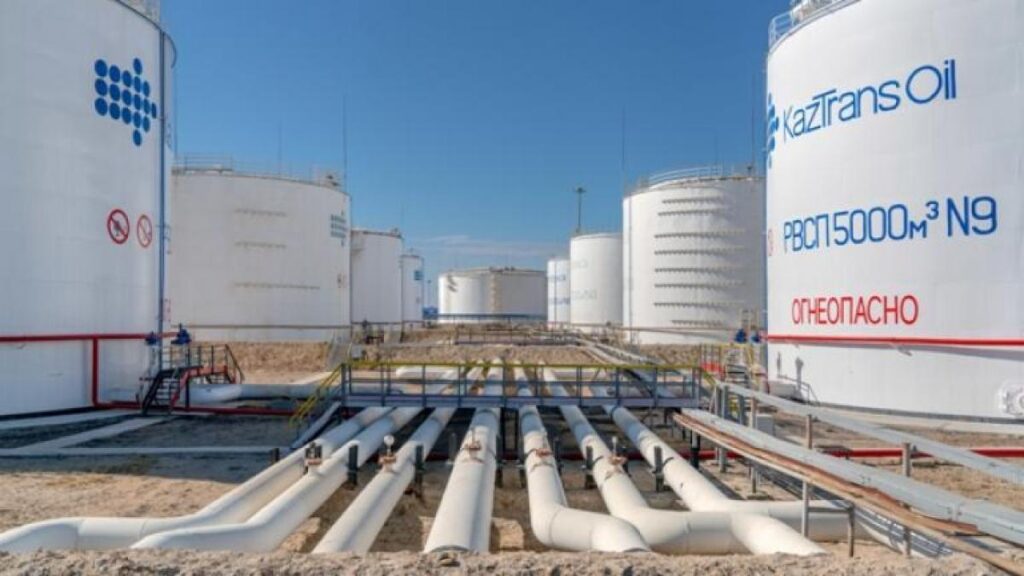
Kazakhstan Increases Tariff for Russian Oil Transit

KazTransOil JSC, an oil pipeline company of Kazakhstan that provides services for the transportation of oil to the domestic market, for transit and for export, has stated that starting from January 1st, 2024, the tariff for the pumping of Russian oil for transit through the territory of Kazakhstan along the Kazakhstani section of the Tuymazy-Omsk-Novosibirsk-2 (TON-2) main pipeline is to be increased. The tariff will now be $11.28 a ton per 1,000 km, the Kazakh company said. The main oil pipeline TON-2 passes through the territory of Kazakhstan and the Russian Federation. The 186.25 km long Kazakh section of the TON-2 oil trunk pipeline supplies oil to the Pavlodar Petrochemical Plant (northern Kazakhstan) and transits Russian oil to the People's Republic of China and Uzbekistan.

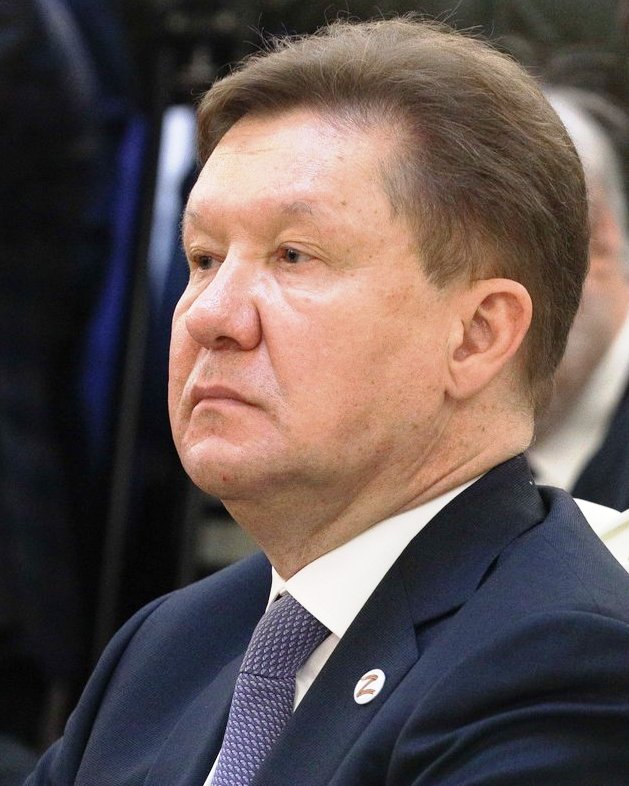
Gazprom to Ensure Reliable Natural Gas Supplies to Central Asia

Russian energy company Gazprom has agreed with partners in Kazakhstan, Kyrgyzstan, and Uzbekistan on fifteen-year contracts for natural gas supplies. The contracts are to be concluded in mid-2024 at the St. Petersburg International Economic Forum, Gazprom’s CEO, Alexey Miller said at the company’s meeting late in December. Gazprom’s press service quoted Miller as saying that “reliable, stable deliveries under these contracts” to the Central Asian countries will begin on November 1st, 2025. Miller also pointed out an increase in the current natural gas supplies to Uzbekistan. As winter frosts came at the beginning of December, Gazprom supplied twice as much gas to Uzbekistan as the company’s daily contractual obligations, Miller stated. The Gazprom CEO also said that in just over three months in 2023, the idle gas transportation system, “Central Asia – Center,” was switched to work in reverse mode. Thanks to such joint work with our colleagues from Kazakhstan and Uzbekistan, Miller said, we implemented this project in the shortest possible time, and this winter, these countries in Central Asia are more reliably provided with gas supplies. In recent years, Uzbekistan’s natural gas industry has experienced problems due to the depletion of reserves at existing gas fields. This prompted Uzbekistan to start importing natural gas from Russia through Kazakhstan in 2023. The Uzbek Statistics Agency said last month that natural gas production had fallen by more than 4.5 billion cubic meters from January-November 2023 as compared to the same period in the previous year. From January-November, 42.7 billion cubic meters of gas was produced, compared to 47.3 billion cubic meters in 2022.

EBRD Helps Improve Efficiency of Agricultural Production in Kazakhstan

The European Bank for Reconstruction and Development (EBRD) on December 29th said it is extending a US $10 million loan to Atameken-Agro, one of the largest vertically integrated agricultural holdings in Kazakhstan, thus contributing to greater efficiency of agricultural production in the Central Asian country. Atameken-Agro will use the funds to support the modernization, energy efficiency and environmental improvements of its agricultural machinery, including tractors, harvester-threshers and sprayers, the EBRD said. It is also expected that new agricultural machinery, procured with the help of the EBRD loan, will contribute to environmental improvements across Kazakhstan by increasing fuel efficiency and reducing air pollution. As part of the project, Atameken-Agro will also train workers in more advanced agricultural skills and thus contribute to the development of human capital in the sector. The loan is complemented with an investment under the Agrifood Nexus Program, funded by the Government of Germany through its International Climate Initiative. The Agrifood Nexus Program is part of a broader consortium program among the EBRD, the Food and Agricultural Organization of the United Nations (FAO), the Organization for Economic Co-operation and Development (OECD), the United Nations Economic Commission for Europe (UNECE) and the Scientific-Information Center of the Interstate Commission for Water Coordination of Central Asia (SIC ICWC), as well as ministries from participating countries. The consortium will address the challenges posed by the interdependence of energy, water and land use, which are exacerbated by climate change.

Uzbekistan and Turkey Aim to Increase Bilateral Trade to $5 Billion

Over the past five years, trade turnover between Uzbekistan and Turkey has grown 1.5-fold, and the leaders of the two countries have set the task of increasing bilateral trade up to $5 billion. This was stated during an Uzbek–Turkish business forum held in Ankara earlier this week, the Uzbek Ministry of Economy and Finance reported. The event gathered together around 300 representatives of the business community from both countries and was attended by Vice President of Turkey, Cevdet Yilmaz, President of the Association of Chambers and Commodity Exchanges of Turkey, Rifat Hisarciklioglu, President of the Council for Foreign Economic Relations, Nail Olpak, and Deputy Prime Minister–Minister of Economy and Finance of Uzbekistan, Jamshid Kuchkarov. Speaking at the forum, Turkish Vice President Yilmaz said that Turkish-Uzbek trade reached $3.5 billion in 2022, and Turkish investments in Uzbekistan amounted to $1.5 billion, Turkish media reported. At the forum, the Uzbek side, represented by the Ministry of Mining and Geology, the Agency for State Asset Management, the Ministry of Health, and the Chamber of Commerce and Industry, held presentations about opportunities created in Uzbekistan for foreign entrepreneurs, the Uzbek ministry said. The forum participants agreed that among the promising areas for cooperation between the two countries were pharmaceuticals, the leather and shoe industry, the jewelry industry, and the production of building materials, furniture and glass products. Today, approximately 1,800 enterprises with the participation of Turkish capital are operating in Uzbekistan. On the same day, the 7th meeting of the Uzbekistan-Turkey Intergovernmental Commission was held in Ankara, co-chaired by Uzbekistan's Deputy Prime Minister–Minister of Economy and Finance, Jamshid Kuchkarov, and Turkey's Vice President, Cevdet Yilmaz.

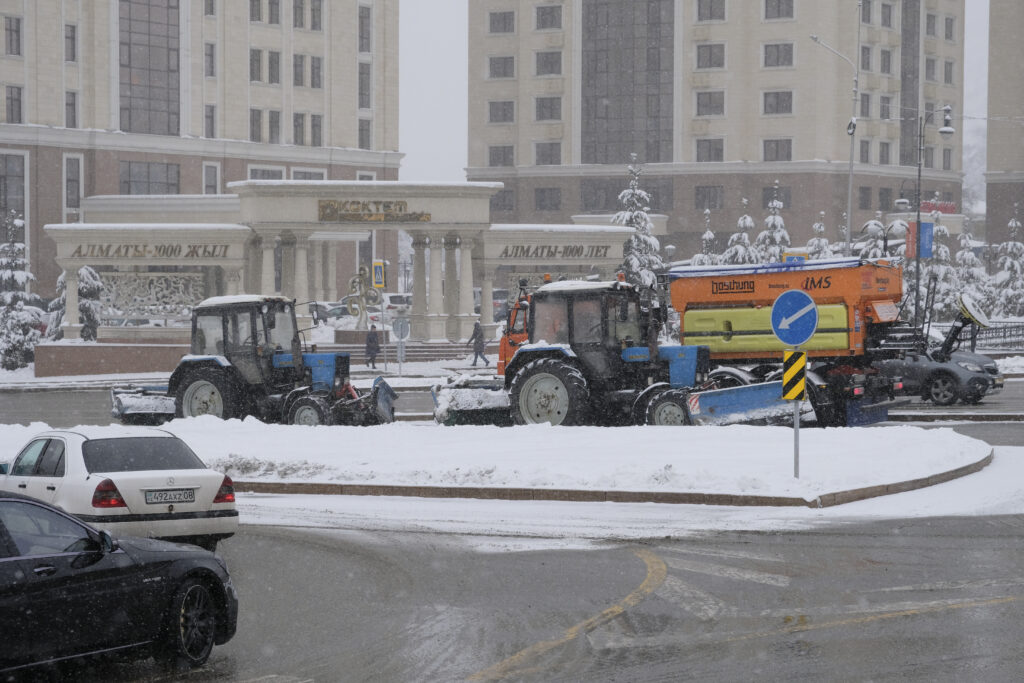
Investing in the Future: Upgrading Kazakhstan’s Heating and Power Infrastructure

As nations around the globe grapple with the urgency of climate change and the need for sustainable development, one country that stands out is Kazakhstan. With its vast natural resources and strategic location, Kazakhstan has the potential to become a leader in renewable energy and sustainable infrastructure. However, upgrading Kazakhstan's heating and power infrastructure is a significant undertaking that requires substantial time and financial investment. The Challenge Kazakhstan is no stranger to the harsh realities of tough winters. With temperatures often dropping below -30 degrees Celsius and even reaching lows of -52 degrees Celsius in some northern regions, the capacity and resilience of the country's heating infrastructure is tested annually. In a country where winter can last up to six months, maintaining a reliable heating supply isn't just a matter of comfort—it's a matter of survival. However, the extreme weather conditions put a considerable strain on Kazakhstan's heating infrastructure and lead to several challenges. Many of Kazakhstan's heating systems, built during the Soviet era, are showing their age and inefficiency, necessitating an expensive overhaul. These outdated systems often break down, leading to extended periods without heat in the coldest months. A striking example was the 2022 incident in Ekibastuz, a city known for its harsh winters, where residents endured nearly three months without heat due to a power plant failure, which subsequently sparked a government-led corruption investigation. Compounding these issues, Kazakhstan's heating sector heavily relies on fossil fuels, primarily coal. This reliance not only exacerbates environmental pollution but also leads to energy inefficiency. Due to poor insulation in buildings and obsolete heating systems, much of the produced heat is lost, demanding more energy and resources to maintain warmth in homes and businesses. The cost of heating is a significant expense for many Kazakh households, particularly those in rural areas where incomes are lower. The government provides subsidies to help offset these costs, but with energy prices rising globally, this is becoming an increasingly heavy burden on the national budget. The financial aspect of such upgrades is undoubtedly substantial. One source estimates that upgrading transmission and distribution infrastructure alone for all of Central Asia could cost between $25 billion to $49 billion. Additionally, infrastructure projects of this magnitude can take several years to over a decade to implement. For instance, Denmark began its transition to district heating systems and combined heat and power plants in the 1970s, and is still implementing improvements today. Similarly, Germany started its Energiewende (energy transition) initiative in 2000, with goals set for 2050. What Steps Have Been Taken? Efforts are made to upgrade aging systems, improve energy efficiency, and transition to more sustainable sources of energy. In 2023, Kazakhstan significantly upgraded its energy infrastructure, as reported by the Astana Times. The launch of the second Beineu-Zhanaozen gas pipeline and a new distribution pipeline in Mangystau Region improved gas supply, while the completion of the Makat-North Caucasus pipeline met regional demands. The western zone's energy network was fortified with five new power transmission lines. Renewable energy saw...

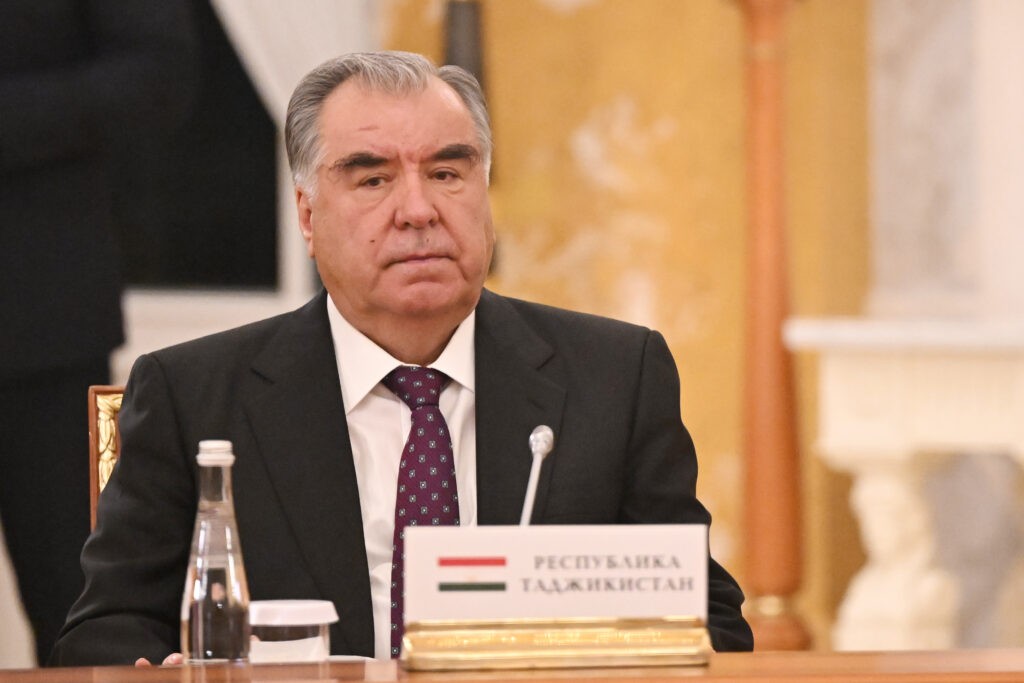
Tajikistan to Achieve Energy Independence and Become Green Country

In 2023, Tajikistan’s GDP increased by 8.3% compared to the previous year, and over the past seven years the country’s GDP has grown 1.5-fold while the national economy has developed at an average pace of 7.5%, the President of Tajikistan, Emomali Rahmon stated addressing parliament on December 28th. The President said that prioritizing the prevention of potential risks to the national economy, making efficient use of available resources, industrialization and creating jobs have been the main priorities of the government in recent years. Among Tajikistan’s main concerns, the President said, are the establishment of a “green economy,” accelerating the economy’s digitization, developing human resources, raising the competitiveness of domestically produced goods, bolstering exports, and enhancing the standards of social services. Rahmon said that given the abundance of hydropower resources in Tajikistan, the high production capacity of "green energy" and its export, the Government is making confident steps towards achieving its strategic goal of energy independence. In 2023, Tajikistan’s energy capacity exceeded 6,000 megawatts, and electricity production amounted 22 billion kilowatt-hours, which is 4.8 billion kilowatt-hours or 28% more than in 2017. Rahmon said that Tajikistan will take urgent measures over the next seven years to increase energy exports up to 10 billion kilowatt-hours taking into account the implementation of CAЅA-1000 power transmission line project and re-connection to the Central Asia energy system. The country will also construct power plants using renewable energy sources and increase the "green energy" production capacity up to 1,000 megawatts by 2030. With the implementation of these measures, the President said, by 2032 electricity production in the country will be entirely from renewable sources, that is, 100% will be provided by “green energy, and Tajikistan will truly become a green country,” President Rahmon said.