• KGS/USD = 0.01144 0%
  • KZT/USD = 0.00211 0%
  • TJS/USD = 0.10515 0.48%
  • UZS/USD = 0.00008 0%
  • TMT/USD = 0.28530 0%
  • KGS/USD = 0.01144 0%
  • KZT/USD = 0.00211 0%
  • TJS/USD = 0.10515 0.48%
  • UZS/USD = 0.00008 0%
  • TMT/USD = 0.28530 0%
  • KGS/USD = 0.01144 0%
  • KZT/USD = 0.00211 0%
  • TJS/USD = 0.10515 0.48%
  • UZS/USD = 0.00008 0%
  • TMT/USD = 0.28530 0%
  • KGS/USD = 0.01144 0%
  • KZT/USD = 0.00211 0%
  • TJS/USD = 0.10515 0.48%
  • UZS/USD = 0.00008 0%
  • TMT/USD = 0.28530 0%
  • KGS/USD = 0.01144 0%
  • KZT/USD = 0.00211 0%
  • TJS/USD = 0.10515 0.48%
  • UZS/USD = 0.00008 0%
  • TMT/USD = 0.28530 0%
  • KGS/USD = 0.01144 0%
  • KZT/USD = 0.00211 0%
  • TJS/USD = 0.10515 0.48%
  • UZS/USD = 0.00008 0%
  • TMT/USD = 0.28530 0%
  • KGS/USD = 0.01144 0%
  • KZT/USD = 0.00211 0%
  • TJS/USD = 0.10515 0.48%
  • UZS/USD = 0.00008 0%
  • TMT/USD = 0.28530 0%
  • KGS/USD = 0.01144 0%
  • KZT/USD = 0.00211 0%
  • TJS/USD = 0.10515 0.48%
  • UZS/USD = 0.00008 0%
  • TMT/USD = 0.28530 0%

Viewing results 1255 - 1260 of 5581

Maternal Mortality Continues to Decline in Kazakhstan

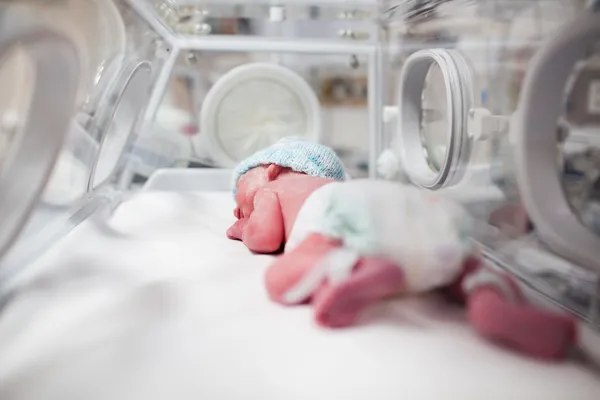
Kazakhstan has ranked among the top 10 countries globally in terms of reducing maternal mortality rates, according to the World Health Organization. Over the past decade, Kazakhstan's maternal mortality rate has dropped significantly, reaching 10.1 deaths per 100,000 live births in 2024. This progress comes despite a temporary spike in maternal deaths during the COVID-19 pandemic. Three regions -- Pavlodar (northeast), Mangistau (west), and North Kazakhstan -- reported zero maternal deaths in 2024. Additionally, 99.9% of births across the country were attended by qualified medical personnel, reflecting widespread access to professional maternal healthcare. Steady Progress with Regional Disparities The Ministry of Health reported the following annual maternal mortality figures: 2020: 200 cases 2021: 70 cases 2022: 45 cases 2024: 37 cases Despite the national downward trend, 10 regions have seen a slight rise in maternal deaths over the past six years. In 2024, 54% of maternal deaths occurred in urban areas, with 46% in rural settings. A troubling development is the rise in mortality among women with four or more children, which left 97 children orphaned last year. Nonetheless, the current maternal mortality rate is the lowest recorded in Kazakhstan's post-Soviet history. In 1992, the rate stood at 76.8 deaths per 100,000 live births. Regional Leadership in Maternal Health As previously reported by The Times of Central Asia, Kazakhstan is actively sharing its expertise in maternal and child health with neighboring countries, contributing to broader regional health development efforts.

Kazakhstan Establishes New Special Economic Zone in Kyzylorda Region

Kazakhstan has launched a new special economic zone (SEZ) named "Korkyt Ata", located in the Kyzylorda region. Spanning 550 hectares, the SEZ is strategically positioned near the international transport corridor Western Europe-Western China, enhancing its potential as a hub for industrial growth and regional trade. According to the project’s developers, the SEZ aims to foster competitive industrial production, attract both domestic and foreign investment, and facilitate the introduction of advanced technologies. Its proximity to the major transport artery is expected to improve access to Central Asian markets and beyond. Korkyt Ata will operate under a special legal regime offering tax and customs incentives to investors. By 2049, it is projected to attract over 150 billion KZT ($290 million) in investment, including 80 billion KZT ($155 million) in foreign capital. Currently, Kazakhstan hosts 15 special economic zones, each with distinct industrial priorities. These include the Aktau Seaport SEZ, strategically located along the Trans-Caspian International Transport Route (TITR), also known as the Middle Corridor, which connects China to Europe through Kazakhstan. Additionally, two key SEZs are positioned along the Kazakh-Chinese border: Khorgos International Center for Border Cooperation (ICBC), facilitating cross-border trade and joint ventures; Khorgos-Eastern Gate SEZ, a logistics hub featuring industrial complexes and a dry port that links China with Central Asia and the Middle East. The establishment of Korkyt Ata underscores Kazakhstan’s ongoing strategy to strengthen its economic infrastructure through diversified SEZs. By leveraging its geographic advantages and investor-friendly policies, the country aims to solidify its role as a vital link in Eurasian trade and industrial networks.

Kyrgyzstan Prepares National Development Program Through 2030

On May 19, Adylbek Kasymaliyev, Chairman of Kyrgyzstan’s Cabinet of Ministers, chaired a government meeting to review a draft of the country’s National Development Program until 2030, a strategic framework outlining Kyrgyzstan’s medium-term development priorities. The draft program encompasses broad initiatives across healthcare, education, social protection, public security, civil service, and environmental sustainability. Its overarching goal is to improve the quality of life for Kyrgyz citizens and ensure long-term national development. Kasymaliyev emphasized that the program aims to create “decent conditions for our citizens and improve their well-being.” The strategy is built around four key development vectors: industrialization, positioning Kyrgyzstan as a regional hub, strengthening agriculture and tourism, and advancing green energy. These priorities are designed to capitalize on the country’s comparative advantages while aligning with global development trends. Targets for 2030 The program sets the following economic and social benchmarks to be achieved by 2030: Gross Domestic Product (GDP) of at least $30 billion GDP per capita of $3,900 Annual GDP growth of 11-12% External public debt at 40-60% of GDP Unemployment rate capped at 5% Kyrgyzstan's entry into the top 100 countries in the Human Development Index (HDI) Four Strategic Pillars To meet these goals, the program is structured around four key areas: Industrialization: Expansion of mining and manufacturing, increased domestic production, and job creation. Regional Hub Development: Positioning Kyrgyzstan as a central node for logistics, trade, and financial flows in Central Asia. Agriculture and Tourism: Enhancing agricultural competitiveness and actively developing the tourism sector. Green Energy: Promoting renewable energy technologies and ensuring national energy security. The Boston Consulting Group (BCG), a global leader in strategic management and business analytics, played a key role in drafting the program. BCG’s involvement underscores the government's commitment to international best practices in planning and policy development.

Detention Extended for Four Suspects in Moscow Crocus City Hall Attack

The Moscow City Court has extended the detention of four Tajik citizens accused of participating in the deadly terrorist attack at Crocus City Hall in March. According to the court’s press service, the suspects will remain in custody for an additional three months and 28 days. The individuals, Fariduni Shamsiddin, Saidkrom Rachabalizoda, Dalerjon Mirzoev, and Muhammadsobir Faizov, have been named by Russian authorities as the primary perpetrators. They reportedly opened fire and set the concert venue ablaze on the evening of March 22. All four have been officially added to Russia’s federal list of terrorists and extremists. The attack, which occurred during a live performance at Crocus City Hall in Krasnogorsk, just outside Moscow, left 146 people dead. The gunmen used automatic weapons and later ignited a fire in the main concert area, making it one of the deadliest terrorist incidents in Russia in recent history. Russia’s Investigative Committee has charged 27 individuals in total in connection with the attack. Committee Chairman Alexander Bastrykin confirmed that all have been formally charged and that the investigation is ongoing. So far, 12 people have been arrested, with the principal suspects all identified as Tajik nationals. As previously reported by The Times of Central Asia, Turkish prosecutors are also pursuing charges related to the attack. The Istanbul Prosecutor’s Office is seeking prison terms ranging from 7.5 to 15 years for five Central Asian nationals believed to be connected to the same network. Investigations in both Russia and Turkey are continuing as authorities work to uncover the full scope of the group responsible for the massacre.

Italy Raises the Bar in Central Asia: What to Expect from Giorgia Meloni’s Visit

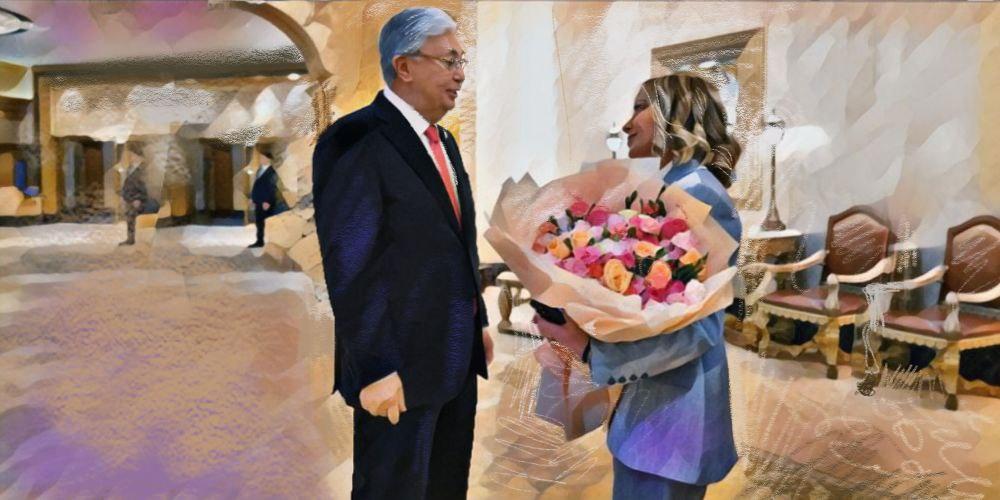
In recent years, Italy has emerged as one of the European countries most keen to maintain close relations with the countries of Central Asia. In mid-April, confirmation arrived that Prime Minister Giorgia Meloni would be travelling to the region this spring. The purpose of the trip is to visit Uzbekistan and Kazakhstan and attend a summit in Astana with the presidents of the five countries.  Meloni's visit is scheduled for the end of May, although the exact dates are not yet known. Italy was the first European country to involve the Central Asia region in a "1+5" summit. The first meeting was held in Rome in December 2019, and involved the then Italian Foreign Minister, Luigi Di Maio, and all Central Asian Foreign Ministers. This meeting took place a few months after Italy, the first and only EU country to take this step, signed a memorandum of understanding with China on the Belt & Road Initiative (in 2023, Rome decided to withdraw from the project). Central Asia is one of the regions at the heart of the original BRI project: the launch was announced in Kazakhstan in 2013. The most recent meeting at foreign minister level took place in May 2024, again in Rome, and was attended by the current Italian Foreign Minister, Antonio Tajani. But now Italy has decided to raise the bar and directly involve Meloni and her Central Asian counterparts. The multilateral forum is complemented by frequent visits to Italy by leaders from the region: Uzbekistan's Mirziyoyev in June 2023, Kazakhstan's Kassym-Jomart Tokayev in January 2024 and Tajikistan's Emomali Rahmon at the end of April 2024. For Italy, President Sergio Mattarella visited Uzbekistan in November 2023 and Kazakhstan in March 2025. Italy is one of the main economic partners in the region, and especially in Kazakhstan; the country ranks third (behind only China and Russia) in terms of trade with Astana. Trade turnover between Kazakhstan and Italy rose 25% in 2024 and reached almost $20 billion. The relationship is particularly strong in the energy sector, with over $18 billion accounted for exports of Kazakh oil and petroleum products in 2024. The Italian national oil and natural gas company Eni has been present in Kazakhstan since 1992, where it is a co-operator of the Karachaganak oil field and participates in the North Caspian Sea PSA consortium responsible for operations at the Kashagan oil field. Other significant sectors of trade between Italy and Kazakhstan are those of agricultural machinery and agricultural production. One area that could be subject to greater cooperation is defense, as demonstrated by the visit to Italy by Kazakhstan's Minister of Defense, Ruslan Zhakssylykov, in March this year. The potential is truly remarkable: during Mattarella's aforementioned flash visit to the country this March, with a meeting with Tokayev held directly at Astana airport, the Italian president emphasized the potential for further deepening the strategic partnership between Rome and Astana, which has been in place since 2011. Speaking of official documents, in June 2023, Italy and Uzbekistan...

Turkmenistan Participates in World Education Forum in London

On May 18, the Education World Forum, one of the largest global events dedicated to education, opened in London, bringing together ministers, deputy ministers, and senior representatives from over 100 countries. This year’s participants include a delegation from Turkmenistan, led by Deputy Minister of Education Azat Ataev. On the forum’s opening day, the Turkmen delegation met with representatives of the Organisation for Economic Co-operation and Development (OECD) to discuss Turkmenistan’s potential involvement in international education initiatives, including the integration of PISA (Programme for International Student Assessment) goals into the country’s national education strategy. The delegation also held talks with Times Higher Education (THE), a leading agency in global university rankings. Discussions focused on strategies to enhance the international standing of Turkmen universities and explored the organization of online seminars aimed at improving institutional rankings. Turkmenistan and the United Kingdom continue to strengthen their educational partnership. In 2023, British experts conducted a series of training sessions for Turkmen teachers focused on modern pedagogical practices, organized in cooperation with the British Embassy in Ashgabat. A cornerstone of this collaboration is the Chevening Scholarship Program, which supports Turkmen students pursuing graduate studies in the UK. For the 2024/25 academic year, 12 Turkmen citizens were awarded Chevening scholarships. The British Council is also actively engaged in education development projects in Turkmenistan. Through its Digital Learning program, the Council is working to advance the digitization of the national education system and expand access to modern learning tools.