• KGS/USD = 0.01144 0%
  • KZT/USD = 0.00204 0%
  • TJS/USD = 0.10394 -0.38%
  • UZS/USD = 0.00008 0%
  • TMT/USD = 0.28571 0%
  • KGS/USD = 0.01144 0%
  • KZT/USD = 0.00204 0%
  • TJS/USD = 0.10394 -0.38%
  • UZS/USD = 0.00008 0%
  • TMT/USD = 0.28571 0%
  • KGS/USD = 0.01144 0%
  • KZT/USD = 0.00204 0%
  • TJS/USD = 0.10394 -0.38%
  • UZS/USD = 0.00008 0%
  • TMT/USD = 0.28571 0%
  • KGS/USD = 0.01144 0%
  • KZT/USD = 0.00204 0%
  • TJS/USD = 0.10394 -0.38%
  • UZS/USD = 0.00008 0%
  • TMT/USD = 0.28571 0%
  • KGS/USD = 0.01144 0%
  • KZT/USD = 0.00204 0%
  • TJS/USD = 0.10394 -0.38%
  • UZS/USD = 0.00008 0%
  • TMT/USD = 0.28571 0%
  • KGS/USD = 0.01144 0%
  • KZT/USD = 0.00204 0%
  • TJS/USD = 0.10394 -0.38%
  • UZS/USD = 0.00008 0%
  • TMT/USD = 0.28571 0%
  • KGS/USD = 0.01144 0%
  • KZT/USD = 0.00204 0%
  • TJS/USD = 0.10394 -0.38%
  • UZS/USD = 0.00008 0%
  • TMT/USD = 0.28571 0%
  • KGS/USD = 0.01144 0%
  • KZT/USD = 0.00204 0%
  • TJS/USD = 0.10394 -0.38%
  • UZS/USD = 0.00008 0%
  • TMT/USD = 0.28571 0%

Viewing results 31 - 36 of 49

U.S. Refurbishment of Pilatus PC-12 Aircraft for Uzbekistan

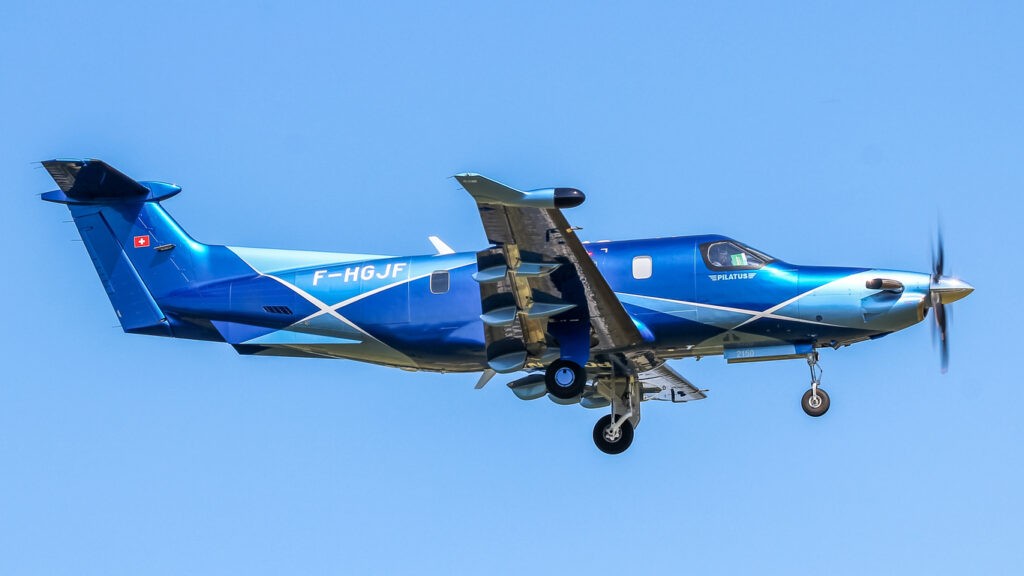
US company Sierra Nevada Corporation (SNC) has been awarded a $64.2 million contract to refurbish six Pilatus PC-12 aircraft for Uzbekistan. The work will be performed in Uzbekistan and completed by August 2027. According to the U.S. Defense Department's website, the contract which was awarded under the U.S. Department of Defense's Foreign Military Sales (FMS) program, includes not only the restoration of the aircraft but also logistical support and on-site maintenance. The Pilatus PC-12 is a single-engine turboprop aircraft widely used for various missions, including surveillance and transportation. Since the aircrafts' proven reliability lends itself to civilian and military applications, their rehabilitation will have a significant impact on the expansion of Uzbekistan's aviation capabilities, including long-range monitoring and transportation missions. It is worth noting that the Pilatus PC-12 aircraft is often used in difficult conditions due to its ability to take off and land on short runways, making it indispensable for operations in Uzbekistan's remote and hard-to-reach regions.

Drones, Armored Vehicles, and Planes: Kazakhstan Announces Large-Scale Rearmament

The Defense Department of Kazakhstan has provided a report on its work for the first half of this year, documenting that the Kazakh army intends to update its weaponry. The geography of supplies is extensive, from Chinese quadcopters to European heavy transport aircraft. In 2024, the delivery of the armored wheeled vehicles Arlan (produced by Kazakhstan Paramount Engineering) and COBRA II (Turkish Otocar) is expected. By the end of the year, the department plans to purchase complex tactical unmanned systems (SUNQAR) and mini unmanned systems (EVOMax). Experts believe that the decision to buy drones was dictated by the mass use of such systems in the Russian-Ukrainian conflict. These hostilities have convincingly proved that quadcopters are an effective type of weaponry. The Defense Ministry reports that the "Armed Forces continue rearming with modern equipment models, including domestically produced ones. More than equipment was received this year, 50 units were overhauled." Five hundred units of new fighter jets and anti-aircraft missile systems formed of high-precision weapons classes are being purchased for the Air Defense Forces. According to Orda.kz, the choice was made to favor the Russian Su-30SM aircraft. Earlier, there was information about the possible purchase of French Rafale fighters. "In December last year, the Defense Ministry noted that given the high cost of French Rafale aircraft, the purchase of Russian planes is being considered. The Su-30SM is a multi-role fighter, and, logically, the Defense Ministry does not advertise that it will buy planes, and possibly SAMs, from a 'sub-sanctioned ally,'" the publication noted. In addition, the ANKA heavy-class unmanned aerial vehicle system is undergoing experimental military operations. The Turkish strike UAV entered service with four countries in 2023. This year, production of the ANKA will begin in Kazakhstan. The report indicates that the European Union is expected to deliver the first A400M heavy-lift military transport aircraft and an anti-diversion boat for the Navy. The department stated, "Shops have been launched to repair armored and automotive equipment, troop air defense, anti-tank systems, artillery, and small arms. So far, more than 1.5 thousand military equipment units have been repaired." In the annual rating of countries based on their level of military power Global Firepower-2024, Kazakhstan was placed 58th out of 145. Kazakhstan's armed forces are recognized as being the strongest in Central Asia.

Central Asian Countries Increasing Defense Budgets

Voice of America has published an article that states that the countries of Central Asia are increasing their spending on defense and military equipment. Turkey, China, and the United States are now challenging Russia as the main suppliers of this equipment. According to analysis by the Stockholm International Peace Research Institute, which studies conflicts worldwide, the defense expenses of Kyrgyzstan, Kazakhstan, and Tajikistan totaled $1.8 billion last year. The institute did not explain Uzbekistan’s failure to disclose its defense expenditures, and there is no information on Turkmenistan. Last year, Kazakhstan’s military budget was 0.5% of its GDP, equal to $259.7 billion. Kyrgyzstan’s military expenditure was 1.5% of its GDP, $13.9 billion, totaling $208.5 million for defense. For Tajikistan, it was 1% of GDP, $12 billion, and $120 million for the military. The report also noted that Kazakhstan’s defense spending increased by 8.8% compared to last year. Uzbekistan, which does not disclose its military budget, reportedly allocated an additional $260 million to its defense budget last year. Officials in the region cite conflicts in the Eurasia region – the war in Ukraine and the war between Armenia and Azerbaijan, plus border disputes in Central Asia, and instability in Afghanistan – as reasons for Central Asian states to beef up their military forces. However, Peter Leonard, a writer specializing in Central Asian affairs, told Voice of America that it was partly a matter of reputation. “Partly, it is a matter of prestige. Authoritarian leaders like to flaunt shiny and expensive weapons. During annual military parades, we see this visually in Turkmenistan, where officials show off their new weapons and vehicles from China, Europe, and elsewhere. We see this trend in all of Central Asia,” he said. "Paradoxically, the intensification of militaries in these countries has not, in fact, exacerbated tensions but has resulted in a different outcome - which is much more cordial and practical dialogue about border demarcation. These countries, which were at a dangerous point, are on the cusp of signing a historic border agreement which will put an end to three decades of conflict."

Uzbekistan Launches NATO-Standard Armored Vehicle

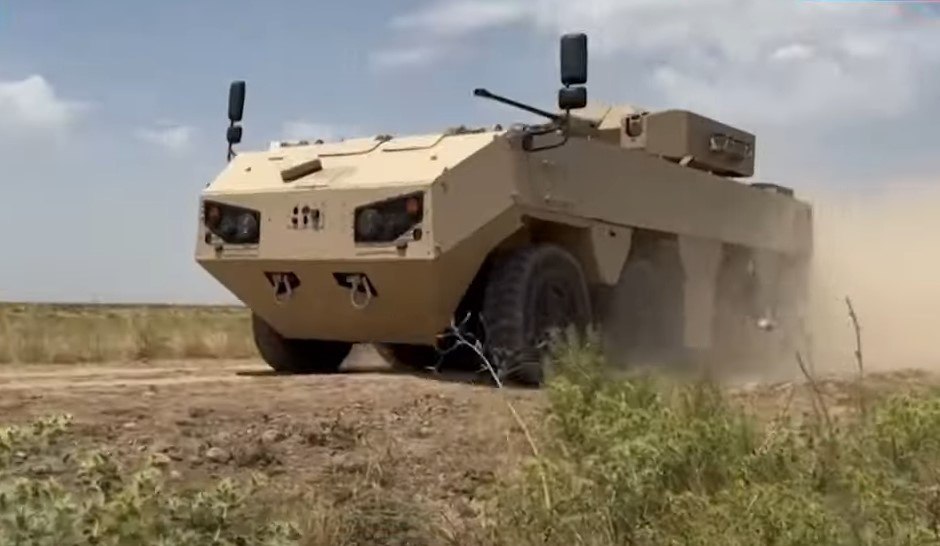
As reported by Uzbekistan 24, the Uzbekistan Defense Industry Agency has developed a new armored military vehicle, "Arslon," which is built to NATO standards. The vehicle, which weighs over 30 tons, can accommodate eight paratroopers and a crew of three. Its front is designed to protect against 30 mm armor-piercing shells. The side armor is capable of repelling 4.5-mm-caliber bullets. “In creating this armored personnel carrier, the parameters provided by NATO standards were considered. This is a national product created in Uzbekistan in cooperation with enterprises that produce high-quality components,” said Akmal Karimov, a company representative.

Central Asian Countries and Azerbaijan Begin Military Exercises in Kazakhstan

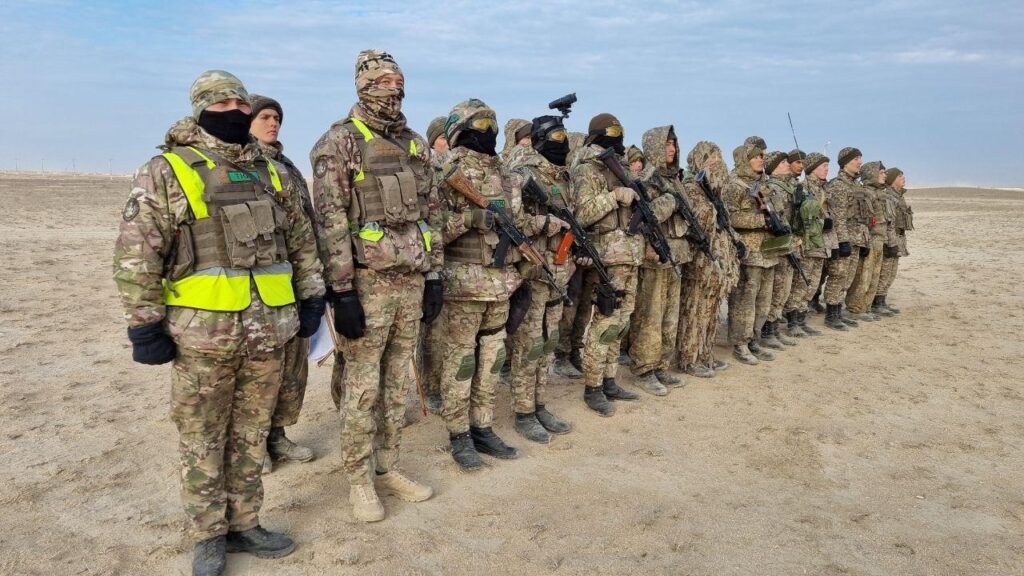
On July 8, Kazakhstan’s Ministry of Defense announced the start of joint military exercises - 'Birlestik-2024' (Association-2024) - by Azerbaijan, Kazakhstan, Kyrgyzstan, Tajikistan, and Uzbekistan in the country’s Mangystau region. Until July 17, the states’ military contingents will be modelling and practicing a joint operation to localize an armed conflict in manoeuvres at both the Oimasha training ground and a Caspian Sea site two kilometers from Cape Tokmak. Some four thousand military personnel and up to 700 pieces of military equipment will be involved in the exercise. Tactical episodes will be played out with the participation of ground and air reconnaissance groups, naval special forces, army and front-line aviation crews, warships and boats, artillery crews, assault and tank units. In recent years, there has been talk about increasing military cooperation between Turkic-speaking countries. In November 2023, Azerbaijani President Ilham Aliyev called on leaders of Turkic states to strengthen defense cooperation and at a summit of the Organization of Turkic States (OTS) in Astana, Kazakhstan, stated: "Wars and bloody conflicts break out. In this case, the main guarantor of security, first of all, becomes the defense potential. I believe that cooperation between the member states in areas such as security, defense, and the defense industry should be further increased.” Member countries of the OTS, established in 2009, include Turkey, Azerbaijan, Kazakhstan, Kyrgyzstan, and Uzbekistan, while Hungary, Turkmenistan, and the Turkish Republic of Northern Cyprus have observer status.