• KGS/USD = 0.01144 0%
  • KZT/USD = 0.00209 0%
  • TJS/USD = 0.10429 0.1%
  • UZS/USD = 0.00008 0%
  • TMT/USD = 0.28530 0%
  • KGS/USD = 0.01144 0%
  • KZT/USD = 0.00209 0%
  • TJS/USD = 0.10429 0.1%
  • UZS/USD = 0.00008 0%
  • TMT/USD = 0.28530 0%
  • KGS/USD = 0.01144 0%
  • KZT/USD = 0.00209 0%
  • TJS/USD = 0.10429 0.1%
  • UZS/USD = 0.00008 0%
  • TMT/USD = 0.28530 0%
  • KGS/USD = 0.01144 0%
  • KZT/USD = 0.00209 0%
  • TJS/USD = 0.10429 0.1%
  • UZS/USD = 0.00008 0%
  • TMT/USD = 0.28530 0%
  • KGS/USD = 0.01144 0%
  • KZT/USD = 0.00209 0%
  • TJS/USD = 0.10429 0.1%
  • UZS/USD = 0.00008 0%
  • TMT/USD = 0.28530 0%
  • KGS/USD = 0.01144 0%
  • KZT/USD = 0.00209 0%
  • TJS/USD = 0.10429 0.1%
  • UZS/USD = 0.00008 0%
  • TMT/USD = 0.28530 0%
  • KGS/USD = 0.01144 0%
  • KZT/USD = 0.00209 0%
  • TJS/USD = 0.10429 0.1%
  • UZS/USD = 0.00008 0%
  • TMT/USD = 0.28530 0%
  • KGS/USD = 0.01144 0%
  • KZT/USD = 0.00209 0%
  • TJS/USD = 0.10429 0.1%
  • UZS/USD = 0.00008 0%
  • TMT/USD = 0.28530 0%

Viewing results 391 - 396 of 834

Referendum for Nuclear Power in Kazakhstan Passes

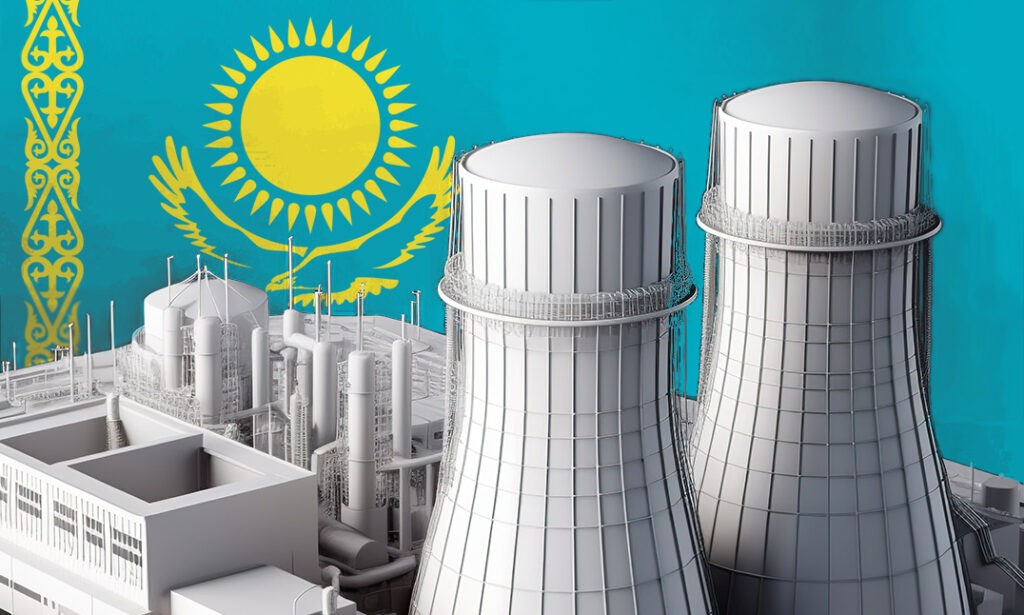
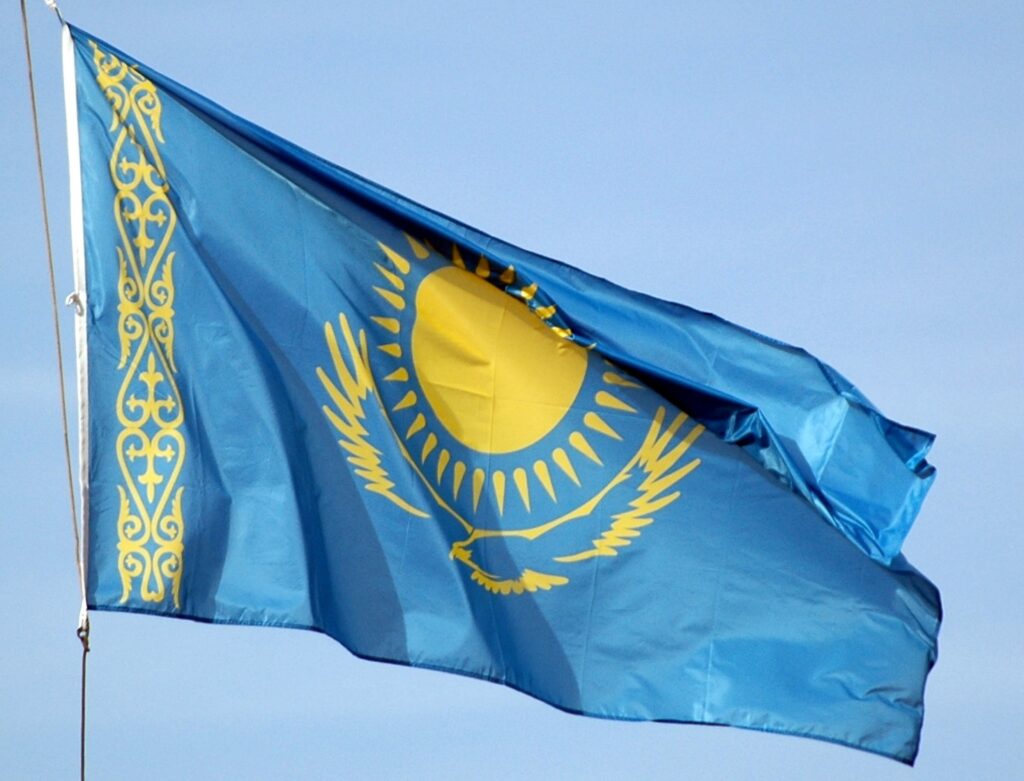
Kazakhstan's nuclear energy referendum on October 6 passed with a 71.12 % majority, marking a pivotal shift in the country's energy strategy. The nation has faced significant challenges with an aging energy infrastructure and a reliance on Russia to fill the gaps. The decision comes with historical sensitivities as Kazakhstan continues to grapple with the legacy of Soviet-era nuclear tests that caused widespread harm. The referendum offered citizens a direct voice in shaping their energy future, reflecting both the urgency of addressing the country’s current needs and the deep-seated concerns over nuclear safety. On the referendum ballot, Kazakhstanis were asked, “Do you agree to the construction of a nuclear power plant in Kazakhstan?”. The voter turnout was high, according to the Central Referendum Commission, with 7,820,918 Kazakhstan citizens receiving ballots, amounting to a 63.87% voter turnout. The voter turnout for the referendum on the new constitution in Kazakhstan, held on June 5, 2022, was similarly high at 68.44%. As the world's largest uranium producer, Kazakhstan is well-positioned to leverage its rich resources to transition towards more sustainable energy solutions. President Kassym-Jomart Tokayev has emphasized the critical importance of nuclear energy, not only in meeting the immediate electricity needs amidst frequent power outages but also in aligning with global environmental commitments. At the Convention on Climate Change (COP28) held in Dubai on December 1, 2023, Tokayev made a Global Methane Pledge to reduce methane emissions by 30 percent by 2030. The nuclear power plant is expected to reduce Kazakhstan's reliance on fossil fuels, thus decreasing greenhouse gas emissions. Uzbekistan has already begun construction of a nuclear power plant 55km from the Kazakhstan border. Kyrgyzstan may also build a nuclear power plant in the Chui region, which is less than 300km south of the planned Kazakhstani plant in Ulken on Lake Balkash. International observers from the Shanghai Cooperation Organization (SCO), the Organization of Turkic States (OTS), and the Conference on Interaction and Confidence Building Measures in Asia (CICA) have all affirmed that the recent referendum was conducted in accordance with current legislation, describing it as open, free, and legitimate. Kazakhstan’s Deputy Foreign Minister Roman Vassilenko noted the participation of over 200 foreign journalists during the referendum, underscoring the transparency and openness of the voting process. Radio Free Europe, through its affiliate Azattyk, was critical of the referendum. An incident of ballot stuffing at a Turkestan poll station was reported, as were accessibility issues for the disabled voters in the Uralsk region. One observer witnessed a suspicious busload of voters in Turkestan. RFE correspondents reported difficulty in getting voter turnout results throughout the afternoon at a station in Karganda and Aktobe. With that in mind, the irregularities seem to be few and far between overall: The League of Young Voters, a vigilant group of local observers, identified a total of 20 technical violations across the country’s 10,249 polling stations. The referendum day proceeded without significant issues, shifting attention to Kazakhstan's urgent energy shortfalls. With the nuclear power plant expected to be operational in 2034,...

Kyrgyzstan Plans to Stop Importing Coal and Electricity by 2027

Kyrgyzstan plans to abandon coal imports within the next two years and stop buying foreign electricity by 2027. Speaking at a parliamentary group meeting, Energy Minister Taalaibek Ibraev announced that the country is already preparing to meet these challenges by actively developing the energy sector's infrastructure. Ibraev emphasized that the problem with transformers, which was relevant earlier, will be solved next year. Repairs have already been carried out in all 56 RECs (district electric networks), and five spare transformers have been provided for each of them in case of emergencies. A tender has also been held for purchasing one thousand transformers worth $58 million, of which $25 million are loan funds, $25 million is a World Bank grant, and $8 million is a Swiss grant. In addition, 600 thousand new meters are planned to be purchased. These measures will significantly improve the reliability of the country's electricity supply. The minister also noted that the country's generating capacity deficit is 300 to 400 megawatts. To solve this problem, solar power plants will be launched, allowing the country to scale down electricity imports. In addition, Ibraev announced plans to refuse coal imports in the next two years. The country is developing projects to introduce alternative energy sources and ensure energy independence. Problems with transformers in Kyrgyzstan have been acute over the past few years due to worn-out energy infrastructure and equipment shortages. Many transformer stations needed modernization, resulting in power supply failures. The government initiated large-scale transformer replacement and repair projects in response to these challenges.

Kazakhstan Awaits Results of Nuclear Referendum; Exit Polls Indicate a “Yes” Vote

Kazakhstan is awaiting the official results of a referendum on whether to build its first nuclear power plant, though exit polls showed “yes” voters were in the majority, according to state-run media reports. The project could ease chronic energy shortages and reduce reliance on coal-fired facilities but is fraught with concerns about costs, transparency, and the legacy of the human and environmental cost of Soviet nuclear weapons testing decades ago. Led by President Kassym-Jomart Tokayev, Kazakhstan’s political establishment has backed the idea of peaceful nuclear power as a way to move the country forward and the referendum appears aimed partly at giving people a sense of agency after the trauma of Soviet testing at Semipalatinsk. But some opponents allege that authorities restricted their efforts to organize a “no” campaign with detentions and other pressure designed to lock in an expected vote in favor. Officials results had not been announced as of early Monday morning. Voting at polling stations in Kazakhstan ended at 8 p.m. on Sunday and turnout among eligible voters was 63.87%, according to the Central Election Commission. The highest turnout was in the Kyzylorda region (82.48%) and the lowest turnout was in the city of Almaty (25.39%). Turnout in Astana, Kazakhstan’s capital, was 50.81%. “The precinct referendum commissions have begun counting the votes. The counting process at each polling station must not exceed twelve hours from the start of the count,” the commission said. Additionally, more than 7,358 Kazakh citizens voted at polling stations abroad, including in Asia, South America, Europe, and the United States, according to Roman Vassilenko, Kazakhstan’s Deputy Minister of Foreign Affairs. He noted at a briefing on Sunday night that the referendum had been monitored by observers from regional organizations, including the Shanghai Cooperation Organization, the Organization of Turkic States, and the Astana-based Conference on Interaction and Confidence-Building Measures in Asia. The heads of the observer missions said the referendum was “open, free, and legitimate, with no violations detected at any polling stations,” Vassilenko said. Kazakhstan also invited observers from the Organization for Security and Cooperation in Europe, but the OSCE declined to send a delegation “due to heavy workload,” reported the state-run Kazinform news agency. The OSCE sent a mission to observe a 2022 referendum on constitutional changes in Kazakhstan and concluded that it took place “in an environment short of genuine political pluralism.” One critic of the rules surrounding the nuclear referendum is Tamara Yeslyamova, editor-in-chief of the Uralskaya Nedelya, a newspaper that has sparred with the government over the years. A judge issued her with a fine for 110,760 tenge ($230) after she conducted video interviews about the referendum on nuclear power with half a dozen people on the street, the newspaper reported. It said the judge concluded that the interviews amounted to a public opinion survey; the law says such a poll can only be done by a state-sanctioned entity.

Kazakhstan Recycles 24% of Waste It Produces

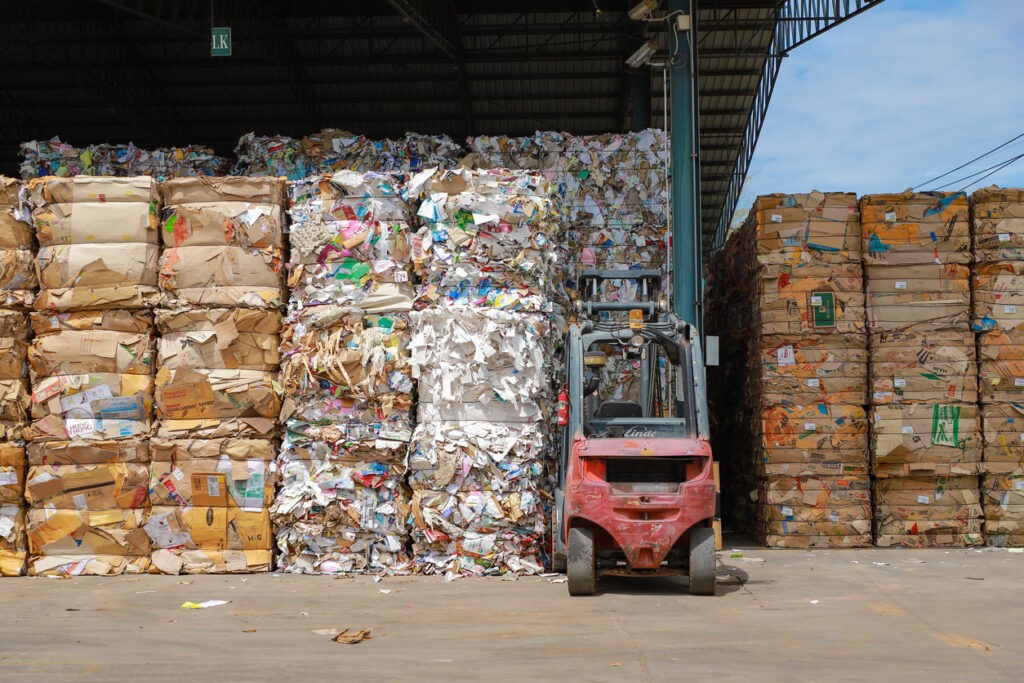
Deputy Minister of Ecology and Natural Resources Zhomart Aliyev said at the VIII Eurasian Business Forum "Green Energy & Waste Recycling" in Astana on October 3 that in 2023, 4.1 million tons of municipal waste were produced across Kazakhstan, and only 24% of that volume was recycled. According to Aliyev, unauthorized landfills remain a big problem. A total of 4,868 such landfills have been identified, and only 32% of them have been recycled. As of 2023, only 624 out of Kazakhstan's 3,016 solid waste landfills met all the environmental requirements. The government has approved 94 investment projects to construct waste processing plants in Kazakhstan, which is expected to increase the country’s municipal waste processing from 1 million to 2.2 million tons annually. The government has also approved a resolution on preferential financing for the construction of waste sorting and recycling plants and a plan to modernize existing solid waste landfills. The government has also drafted a Concept for the Development of Environmental Culture for 2024-2029, which aims to raise public awareness of proper waste management.

Reservoirs in Kazakhstan Make Room for Next-Year Meltwater

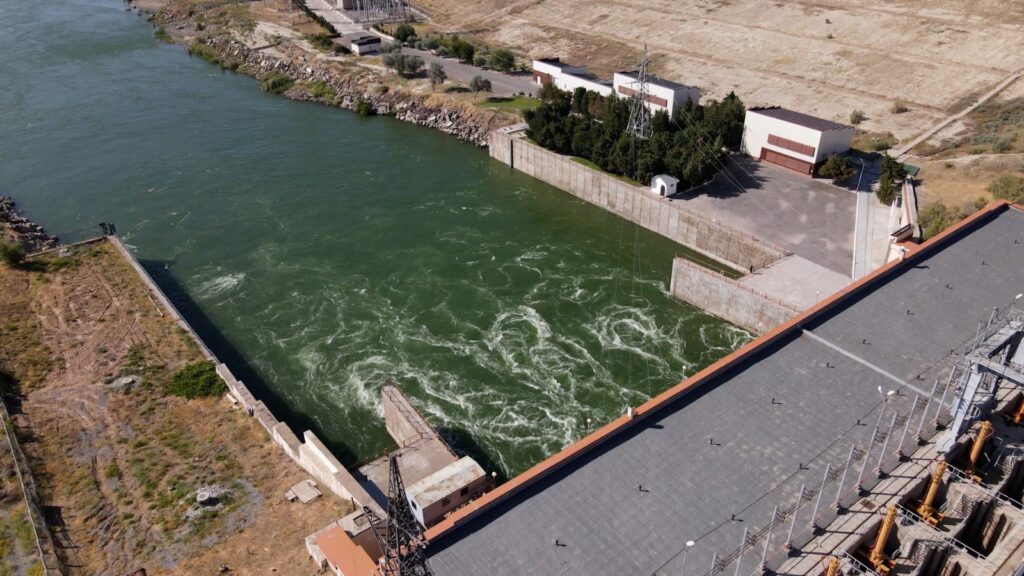
In preparation for potential floods next spring, Kazakhstan’s Ministry of Water Resources and Irrigation is gradually releasing water from reservoirs in the country's northern, western, central, and eastern regions to ensure they can receive snowmelt water in case of flooding. In Kostanay Region, the Karatomar reservoir releases 50 cubic meters of water per second. In Aktobe Region, the Kargalinsky reservoir discharges 15 cubic meters of water per second, and 107 million cubic meters of water were released from the Aktobe reservoir from August 23 to October 1. In western Kazakhstan, three cubic meters of water per second are released from the Kirov reservoir, 13 cubic meters per second from the Bitik reservoir, six cubic meters from the Dunguluk reservoir, and five cubic meters from the Pyatimar reservoir. At the same time, reservoirs in dry southern regions of Kazakhstan keep accumulating water for next year’s growing season. Deputy Minister of Water Resources and Irrigation Nurlan Aldamzharov commented that the country's reservoirs accumulated 75 billion cubic meters of water this past spring, 15 billion cubic meters more than last year. More than 12 billion cubic meters of that water was flood water. In the spring of 2024, Kazakhstan's western and northern regions suffered from unprecedented floods caused by the rapid snowmelt. The floods destroyed thousands of homes and forced almost 100,000 people to evacuate from flood zones.

Did DIY Butchers Cause Twenty-One Meat Poisonings in Turkmenistan?

A hospital in the eastern Turkmen town of Sayat has admitted 21 people with symptoms of food poisoning, after eating at a restaurant where they were given infected meat. All the patients were kept in hospital for several days, Chronicles of Turkmenistan reports. An outbreak of a disease among camels and cattle, presumably animal pox, was recently recorded in Sayat. The virus began to spread rapidly but has since been halted by epidemiological and veterinary services. The way that dead animals are disposed of in Turkmenistan poses an additional threat. The authorities do not control this process, and many people bury cattle corpses on their own in wastelands or throw them into bushes. Due to this, a new problem has emerged: people, dubbed giçki maslykçylar (“night scavengers”) find recently dead animals, skin them, and cut out the parts of the carcass that have not rotted away. This meat is then sold to cafes and restaurants for 50 manats per kilogram, slightly cheaper than the market price of 60-65 manats for fresh meat. Viral animal pox is spreading among camels and cattle in some countries of Central Asia, including Turkmenistan. The virus causes skin lesions, including papules and pustules, which can lead to mass infections in livestock. If not treated promptly, the disease can spread among farm animals, which can cause mass mortality. In most cases, animal pox does not pose a serious threat to humans, but some strains can be transmitted to people. Diseases such as cowpox and sheeppox can be transmitted to humans through contact with infected animals. These viruses cause skin rashes and can affect mucous membranes, making them potentially dangerous to humans, especially if precautions are not taken when in contact with them. Local authorities have started inspecting stores and markets selling meat and fish. Sellers who sell products without appropriate certificates from sanitary-epidemiological services are being fined 3,000 to 5,000 manats ($850 to $1400).