• KZT/USD = 0.00217
  • TJS/USD = 0.10830
  • UZS/USD = 0.00008
  • TMT/USD = 0.29760
  • KZT/USD = 0.00217
  • TJS/USD = 0.10830
  • UZS/USD = 0.00008
  • TMT/USD = 0.29760
  • KZT/USD = 0.00217
  • TJS/USD = 0.10830
  • UZS/USD = 0.00008
  • TMT/USD = 0.29760
  • KZT/USD = 0.00217
  • TJS/USD = 0.10830
  • UZS/USD = 0.00008
  • TMT/USD = 0.29760
  • KZT/USD = 0.00217
  • TJS/USD = 0.10830
  • UZS/USD = 0.00008
  • TMT/USD = 0.29760
  • KZT/USD = 0.00217
  • TJS/USD = 0.10830
  • UZS/USD = 0.00008
  • TMT/USD = 0.29760
  • KZT/USD = 0.00217
  • TJS/USD = 0.10830
  • UZS/USD = 0.00008
  • TMT/USD = 0.29760
  • KZT/USD = 0.00217
  • TJS/USD = 0.10830
  • UZS/USD = 0.00008
  • TMT/USD = 0.29760
24 November 2026

Viewing results 31 - 36 of 50

Kazakhstan Set to Plant Two Billion Trees

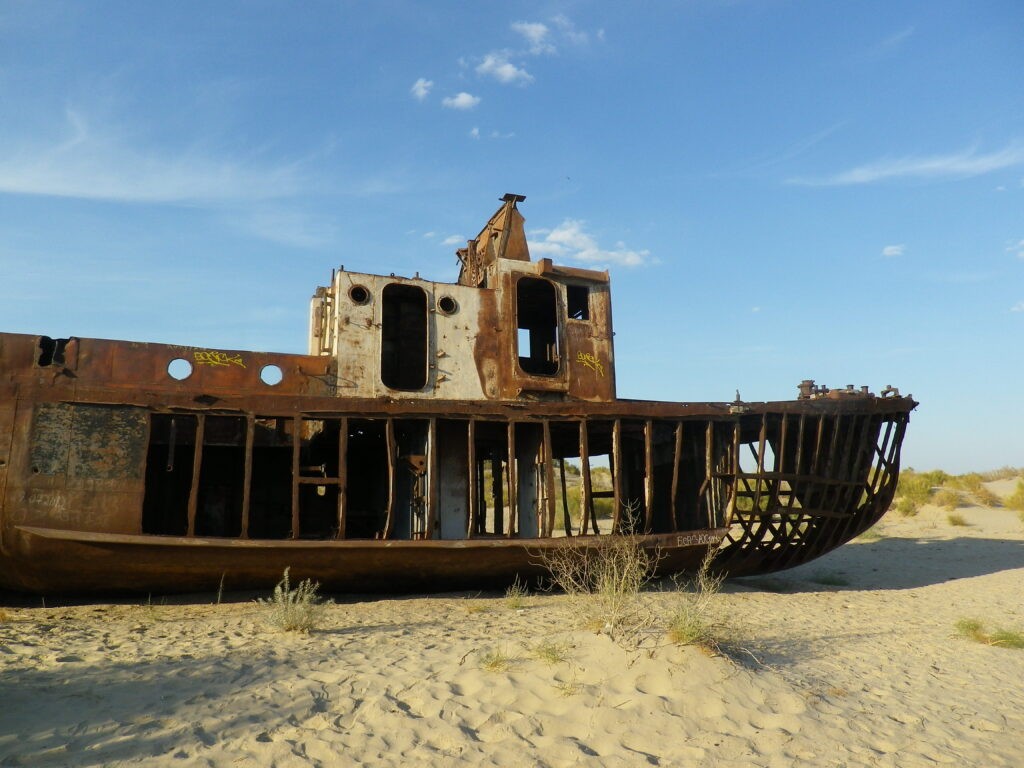
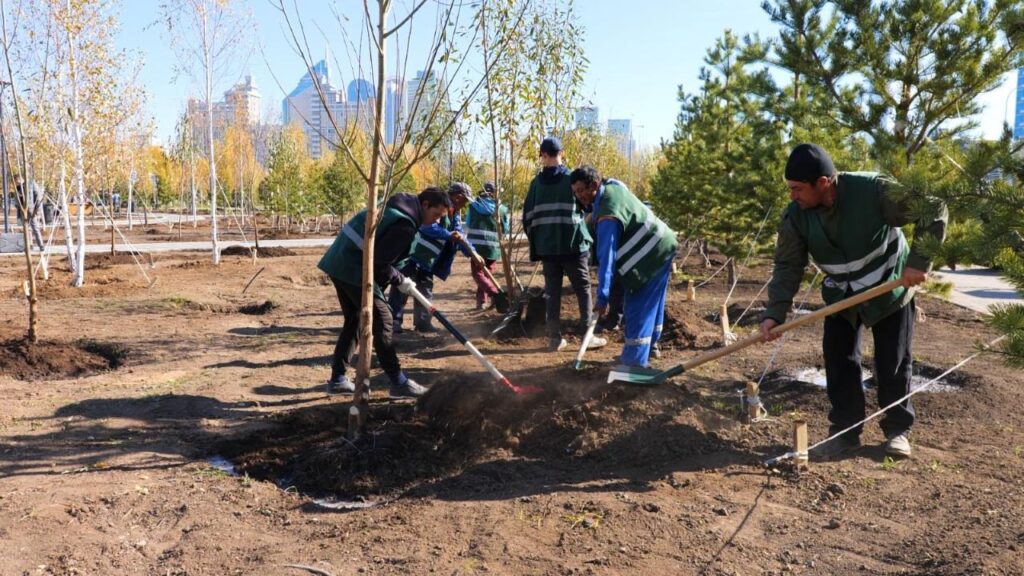
The government's press service reported that about 970 million saplings have been planted across Kazakhstan since 2021, and the country plans to plant over a billion more by the end of 2027. Minister of Ecology and Natural Resources Yerlan Nysanbayev said this at the October 8 government meeting on measures to expand the area under forests in Kazakhstan. Over the past five years, the area under forests in Kazakhstan has increased by 267,000 hectares. At the meeting, Prime Minister Olzhas Bektenov said: "The head of state has set the task of planting two billion trees, which will increase the forest area in the country to 14.5 million hectares. The expansion of forests and parks and the preservation of biodiversity for future generations are some of the priorities for improving the environmental situation. This is a very complex and long-term work. We need to make every effort to increase the area under forests and preserve the existing forests." The meeting focused on measures to protect forests from fires and illegal logging. Large wildfires in the past years have shown the forestry services' unpreparedness to counteract them. In this regard, the government is working to equip them with firefighting machinery and equipment. This year, 52 billion tenge ($106 million) has been allocated to purchase 1,384 pieces of firefighting equipment. Today, the early detection system of forest fires covers more than 900,000 hectares of forests. Its effectiveness has been proved by the example of the Burabay (Borovoye) National Park, where the average area of forest fires has been reduced 50-fold. According to Nysanbayev, another important issue is planting forests on the dried bottom of the Aral Sea. Over the past 30 years, trees and shrubs have been planted on more than 600,000 hectares of the former Aral Sea bed, including 413,000 hectares over the past four years.

Children’s Blood Lead Levels in Kyrgyzstan to be Investigated

Kyrgyzstan has started preparing for its first comprehensive study on blood lead levels in children between the ages of 1 and 6. This project is being implemented by the National Institute of Public Health, the National Center for Health Promotion and Mass Communication, and with the support of the Ministry of Health and the Department of Disease Prevention. The study will focus on three key areas. First, an information and education campaign to raise awareness among parents and healthcare providers about the risks of lead poisoning will be launched. Second, the prevalence of lead in children will be assessed to determine the extent of the problem. Third, the study will address environmental analysis to identify sources of lead contamination. Exposure to lead is hazardous for children, as this toxic metal can cause serious health problems even at low levels of exposure. Lead affects brain development, leading to decreased cognitive function, developmental delays, behavioral issues, impaired learning, and reduced concentration ability. Children exposed to lead can also develop kidney and blood pressure problems. On September 26-27, in preparation for the project, specialists from the Health Promotion Cabinets attended a communications training where they studied theoretical and practical aspects of the impact of lead on the body, methods of prevention, and the importance of public awareness. The problem of lead contamination in Kyrgyzstan is still understudied despite many sources of contamination, including tailing ponds, old batteries, and cottage industries. The study is being conducted within the framework of the project “Reducing the Risk of Lead Poisoning in Children” and was made possible through the cooperation of Kyrgyzstan's Ministry of Health, the Pure Earth project, and the public association “ECOIS-Bishkek.” The results of this study will become the basis for the development of targeted programs aimed at minimizing the impact of lead on children's health.

Air Pollution Linked to One in Five Infant Deaths in Central Asia

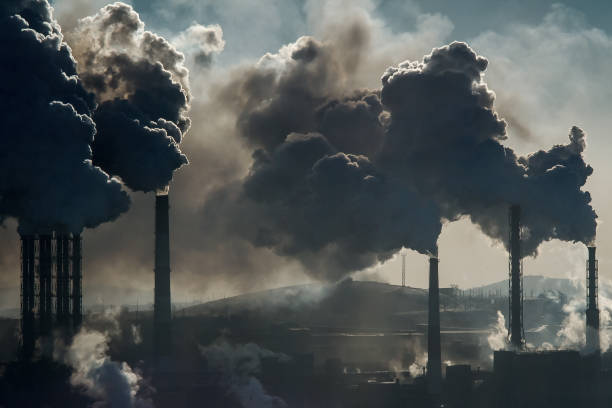
According to a report  by UNICEF, an estimated 6,441 children and teenagers died from causes attributable to air pollution in 23 countries across Europe and Central Asia in 2021. Statistics show that 85% of the children died in the first year of their lives, and one in five infant deaths were linked to air pollution. As stated in the report, “Most deaths were attributed to ambient and household fine particulate matter air pollution (PM2.5). And all of these deaths were preventable." In 2021, the region's children and teenagers lost more than 580,000 years of healthy life (DALYs) as a result of premature death and disability caused by air pollution. Compared to other environmental factors, including high temperatures, unsafe water, and poor sanitation,  polluted air has been found, by far, the most life-threatening. Exposure to PM2.5 air pollution is also associated with higher rates of miscarriage, early fetal loss, preterm birth, and low birth weight and in pregnant women, increases the risk of gestational diabetes, high blood pressure, and postpartum depression. By restricting fetal growth, air pollution can significantly increase the risk of disease, heart defects, pneumonia, asthma, eczema, allergies, and high blood pressure.   Even before birth, air pollution can harms a child’s lungs, brain, and organs, affecting cognitive development and raising the risk of respiratory diseases throughout the child's life. Since children breathe more air relative to their body weight, they absorb more pollutants than adults, and for this reason, newborns are especially vulnerable to pneumonia, a leading cause of infant death. Air pollution in Europe and Central Asia, especially from PM2.5 and PM10 particles, is mainly caused by the use of fossil fuels in homes, businesses, and institutions. Coal is especially harmful to children’s health. Energy sources vary between and within countries depending on power supplies and infrastructure. High levels of air pollution from the use of coal for residential heating in winter, coupled with the interaction of ambient air pollution with indoor air pollution in homes, schools, health care facilities, etc., are cited by UNICEF as the primary sources of exposure for children. UNICEF notes the importance of the region's governments and institutions focusing more attention and resources to air pollution prevention, energy efficiency, clean energy use, supporting clean air measures, and protecting children from exposure. The organization also emphasizes the need to develop air quality warning systems and corresponding action plans for schools and kindergartens in Europe and Central Asia. Last but not least, as a measure to improve air quality, UNICEF recommends enhancing data collection to better understand local pollution, campaigns promoting clean energy and energy efficiency in homes, and a strict smoking bans in indoor public spaces. High levels of air pollution observed in Central Asian countries is ongoing and the subject of several articles previously covered by The Times of Central Asia.

Better Buses Help Air Quality in Bishkek to Improve

Officials claim that the air quality in Kyrgyzstan’s capital, Bishkek, has significantly improved over the last two years due to the ongoing renewal of the municipal transport fleet, switching residential heating from coal to natural gas, and extinguishing the sanitary landfill near Bishkek that had burned for decades. Chyngyzbek Abdymalik Uulu, an atmospheric air specialist at the Kyrgyz Ministry of Natural Resources, Ecology, and Technical Supervision, told Birinchi Radio that the primary sources of air pollution in Bishkek were low-quality coal, exhaust gases from motor transport, and the burning of municipal solid waste at the city landfill. The official says that, in large part, the air quality has improved due to the decreasing number of minibuses on Bishkek streets. Over the past 30 years, "markhrutka" minibuses — mainly aged Mercedes minivans — have been the primary type of municipal transport in Bishkek, vastly surpassing in number the limited fleet of large buses and trolleybuses. Running on diesel, these old marshrutkas spew harmful gases into the atmosphere and congest city traffic, since they stop anywhere on demand. Abdymalik Uulu said more than 3,000 minibuses ran in the capital until 2022. After their number was reduced over the last two years, diesel fuel consumption decreased by 100 tons daily. The Bishkek municipality has now removed the minibuses from the central part of the city and replaced them with large buses running on liquefied natural gas. In 2023, Bishkek purchased a thousand large buses from China, which have been arriving in the capital city in batches over the past year. Today, the municipal fleet has 1,200 buses. In addition, by the end of 2024, the city will receive 100 12-meter-long buses, and 120 electric buses will arrive in the second quarter of 2025. Both officials and analysts agree that renewing the municipal transport fleet will improve the air quality in Bishkek. Abdymalik Uulu added that gasification is another reason for the improved air quality. To date, about 20,000 households have been connected to natural gas networks, which has decreased coal burning by 58,000 tons. Also, he said, all of Bishkek’s 74 large boiler houses that used to burn large amounts of coal daily have now been converted to electricity and natural gas. Finally, the Bishkek sanitary landfill, which burned for decades and released large volumes of harmful emissions, has been completely extinguished.

Doctors in Turkmenistan Ordered Not To Perform Abortions

Turkmenistan has imposed severe restrictions on conducting abortions, effectively banning them. In recent weeks, government officials have been visiting hospitals and clinics, and warning doctors that they will be stripped of their diplomas if they do. According to Radio Azatlyk, sources from different regions of the country say that doctors have been forced to refuse women seeking abortions, even though the law allows it within the first five weeks of pregnancy. The authorities have not commented on the reasons for yet another tightening of measures to prevent abortions. However, according to several doctors in Ashgabat, it may be due to a sharp increase in teenage pregnancies. At the same time, doctors note that many young girls, unable to have a legal abortion, resort to dangerous methods of terminating pregnancy, resulting in serious risks to their health. Despite the bans, there are still doctors who continue to perform abortions clandestinely. The cost of such services has increased significantly, and varies depending on the term of the pregnancy.

UN Launches Projects to Improve Health and Environment in the Aral Sea Region

The UN has launched two new projects to address environmental and health issues in Karakalpakstan, Uzbekistan. These projects are “Enhancing Climate-Resilient and Safe Water, Sanitation, Hygiene, and Health Services for the Most Affected Communities in Four Districts of Karakalpakstan,” and the joint project between its development programme (UNDP) and its food and agriculture organization (FAO), "Building Knowledge and Skills of Local Partners and Communities to Address Environmental Insecurities through Innovative Air, Land, and Water Management Solutions in the Aral Sea Region.” “The launch of these projects marks a significant milestone in our collective efforts to address the Aral Sea Region's profound environmental and health challenges," said Sabine Machl, the UN's Resident Coordinator in Uzbekistan. "By fostering resilience through innovative solutions in water management, health services, and community empowerment, we are laying the groundwork for a sustainable future in Karakalpakstan.” The project between the UNDP and FAO aims to increase the knowledge and skills needed by local partners and communities to solve environmental security problems. It also aims to develop practical solutions for managing air, land and water, enabling communities to adapt to and mitigate climate change. In addition, within the project's framework, special attention will be paid to introducing new approaches to water treatment, forest restoration, and soil stabilization in the region. These activities have the potential to directly benefit over 376,000 residents of the three northern districts of Moynaq, Kungrad, and Takhtakupir in Karakalpakstan, particularly women in at-risk communities. The indirect impact will extend to 200,000 more people and build on the results of the previous projects. On 16 August, the UN programme “Laying the Foundations for People-Centered, Climate-Resilient Primary Health Care and Water, Sanitation, and Hygiene Practices at Healthcare Facilities and Schools” was officially completed. During his visit to Karakalpakstan on August 19, Uzbek President Shavkat Mirziyoyev announced the establishment of the Aral Sea Region International Innovation Center to improve the ecosystem and create new varieties and seeds in a saline, water-less environment. $80 million will be allocated to mitigate the consequences of climate change in the Aral Sea region. The Times of Central Asia has published several articles about the problems arising from the drying up the Aral Sea and the work being done to combat this.