• KGS/USD = 0.01144 0%
  • KZT/USD = 0.00213 0%
  • TJS/USD = 0.10605 0.57%
  • UZS/USD = 0.00008 0%
  • TMT/USD = 0.28530 0%
  • KGS/USD = 0.01144 0%
  • KZT/USD = 0.00213 0%
  • TJS/USD = 0.10605 0.57%
  • UZS/USD = 0.00008 0%
  • TMT/USD = 0.28530 0%
  • KGS/USD = 0.01144 0%
  • KZT/USD = 0.00213 0%
  • TJS/USD = 0.10605 0.57%
  • UZS/USD = 0.00008 0%
  • TMT/USD = 0.28530 0%
  • KGS/USD = 0.01144 0%
  • KZT/USD = 0.00213 0%
  • TJS/USD = 0.10605 0.57%
  • UZS/USD = 0.00008 0%
  • TMT/USD = 0.28530 0%
  • KGS/USD = 0.01144 0%
  • KZT/USD = 0.00213 0%
  • TJS/USD = 0.10605 0.57%
  • UZS/USD = 0.00008 0%
  • TMT/USD = 0.28530 0%
  • KGS/USD = 0.01144 0%
  • KZT/USD = 0.00213 0%
  • TJS/USD = 0.10605 0.57%
  • UZS/USD = 0.00008 0%
  • TMT/USD = 0.28530 0%
  • KGS/USD = 0.01144 0%
  • KZT/USD = 0.00213 0%
  • TJS/USD = 0.10605 0.57%
  • UZS/USD = 0.00008 0%
  • TMT/USD = 0.28530 0%
  • KGS/USD = 0.01144 0%
  • KZT/USD = 0.00213 0%
  • TJS/USD = 0.10605 0.57%
  • UZS/USD = 0.00008 0%
  • TMT/USD = 0.28530 0%

Viewing results 1087 - 1092 of 3347

Kazakhstan’s Digital Exports Expand

Kazakhstan exported $471 million worth of IT services to 95 countries during the first nine months of last year, according to Zhaslan Madiyev, Minister of Digital Development, Innovation and Aerospace Industry (MDDIAI). The primary driver of export revenue in Kazakhstan's IT services market is Astana Hub, the largest international technology park for IT startups in Central Asia, located in the country's capital. Astana Hub is home to over 1,500 companies, including 400 international firms. In 2024, its total revenue reached 620 billion KZT ($1.1 billion), with export revenue amounting to 227 billion KZT ($428 million) across 92 countries. Additionally, the products of JSC "National Information Technologies" (NIT JSC), the operator of Kazakhstan’s “e-government” infrastructure, have also entered global markets. According to Madiyev, NIT JSC’s main exported products include Smart Data Ukimet, Smart Bridge, and Gov.kz: Smart Data Ukimet: An information-analytical platform designed for the secure collection, storage, and analysis of data from government information systems. Smart Bridge: A platform that simplifies integration processes between government agencies and private businesses through a "service showcase" model. Gov.kz: A unified platform for the online resources of government agencies. The export of Kazakhstan’s digital public services (GovTech) reached $2.7 million, with these solutions currently supplied to Tajikistan, Togo, and Sierra Leone. In addition to GovTech, Kazakhstan’s IT exports also include software, computer games, fintech solutions, and marketplaces. Among the largest exporters are five software developers, three computer game companies, one fintech firm, and one marketplace. “Most of the major exporters are foreign companies that have relocated to Kazakhstan, creating new jobs in major cities and regions, as well as contributing to export revenue,” said Madiyev. Kazakhstan has made significant strides in developing its IT infrastructure. The country now boasts 20 regional IT hubs that work closely with Astana Hub, fostering innovation across the nation. Furthermore, Kazakhstan is establishing an international network of IT hubs by opening IT offices in the United States, Saudi Arabia, Singapore, and the United Kingdom. “Kazakhstani startups now have foreign infrastructure to attract investment and expand their export markets,” said Madiyev. The minister also announced the launch of a fund of venture capital funds under the jurisdiction of the International Financial Center Astana (MFCA), based at Astana Hub. This fund, with an expected capital of $1 billion, will finance IT startups in Kazakhstan. As previously reported by The Times of Central Asia, Kazakhstan is home to 12 regional IT hubs that are actively contributing to the country’s growing digital economy.
Kyrgyzstan’s Keremet Bank Restricts Use of Visa Cards Following U.S. Sanctions

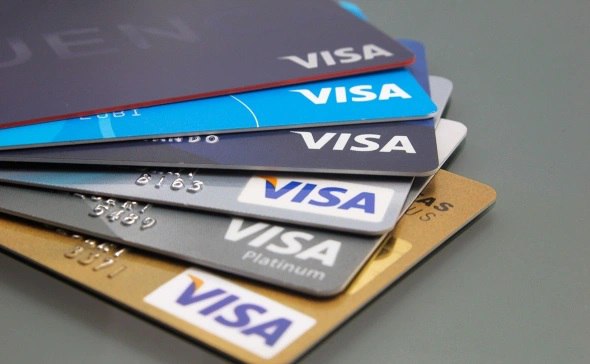
Keremet Bank, a commercial bank in Kyrgyzstan recently subjected to U.S. sanctions, has announced new restrictions on the use of its Visa cards. The announcement was issued through the bank’s press service. As per the official statement, Visa cards issued by Keremet Bank can now only be used at the bank's ATMs, POS terminals, and other payment devices. To provide customers with an alternative, the bank is offering free issuance of cards under the national payment system, Elkart. The process for obtaining an Elkart card will take up to five working days in Bishkek and up to ten days in other regions. The bank reassured its clients that their funds remain secure. Customers can withdraw money at the nearest branch by presenting a valid passport or transferring funds through the mobile application to Elkart cards or settlement accounts. The U.S. Treasury Department imposed sanctions on Keremet Bank, citing alleged ties to Russian authorities and collaboration with Promsvyazbank, a Russian financial institution that has been under U.S. restrictions since 2022.

Uzbekistan’s Foreign Trade Turnover Grows by 3.8% in 2024

Uzbekistan’s foreign trade turnover (FTT) reached $65.9 billion in 2024, reflecting an increase of $2.4 billion, or 3.8%, compared to the previous year, according to the Statistics Agency under the President of the Republic of Uzbekistan. Exports totaled $26.95 billion, an 8.4% increase year-on-year, while imports amounted to $38.99 billion, representing a modest rise of 0.8%. China and Russia remain Uzbekistan’s top trading partners, with Kazakhstan emerging as a key partner in third place. Uzbekistan conducts trade with 198 countries, with China accounting for 18.9% of its FTT, followed by Russia (17.6%), Kazakhstan (6.5%), Turkey (4.5%), and South Korea (3.0%). Trade with state members of the Eurasian Economic Union (EAEU) reached $17.5 billion in 2024. Of this, $5.83 billion came from exports, while imports amounted to $11.66 billion. In 2024, natural gas trade played a significant role in Uzbekistan’s foreign trade activities. The country exported $628 million worth of gas but imported $1.68 billion worth, more than 2.5 times the value of its exports. Gas imports rose sharply, increasing 2.4 times compared to 2023. Purchases of natural gas from Turkmenistan and Russia surged from $694.9 million in 2023 to $1.68 billion in 2024.

Kazakhstan Aims to Boost Agricultural Exports to Russia

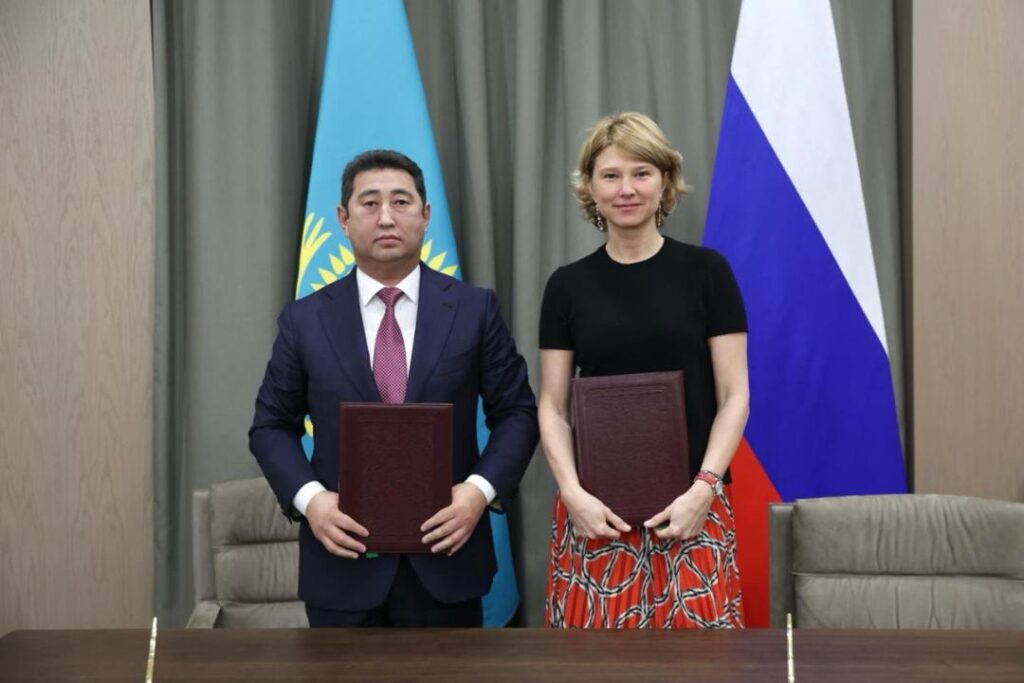
Kazakhstan is seeking to expand its agricultural exports to Russia as part of efforts to strengthen bilateral trade ties. On January 21, Minister of Agriculture Aidarbek Saparov met with his Russian counterpart Oksana Lut in Moscow to discuss lifting restrictions on the import and transit of agricultural products. Trade turnover in agricultural goods between the two countries reached $3.4 billion from January to November 2024, marking a 4.3% increase compared to the same period in the previous year. According to Saparov, Russia remains Kazakhstan's largest trading partner in the agricultural sector. Over the first 11 months of 2024, Kazakhstan’s agricultural exports to Russia totaled $502.9 million. “Kazakhstan is interested in increasing the presence of its agricultural products on the Russian market,” Saparov said. In recent months, both countries have made progress in easing trade restrictions. Kazakhstan has lifted all restrictions on Russian agricultural products, while Russia this month removed temporary bans on tomato imports from 36 Kazakh enterprises. Discussions are ongoing to further relax restrictions on the import and transit of Kazakh livestock and plant products. The Moscow meeting concluded with the signing of an action plan to enhance Russian-Kazakh agro-industrial cooperation. Key elements of the plan include: Preparing a joint project to establish an agrobiotechnopark. Creating a favorable framework for mutual food supplies. Finalizing the integration of veterinary and phytosanitary control information systems. These measures are expected to strengthen agricultural trade between the two countries and support the development of new joint projects in the agro-industrial sector.

Kazakhstan Completes International Visits Ahead of Nuclear Power Plant Construction

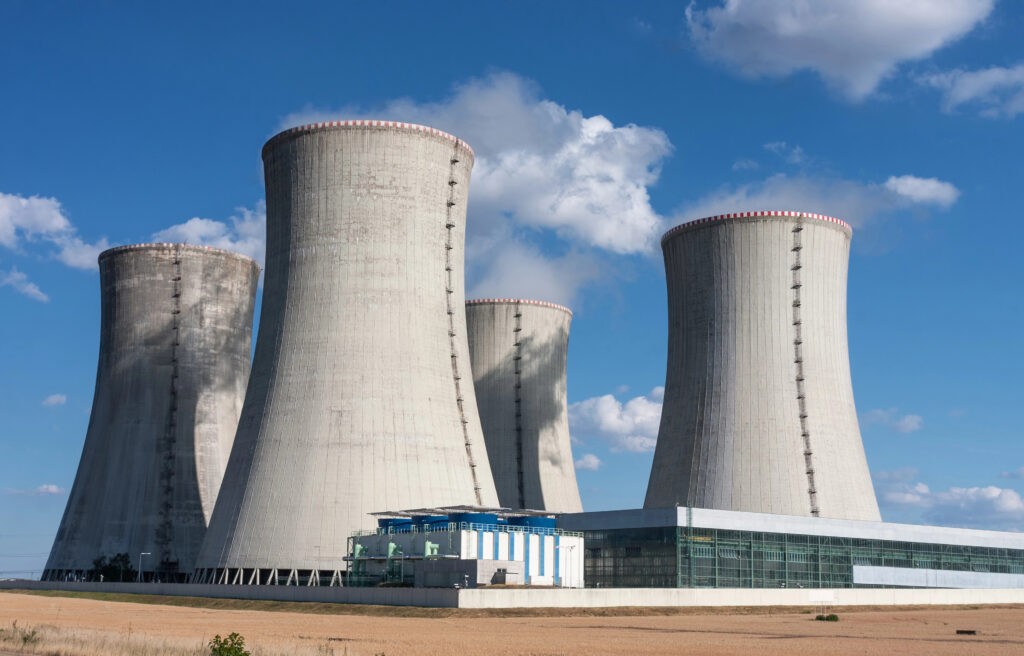
Kazakhstan has completed a series of international visits to evaluate technologies for its planned nuclear power plant (NPP). On January 21, 2025, a Kazakh delegation led by Energy Minister Almasadam Satkaliyev visited Russia to assess the operations of Generation 3+ nuclear power units at the Leningrad NPP. During the visit, the delegation examined key components of the plant, including its control systems, turbine hall, laboratory facilities, and cooling system. Particular focus was placed on the VVER-1200 reactor, the flagship project of Russia's state nuclear corporation, Rosatom. This visit marked the final stage of Kazakhstan’s review process of potential suppliers for the NPP. From October to December 2024, Kazakh specialists also visited South Korea, France, and China. As a result, the final list of candidate suppliers includes Russian Rosatom, Korean KHNP, Chinese CNNC, and French EDF. While in Russia, the Kazakh delegation also consulted with Leningrad NPP management and visited the satellite town of Sosnovy Bor, a scientific and engineering innovation hub. The Leningrad NPP is Russia’s largest by installed capacity and features two types of reactors: uranium-graphite RBMK and water-water VVER. “We have completed a series of working visits dedicated to studying advanced nuclear power technologies. Familiarization with the operation of Leningrad NPP allowed us to study in detail the key aspects of operation, the safety of the plant, and its impact on the environment,” Energy Minister Satkaliyev stated. The final decision on the supplier or consortium to construct the NPP will be made in 2025. This decision will take into account Kazakhstan’s national interests, its international obligations, and recommendations from the International Atomic Energy Agency (IAEA). Kazakhstan’s first nuclear power plant is set to be built in the village of Ulken on the shores of Lake Balkhash. The project is intended to address the country’s growing power shortages and reduce greenhouse gas emissions. Potential partners from China, Russia, South Korea, and France are being considered, and the project is expected to be financed through foreign loans.

eBay Officially Registers for Tax Purposes in Uzbekistan

The American e-commerce giant eBay has officially registered for tax purposes in Uzbekistan, according to UzDaily. As a result, eBay will now pay value-added tax (VAT) on its services in the country. Other global companies, including Netflix, Amazon, Google, Apple, and Zoom, are also registered with Uzbekistan’s special tax office for foreign digital companies. In total, 64 foreign companies are currently complying with the country’s VAT requirements. The Tax Committee of Uzbekistan reported that 61 foreign companies providing electronic services contributed 101.9 billion UZS (approximately $7.89 million USD) in taxes to the national budget between January and September 2024. This represents a 2.1-fold increase compared to the same period in 2023, highlighting the growing importance of foreign digital service providers in Uzbekistan's economy. In December 2024, Uzbekistan introduced new regulations requiring all companies providing e-commerce services to register as legal entities in the country. Despite their tax registrations, major platforms like eBay and Amazon have not yet established physical offices in Uzbekistan, raising questions about their long-term plans for expanding operations in the local market. In related news, The Times of Central Asia previously reported that Binance, one of the world’s largest cryptocurrency exchanges, will officially begin offering services to users in Uzbekistan. This move underscores the country’s growing focus on integrating global digital platforms into its economy. eBay’s registration for VAT in Uzbekistan marks another step in the country’s efforts to regulate and tax the growing digital economy. As more global companies comply with Uzbekistan’s tax requirements, questions remain about whether these platforms will deepen their presence in the country by establishing local offices.