• KGS/USD = 0.01144 0%
  • KZT/USD = 0.00204 0%
  • TJS/USD = 0.10398 0%
  • UZS/USD = 0.00008 0%
  • TMT/USD = 0.28490 0%
  • KGS/USD = 0.01144 0%
  • KZT/USD = 0.00204 0%
  • TJS/USD = 0.10398 0%
  • UZS/USD = 0.00008 0%
  • TMT/USD = 0.28490 0%
  • KGS/USD = 0.01144 0%
  • KZT/USD = 0.00204 0%
  • TJS/USD = 0.10398 0%
  • UZS/USD = 0.00008 0%
  • TMT/USD = 0.28490 0%
  • KGS/USD = 0.01144 0%
  • KZT/USD = 0.00204 0%
  • TJS/USD = 0.10398 0%
  • UZS/USD = 0.00008 0%
  • TMT/USD = 0.28490 0%
  • KGS/USD = 0.01144 0%
  • KZT/USD = 0.00204 0%
  • TJS/USD = 0.10398 0%
  • UZS/USD = 0.00008 0%
  • TMT/USD = 0.28490 0%
  • KGS/USD = 0.01144 0%
  • KZT/USD = 0.00204 0%
  • TJS/USD = 0.10398 0%
  • UZS/USD = 0.00008 0%
  • TMT/USD = 0.28490 0%
  • KGS/USD = 0.01144 0%
  • KZT/USD = 0.00204 0%
  • TJS/USD = 0.10398 0%
  • UZS/USD = 0.00008 0%
  • TMT/USD = 0.28490 0%
  • KGS/USD = 0.01144 0%
  • KZT/USD = 0.00204 0%
  • TJS/USD = 0.10398 0%
  • UZS/USD = 0.00008 0%
  • TMT/USD = 0.28490 0%

Viewing results 1879 - 1884 of 3002

USAID Launches $18 Million Program to Boost Economic Growth in Tajikistan

On 18 April, the United States Agency for International Development (USAID) launched a new initiative to support long-term economic opportunities in Tajikistan. Running for five years at a cost of $18 million, Employment and Enterprise Development Activity (EEDA) will partner local firms to improve productivity in the fields of textiles, food processing and IT through the adoption of innovative, green technologies, increased investment, and market linkages. According to a report from the U.S. Embassy in Tajikistan, the project will create 5,000 permanent jobs, assist 200 business start-ups in accessing finance, and leverage $10 million in private sector investment. In his address at the launch, USAID Tajikistan Mission Director Peter Riley stated, “It is crucial to foster innovation, drive economic growth, and create sustainable employment opportunities within the public and private entities. These partnerships underscore the shared goal of advancing Tajikistan’s economic landscape and ensuring prosperity for all stakeholders.”

Tajikistan and Uzbekistan Sign Allied Relations Treaty

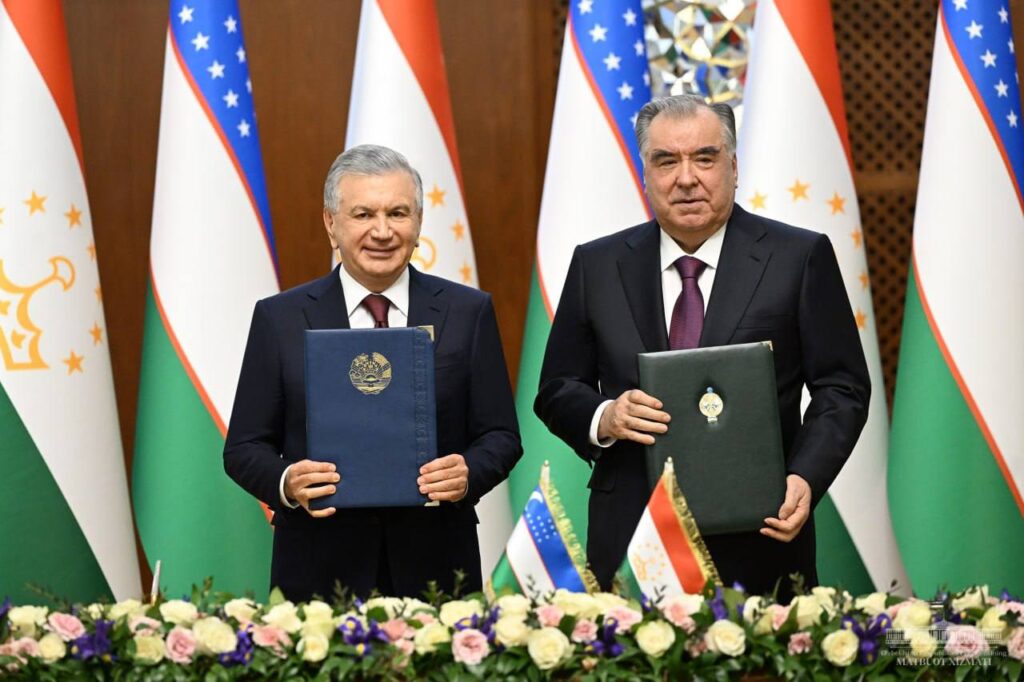
On April 18, Shavkat Mirziyoyev, President of Uzbekistan met Emomali Rahmon, President of Tajikistan in Dushanbe, where the two leaders signed a Treaty on Allied Relations between their countries. Referring to Tajikistan as Uzbekistan’s closest, most reliable, and time-tested strategic partner, Mirziyoyev announced, “The fraternal Uzbek and Tajik peoples are inextricably linked by strong bonds of centuries-old friendship. We are brought together by common history, cultural and spiritual values, traditions, and customs.” He went on to emphasize the enormous significance of the Treaty on Allied Relations saying, “With this step, we confirmed our strong mutual commitment to an irreversible course towards deepening the multifaceted Uzbek-Tajik strategic partnership and alliance. Without any exaggeration, this important document will mark a new historical milestone in bilateral relations.” Adding that the Treaty takes Tajik-Uzbek relations to a qualitatively new level, President Rahmon stated, “This document will also become an important factor in strengthening peace and stability in our region – Central Asia” On the eve of Mirziyoyev’s visit, a Tajik-Uzbek business forum resulted in a solid portfolio of new cooperation projects and trade contracts in mechanical engineering, electrical engineering, energy, mining, agricultural, textile and pharmaceuticals industries. During the Tajik-Uzbek talks it was reported that in recent years, bilateral trade turnover has increased 40-fold and the number of joint ventures has grown 15-fold. Tajikistan and Uzbekistan have now raised the bar by setting a target to increase trade turnover to $2 billion by expanding the exchange of supplies and launching cross-border trade zones.

Kazakhstan Increases Amount of Claim Against Western Oil Companies to $150 Billion

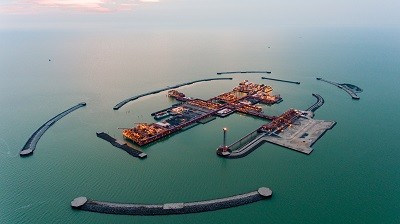
Kazakhstan is demanding compensation for lost profits from the operating consortium of the Kashagan oil field, North Caspian Operating Co (NCOC). Arbitration claims made by Kazakhstan have grown to $150 billion, Bloomberg reports, citing people familiar with the story. An additional claim concerns $138 billion of lost profits stemming from volumes of oil promised to the Kazakh government but not provided by the developers of the field due to delays in Kashagan's startup and production growth. According to the Bloomberg's source, Kazakhstan's claims are also related to problems with the infrastructural arrangement at the Kashagan field, disruptions of production deadlines and cost overruns. "There is another compensation claim related to contracts for the development of Kashagan. They allegedly saw signs of corruption in [the contracts]," the source told Bloomberg. The international scandal underscores the complexity of operating in Central Asia's largest oil-producing country, according to Bloomberg. "Here, large international companies face difficult environmental and geological conditions, as well as a government that is committed to maximizing profits from signed production-sharing agreements," reads the article. Despite the published information, the Ministry of Energy of Kazakhstan isn't disclosing the details of the conflict, calling it a purely commercial dispute. The parties in the consortium NCOC, which includes Eni, Total, ExxonMobil, Shell, China National Petroleum Corp. (CNPC), Japan's Inpex and Kazakh state oil & gas producer, KazMunayGas, believe that they have acted in accordance with the contractual agreements. Earlier, Kazakhstan filed a number of claims in international arbitration against the operators of the Kashagan and Karachaganak oil fields. The claims cover the period from 2010 to 2019.

Uzbekistan Planning to Abandon State Regulation of Coal Prices

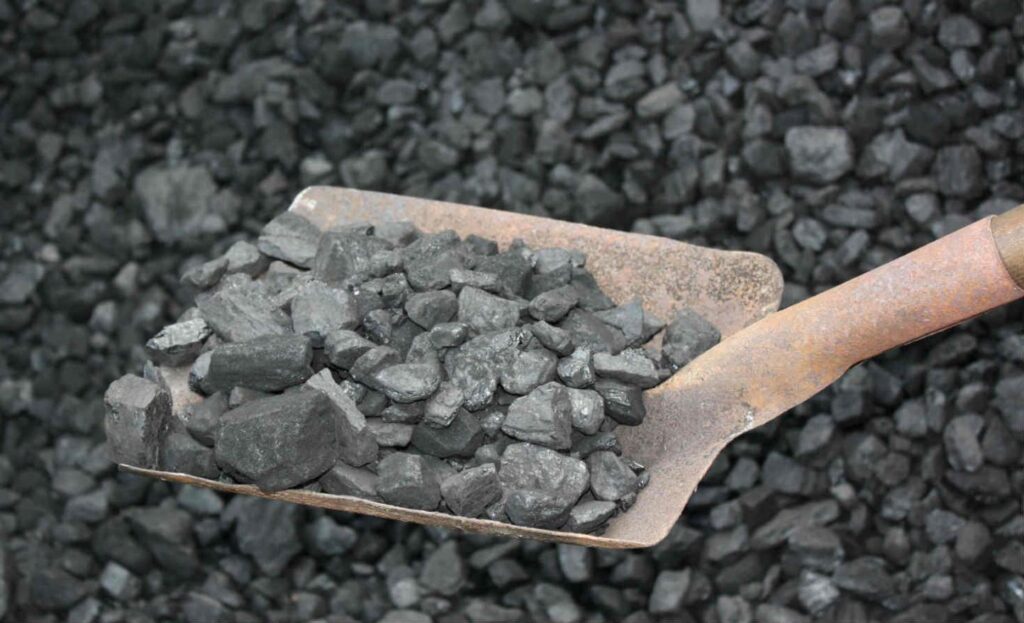
A decision to end Uzbekistan's price caps on coal has been made against the background of rising costs for electricity. To date, hard coal in the country is a social commodity, which is sold to the population at fixed prices. Currently, coal is sold under direct contracts to the population, state organizations and thermal power plants, and because it's included in the list of socially important goods, its price is regulated by the state. Wholesale and retail prices for coal are considered and approved by the Interdepartmental Commission on Tariffs at least once a year (valid through June 1). Retail coal is sold to the population through coal warehouses run by the state company "Kumir ta'minot". The Ministry of Energy, together with other agencies, has a mandate to make proposals for the formulation of wholesale and retail prices "based on market principles" within a month. In 2023 Uzbekistan's coal production rose to 6.19 million tons, up 15.5% from the previous year. However, imports also increased -- 3.1 million tons were purchased from Kazakhstan alone. At the beginning of this year, Uzbek president Shavkat Mirziyoyev instructed domestic mining companies to increase coal production by 22%, taking into account the needs of the population, social sphere and industries. According to experts, the potential of the coal industry is not being properly utilized. At the same time, coal combustion is the main air pollutant in Uzbekistan, especially in Tashkent, which has recently taken a leading position on the list of cities with the worst air quality. During the fall and winter period, greenhouses on the outskirts and industrial enterprises of the Uzbek capital massively use coal and fuel oil as heating and power generation fuel. This has led to a sharp deterioration of air quality indicators and an increase in respiratory diseases among citizens.

Air Travel Between Tajikistan and Russia Rebounding After Terrorist Attack

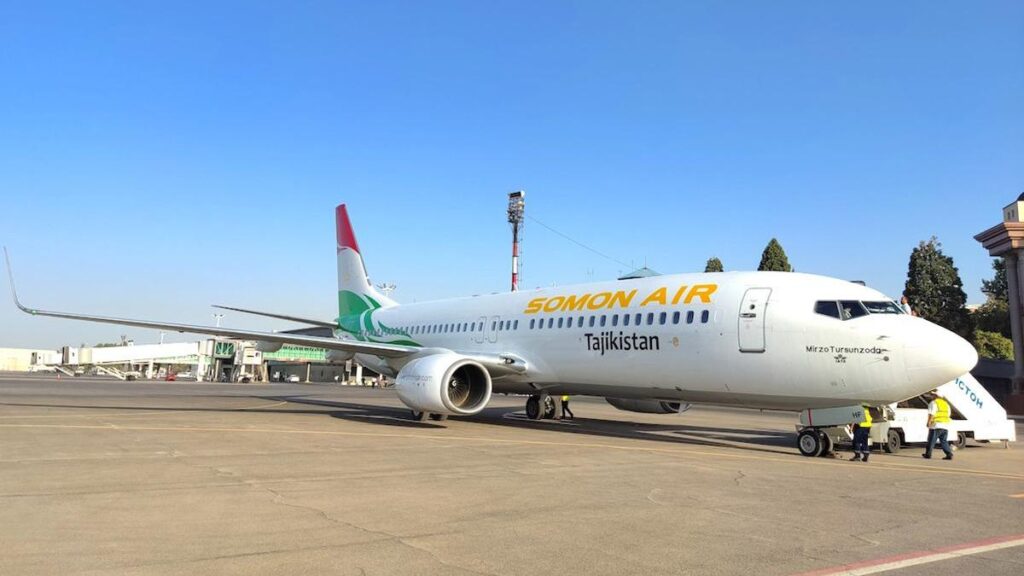
Passenger traffic on flights between Tajikistan and Russia decreased after the terrorist attack at Crocus City Hall near Moscow on March 22, which Tajik members of the Islamic State (IS) are suspected of perpetrating. But the news site Avesta reports that the flow of passengers between the two countries is increasing again. Tajikistan's national airline Somon Air has commented: “Currently, we are observing an increase in the flow of passengers to and from the Russian Federation compared to two weeks ago. We hope that by the end of the month, the flow of passengers will be fully restored to the previous level.” Representatives of Somon Air mentioned that they didn't reduce the number of flights to Russian cities in the wake of the terrorist attack and subsequent political friction, and that the frequency of flights on some routes actually increased. The airline operates approximately 130–140 flights between Tajikistan and Russian cities per month.

Market Capitalization of the Kyrgyz Stock Exchange Reaches Record Level

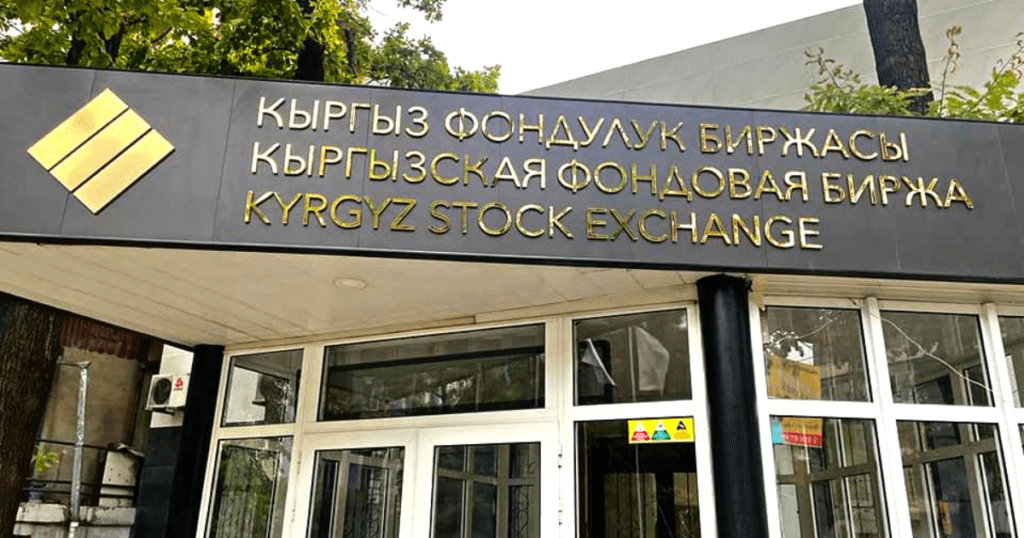
In a short period of time, the Kyrgyz Stock Exchange (KSE) has launched various financial instruments: a government securities market, a precious metals market, other commodities instruments, and a sustainable development sector, KSE President Medet Nazaraliev explained at a meeting with representatives of the business community. The head of the exchange said that businesses registered in Kyrgyzstan have begun to show interest in the opportunities of the KSE, and with increasing financial literacy, more and more companies are interested in issuing securities to raise funds. KSE's market capitalization, according to official data, reached a record high of $1.25 million in the first quarter of 2024. "In recent years, the country's stock market has seen growth in all indicators. For sustainable development, companies need to expand the sources of attracting investments, and today the stock market [helps] to attract investments by issuing shares, bonds, creating a public [market] history and increasing the reputation and recognizability of the company," said Nazaraliev. At the meeting with participants of the Kyrgyz Chamber of Commerce and Industry, representatives of the exchange emphasized that it is important to develop not only the securities sector, but also the commodities sector. "One of the important tasks of the stock market is to ensure a high level of liquidity of investments in securities, [and] guarantees of execution of transactions. I hope that in the future the stock exchange will become a place for mass transactions in the commodities sector, as well. All over the world, commodity exchanges help to quickly raise money to increase production of high-demand goods and realize the tasks of creating transparent pricing mechanisms, including for commodities. Exchange mechanisms prove to be effective in terms of developing competition and ensuring equal access to goods," said KSE Vice President, Aida Chodulova. Officials are preparing to launch a digital project which will allow citizens to invest in securities online. There are also plans to attract international investments. International ratings agency, S&P Global Ratings is scheduled to evaluate the activities of the KSE, and the Kyrgyz government and business community hope that this will help the Republic multiply its chances of attracting foreign capital through the exchange.