• KGS/USD = 0.01144 0%
  • KZT/USD = 0.00204 0%
  • TJS/USD = 0.10439 0%
  • UZS/USD = 0.00008 0%
  • TMT/USD = 0.28490 0%
  • KGS/USD = 0.01144 0%
  • KZT/USD = 0.00204 0%
  • TJS/USD = 0.10439 0%
  • UZS/USD = 0.00008 0%
  • TMT/USD = 0.28490 0%
  • KGS/USD = 0.01144 0%
  • KZT/USD = 0.00204 0%
  • TJS/USD = 0.10439 0%
  • UZS/USD = 0.00008 0%
  • TMT/USD = 0.28490 0%
  • KGS/USD = 0.01144 0%
  • KZT/USD = 0.00204 0%
  • TJS/USD = 0.10439 0%
  • UZS/USD = 0.00008 0%
  • TMT/USD = 0.28490 0%
  • KGS/USD = 0.01144 0%
  • KZT/USD = 0.00204 0%
  • TJS/USD = 0.10439 0%
  • UZS/USD = 0.00008 0%
  • TMT/USD = 0.28490 0%
  • KGS/USD = 0.01144 0%
  • KZT/USD = 0.00204 0%
  • TJS/USD = 0.10439 0%
  • UZS/USD = 0.00008 0%
  • TMT/USD = 0.28490 0%
  • KGS/USD = 0.01144 0%
  • KZT/USD = 0.00204 0%
  • TJS/USD = 0.10439 0%
  • UZS/USD = 0.00008 0%
  • TMT/USD = 0.28490 0%
  • KGS/USD = 0.01144 0%
  • KZT/USD = 0.00204 0%
  • TJS/USD = 0.10439 0%
  • UZS/USD = 0.00008 0%
  • TMT/USD = 0.28490 0%

Viewing results 1951 - 1956 of 2976

High-Profile Speakers Open B5+1 Forum in Almaty

The ‘B5+1’ platform – a group of countries comprising the five Central Asian republics and the United States – took an important step forward today, with the launch of the inaugural B5+1 Forum in Almaty.  Instrumental in the formation of the B5+1 group has been the Center for International Private Enterprise (CIPE), which aims to develop public-private partnerships in the Central Asia region. This new business platform has been created to help international and local companies to capitalize on opportunities in global business and trade – while assisting the six governments in attracting more direct foreign investment.  The theme of the opening day was “Looking within Central Asia”. It began with a panel discussion on boosting economic integration in the Central Asia region, drawing from the area's distinctive context, and successful examples like ASEAN and the EU. Recommendations, from panelists including Richard E. Hoagland of the Caspian Policy Center and Alisher Shaykhov from Uzbekistan’s National Venture Capital Fund, included integrating the region's value chain into the global economy, and promoting collaborative investment initiatives. The second panel offered perspectives from Central Asia’s business leaders. Panelists including B5+1 representatives Aziza Shuzheyeva (Kazakhstan, e-commerce) and Manusurjon Rasulev (Uzbekistan, agribusiness) gave insights into the region’s high-profile industries. Speakers advocated for policy synchronization in these sectors, as well as in tourism and trade, as a means to boost regional growth.  For the third panel, government officials voiced their support for enhancing public-private dialogue. Tajikistan was represented by its deputy minister for economy Ahliddin Nuriddinzoda; his counterpart Ainura Usenbekova spoke on behalf of Kyrgyzstan, and Turkmenistan’s minister of finance Serdar Jorayev also spoke at length. Their focus was on national reforms and regional integration. The B5+1 Forum forms part of CIPE’s program called “Improving the Business Environment in Central Asia” (IBECA). CIPE themselves are affiliated to the US Chamber of Commerce – the catalyst behind the B7 and B20 platforms – and receive funding from the US Department of State. The B5+1 Forum continues tomorrow, Friday 15 March, with a thematic day dedicated to “Central Asia’s place in the world economy”.
Uzbekistan’s Uranium Deposits Attract Foreign Investors

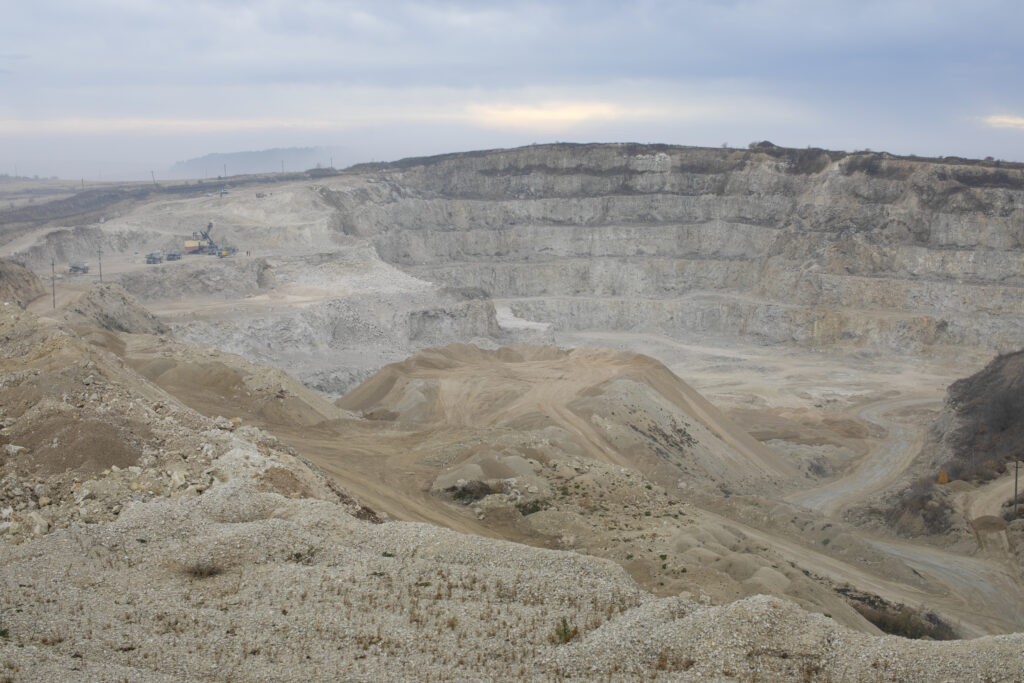
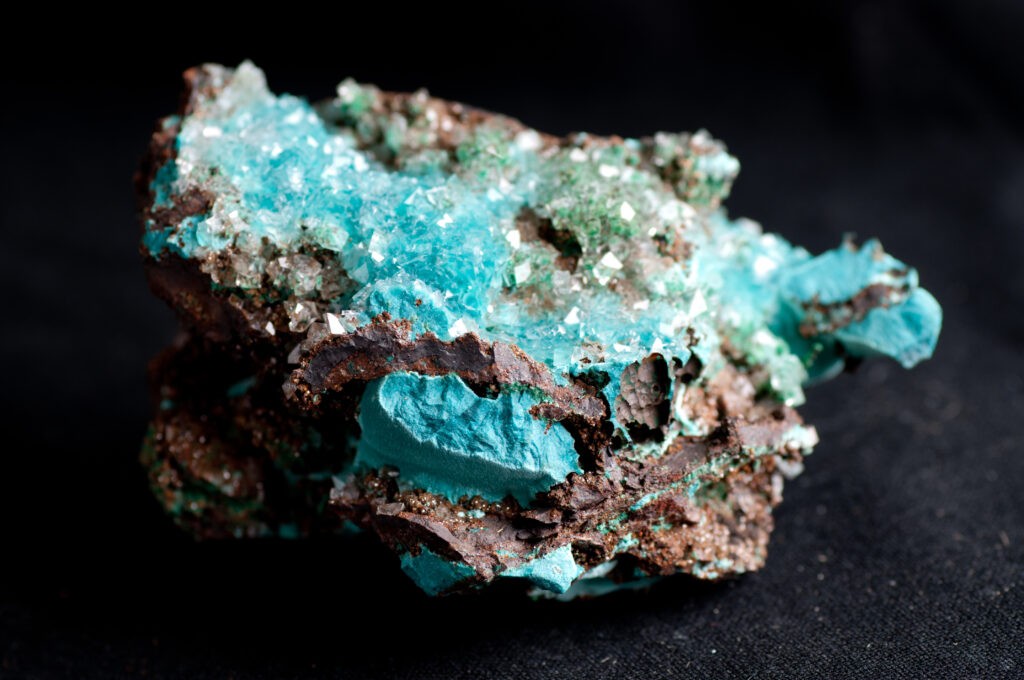
Representatives of the China Nuclear Uranium Corporation (CNUC) met with the general director of state company Navoiuran, Jamal Faizullaev, to discuss the possibility of mining black shale uranium at the Jantuar and Ma'danli deposits in the Navoi region of Uzbekistan. Samples have already been taken from the deposits to complete geological studies. According to the International Atomic Energy Agency (IAEA), Uzbekistan ranks seventh in the world in terms of uranium reserves, and fifth in terms of uranium production. Until 1991, all uranium mined and processed in Uzbekistan was shipped to Russia, but since 1992, virtually all Uzbek uranium has been exported to the U.S. and other countries through Nukem Inc. In 2008, South Korea's Kepco signed agreements to purchase 2,600 tons of uranium over six years through 2015 for about $400 million. In May 2014, China's CGN agreed to purchase $800 million worth of uranium through 2021. In November 2023, state-owned Navoiuran and China National Nuclear Corporation (CNNC) signed a memorandum of cooperation on uranium mining and processing. CNNC is the main investor in Chinese nuclear power plants. The company currently has 22 operating units, six units under construction, and is the largest uranium producer in China. Besides Chinese investors, Uzbek uranium reserves continue to attract other major market players. In January 2006, Russia's Techsnabexport, a subsidiary of JSC Atomredmetzoloto, signed a memorandum of understanding with Navoi Mining and Metallurgical Combine (NMMC) and the State Committee on Geology (Goskomgeologiya) to establish a joint venture for uranium mining at the (JV) Aktau deposit. The JV was originally scheduled to begin operations in late 2006, but after four years of negotiations, no agreement was reached, and Russia withdrew in mid-2010. In October 2007, Japan's Itochu Corporation agreed with NMMC to develop technology for the extraction and processing of black shale uranium  at the Rudnoye deposit. In mid-2008, Mitsui & Co. signed a basic agreement with Goskomgeologiya to establish a JV for geological research in the development of black shale uranium resources at the Zapadno-Kokpatasskaya mine, 300 km northwest of Navoi. Then, in mid-2009, Goskomgeologiya and the Japan Oil, Gas and Metals National Corporation (JOGMEC) signed an agreement on exploration for uranium and rare-earth metals in the Navoi region with the stipulation that JOGMEC receive 50% of the extracted raw materials. In August 2013, JOGMEC received a license for uranium exploration at two sandstone deposits for a period of five years. During the November 2023 state visit by French President Emmanuel Macron to Uzbekistan, President Shavkat Mirziyoyev held a meeting with Orano Chairman, Claude Imoven. The meeting discussed the prospects of cooperation with the French company in the field of geological exploration and uranium mining in Uzbekistan. France's Orano is the world's largest producer of uranium and nuclear fuel, with assets totaling €29 billion. Uzbekistan's uranium production increased to 3,560 tons in 2022 from 2,385 tons in 2015. Furthermore, President Mirziyoyev has approved an ambitious uranium production target of 7,100 tons in 2030.

Kazakhstan’s Potential to Overtake China in Production of Rare-Earth Metals

Kazakhstan has become a major participant in the international race for the extraction of valuable rare-earth metals or rare-earth elements (REEs). According to an https://asiatimes.com/ interview with international development expert Javier Piedra, the republic can not only compete with China -- but even overtake it in terms of production. Mr. Piedra, a financial consultant and former representative of the U.S. Agency for International Development (USAID), reported that China currently controls 70% of the global production REEs. He also explained that because of China's tense relations with the West, Kazakhstan was in an advantageous position to develop its domestic industry in the sector. In a report by the Asia Times, Piedra stated, "Kazakhstan could be on par with China in mining such rare earth elements as scandium, yttrium and 15 lanthanides, which are used in the production of computers, turbines and cars." European and American investors are actively seeking opportunities to develop the industry outside China, and the republic's subsoil, rich in rare metals, can provide a highly valuable resource to industries such as technology and manufacturing. In addition to Western countries, India also stands to benefit from the extraction of Kazakhstan's rare earth elements and according to the Indian business press,the republic could already cover India's demand for REEs. The REE potential of Kazakhstan has been known since 2010 but was largely ignored by foreign investors in preference to developing their businesses in China. Extraction of REEs is an expensive and financially risky business. Exploration for deposits is similarly costly and markedly time consuming. However, the strategic importance of rare metals is growing. As claimed by Piedra in the Asian Times, everything may well change; "Western governments should identify alternative suppliers, including Kazakhstan, to reduce possible risks for investors and the likelihood of supply disruptions." The U.S. and the European Union (EU) are now poised to invest heavily in large-scale mining projects and are exploring alternative supply channels. Today, all consumption of yttrium and scandium in the United States depends on imports -- and the EU imports 98% of its rare metals from China. . Last September, New York hosted a presidential summit at which representatives from Kazakhstan, Kyrgyzstan, Turkmenistan, Uzbekistan and the U.S. discussed the exploration and production of critical rare metals. Mr. Piedra believes that Kazakhstan is ready to benefit from its reserves of REEs but mining would first need to be updated to meet current environmental requirements. Care would also be required when choosing potential investors. "Astana will be wary of diplomats, foreign consultants and miners with an outdated view of the world and unfounded geopolitical ambitions. Central Asian countries will discourage attempts to penetrate them 'through the back door.' Such tricks may have worked in the 90s, but not now," warned Piedra via Asia Times. Meanwhile, Kazakhstan's authorities continue to explore opportunities to utilize rare-earth deposits. Last November in Astana, Kassym-Jomart Tokayev and Emmanuel Macron discussed the extraction of strategically important minerals, and last month an alternative dialogue was held between the presidents of Kazakhstan and the...

Kazakhstan and China to Expand Trade and Economic Cooperation

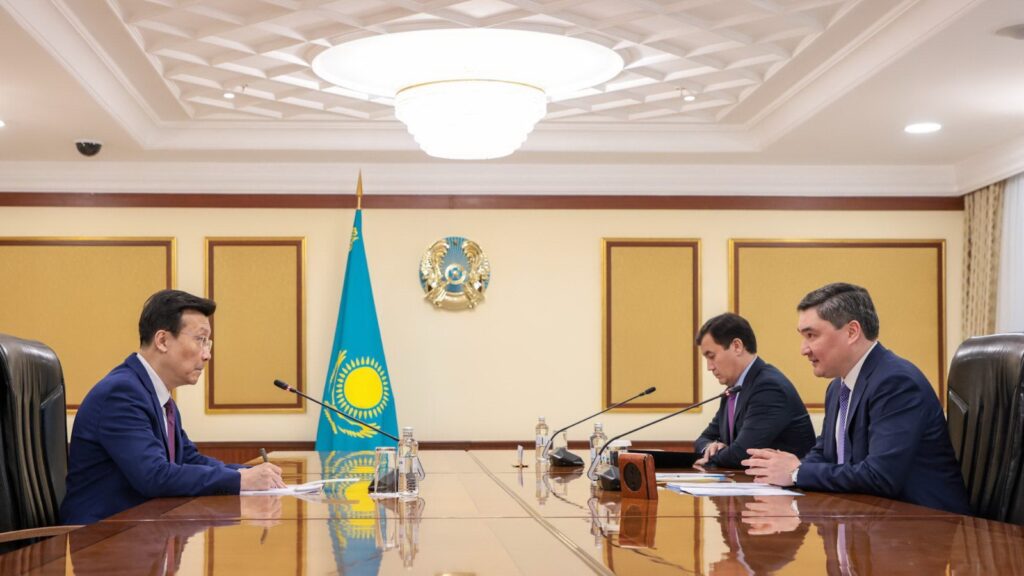
Further steps to eliminate restrictions in mutual trade, remove administrative barriers, and simplify customs procedures were discussed by the Prime Minister of Kazakhstan Olzhas Bektenov and Chinese Ambassador to Kazakhstan Zhang Xiao on March 13th. Related issues included the expansion of Chinese cargo transit via Kazakhstan along the Trans-Caspian International Transport Route, and plans to increase the supply of Kazakh agricultural produce to the Chinese market. Trade turnover between Kazakhstan and China grew by 30% last year to $31.5 billion. Over 9 months in 2023, Chinese investments in Kazakhstan’s economy amounted to $1.4 billion and 45 joint Kazakh-Chinese projects worth over $14.5 billion are currently under implementation. In January-February 2024, the volume of Chinese container traffic through Kazakhstan increased 2.6-fold, demonstrating the potential for further expansion, joint investment, and diversification of trade. The Kazakh prime minister hailed the rise in trade and economic partnership between the two countries and the successful operation of some 3,000 joint companies in Kazakhstan, with the added recommendation that future joint Kazakh-Chinese projects focus on marketable high-tech products. The Chinese ambassador confirmed the potential for cooperation in the above alongside projects on agriculture and energy transfer.

Uzbekistan Foreign Minister Visits Afghanistan to Boost Economic Ties

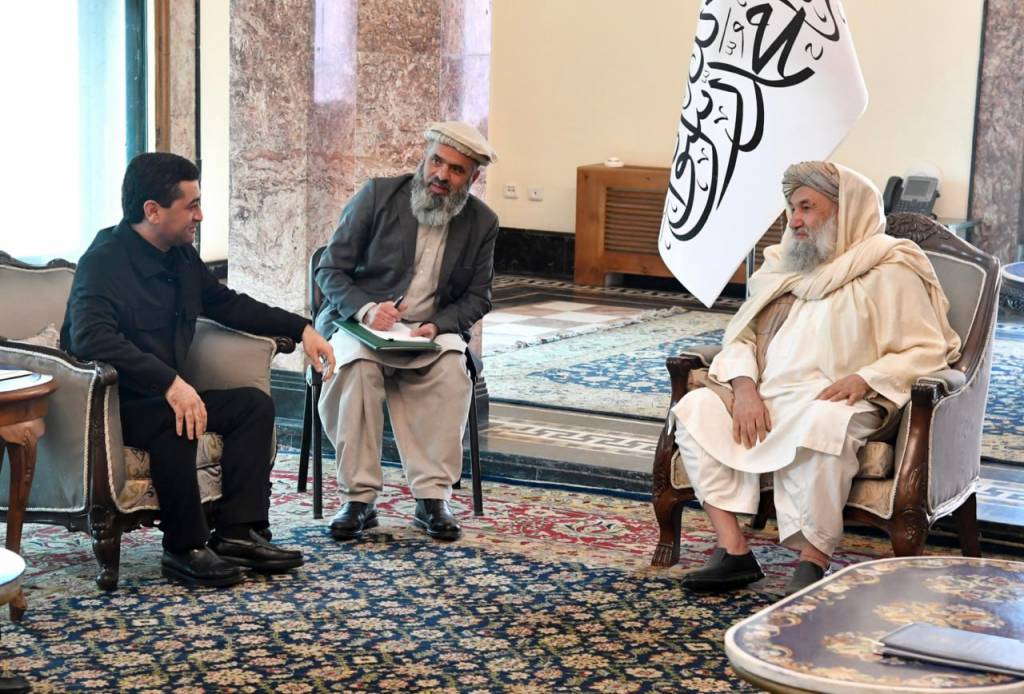
On March 12th, a delegation led by Uzbekistan’s Minister of Foreign Affairs Bakhtiyor Saidov visited Kabul to attend a meeting with officials of Afghanistan’s interim government: Acting Prime Minister Mullah Mohammad Hassan Akhund, Acting Deputy Prime Minister Mawlawi Abdul Salam Hanafi, Acting Deputy Prime Minister Mullah Abdul Ghani Baradar, Acting Foreign Minister Mawlawi Amir Khan Muttaqi, and Acting Minister of Commerce and Industry Nooruddin Azizi. According to the Uzbek Foreign Ministry, discussions focused on boosting economic ties and creating more favourable conditions for both countries’ business sectors. In a broadcast by Afghan TOLOnews, the Afghan government stated that in addition to economic cooperation, regional connectivity and transit through Afghanistan and Uzbekistan, the meeting covered the opening of an Afghan embassy in Uzbekistan. Attention was also paid to the Uzbek delegation’s interest in investment in a cement factory, coal mining, and a project to produce 200 megawatts of electricity from coal in Afghanistan. Referencing the Afghan Ministry of Agriculture, Irrigation and Livestock, TOLOnews reported on a statement by Uzbekistan’s minister of water resources. Having outlined his country’s experience in manufacturing equipment for the construction of dams and canals, as well as water management at a regional level, the minister declared Uzbekistan’s readiness to cooperate with Afghanistan in these fields. The issue of transboundary water use had come to the fore last month following Afghanistan’s announcement that construction has begun on the second phase of the Qosh Tepa Canal.

Kazakhstan Secures Foreign Investment in 40 Major Projects for 2024

Following a meeting on March 12th with the Board of Directors of Kazakh Invest, Kazakhstan’s Prime Minister Olzhas Bektenov announced that foreign investment had been secured for the launch of over 40 projects this year. Kazakh Invest, a national company aimed to attract foreign investment in priority sectors of the economy, currently supports 200 projects. Worth $27.3 billion, the projects have created 68,800 jobs. One of the most significant projects is the manufacture of medical equipment by the American company GE Healthcare in Astana. Products include ultrasound and CT machines for Kazakhstan’s hospitals as well as for export. The American company also plans to provide educational programs for staff in the Kazakh healthcare system. Other forthcoming projects include the production of anticancer drugs by the Swiss company Roche in Almaty, and the manufacture of ceramic tiles, dry building mixes and construction adhesives by the Austrian company Lasselsberger in Astana. The latter’s new plant will create over 200 jobs and reduce the country’s dependence on imported products. As instructed by the prime minister, Kazakh Invest is focused on attracting investment in projects with high added value; specifically, grain processing, the production of in-demand types of plastics, and the domestic production of oil and gas equipment. Looking ahead, Bektenov stressed that to achieve the target set by the head of state to increase the economy to $450 billion by 2029, at least $150 billion of foreign investment must be attracted during the intervening period.