• KGS/USD = 0.01144 0%
  • KZT/USD = 0.00211 0%
  • TJS/USD = 0.10609 0.28%
  • UZS/USD = 0.00008 0%
  • TMT/USD = 0.28530 0%
  • KGS/USD = 0.01144 0%
  • KZT/USD = 0.00211 0%
  • TJS/USD = 0.10609 0.28%
  • UZS/USD = 0.00008 0%
  • TMT/USD = 0.28530 0%
  • KGS/USD = 0.01144 0%
  • KZT/USD = 0.00211 0%
  • TJS/USD = 0.10609 0.28%
  • UZS/USD = 0.00008 0%
  • TMT/USD = 0.28530 0%
  • KGS/USD = 0.01144 0%
  • KZT/USD = 0.00211 0%
  • TJS/USD = 0.10609 0.28%
  • UZS/USD = 0.00008 0%
  • TMT/USD = 0.28530 0%
  • KGS/USD = 0.01144 0%
  • KZT/USD = 0.00211 0%
  • TJS/USD = 0.10609 0.28%
  • UZS/USD = 0.00008 0%
  • TMT/USD = 0.28530 0%
  • KGS/USD = 0.01144 0%
  • KZT/USD = 0.00211 0%
  • TJS/USD = 0.10609 0.28%
  • UZS/USD = 0.00008 0%
  • TMT/USD = 0.28530 0%
  • KGS/USD = 0.01144 0%
  • KZT/USD = 0.00211 0%
  • TJS/USD = 0.10609 0.28%
  • UZS/USD = 0.00008 0%
  • TMT/USD = 0.28530 0%
  • KGS/USD = 0.01144 0%
  • KZT/USD = 0.00211 0%
  • TJS/USD = 0.10609 0.28%
  • UZS/USD = 0.00008 0%
  • TMT/USD = 0.28530 0%

Viewing results 73 - 78 of 882

Kyrgyzstan Launches Environmental Strategy for Lake Issyk-Kul

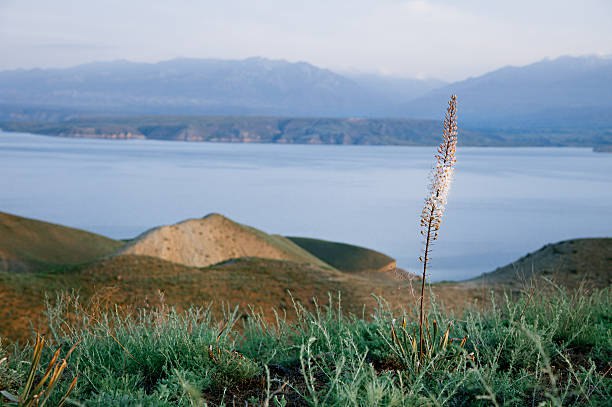
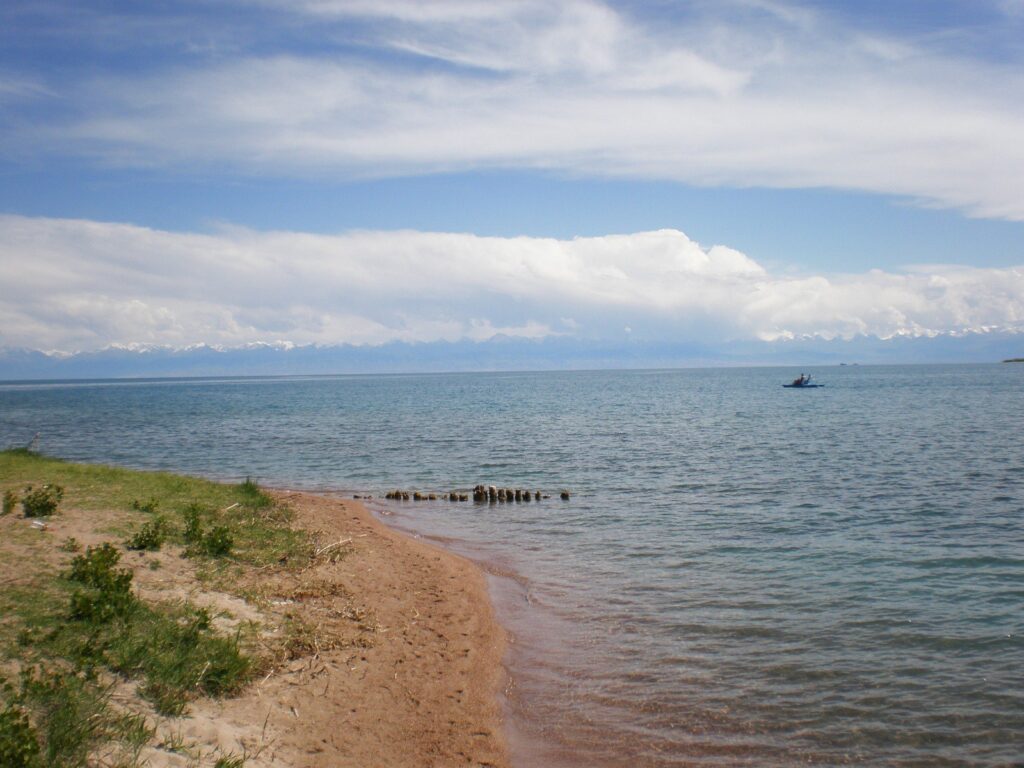
On December 2, Kyrgyzstan’s Cabinet of Ministers approved the Concept for the Sustainable Development of the Ecological and Economic System of Lake Issyk-Kul until 2030, along with a corresponding Action Plan. The initiative aims to protect the lake and its surrounding biosphere from intensifying environmental and human pressures, while ensuring long-term economic resilience in the region. Located in northeastern Kyrgyzstan, Issyk-Kul is the country’s largest lake, a unique ecological reserve, and one of Central Asia’s main tourist destinations. However, the newly adopted Concept reflects growing concerns over environmental degradation and the urgent need for coordinated management. Based in part on a government technical assessment, the strategy outlines a comprehensive roadmap to stabilize the lake’s ecosystem, modernize critical infrastructure, and mitigate climate risks. Climate Threats and Water Imbalance A key priority of the Concept is enhanced monitoring of Lake Issyk-Kul and its surrounding basin, particularly its water and energy resources. Climate change, including glacial retreat and reduced river inflow, has placed the basin under mounting stress. Of the 957 glaciers in the Issyk-Kul basin, covering 560.8 square kilometers, many are melting at an accelerated rate. Although roughly 120 rivers flow into the lake, only 80 reach it during summer due to irrigation withdrawals. To restore hydrological balance, the government plans to introduce modern irrigation technologies across 100,000 hectares of farmland. Officials estimate this could redirect up to 200 million cubic meters of water back into the lake each year. Between 1927 and 2003, Issyk-Kul’s water level fell by 2.75 meters, driven by declining inflow, outdated monitoring systems, and inefficient water use. The new Concept calls for restoring hydrological infrastructure, including groundwater observation stations and river hydro-posts. It also proposes strict accounting of irrigation water and a shift toward water-saving technologies in agriculture. Combatting Wastewater and Pollution Untreated wastewater remains one of the most severe threats to the lake’s ecosystem. Discharges from settlements, hotels, and tourism facilities have polluted the lake for years. The Concept aims to modernize wastewater treatment plants, expand sewage networks, and promote the reuse of treated water for irrigation purposes. Over the past five years, 47 new treatment facilities have been constructed in the Issyk-Kul region. The government now plans to reduce untreated wastewater discharge by 40%. Industrial Risks and Waste Management Environmental oversight of industrial activity, particularly at the Kumtor gold mine, the country’s largest, is another priority. The Concept calls for stricter regulation of hazardous waste and the rehabilitation of mining tailings to protect soil, groundwater, and the lake itself. Solid waste management is also being addressed. In October 2025, China’s Hunan Junxin Environmental Protection Co. Ltd. began building a waste-to-energy incineration plant in Karakol, the region’s administrative center. This will be the company’s third facility in Kyrgyzstan, following earlier projects in Bishkek and Osh. The introduction of separate waste collection systems is seen as key to reducing landfill pressure and minimizing environmental damage. To address air quality, the Concept promotes modernization of outdated heating systems, emission controls on industry and transport, and the adoption of...
Kazakhstan’s Ecology Ministry Says Saiga Population May Surpass Five Million in 2026

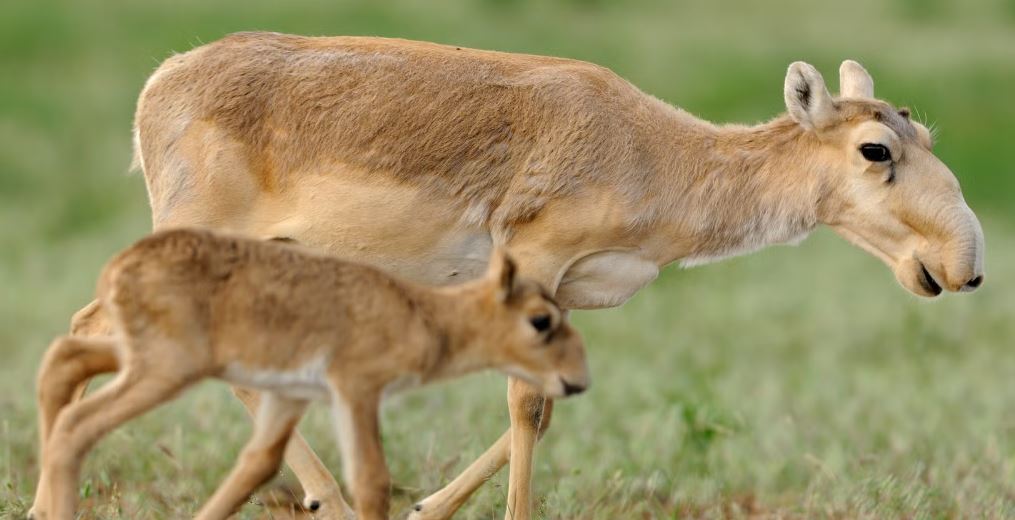
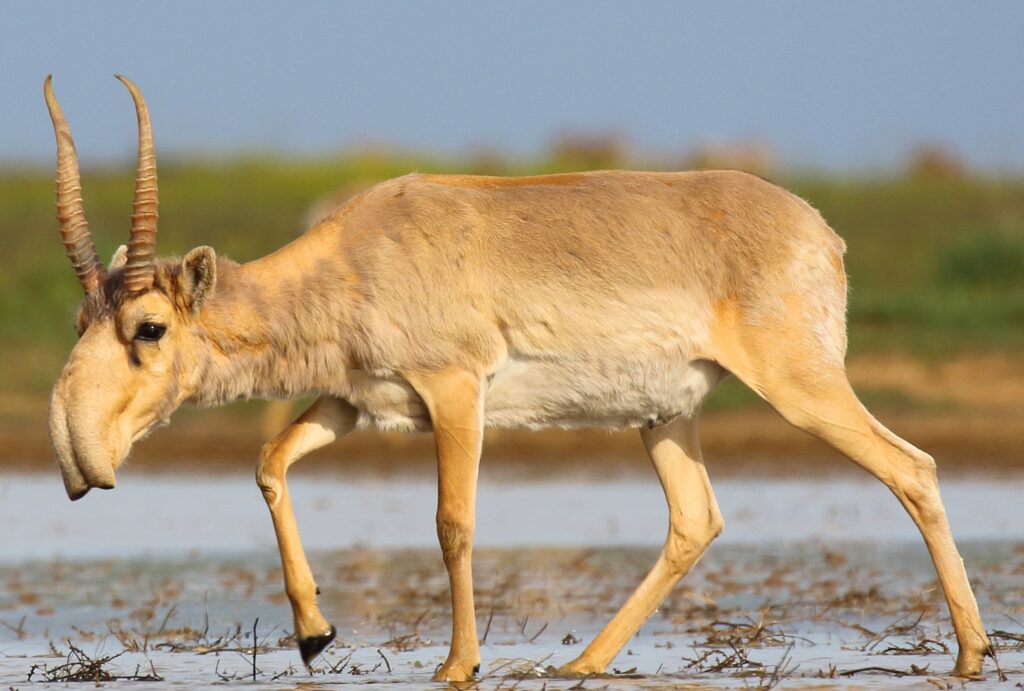
Kazakhstan's saiga antelope population, a key indicator of steppe ecosystem health and a globally vulnerable species, has reached unprecedented levels. According to the Ministry of Ecology and Natural Resources, the population now numbers approximately four million. Following the 2026 calving season, that figure could rise to nearly five million, cementing Kazakhstan’s role as the primary global habitat for the species. At a recent meeting on sustainable saiga population management, Minister of Ecology Yerlan Nyssanbayev highlighted the dramatic recovery of the species. In 2005, the population had dwindled to fewer than 40,000. Thanks to a nationwide hunting ban, increased protection measures, and targeted monitoring programs, Kazakhstan has achieved one of the most notable wildlife conservation success stories in recent history. However, the rapid rebound has brought new challenges. Ecologists warn that rising saiga densities are increasing competition with agricultural activities and contributing to pasture degradation. In response, the government has begun implementing controlled population management strategies. Between July 1 and November 30, 2025, around 196,000 saigas were culled, with carcasses processed by domestic enterprises. “The work was carried out in strict accordance with scientific recommendations,” Nyssanbayev stated. A separate concern is the trade in saiga derivatives, particularly male horns, which are in high demand in traditional Eastern medicine. According to the ministry, all horns are marked and securely stored by the Okhotzooprom State Enterprise. A digital traceability system, developed in partnership with Kazakhtelecom JSC, is currently being piloted to ensure full transparency in horn origin tracking. This technology, supported at the CITES International Conference, is under consideration as a mechanism for potentially easing current restrictions on derivative exports. First Deputy Prime Minister Roman Sklyar has instructed the Ministry of Ecology and other relevant agencies to finalize regulatory frameworks for labeling and circulation of saiga products, and to develop comprehensive measures for managing the growing population in 2026. The dramatic saiga recovery has also drawn international attention. As previously reported by The Times of Central Asia, Kazakhstan has agreed to transfer 1,500 saiga antelopes to China in 2026 to support efforts to reintroduce the species beyond its historical range in Central Asia.

Mirziyoyev Orders Crackdown on Pollution and Waste

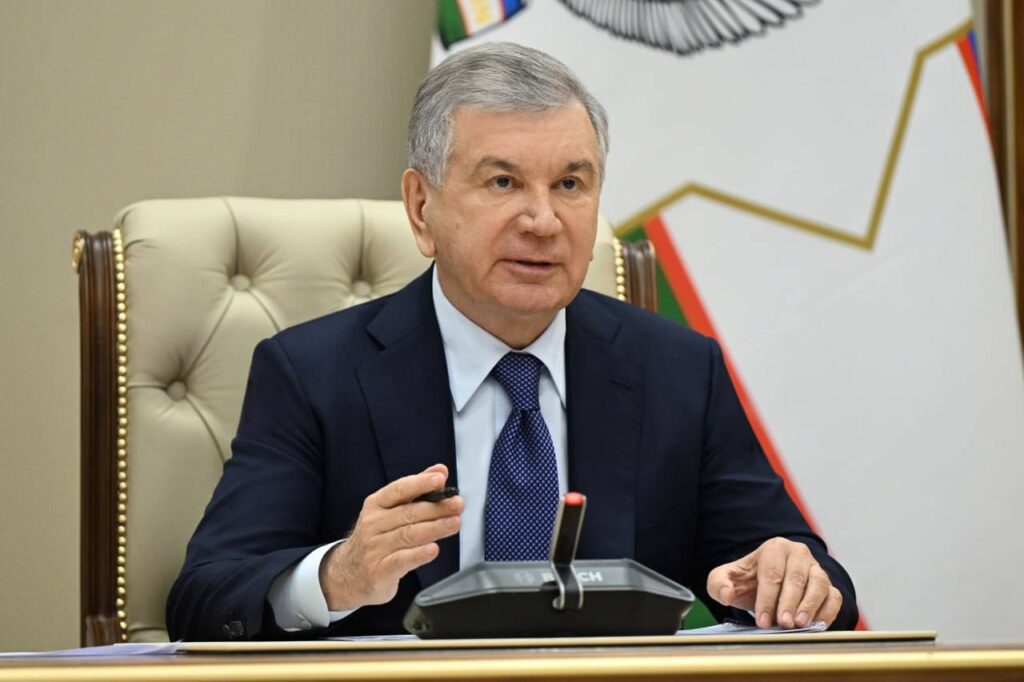
Uzbekistan is intensifying its environmental oversight as President Shavkat Mirziyoyev convened a high-level government meeting on December 1 to address mounting pollution, delays in waste-to-energy infrastructure, and preparedness for the winter season. The session highlighted the rising social and economic risks of air-quality deterioration in Tashkent, and chronic failures in waste management nationwide. Officials attributed recent spikes in air pollution in the capital not only to industrial emissions and construction activity but also to a severe cold anticyclone blanketing much of the country. This weather system caused high atmospheric pressure and temperature inversions, trapping fine particulate matter and inhibiting air circulation. In response, authorities launched inspections of construction sites, greenhouses, and vehicle emissions, while emergency measures, such as watering streets, cleaning canals, and activating fountains, were deployed to stabilize air quality. Mirziyoyev ordered regional officials to enforce stricter environmental compliance, eliminate violations promptly, and take proactive steps to prevent further degradation. He emphasized that growing public frustration demands “decisive and coordinated action” from all levels of government. Stalled Waste-to-Energy Projects Under Scrutiny Waste-to-energy development, a cornerstone of Uzbekistan’s sustainability agenda, also came under fire. Although $933 million in investment has been pledged, several regions have yet to launch projects. Existing facilities in Andijan, Namangan, Ferghana, Samarkand, Kashkadarya, and Tashkent continue to face critical infrastructure deficiencies, including inadequate roads, electricity, and water supply. Mirziyoyev instructed officials to remove these bottlenecks and ensure the nationwide rollout of waste-to-energy projects in 2026. The government has set a target of reducing household waste disposal areas by 50% by 2030. To date, 47 landfill sites have been closed and rehabilitated, restoring over 240 hectares of land for environmental use. Yet the majority of Uzbekistan’s 132 active landfills still lack protective barriers, green belts, and basic safety systems. The president ordered the transformation of these sites into “environmentally safe zones” and called for greater public engagement through environmental education. Starting in 2026, the government will allocate at least 150 billion soums annually from the state budget for this initiative. Hazardous Waste and Digital Tracking Industrial and hazardous waste management also remains underdeveloped. Processing rates have improved but still fall short of international norms. Mirziyoyev demanded a full inventory of hazardous waste generation and storage sites and directed each region to launch its own recycling or disposal initiatives. A unified digital platform will be introduced to monitor hazardous waste nationwide. Winter Readiness and Public Safety Winter preparedness was another major focus. Persistent issues with liquefied gas distribution prompted the president to order operational reforms and faster responses to citizen complaints. Authorities reported substandard repairs along 1,800 kilometers of power lines; the Prosecutor General’s Office will investigate, and the Energy Inspectorate has been tasked with strengthening oversight to ensure stable electricity supply during the winter. Mirziyoyev also called for updated fire-safety standards in residential buildings, including a ban on highly flammable façade materials. Presidential Decree and Long-Term Strategy The December 1 meeting followed a presidential decree issued on November 25 introducing emergency environmental measures and creating a special...

Samarkand’s CoP20 Opens with High-Stakes Debates on Wildlife Trade and Species Protection

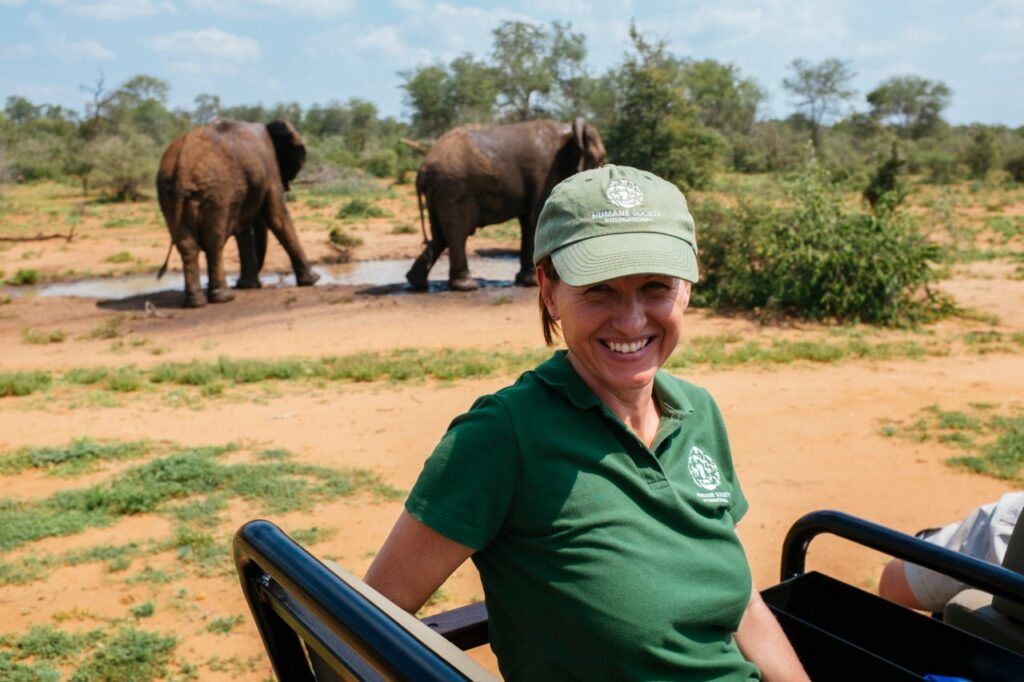
The world’s largest conference on wildlife trade opened last week in Samarkand, drawing nearly 3,000 delegates to Uzbekistan for two weeks of critical negotiations that could reshape global conservation policy. The 20th meeting of the Conference of the Parties to the Convention on International Trade in Endangered Species of Wild Fauna and Flora (CITES CoP20) is being held in Central Asia for the first time, a region increasingly impacted by transcontinental wildlife trafficking routes connecting Africa and Asia. Hosted by Uzbekistan’s National Committee on Ecology and Climate Change, CoP20 carries the theme “CITES at 50 in Samarkand: Bridging Nature and People,” commemorating five decades of global conservation under the Convention and echoing the city’s legacy as a historic crossroads of commerce and ideas. One of the central issues dominating this year’s meeting is a series of proposals concerning African megafauna, particularly elephants, rhinos, and giraffes. These proposals, submitted by several African range states, challenge the extent to which legal trade in vulnerable species should be permitted, given decades of poaching and habitat degradation. Audrey Delsink, Senior Director at Humane World for Animals, warned of the dangers these proposals pose. “All the species proposals concerning African megafauna are highly concerning because of the impact they will have on the respective species and the repercussions on illegal trade should the proposals be accepted,” she told The Times of Central Asia. Among the most controversial is a joint proposal by Namibia, South Africa, Tanzania, and Zimbabwe to remove most southern African giraffe populations from CITES Appendix II. Delsink cautioned that this would create a fragmented regulatory regime, complicating enforcement. “It is very difficult to differentiate bones and pelts of the different species and subspecies, making it easy to launder endangered giraffe species through the system,” she said. With wild giraffe populations estimated at fewer than 120,000, any weakening of controls could prove disastrous. Similar concerns surround Namibia’s proposal to sell ivory from registered government stockpiles. Delsink warned that the legal ivory trade has historically masked illicit flows and could trigger renewed poaching. “Legal trade provides a cover for illegal ivory and fuels illegal trade, poaching, and consumer demand,” she said, noting that CITES members have rejected such proposals for nearly two decades. Central Asian countries, increasingly used as transit corridors for high-value wildlife contraband, are becoming key players in enforcement. Smuggling networks exploit Eurasian air, rail, and road links to move products such as ivory, rhino horn, and exotic animals. Delsink highlighted the “Samarkand Declaration and Action Plan (2025-2032),” signed this week by Kazakhstan, Kyrgyzstan, Tajikistan, Turkmenistan, and Uzbekistan, as a major step toward regional coordination. The agreement commits signatories to harmonize laws and improve intelligence-sharing mechanisms. [caption id="attachment_40166" align="aligncenter" width="2560"] Image: National Committee on Ecology of Uzbekistan[/caption] “Intelligence-led operations and rapid information exchange between agencies can disrupt organized crime networks that exploit porous borders,” Delsink said. She also underscored the need for customs modernization and officer training, supported by organizations such as TRAFFIC and the UN Office on Drugs and Crime. Beyond...

UN Meeting on Wildlife Trade Rules on Saiga, Striped Hyena

Delegates to a United Nations meeting on global wildlife commerce have approved a proposal by Kazakhstan to loosen trade restrictions on the saiga antelope, while rejecting a move by Tajikistan to tighten protections for the striped hyena. The decisions came in Samarkand, Uzbekistan, where several thousand representatives from around the world have gathered for a meeting of the Convention on International Trade in Endangered Species of Wild Fauna and Flora, or CITES. The conference, which runs from November 24 to December 5, was last held in Panama in 2022. The decision to relax trade in saigas, whose horns are used in traditional medicine, is a response to the spectacular recovery of the species after it was close to extinction. Kazakhstan presided over this conservation success story, and the CITES decision amends a “zero export quota” to exclude saigas only from populations Kazakhstan. A CITES committee adopted the proposal by a vote of 111 in favor, 7 against, and 14 abstentions, reported the Earth Negotiations Bulletin, which covers U.N. environment and development negotiations. A proposal needs a two-thirds majority vote to be approved. More saiga safeguards were added in an amendment backed by Britain, the European Union and the United States, and the situation will be reviewed at the next CITES meeting in a few years. Mongolia, which has a smaller, more vulnerable population of saigas, had opposed Kazakhstan’s initiative. Some groups, including the New York-based Wildlife Conservation Society, said the reopening of commercial trade in Kazakhstan’s saigas could increase consumer demand, promote poaching and put pressure on enforcement mechanisms. In the case of the striped hyena, Tajikistan unsuccessfully sought to persuade delegates to the wildlife trade meeting to place the species on Appendix I, a CITES designation that would effectively bar trade aside from with a few exemptions. The species, labeled “near threatened” by the global IUCN Red List of Threatened Species, is currently on the much less restrictive Appendix III. Algeria, Iran and Kazakhstan were among countries that backed Tajikistan’s proposal, while Britain, the European Union, Zambia and Tanzania said the proposal doesn’t meet Appendix I criteria, according to the Earth Negotiations Bulletin. A CITES committee rejected Tajikistan’s proposal in “a secret ballot of 75 for, 47 against and 13 abstentions,” the bulletin said, indicating that proponents did not pass the two-thirds threshold. The striped hyena has a vast range that includes Africa, the Middle East, and Central Asia, but there is difficulty in obtaining data on the solitary, noctural species. Additionally, while habitat degradation and human-wildlife conflict are factors in the population’s decline, uncertainty over how much the illegal trade in the striped hyena is affecting its numbers may have raised questions about whether Tajikistan’s proposal was justified.  

Kazakhstan Trades Electricity for Water in Bid to Mitigate Summer Drought Risks

Central Asia is entering a new phase in the management of its water-energy nexus, moving from declarations to practical coordination. A trilateral protocol signed in Almaty by Kazakhstan, Kyrgyzstan, and Uzbekistan marked a significant step toward stabilizing the region’s water regime amid escalating climate risks. Brokered under Kazakhstan’s chairmanship, the agreement aims to balance the load on the Toktogul Reservoir, the main regulating structure of the Syr Darya basin. Kyrgyzstan typically increases winter water discharges to generate electricity, which reduces irrigation water availability downstream during summer. Under the new deal, Kazakhstan and Uzbekistan will supply Kyrgyzstan with electricity during winter, in return for Kyrgyzstan's commitment to store water and ensure its release during the 2026 growing season. The Almaty Protocol complements the existing plan for filling the Shardara Reservoir, which aims to accumulate 11 cubic kilometers of water by April 1, 2026. Achieving this target hinges on Toktogul’s operations. Without external support, Kyrgyzstan’s energy infrastructure would struggle to meet the requirement. Supplemental electricity from Astana and Tashkent thus forms the economic backbone of this arrangement. Longstanding disparities in regional water and energy needs remain a source of instability. Kyrgyzstan requires water in winter for hydropower, while Kazakhstan, especially its Turkestan and Kyzylorda regions, relies on it in summer for irrigation. Recent water shortages have pushed the countries toward more pragmatic coordination. Uzbekistan has committed to managing the technical conditions for transit and balancing inter-system flows. Despite facing its own energy shortfall and aging infrastructure, Kazakhstan is participating in regional stabilization to avert socio-economic risks in its southern provinces. External factors are adding urgency to regional cooperation. Afghanistan’s construction of the Qosh-Tepa Canal is expected to reduce the Amu Darya’s water balance by 20-25%. Although Uzbekistan is most directly affected, the resulting pressure on water systems could also impact the Syr Darya, on which southern Kazakhstan heavily depends. Internally, Kazakhstan faces persistent challenges. Water loss during transport reaches up to 40-50% due to outdated canal infrastructure. Rice cultivation continues in the water-intensive Kyzylorda region, while water-saving technologies are used on only about 30% of irrigated land. These new agreements suggest that Central Asian countries can rapidly implement collective mechanisms in response to shared threats. In effect, elements of a regional Water and Energy Consortium are already operating in a de facto, ad hoc manner. Water, energy, and food security are increasingly seen as interconnected resources requiring coordinated governance. For Kazakhstan, the priority now is to institutionalize these provisional agreements. If the “electricity-for-water” model can be formalized into a durable framework, it could stand as one of the most significant accomplishments of the country’s regional diplomacy.