• KGS/USD = 0.01144 0%
  • KZT/USD = 0.00204 0%
  • TJS/USD = 0.10415 -0.19%
  • UZS/USD = 0.00008 0%
  • TMT/USD = 0.28571 0%
  • KGS/USD = 0.01144 0%
  • KZT/USD = 0.00204 0%
  • TJS/USD = 0.10415 -0.19%
  • UZS/USD = 0.00008 0%
  • TMT/USD = 0.28571 0%
  • KGS/USD = 0.01144 0%
  • KZT/USD = 0.00204 0%
  • TJS/USD = 0.10415 -0.19%
  • UZS/USD = 0.00008 0%
  • TMT/USD = 0.28571 0%
  • KGS/USD = 0.01144 0%
  • KZT/USD = 0.00204 0%
  • TJS/USD = 0.10415 -0.19%
  • UZS/USD = 0.00008 0%
  • TMT/USD = 0.28571 0%
  • KGS/USD = 0.01144 0%
  • KZT/USD = 0.00204 0%
  • TJS/USD = 0.10415 -0.19%
  • UZS/USD = 0.00008 0%
  • TMT/USD = 0.28571 0%
  • KGS/USD = 0.01144 0%
  • KZT/USD = 0.00204 0%
  • TJS/USD = 0.10415 -0.19%
  • UZS/USD = 0.00008 0%
  • TMT/USD = 0.28571 0%
  • KGS/USD = 0.01144 0%
  • KZT/USD = 0.00204 0%
  • TJS/USD = 0.10415 -0.19%
  • UZS/USD = 0.00008 0%
  • TMT/USD = 0.28571 0%
  • KGS/USD = 0.01144 0%
  • KZT/USD = 0.00204 0%
  • TJS/USD = 0.10415 -0.19%
  • UZS/USD = 0.00008 0%
  • TMT/USD = 0.28571 0%

Viewing results 445 - 450 of 831

Kazakhstan Reports on Renewable Energy Generation

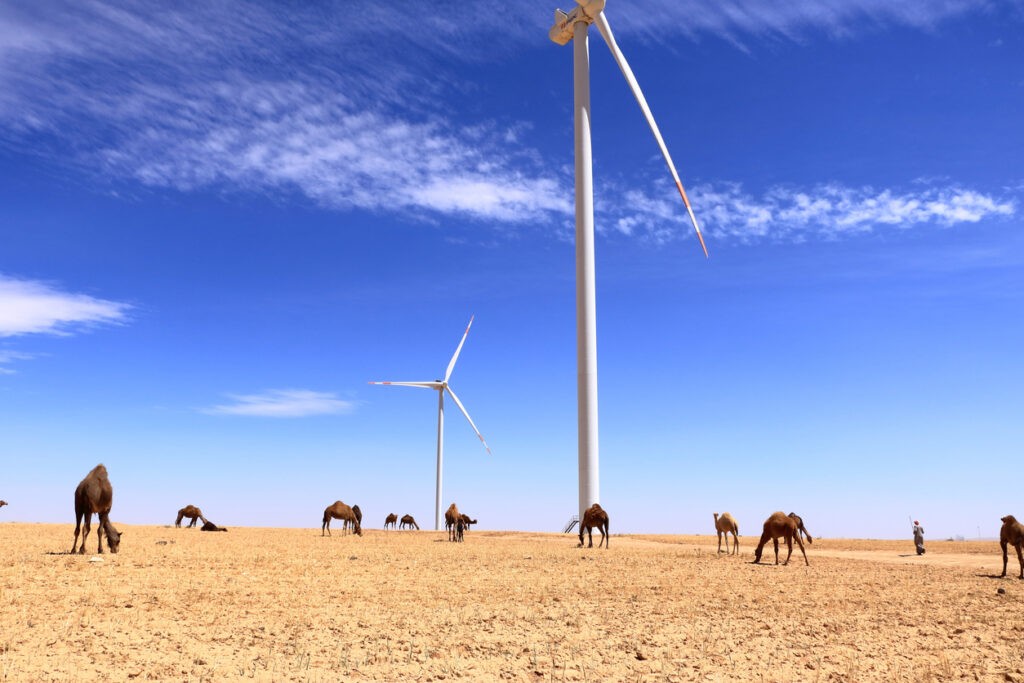
The Kazakh minister for energy, Almasadam Satkaliyev, reported on July 29 that the country produced 60.4 billion kWh in the first half of 2024. The minister also reported on developing renewable energy sources, which accounted for almost 6.5% of the country’s electricity generation in the first six months of the year. According to the Ministry of Energy, Kazakhstan has 148 renewable energy facilities with a total capacity of 2,903 MW. These include 59 wind power plants with a total capacity of 1,409 MW; 46 solar power plants with a capacity of 1,222 MW; 40 hydroelectric power plants with a capacity of 269.7 MW; and three biogas power plants with a capacity of 1.7 MW. In the first half of 2024, these renewable energy facilities generated 3.896 billion kWh of electricity (wind power plants  -- 2.325 billion kWh; solar power plants -- 974.9 million kWh; hydroelectric power plants -- 595.3 million kWh; and biogas plants -- 0.43 million kWh), or 6.47% of the total electricity production volume. Satkaliyev also reported that in the first half of 2024, Kazakhstan produced 44.7 million tons of crude oil, 6.78 million tons of petroleum products, and 30.1 billion cubic meters of natural gas.

Kyrgyzstan Accelerates Work to Bring Drinking Water to Villages

While only 637 of Kyrgyzstan’s 1906 villages have access to clean drinking water, the government plans to provide piped drinking water to an additional 1071 villages in the near future. The country's minister of water resources and agriculture, Bakyt Torobayev, ordered this work to be accelerated on July 30. Torobayev ordered the expedition of work in this area, emphasizing that providing clean water to the population is one of the ministry's top priorities. “The population must be provided with clean drinking water,” he said. The Ministry of Water Resources is currently implementing a program to provide clean drinking water to 260 towns and villages across the country. In addition, a program for using groundwater from 2024 to 2030 will be implemented, with plans to repair 1,155 wells.

Can the Aral Sea Be Saved?

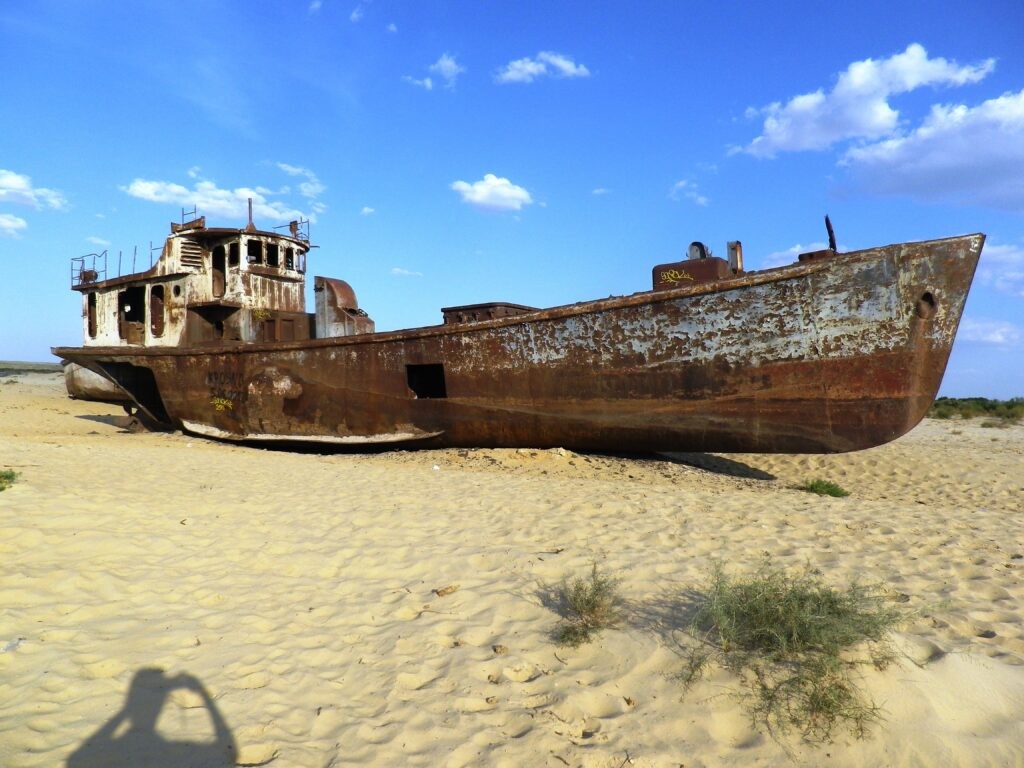
Thanks to cooperation between the Central Asian states, the ultimate demise of the Aral Sea has been prevented. This year, the Northern Aral Sea has significantly replenished its water reserves. The Northern portion of the Aral Sea has received 12.5 times more water this year than the previous year - up to 75 cubic meters per second, the Ministry of Water Resources and Irrigation of Kazakhstan stated in July. The Syr Darya River delivers 650 cubic meters of water per second to the Kyzylorda Oblast. "Joint work has been carried out with Uzbekistan and Kyrgyzstan. In particular, approved water supply schedules are being observed,” Minister of Water Resources and Irrigation, Nurzhan Nurzhigitov explained. Formerly the world's fourth-largest lake covering 68,000 km², the destruction of the Aral Sea first dates back as far as the U.S. Civil War, when, finding his supply of American cotton under threat, the Russian Tsar decided to use the sea’s tributaries to irrigate Central Asia and create his own cotton bowl. With 1.8 million liters of water needed for every bale of cotton, the water soon began to run out. From the 1960s onwards, the sea level began to decline rapidly due to water withdrawal from the main feeder rivers, the Amu Darya and Syr Darya. The local population was growing, and fields needed irrigating. In 1989, the sea split into the Northern (Small) and Southern (Large) Aral reservoirs. [caption id="attachment_21020" align="aligncenter" width="591"] The former port of Zhalanash, Kazakhstan; image: TCA, Stephen M. Bland[/caption] Since independence, the rate of shoaling and desertification have continued to increase. Up until the late-1990s, the land surrounding the Aral Sea was still cotton fields; but today, it’s largely an expanse of salinized grey emptiness. The desiccation of the landscape has led to vast toxic dust-storms that ravage around 1.5 million square kilometers. Spreading nitrates and carcinogens, these storms – visible from space – used to occur once every five years, but now strike ten times a year. By 2007, the Aral had shrunk to one-tenth its original size. In 2014, the eastern part of the Southern Lake dried up completely, and the sea's area reached a historical low of 7,297 km². Over half a century, the volume of water had decreased 30-fold, and the sea's salinity has risen sharply. Nevertheless, Kazakhstan still manages to preserve the remnants of the once colossal lake; the region's fisheries and farms continue, and rare species of birds still inhabit the lands surrounding the shoreline. Today, most scientists say restoring the Aral Sea completely is impossible, but Kazakhstan is attempting to preserve the Northern portion, sometimes referred to as the "Small Aral Sea." In 1993, the International Fund for Saving the Aral Sea (IFSAS) was established, which united Kazakhstan, Uzbekistan, Kyrgyzstan, Turkmenistan, and Tajikistan in this most challenging of tasks. At the time of IFSAS creation, the water area stood at approximately 36,000 km². Over the following decades, it continued to decline, and in 2001 Vozrozhdeniya (Renaissance) Island became connected to the mainland. Vozrozhdeniya contains...

Agribusiness Park to be Launched in Kazakhstan’s Akmola Region

The Hungarian company Globalia Ltd is creating agricultural facilities in Kazakhstan’s Akmola region. The new agribusiness park will use industrial technologies developed in Hungary. The eight agribusinesses located at the park will implement sustainable and environmentally friendly technologies, and will allow for products to be traced between the producer and the end consumer. Projects will not require any special funding. The agribusiness park plans to start producing fish farming projects within three years. It will also open a research and development station for growing varieties of various plants. Kazakhstani companies located at the park will have access to new technologies and tools, including the Carbon Farming system, which helps to capture and accumulate CO2 from the soil.

ADB to Advise Kazakhstan’s Energy Ministry on Hydropower Development

The Asian Development Bank (ADB) has signed a transaction advisory services agreement with the Kazakh government for its Hydropower Development Program, which aims to attract the private sector to design, finance, construct, operate, and maintain the country’s hydropower projects. According to the agreement, ADB will work with Kazakhstan's Energy Ministry to conduct pre-feasibility studies, prepare auction documents and a template power purchasing agreement, and attract competitive offers to crowd investors. ADB will help the ministry prepare and auction hydropower projects with private sector participation in the southeast, with a potential cumulative capacity of around 600 megawatts across the Alakol, Balkhash, and Irtysh/Zaysan basins. The agreement was signed on July 26 in London by Kazakhstan’s minister for energy, Almasadam Satkaliyev, and ADB’s head of public–private partnerships, Cleo Kawawaki. Emphasizing that supporting Kazakhstan in developing renewable energy sources is a priority for ADB, Ms. Kawawaki commented: “ADB’s focus is to assist the country’s efforts to address the impacts of climate change, promote decarbonization, and facilitate sustainable economic growth. This will help Kazakhstan achieve its goal of increasing its renewable energy capacity, reduce carbon emissions, and enhance the country’s energy security.” Satkaliyev also proposed collaborating with ADB to attract technological support, investments, and grants to reduce methane emissions in all sectors of Kazakhstan’s economy, including the oil and gas industry.

Kazakhstan to Increase Municipal Waste Processing

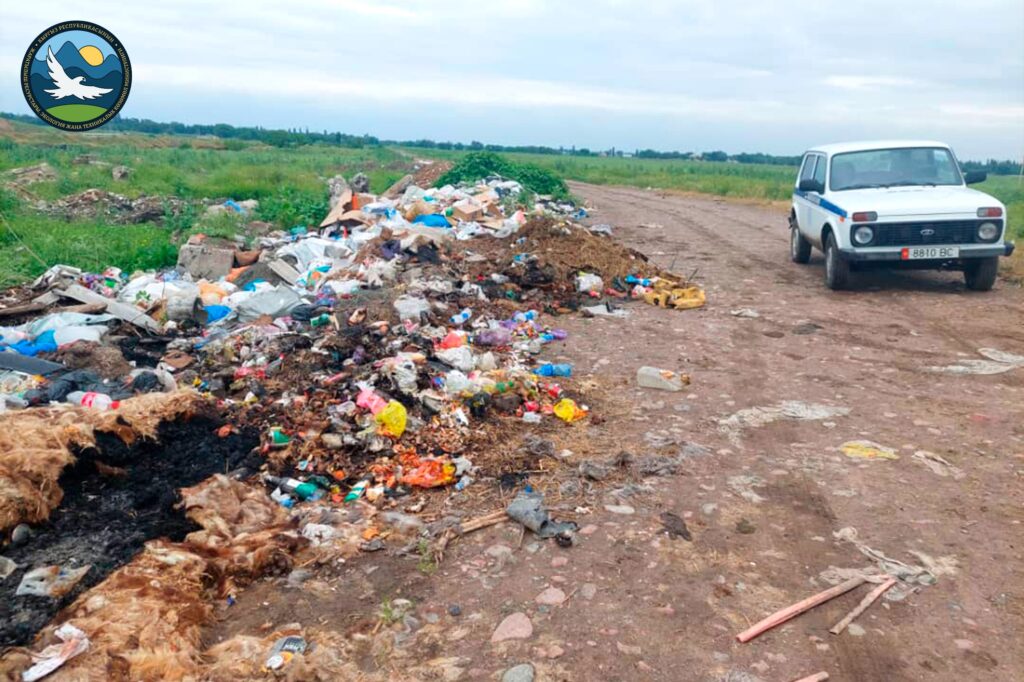
On July 24, Kazakhstan launched its first project to build a technological eco-park for processing solid municipal waste and producing electricity from biogas. According to the Ministry of Ecology and Natural Resources of Kazakhstan, the new facility will be equipped to sort 120 thousand tons of solid municipal waste and 120 thousand tons of large-sized waste, and process 80 thousand tons of organic waste per year. In response to an instruction by the head of state in February to secure investment for the construction of waste processing plants in Kazakhstan, the government has secured a pool of 94 investment projects to  increase municipal waste processing from 1 million to 2.2 million tons annually. In March, the government announced plans to build 37 new municipal solid waste processing plants and modernize eight existing plants. To support the initiative aimed to improve the country's environment, the government has given approval for an Industrial Development Fund, with an interest rate of 3 percent and loan terms from 3 to 15 years,  for projects related to waste management, including the purchase of rubbish trucks and the launch of sorting lines and processing facilities. Prime Minister Olzhas Bektenov reported that recycling solid waste is profitable worldwide and Kazakhstan too, must exploit its potential in this field.