• KGS/USD = 0.01144 0%
  • KZT/USD = 0.00203 0%
  • TJS/USD = 0.10429 -0.38%
  • UZS/USD = 0.00008 0%
  • TMT/USD = 0.28490 0%
  • KGS/USD = 0.01144 0%
  • KZT/USD = 0.00203 0%
  • TJS/USD = 0.10429 -0.38%
  • UZS/USD = 0.00008 0%
  • TMT/USD = 0.28490 0%
  • KGS/USD = 0.01144 0%
  • KZT/USD = 0.00203 0%
  • TJS/USD = 0.10429 -0.38%
  • UZS/USD = 0.00008 0%
  • TMT/USD = 0.28490 0%
  • KGS/USD = 0.01144 0%
  • KZT/USD = 0.00203 0%
  • TJS/USD = 0.10429 -0.38%
  • UZS/USD = 0.00008 0%
  • TMT/USD = 0.28490 0%
  • KGS/USD = 0.01144 0%
  • KZT/USD = 0.00203 0%
  • TJS/USD = 0.10429 -0.38%
  • UZS/USD = 0.00008 0%
  • TMT/USD = 0.28490 0%
  • KGS/USD = 0.01144 0%
  • KZT/USD = 0.00203 0%
  • TJS/USD = 0.10429 -0.38%
  • UZS/USD = 0.00008 0%
  • TMT/USD = 0.28490 0%
  • KGS/USD = 0.01144 0%
  • KZT/USD = 0.00203 0%
  • TJS/USD = 0.10429 -0.38%
  • UZS/USD = 0.00008 0%
  • TMT/USD = 0.28490 0%
  • KGS/USD = 0.01144 0%
  • KZT/USD = 0.00203 0%
  • TJS/USD = 0.10429 -0.38%
  • UZS/USD = 0.00008 0%
  • TMT/USD = 0.28490 0%

Viewing results 1999 - 2004 of 3126

Kazakhstan to Plant Forests on a Million Hectares of Former Aral Seabed

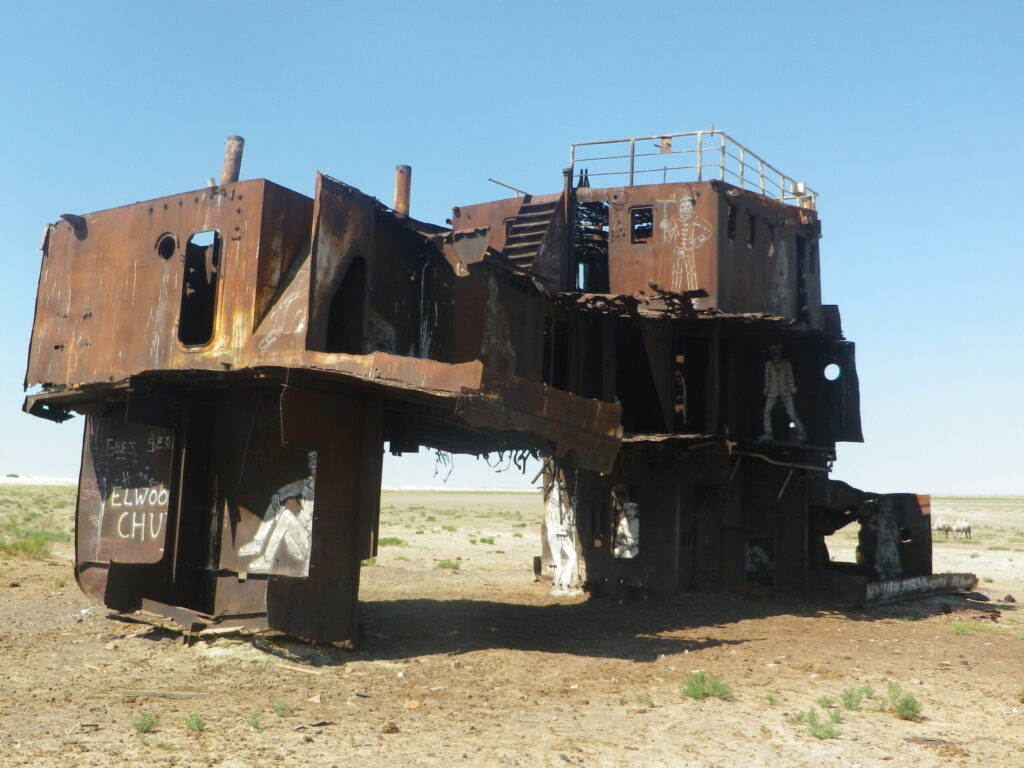
On January 8th, the Minister of Ecology and Natural Resources of Kazakhstan, Erlan Nysanbayev chaired a meeting on the implementation of instructions from the Head of State to plant saxaul shrub plantations on dried up sections of the Aral Sea. It was stated at the meeting that 500,000 hectares of the former seabed have been included in the lands of the state forest fund, and in 2023 afforestation work began on that area. It was also emphasized that as climatic conditions are changing and the frequency and severity of storms increase, wind-borne salt and dust cause significant damage to areas adjacent to the Aral Sea and their inhabitants. Every year, more than 100 million tons of salt, dust and sand are blown from the bottom of the former Aral Sea and mix into the air. Kazakhstan’s part of the Aral is more saline than its Uzbek counterpart. In order to improve the situation, President Tokayev has set the task of planting saxaul shrubs on 1.1 million hectares by 2025. This project has now been provided with the necessary infrastructure for preparing seeds for sowing and cultivation, and the necessary equipment has been purchased, the meeting heard.[/vc_column_text][vc_single_image image="13571" img_size="full" el_class="scond-image" parallax_scroll="no" woodmart_inline="no"][vc_column_text woodmart_inline="no" text_larger="no"]Through joint efforts oy the Ministry of Ecology and Natural Resources and the administration of the Kyzylorda region, 544,500 hectares of saxaul have been sown over the past three years. This year, it is planned to plant on another 275,000 hectares. As the decimation of the Aral Sea is a global problem, the Ministry cooperates with international organizations, including the International Fund for Saving the Aral Sea (IFAS), the World Bank, the German Society for International Cooperation (GIZ), the United States Agency for International Development (USAID), and the Korean Forest Service. In the summer and autumn of 2021, specialists from Uzbekistan and Kazakhstan exchanged their experiences in planting saxaul and other trees on the former Aral Sea, and a memorandum was signed for closer cooperation in afforestation of the region.
Kazakhstan Prepares to Host Fifth World Nomad Games

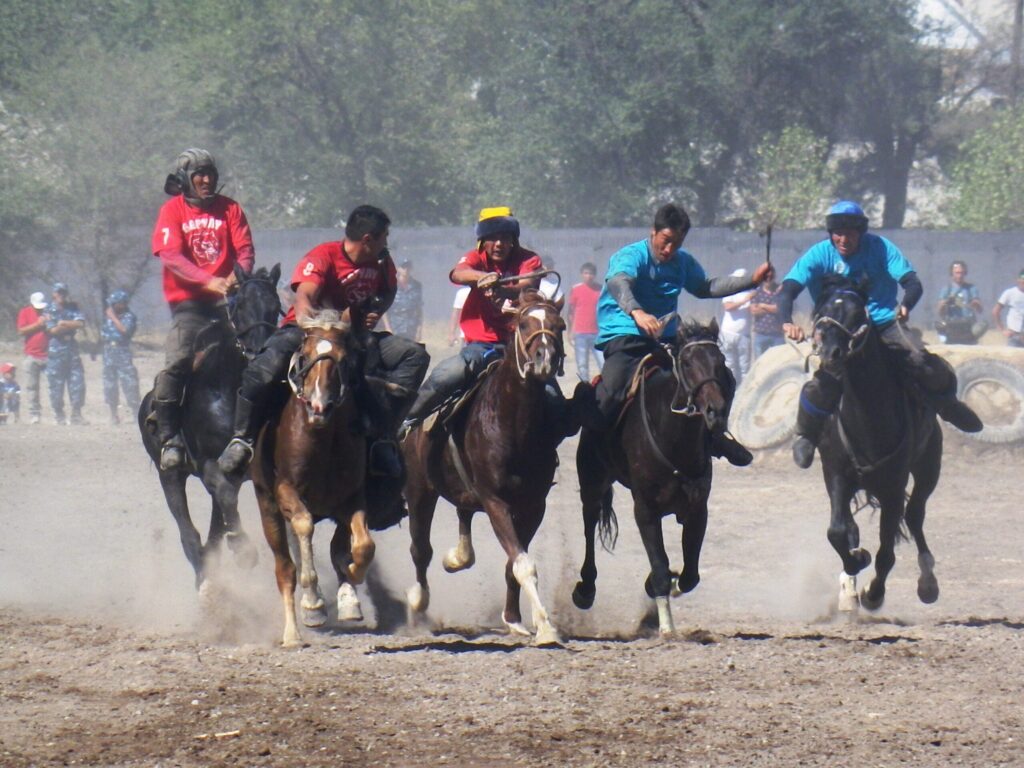
On January 8th, the Minister of Tourism and Sports of Kazakhstan, Yermek Marzhikpayev chaired a meeting on the progress of preparations for the fifth World Nomad Games, which are to be held in Kazakhstan later this year. The meeting was attended by the leadership of the Association of Traditional Sports, the directorate for the World Nomad Games, and the presidents of federations of traditional sports. Marzhikpayev referred to President Tokayev, who in an interview with the Egemen Kazakhstan newspaper earlier this month stressed the importance for the nation of this major sporting event. “To fulfill instructions of the Head of State, it is necessary to host the World Nomad Games at an outstanding level,” Marzhikpayev stated. “Therefore, we must clearly define what measures have been taken to date and what tasks lie ahead. All remaining problems must be resolved as soon as possible. Preparations for the Games are going according to plan. However, the training of national sports teams must be first-rate. It is necessary to provide athletes with high-quality conditions and fully resolve all financial issues.”[/vc_column_text][vc_single_image image="13570" img_size="full" el_class="scond-image" parallax_scroll="no" woodmart_inline="no"][vc_column_text woodmart_inline="no" text_larger="no"]It is expected that delegations from more than a hundred countries will visit Kazakhstan for the games, which will include twenty competitive and ten demonstration events, with 110 sets of medals will being competed for. Equestrian sports, traditional wrestling, archery, bird hunting, and traditional intellectual games will all be included. The World Nomad Games were initiated by the government of Kyrgyzstan in 2012 for the revival and preservation of the culture of nomadic civilizations. The First World Nomad Games were held in September 2014 in the resort city of Cholpon-Ata on Lake Issyk-Kul in Kyrgyzstan.

Uzbekistan: Successful Reforms in Environmental Protection and Waste Management

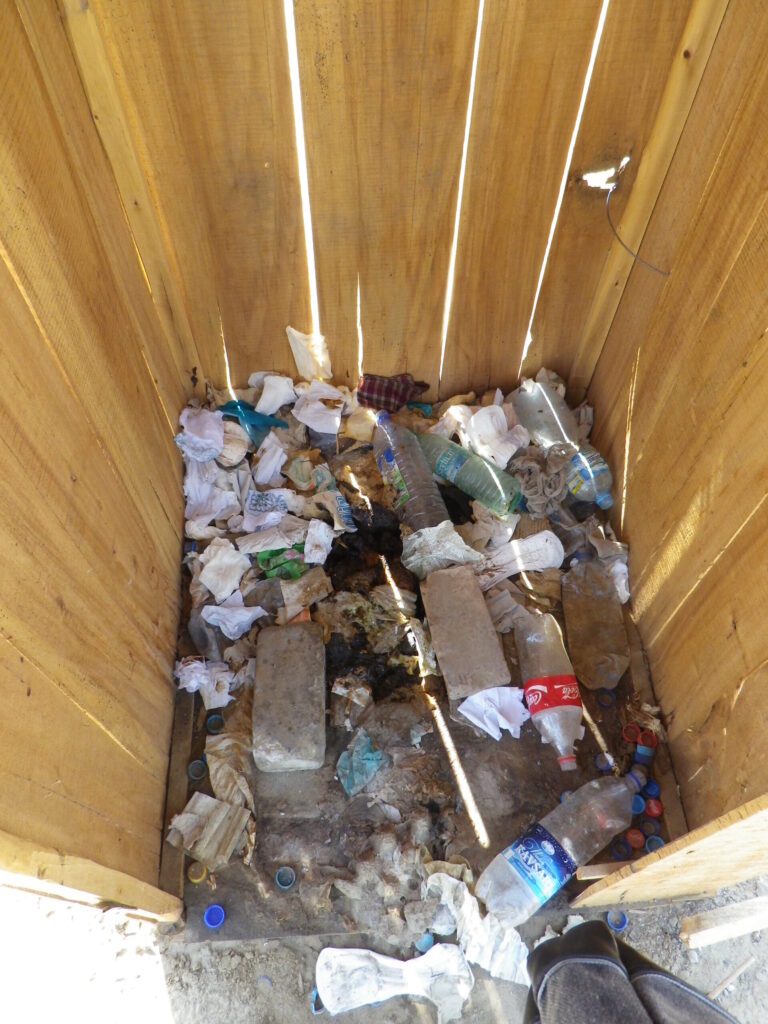
Uzbekistan is carrying out consistent and effective reforms in the field of waste management, improving the quality of services provided to the population and combating environmental pollution. The Decree of the President “On measures to improve the waste management system and reduce its negative impact on the environmental situation” is a significant step that will become the starting point for a new stage of development in this area, Minister of Ecology, Environmental Protection and Climate Change, Aziz Abdukhakimov emphasized. “The main goal is to further improve the quality of household waste management services, bringing the level to international standards, increasing the level of waste processing, preventing accumulation in landfills, minimizing the negative impact on the environment, achieving the ‘zero waste’ principle and other tasks. This decree is very important today, when environmental problems associated with climate change are escalating," he stated. According to the decree, a number of measures will be taken to further improve waste management and prevent environmental pollution. In particular, as part of the integrated Safe City system, the detection of environmental violations using cameras will be introduced. Entrepreneurs will be given the right to photograph and video record environmental violations and be able to report this to the state environmental control inspectorate in a manner similar to the right to identify violations of traffic rules. Citizens will have the opportunity to independently install photographic and video recording equipment at the sites of spontaneous landfills at their own expense. Reports of violations will be encouraged with a reward of 20% of any fine levied. From the beginning of 2024, minimum tariffs for waste collection will be regularly reviewed, and services will be combined into a single system. It is expected that there will be a substantial increase in liability for violating the rules on the dumping of waste, with the possibility of confiscation of items and devices used to carry out such violations written into the measures. The document also establishes administrative responsibility for the use of chemical, biological and bacteriological agents during the construction or reconstruction of buildings which leads to damage to the environment. In order to improve sanitary and hygienic conditions for residents, increase the attractiveness of tourist areas and reduce the negative impact on the environment, entrepreneurs will be allowed to install sanitary and hygiene points in public places, social buildings, and specially designated areas. The distribution of permits for the installation of such points will be carried out through electronic auctions. Entrepreneurs who process or dispose of waste in an environmentally friendly way will be allocated “green subsidies.”

The NeMolchi.kz Foundation: Unraveling the Controversy Surrounding Dina Tansari

In a recent development, Dina Tansari, the head of the public foundation "NeMolchi.kz," has found herself at the center of six criminal cases, two of which involve allegations of fraud, according to the Ministry of Internal Affairs. Tansari, also known as Dinara Smailova, stands accused of disseminating false information, infringing upon privacy rights, and engaging in fraudulent activities, as outlined by the police investigations. The foundation she leads, "NeMolchi.kz," primarily focuses on advocating against violence targeting women and children in Kazakhstan. However, investigations have revealed alleged discrepancies in Tansari's actions. Forensic examinations indicate a tendency in her publications toward accusatory tones, built solely on subjective perspectives, as stated by authorities. Moreover, reports suggest that since 2021, while residing outside Kazakhstan, she used social media to solicit funds supposedly intended to aid victims of violence. One notable incident involves the publication of misleading information in April 2023 about the alleged suicide of a girl in Ust-Kamenogorsk. Tansari's subsequent posts expressing condolences and mistrust of police statements were deemed false. Consequently, these actions led to a criminal case based on the charge of hooliganism and injury to a minor, which was forwarded to court. Despite these circumstances, Tansari initiated a fundraising campaign purportedly for the victim's legal counsel, amassing over 20 million tenge ($44,000). However, only a fraction was utilized for the intended purpose. An analysis of financial data, sanctioned by the court, disclosed that funds intended for the foundation were diverted to Tansari's husband's personal account and spent on her personal expenses abroad, violating laws governing non-profit organizations. This turn of events led law enforcement to place Tansari on the wanted list on December 27th. In response, she expressed her concerns on Instagram, highlighting that seven individuals were victims in her case and appealing for support from the people of Kazakhstan. Previously, Tansari reported the fund's accounts being blocked in November, and faced accusations of fraud by the East Kazakhstan police in early December. Subsequently, she and her husband, Almat Mukhamedzhanov, sought political asylum in Europe, claiming persecution due to NeMolchi.kz's activities. Established in 2017, "NeMolchi.kz" focuses on addressing violence against women and children in Kazakhstan through donations. Despite the recent controversy, the foundation has been active in initiating criminal cases against 81 alleged rapists over the past five years. The foundation offers a diverse array of support to victims, spanning legal, psychological, and medical aid, alongside educational initiatives and legislative advocacy for victim protection. While Tansari's current predicament unfolds, the legacy of "NeMolchi.kz" in aiding victims and fighting against violence remains a significant aspect of its ongoing mission, both within Kazakhstan and across various neighboring countries.

Illegally Captured Migratory Birds Set Free

The Department of Ecology in Tashkent's Ohangaron district uncovered the illegal capture of eleven migratory birds. The investigation revealed that individuals had engaged in unlawful bird hunting within the Geolog mahalla area of the Ohangaran district. Subsequent inquiries led to the identification of the perpetrators. Each individual involved was issued an administrative protocol under part 1 of Article 90 of the Administrative Code, resulting in a fine of 3.4 million som ($275). Ongoing raids will continue to address such activities.[/vc_column_text][vc_single_image image="13537" img_size="full" el_class="scond-image" parallax_scroll="no" woodmart_inline="no"][vc_column_text woodmart_inline="no" text_larger="no"]Previously, in November, activists highlighted an incident involving the unlawful hunting of a protected bird of prey within mountain reserves. In a message posted on its Telegram channel, the Ekologuz group urged the Committee for Ecology and Environmental Protection of Uzbekistan and the Ministry of Internal Affairs to identify the individuals responsible and provide an official response regarding the situation. The Taskara bird involved in this incident holds a place in Uzbekistan's Red Data Book, signifying its endangered status and the need for stringent conservation measures.

Uzbekistan to Improve Efficiency of Water Use in Agriculture

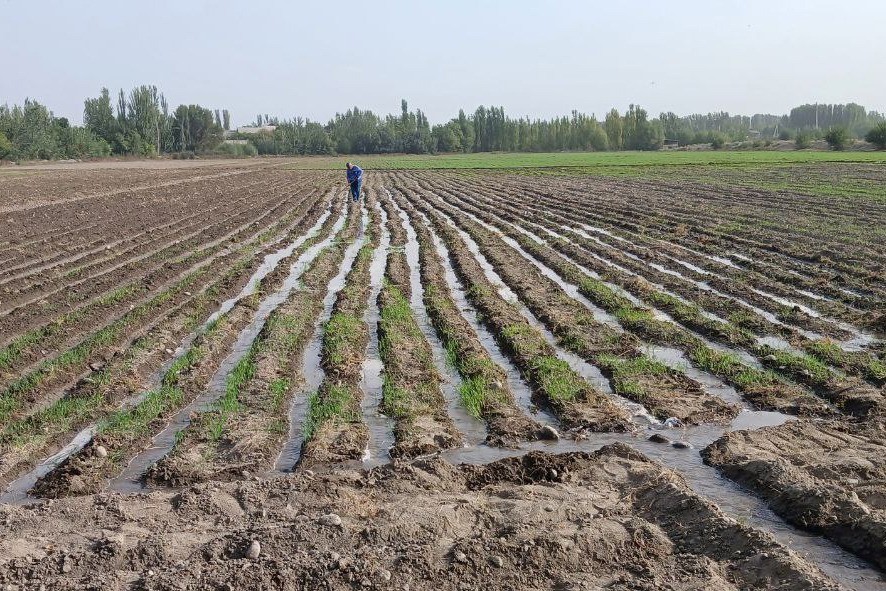
At a government meeting on January 4th, President of Uzbekistan, Shavkat Mirziyoyev listened to proposals aimed at improving the efficiency of water use in agriculture. At the meeting it was stated that in the current condition of an increasingly worsening shortage of water resources, special attention needs to be paid to its rational use. In recent years, 472,000 hectares has been converted to using drip irrigation, 48,000 to sprinkler irrigation, and water-saving technologies have been introduced on 97,000 hectares. As a result of these measures, two billion cubic meters of water were saved in 2023 alone, which is equal to the annual consumption of the Bukhara region. Starting this year, the payment for one cubic meter of water supplied to the field has been set at U$0.008, as the time has come to change the idea that has been established in the minds of many people that water is free, officials said at the meeting. In this regard, it was proposed to organize settlements with water consumers on a differentiated basis. In particular, from 2025 it is planned that a lower tax coefficient be applied to farmers who have installed water meters and introduced water-saving technologies, and a higher rate be applied to those who have failed to do so. The meeting also discussed measures to further stimulate the introduction of water-saving technologies, including opening a preferential credit line under which loans will be issued at a rate of 14% for a period of five years with a two-year grace period. Mirziyoyev approved this proposal, and gave instructions for the scope of water conservation work to be expanded.