• KGS/USD = 0.01144 0%
  • KZT/USD = 0.00194 0%
  • TJS/USD = 0.10864 0.09%
  • UZS/USD = 0.00008 0%
  • TMT/USD = 0.28571 0%
  • KGS/USD = 0.01144 0%
  • KZT/USD = 0.00194 0%
  • TJS/USD = 0.10864 0.09%
  • UZS/USD = 0.00008 0%
  • TMT/USD = 0.28571 0%
  • KGS/USD = 0.01144 0%
  • KZT/USD = 0.00194 0%
  • TJS/USD = 0.10864 0.09%
  • UZS/USD = 0.00008 0%
  • TMT/USD = 0.28571 0%
  • KGS/USD = 0.01144 0%
  • KZT/USD = 0.00194 0%
  • TJS/USD = 0.10864 0.09%
  • UZS/USD = 0.00008 0%
  • TMT/USD = 0.28571 0%
  • KGS/USD = 0.01144 0%
  • KZT/USD = 0.00194 0%
  • TJS/USD = 0.10864 0.09%
  • UZS/USD = 0.00008 0%
  • TMT/USD = 0.28571 0%
  • KGS/USD = 0.01144 0%
  • KZT/USD = 0.00194 0%
  • TJS/USD = 0.10864 0.09%
  • UZS/USD = 0.00008 0%
  • TMT/USD = 0.28571 0%
  • KGS/USD = 0.01144 0%
  • KZT/USD = 0.00194 0%
  • TJS/USD = 0.10864 0.09%
  • UZS/USD = 0.00008 0%
  • TMT/USD = 0.28571 0%
  • KGS/USD = 0.01144 0%
  • KZT/USD = 0.00194 0%
  • TJS/USD = 0.10864 0.09%
  • UZS/USD = 0.00008 0%
  • TMT/USD = 0.28571 0%
22 December 2025

Viewing results 1111 - 1116 of 1814

Can the Aral Sea Be Saved?

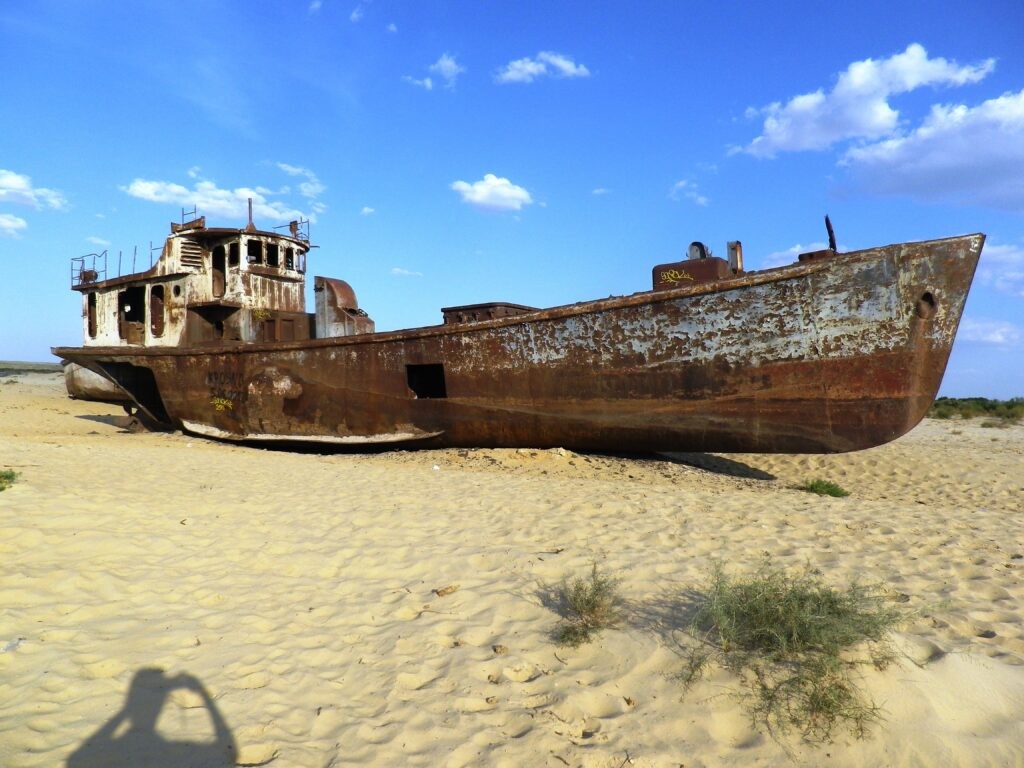
Thanks to cooperation between the Central Asian states, the ultimate demise of the Aral Sea has been prevented. This year, the Northern Aral Sea has significantly replenished its water reserves. The Northern portion of the Aral Sea has received 12.5 times more water this year than the previous year - up to 75 cubic meters per second, the Ministry of Water Resources and Irrigation of Kazakhstan stated in July. The Syr Darya River delivers 650 cubic meters of water per second to the Kyzylorda Oblast. "Joint work has been carried out with Uzbekistan and Kyrgyzstan. In particular, approved water supply schedules are being observed,” Minister of Water Resources and Irrigation, Nurzhan Nurzhigitov explained. Formerly the world's fourth-largest lake covering 68,000 km², the destruction of the Aral Sea first dates back as far as the U.S. Civil War, when, finding his supply of American cotton under threat, the Russian Tsar decided to use the sea’s tributaries to irrigate Central Asia and create his own cotton bowl. With 1.8 million liters of water needed for every bale of cotton, the water soon began to run out. From the 1960s onwards, the sea level began to decline rapidly due to water withdrawal from the main feeder rivers, the Amu Darya and Syr Darya. The local population was growing, and fields needed irrigating. In 1989, the sea split into the Northern (Small) and Southern (Large) Aral reservoirs. [caption id="attachment_21020" align="aligncenter" width="591"] The former port of Zhalanash, Kazakhstan; image: TCA, Stephen M. Bland[/caption] Since independence, the rate of shoaling and desertification have continued to increase. Up until the late-1990s, the land surrounding the Aral Sea was still cotton fields; but today, it’s largely an expanse of salinized grey emptiness. The desiccation of the landscape has led to vast toxic dust-storms that ravage around 1.5 million square kilometers. Spreading nitrates and carcinogens, these storms – visible from space – used to occur once every five years, but now strike ten times a year. By 2007, the Aral had shrunk to one-tenth its original size. In 2014, the eastern part of the Southern Lake dried up completely, and the sea's area reached a historical low of 7,297 km². Over half a century, the volume of water had decreased 30-fold, and the sea's salinity has risen sharply. Nevertheless, Kazakhstan still manages to preserve the remnants of the once colossal lake; the region's fisheries and farms continue, and rare species of birds still inhabit the lands surrounding the shoreline. Today, most scientists say restoring the Aral Sea completely is impossible, but Kazakhstan is attempting to preserve the Northern portion, sometimes referred to as the "Small Aral Sea." In 1993, the International Fund for Saving the Aral Sea (IFSAS) was established, which united Kazakhstan, Uzbekistan, Kyrgyzstan, Turkmenistan, and Tajikistan in this most challenging of tasks. At the time of IFSAS creation, the water area stood at approximately 36,000 km². Over the following decades, it continued to decline, and in 2001 Vozrozhdeniya (Renaissance) Island became connected to the mainland. Vozrozhdeniya contains...
Startups from Kazakhstan, Kyrgyzstan, and Uzbekistan to Undergo Training in Silicon Valley

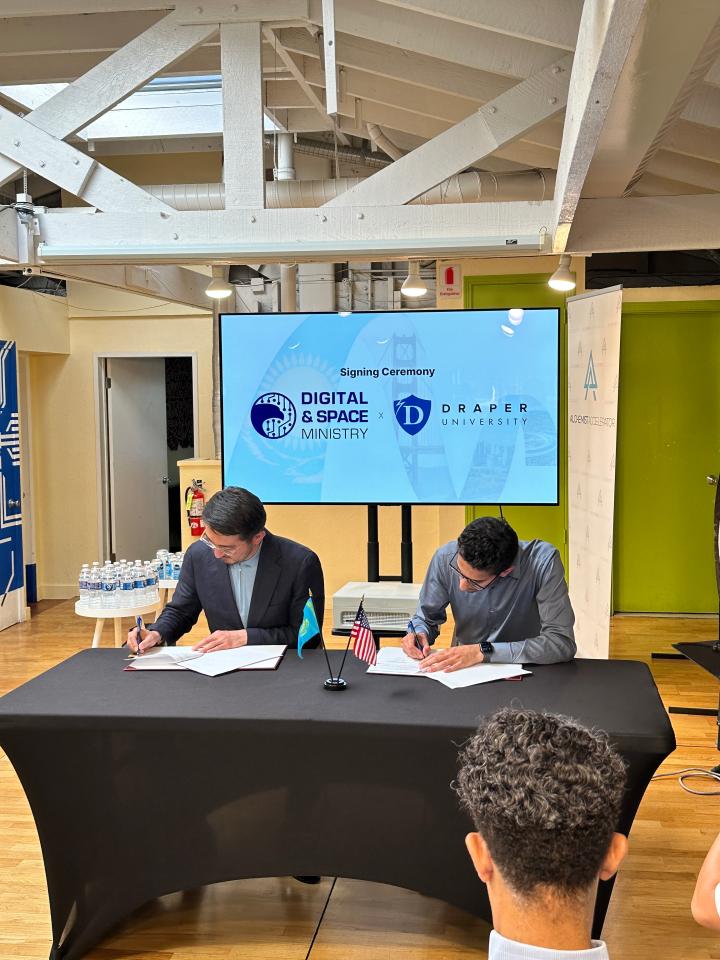
During a visit to the U.S., Kazakhstan’s Minister of Digital Development, Innovation, and Aerospace Industry Zhaslan Madiyev signed four contracts with Alchemist X, Stanford Healthcare Innovation Lab, Draper University, and Silkroad Innovation Hub. Through these contracts, 50 startups from Central Asia will have the opportunity to undergo training and a residency program in Silicon Valley this year. As the Kazakh Ministry of Digital Development reported, Alchemist's five-month intensive program in Silicon Valley is designed for "mature" B2B startups. It aims to help them successfully enter the American market. Program participants will receive comprehensive support, including assistance in concluding first contracts with clients, attracting investment, studying client needs, and interacting with experienced mentors. Ten startups from Kazakhstan, Kyrgyzstan, and Uzbekistan were selected from the 81 applications submitted for the Alchemist X program. More than 20 startups will also participate in the Silicon Valley Residency Program, an online pre-acceleration program. Based on the results of this program, startups will be selected to undergo an offline program at the Silkroad Innovation Hub in California. The minister also signed a letter of intent (LOI) with Draper University to send 10 Kazakhstani startups to participate in this fall’s Hero Training program, designed for early startups. Madiyev also signed a memorandum with Stanford School of Medicine to launch a new six-week program for 10 Kazakhstani startups for technologies in healthcare. The program will be held at the Stanford Healthcare Innovation Lab and is designed for startups working in AI in healthcare, genomics, bioinformatics, biological sciences, precision medicine, neuroscience, and psychology.

Turkmenistan Considering Creating a Tourist Resort in Kyrgyzstan’s Cholpon-Ata

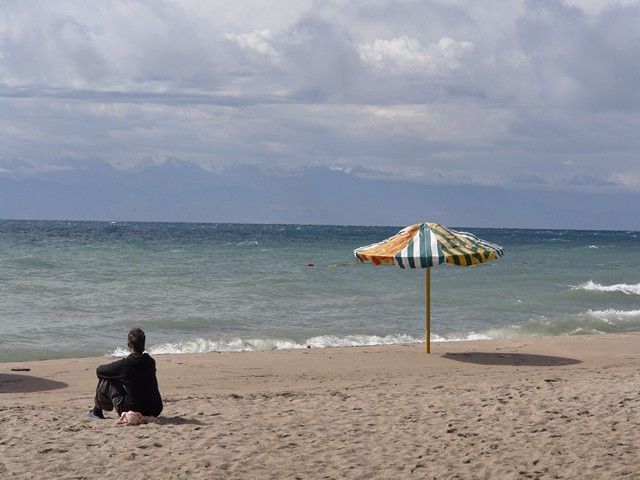
An intergovernmental committee focused on cooperation between Kyrgyzstan and Turkmenistan has met in the Kyrgyz resort of Cholpon-Ata, to discuss the potential for building a Turkmen resort in the city. Cholpon-Ata, on the shores of Lake Issyk-Kul, is Kyrgyzstan's main tourist destination, well known in Central Asia for its clean beaches and clear water. Turkmenistan has been developing its own tourism industry in recent years, based around the new Avaza National Tourism Zone on its Caspian coast.

Agribusiness Park to be Launched in Kazakhstan’s Akmola Region

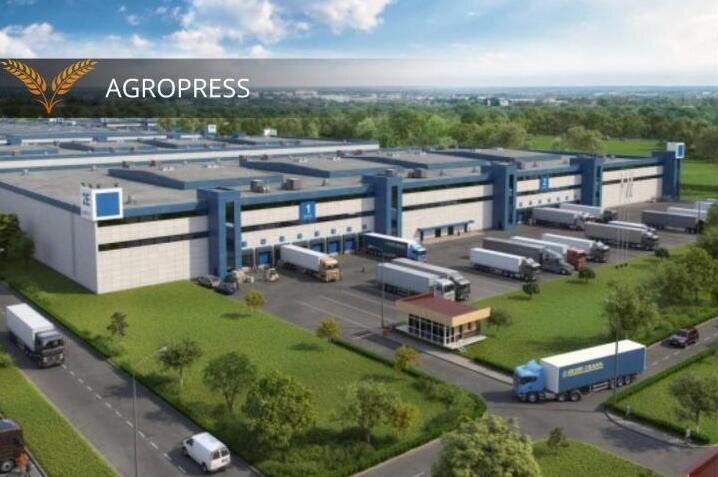
The Hungarian company Globalia Ltd is creating agricultural facilities in Kazakhstan’s Akmola region. The new agribusiness park will use industrial technologies developed in Hungary. The eight agribusinesses located at the park will implement sustainable and environmentally friendly technologies, and will allow for products to be traced between the producer and the end consumer. Projects will not require any special funding. The agribusiness park plans to start producing fish farming projects within three years. It will also open a research and development station for growing varieties of various plants. Kazakhstani companies located at the park will have access to new technologies and tools, including the Carbon Farming system, which helps to capture and accumulate CO2 from the soil.

Direct Flights Between U.S. and Kazakhstan to Begin in Late 2025

Following a meeting between Zhaslan Madiyev, the Minister of Digital Development, Innovation, and Aerospace, and officials from Boeing, the authorities in Kazakhstan have stated that the first B787 "Dreamliner" will be delivered in late 2025, bringing Astana's long-held goal of direct flights between Kazakhstan and the United States by the end of 2025 a step closer. This new aircraft will strengthen Kazakhstan's aircraft fleet, and expand the country's air route map. Boeing's manufacturing facilities are located worldwide, and in 2023 alone, Boeing earned almost $80 billion The company had long been known for its innovative solutions and high-quality standards until a series of crashes and groundings following cost-cutting measures. On average, a Boeing airplane takes off every two minutes worldwide.

Why Does Germany’s New Hydrogen Policy Suit Kazakhstan?

DW shares that Germany has adopted a strategy for importing hydrogen (H2), which is good news for Kazakhstan and a challenge for Russia. The document, approved on July 24, reportedly outlines plans to replace fossil natural gas with renewable hydrogen. Berlin promises a stable market for H2 producers, as Europe's largest economy intends to increase its imports due to the lack of domestic production capacity. Private companies in Germany plan to build a hydrogen pipeline network of about 10,000 kilometers by 2032. Around 40% of this network will be built specifically for hydrogen, while 60% will be adapted gas pipelines. One of these pipelines will be one of the two pipelines previously laid from Lubmin on the Baltic coast to the Czech border, initially intended for Russian gas from Nord Stream. Germany plans to import 50-70% of its hydrogen needs by 2030, between 95 and 130 terawatt-hours (about 9.5-13 billion cubic meters of natural gas). That's about as much as Gazprom plans to deliver to the EU this year via the Ukrainian route. Hydrogen demand could reach 500 terawatt-hours by 2045, comparable to the amount of gas supplied through the first Nord Stream before the war in Ukraine. These plans preclude renewed gas cooperation with Russia, as infrastructure would be adapted to replace natural gas with hydrogen, signaling a long-term change in Germany's energy policy and a shift from Russian gas. With its ideal conditions for green hydrogen production in the country's west, Kazakhstan could become a key supplier for Germany. The strategy envisions a wide range of suppliers to avoid dependence on a single source. Around 40 countries are listed as potential partners, including Kazakhstan and Ukraine. Germany already has specific cooperation agreements with 15 of these countries. The German economy is preparing to import hydrogen in various forms: gaseous, liquefied, or in the form of hydrogen-containing chemicals such as ammonia and methanol. This diversifies sources and minimizes the risks of dependence on individual suppliers. Germany's hydrogen import strategy thus presents significant opportunities for Kazakhstan and other partner countries, creating new prospects for hydrogen exports. At the same time, it presents severe challenges for Russia, limiting its role in Germany's future energy market.