• KGS/USD = 0.01143 0%
  • KZT/USD = 0.00202 0%
  • TJS/USD = 0.10433 0%
  • UZS/USD = 0.00008 0%
  • TMT/USD = 0.28575 0%
  • KGS/USD = 0.01143 0%
  • KZT/USD = 0.00202 0%
  • TJS/USD = 0.10433 0%
  • UZS/USD = 0.00008 0%
  • TMT/USD = 0.28575 0%
  • KGS/USD = 0.01143 0%
  • KZT/USD = 0.00202 0%
  • TJS/USD = 0.10433 0%
  • UZS/USD = 0.00008 0%
  • TMT/USD = 0.28575 0%
  • KGS/USD = 0.01143 0%
  • KZT/USD = 0.00202 0%
  • TJS/USD = 0.10433 0%
  • UZS/USD = 0.00008 0%
  • TMT/USD = 0.28575 0%
  • KGS/USD = 0.01143 0%
  • KZT/USD = 0.00202 0%
  • TJS/USD = 0.10433 0%
  • UZS/USD = 0.00008 0%
  • TMT/USD = 0.28575 0%
  • KGS/USD = 0.01143 0%
  • KZT/USD = 0.00202 0%
  • TJS/USD = 0.10433 0%
  • UZS/USD = 0.00008 0%
  • TMT/USD = 0.28575 0%
  • KGS/USD = 0.01143 0%
  • KZT/USD = 0.00202 0%
  • TJS/USD = 0.10433 0%
  • UZS/USD = 0.00008 0%
  • TMT/USD = 0.28575 0%
  • KGS/USD = 0.01143 0%
  • KZT/USD = 0.00202 0%
  • TJS/USD = 0.10433 0%
  • UZS/USD = 0.00008 0%
  • TMT/USD = 0.28575 0%

Viewing results 1495 - 1500 of 2256

Why Kazakhstan’s Deepening Ties With Afghanistan Are Significant

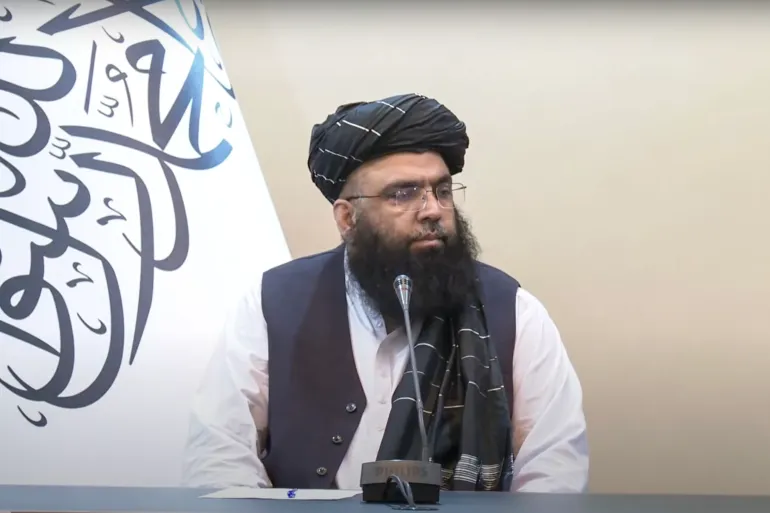
At the end of April a Kazakh delegation made an official visit to Kabul, where a meeting of the Kazakh-Afghan Business Forum and an exhibition of Kazakh products were held. This was the third bilateral event aimed at expanding trade and economic ties between Kazakhstan and Afghanistan. The visit to Kabul indicates Astana’s intention to enhance Kazakhstan’s relations with the new Afghan authorities, and not only through trade. This is evidenced by a number of details that differed from previous official contact. First, an unannounced trilateral government meeting took place between Afghanistan, Kazakhstan and Turkmenistan in Kabul. The result was the announcement that a new logistics route to Afghanistan through Turkmenistan and Kazakhstan would be developed. There is nothing earthshaking about this – Turkmenistan is set to become a transportation hub for international corridors passing through Kazakhstan, primarily the North-South and the Middle corridors, as well as the Lapis Lazuli Corridor (Turkey-Azerbaijan-Turkmenistan-Afghanistan). What is significant is that the sides are striving to create favorable conditions for logistics, especially more competitive transport tariffs so trains can pass through faster. This is particularly important given congestion in Uzbekistan, where bottlenecks occur. The announcement in Kabul also means a direct route to economically attractive western Afghanistan and further south. What else made the Kabul visit notable was the meeting between Kazakh deputy prime minister Serik Zhumangarin, who oversees trade, and Abdul Kabir, the Taliban’s deputy prime minister for political affairs. Given the reputation of the Taliban, it is not in the interests of Astana to simply stage a conversation for the cameras. Unfortunately, details about the Zhumangarin-Kabir meeting are few. According to the available information, the deputy prime ministers discussed security issues in Afghanistan, apparently in the context of how to grow the Afghan economy. Following the meeting, Kabir stated that Afghanistan does not want to be a threat to the region, and intends to improve relations with its neighbors through the progressive development of trade and economic relations. The Zhumangarin-Kabir meeting is said to have taken place on the initiative of the Afghan side. Considering Kabir’s closeness to the emir of the Taliban, it is likely that the initiative came from him. Other notable outcomes of the visit of the Kazakh delegation to Kabul included: discussion of joint projects for geological exploration, mining and processing of solid minerals in Afghanistan, as well as in the IT sector; discussion of the possibilities for supplying Kazakh-made cars and subsequent localization of service centers in Afghanistan; a rise in the quota for Afghan students at Kazakh universities from 30 to 60, as well as a 10-day trip to children’s camps in Kazakhstan for 30 Afghan children in the summer of 2024; and discussion of the possibility of establishing direct flights between the two countries. Aidar Borangaziev is a Kazakhstani diplomat. He has worked in the diplomatic service in Iran and Afghanistan. He is a founder of the Open World Center for Analysis and Forecasting Foundation (Astana). He is an expert in regional security.    
Tajikistan Warns Its Citizens to Be Ready for Additional Checks at Kazakhstan’s Airports

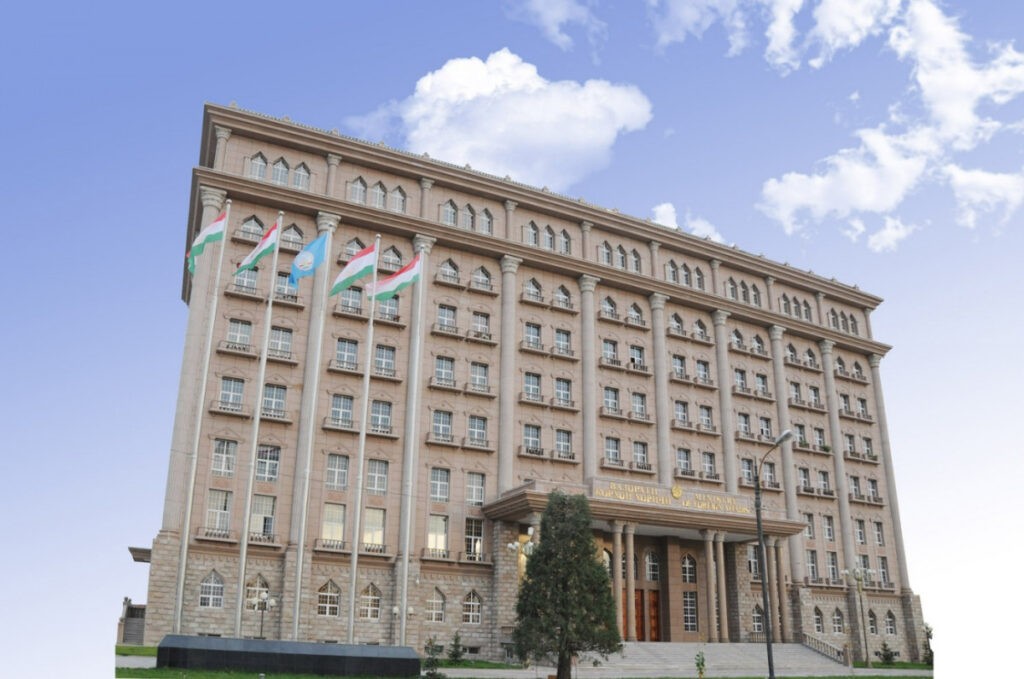
Tajikistan's Foreign Ministry has reminded its citizens in a statement on its website to have all necessary documents with them before leaving for Kazakhstan due to increased security measures at all airports in the neighboring country. "In case of checks when passing border and customs control upon arrival in Kazakhstan, citizens of Tajikistan should be ready to answer questions related to the purpose and timing of their trip, place of residence, the presence of acquaintances or relatives in Kazakhstan, providing, if necessary, their residential address and contact numbers," the Foreign Ministry said. The Ministry noted that in case of difficulties it is necessary to apply to the Embassy of Tajikistan in Kazakhstan or the Consulate General in Almaty. Fom May 1, aviation security measures have been strengthened in all of Kazakhstan's airports. Additional measures have been introduced at security check areas, parking lots and passenger terminals. As reported by the press service of Kazakhstan's Civil Aviation Committee (CAC) at the Ministry of Industry, the first line of inspection at the entrance to passenger terminals has been introduced to help preclude the movement of prohibited items and substances. "Strengthening of measures on aviation security is associated with the implementation of preventive measures and assessment of the state of aviation security of civil aviation air transport infrastructure," stated the CAC.

Central Asian Entrepreneurs in Russia Shutting Down Hospitality Businesses Due to Xenophobia, Police Inspections

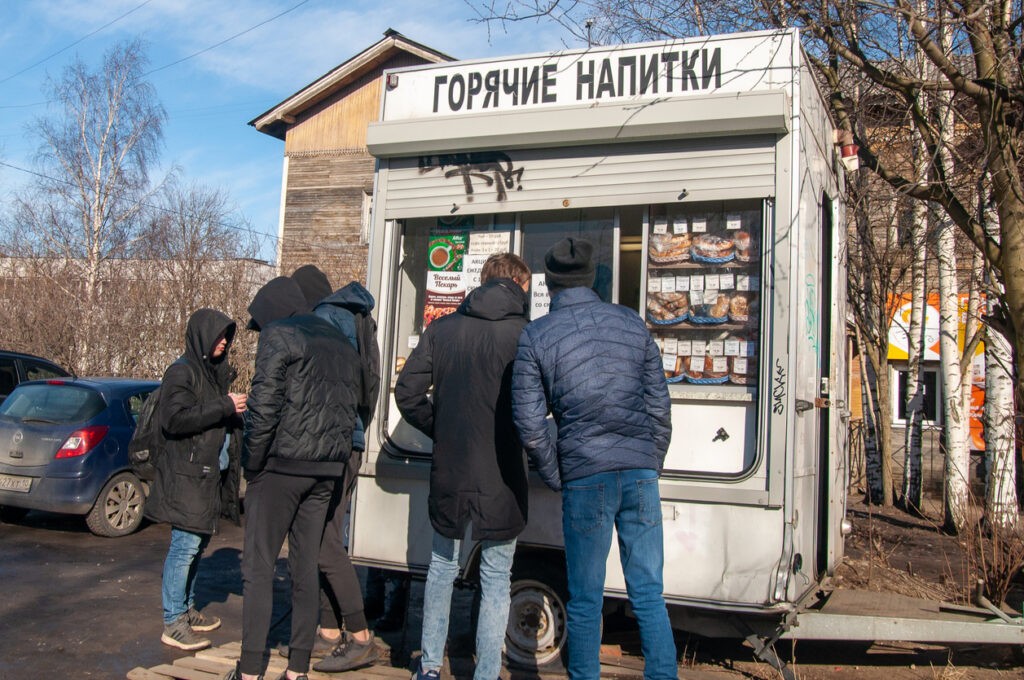
As previously reported by TCA, cafes and restaurants in Russia run by business owners from Central Asia have begun to close en masse. Following the terrorist attack on Crocus City Hall near Moscow on March 22, for which several Tajik nationals have been detained and charged as the perpetrators, preexisting anti-migrant sentiment in Russia has intensified. Since that time, 75% of cafes and restaurants run by Central Asian migrants in Moscow alone have shut, with their owners citing xenophobia and harassment by the police. According to the Current Time news portal, police have sharply stepped up checks on newcomers, mostly Central Asians, over the past month. Raids against migrants are going on all over the country. Many migrants have already left Russia because of this - or refused to visit public places, including cafes. Café and restaurant owners have therefore suffered losses, and many have been forced to cease operations altogether. Police inspections of cafes and restaurants frequented by migrants have also increased - which is also not good for business. Migrants from other countries who work in the hospitality industry in Russia have also stated that increased xenophobia and raids after the terrorist attack have hit the restaurant business particularly hard. Those pressures - coupled with painfully high Russian inflation for food, goods, labor, and more  - have made operations in the hospitality sector unprofitable for many whose livelihoods depend on it.

Kazakhstan to Host Armenia-Azerbaijan Talks on May 10

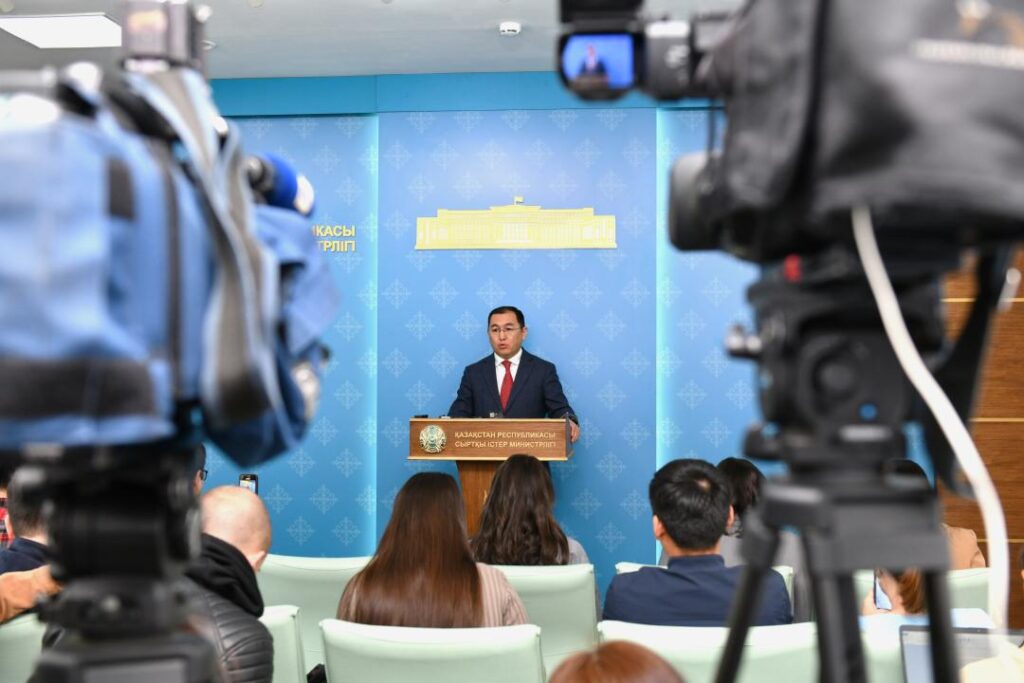
The foreign ministers of Armenia and Azerbaijan will hold talks in Almaty on May 10 as they seek to end their long-running conflict, Kazakhstan said on Monday. The negotiations will happen in line with “previously reached agreements,” said Aibek Smadiyarov, spokesman for Kazakhstan’s Ministry of Foreign Affairs. Jeyhun Bayramov, Azerbaijan’s top diplomat, and his Armenian counterpart, Ararat Mirzoyan, will attend, according to the Kazakh official. Armenia and Azerbaijan have been locked in tension and conflict over territory since the 1990s, though the two sides have been working to delineate their borders following Azerbaijan’s retaking of control of the disputed Nagorno-Karabakh region last year. As reported by TCA last week, in a statement President Tokayev “welcome[d] the agreement between the Republic of Azerbaijan and the Republic of Armenia to hold talks at the Foreign Ministers’ level on the preparation of a peace treaty between the two states, at the suggestion of the Kazakh side.” Tokayev went on to express his hope the upcoming meeting would help with the “practical implementation” of agreements between the two sides.

Citizens of Kazakhstan Aren’t Being Detained at Borders with Russia, Ministry Claims

The Ministry of Foreign Affairs of Kazakhstan, Aibek Smadiyarov, is reassuring its citizens that they can safely visit Russia, stating that the relationship between the two nations is based on the principles of friendship, alliance, and strategic partnership, and are a model of multifaceted interstate cooperation. "We do not observe any problems on the Kazakh-Russian border. Our diplomats in Russia are constantly in contact with local authorities, the Ministry of Foreign Affairs, and the border service. Our citizens do not observe any mass detentions or document checks. If they have been stopped or had their documents checked, it is for security purposes," said Smadiyarov at the briefing. He also advised Kazakhstani citizens to observe Russian laws while in the country. Earlier, the foreign ministries of Tajikistan and Kyrgyzstan recommended that their citizens shouldn't visit Russia without good reason. These statements were made against the backdrop of a tightening on migration controls by the Russian authorities following the March 22 terrorist attack on the Crocus City Hall near Moscow. Since then, xenophobic attacks on migrants from Central Asia have been on the rise. According to currenttime.tv, 75% of cafes and restaurants run by Central Asian migrants in Moscow alone have shut since the incident due to police harassment.

Kazakhstan Offers to Host Platform for Russia-Ukraine Negotiations

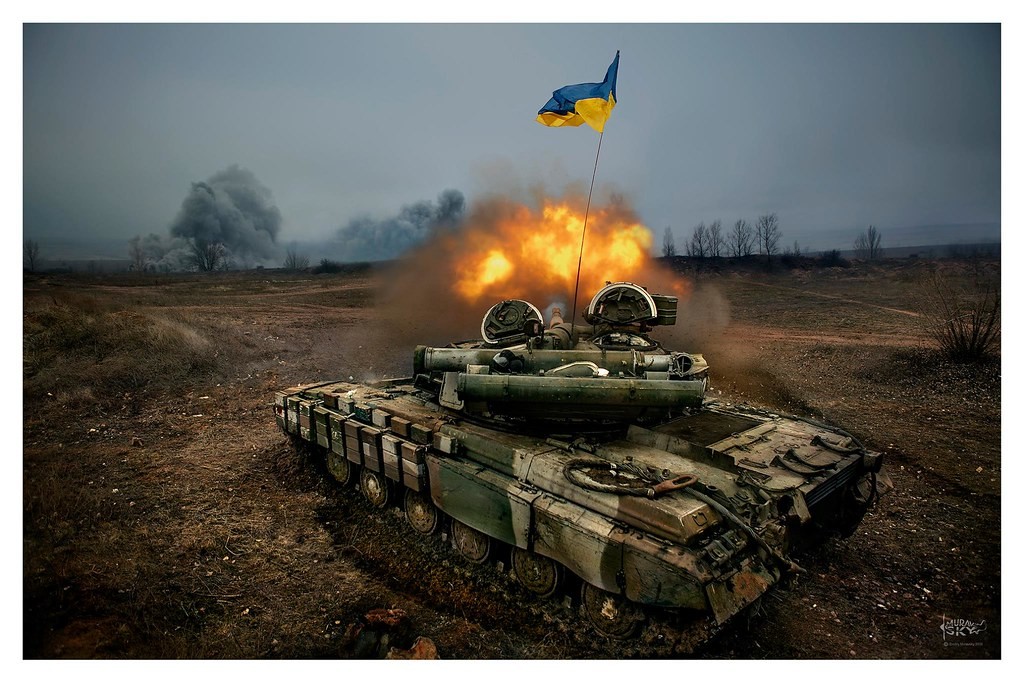
Kazakhstan is prepared to host negotiations to settle the war in Ukraine, according to comments made by Kazakhstan's ambassador to Russia, Dauren Abayev, in an interview with the Russian state news outlet TASS. "Certainly, Kazakhstan is always ready to help on all processes that concern the world. This is not only Russia and Ukraine, but also Armenia and Azerbaijan, on the Syrian issue, on the Iranian issue. It is probably [an overstatement] to say to be mediators, but to provide a platform, to create some conditions, we are certainly ready," Abayev said. He added: "There are many different initiatives now, and there is a clear understanding that without Russia's participation, these processes are impossible. Of course, Russia's opinion should always be taken into account in these processes. Of course, we are ready to be, as I say, not mediators, but to provide a platform, to create some conditions," he added. As previously reported in the media, Kazakhstan's president Kassym-Jomart Tokayev, during his recent visits to Azerbaijan and Armenia, underscored Kazakhstan's readiness to provide platforms for negotiations between Baku and Yerevan. The Armenian foreign ministry said that a direct meeting of the sides will be held as early as May 10. Previously, Kazakhstan provided a platform for negotiations on the war in Syria. Negotiations concerning the Iranian nuclear program have also been held in Kazakhstan.