• KGS/USD = 0.01143 0%
  • KZT/USD = 0.00216 0%
  • TJS/USD = 0.10633 -0.28%
  • UZS/USD = 0.00008 0%
  • TMT/USD = 0.28571 0%
  • KGS/USD = 0.01143 0%
  • KZT/USD = 0.00216 0%
  • TJS/USD = 0.10633 -0.28%
  • UZS/USD = 0.00008 0%
  • TMT/USD = 0.28571 0%
  • KGS/USD = 0.01143 0%
  • KZT/USD = 0.00216 0%
  • TJS/USD = 0.10633 -0.28%
  • UZS/USD = 0.00008 0%
  • TMT/USD = 0.28571 0%
  • KGS/USD = 0.01143 0%
  • KZT/USD = 0.00216 0%
  • TJS/USD = 0.10633 -0.28%
  • UZS/USD = 0.00008 0%
  • TMT/USD = 0.28571 0%
  • KGS/USD = 0.01143 0%
  • KZT/USD = 0.00216 0%
  • TJS/USD = 0.10633 -0.28%
  • UZS/USD = 0.00008 0%
  • TMT/USD = 0.28571 0%
  • KGS/USD = 0.01143 0%
  • KZT/USD = 0.00216 0%
  • TJS/USD = 0.10633 -0.28%
  • UZS/USD = 0.00008 0%
  • TMT/USD = 0.28571 0%
  • KGS/USD = 0.01143 0%
  • KZT/USD = 0.00216 0%
  • TJS/USD = 0.10633 -0.28%
  • UZS/USD = 0.00008 0%
  • TMT/USD = 0.28571 0%
  • KGS/USD = 0.01143 0%
  • KZT/USD = 0.00216 0%
  • TJS/USD = 0.10633 -0.28%
  • UZS/USD = 0.00008 0%
  • TMT/USD = 0.28571 0%

Viewing results 649 - 654 of 1330

Uzbekistan Leads Central Asia in World Happiness Report

The World Population Review has announced this year's list of the happiest countries in the world. Since 2002 the World Happiness Report has used statistical analysis to determine the probable wellbeing of countries. To determine the happiest country in the world, researchers analyzed Gallup poll data collected from 143 countries over the past three years. The index looks at six categories: gross domestic product per capita, social support, life expectancy, freedom to make life choices, generosity of the general population, and perceptions of internal and external corruption levels. The seven happiest countries in the world for 2024 are all in Europe, with six of them being in Northern Europe. Finland is in first place, followed by Denmark, Iceland, Sweden, Israel, the Netherlands, and Norway. Afghanistan ranked as the least happy country in 2024, placing 143rd. This is due to factors like low life expectancy, low GDP per capita, and the impact of the Taliban takeover. Uzbekistan takes 47th place in the ranking and is the happiest country in Central Asia. Kazakhstan is next, in 49th place overall, falling from 44th last year. Kazakhstan’s relatively slow population growth will allow the country to continue makihttps://timesca.com/uzbekistan-leads-central-asia-in-world-happiness-report/ng economic progress and reduce poverty in the coming decades. Tajikistan ranks 88th on the list. The World Happiness Report says: “Tajikistan’s population boom threatens its economy and resources. The government has implemented laws in the past to encourage contraception, and while this has helped bring down the birth rate, the country still has a long way to go.” The report doesn’t provide information about Kyrgyzstan and Turkmenistan this year. According to the most recent data for them, Turkmenistan was 78th in 2022, and Kyrgyzstan was 62nd in 2023.
Restoring Roars: The Historic Return of Amur Tigers to Kazakhstan’s Wilderness

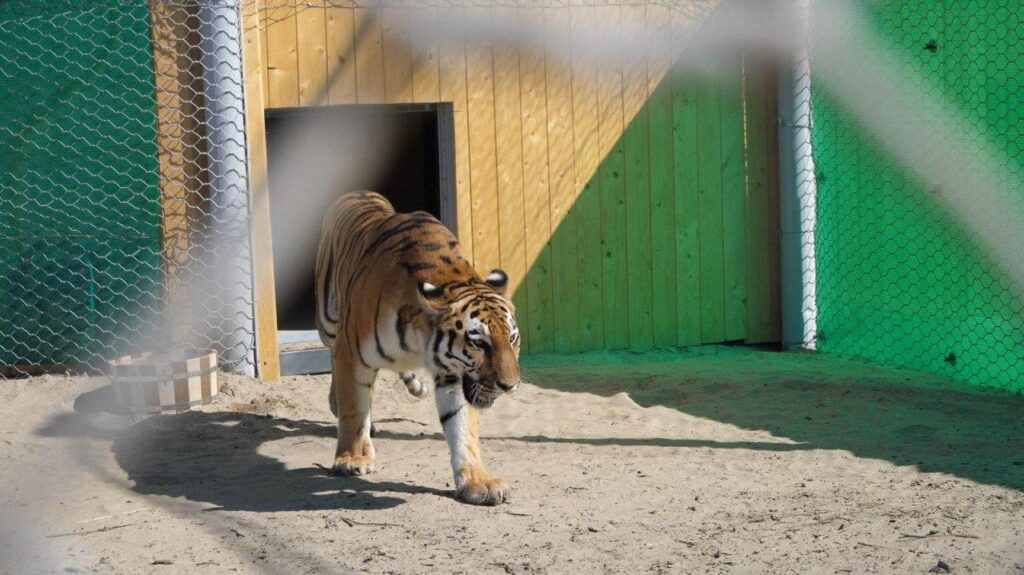
This past weekend, two Amur tigers were brought to the Ile-Balkhash State Nature Reserve in southern Kazakhstan from the Landgoed Hoenderdaell Zoo in the Netherlands. The tigers, one male and one female, will live in a specially-built enclosure in the reserve for breeding and the release of their offspring into the wild. Their offspring are expected to become the first wild tigers to reappear on Kazakhstan's territory in more than 70 years. In 2025, another three or four tigers are planned to arrive in Kazakhstan from Russia. In 2010, Kazakhstan's government announced plans to reintroduce Amur tigers to the country. Seven years later, a tiger reintroduction program was developed, and the southern shore of Lake Balkhash in the delta of the Ili River was chosen as the most suitable place to restore the population in Kazakhstan. The program is being implemented by the Ministry of Ecology and Natural Resources in Kazakhstan, with the support of the World Wildlife Fund (WWF) and the United Nations Development Programme (UNDP). According to the ministry, the Ile-Balkhash Reserve can accommodate a population of up to 100 tigers. The tigers that were once indigenous to Kazakhstan were known as Turan tigers. The Turan tiger was an extinct population once found in Central Asia, the Caucasus, and northern Iran. Biologists suggest that Turan tigers and Amur tigers, native to Russia's Far East, are not distinct subspecies but belong to the same group of big cats. The Ile-Balkhash Reserve was created to restore the ecosystem of the southern Balkhash region, and work is underway to restore the tiger's natural food base. Ile-Balkhash is a critical natural area of the Ile River Delta with the adjacent shore of Lake Balkhash. It is the only preserved river delta in Central Asia, while the others (the deltas of the Syr Darya, Amu Darya, and Chu Rivers) have degraded due to desertification. Improving the tiger's natural food supply and the reserve's remoteness will help avoid conflict between the tiger and humans in the area. Historically, the Turan tigers' habitats in Kazakhstan were reed beds and floodplain forests along the banks of the Ili and Syr Darya rivers. Based on historical records of tiger hunts and the frequency of human encounters with them, the population density of the Turan tiger was considerably higher than that of the Amur tiger, and more comparable to the density of tigers in India. In what is now Kazakhstan, the extermination of tigers, including through military shootings, began in 1891. The destruction of their habitat and primary food sources — such as Tugai red deer, goitered gazelles, saigas, kulans, roe deer, and wild boars — ultimately led to their extinction by 1948. This is not the first project to reintroduce endangered species to Kazakhstan. In June 2024, eight Przewalski’s horses were reintroduced to the Altyn Dala Nature Reserve in the Kostanay region of Kazakhstan. The horses were transported from Prague Zoo. The Kazakh Ministry of Ecology and Natural Resources have said that 40 wild horses will be...

Uzbek Parliament Adopts Law on “Undesirable” Foreigners

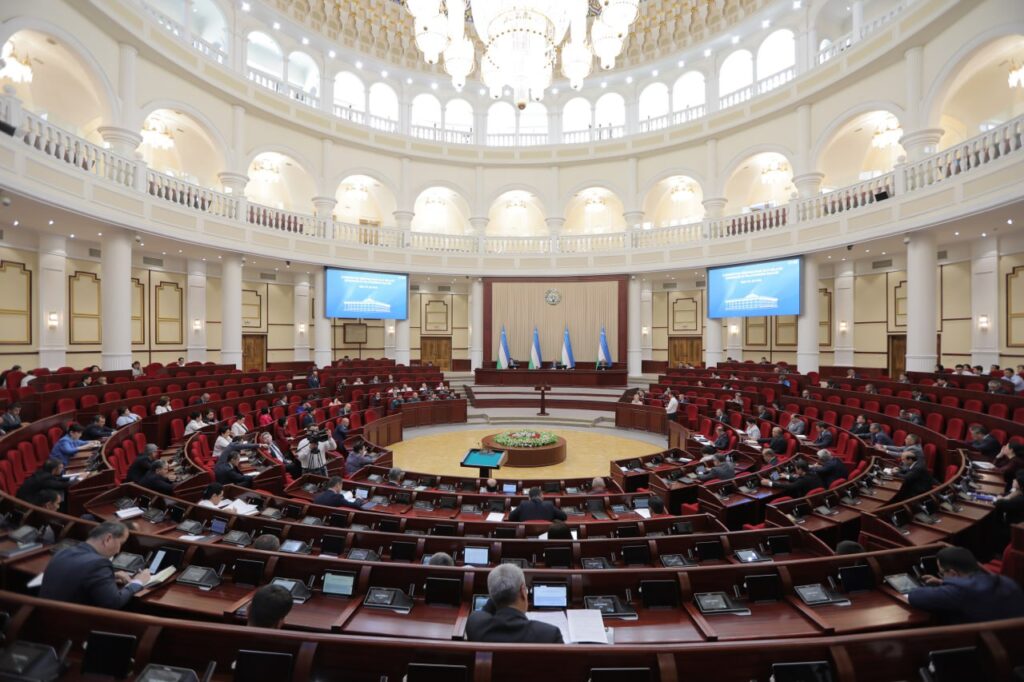
On September 20, the Senate of Uzbekistan's Oliy Majlis approved amendments to the law regulating the legal status of foreign citizens and stateless persons. The main changes concern those who, through their public statements and actions, threaten Uzbekistan's state sovereignty, territorial integrity, and security. According to Senator Anvar Tuichiev, such persons often provoke interstate, social, and religious discord and discredit the honor and dignity of the people of Uzbekistan. The existing legislation lacks the legal mechanisms to tackle such actions. The amendments adopted establish that foreign citizens and stateless persons who commit such acts will be considered "undesirable," and will be included in the registry of the Ministry of Foreign Affairs of Uzbekistan. Those on the registry will be subject to a five-year ban on entering the country, opening bank accounts, buying real estate, and participating in the privatization of state property. If such a person temporarily or permanently resides in Uzbekistan, they will be given ten days to leave voluntarily. Otherwise, a procedure for their deportation will be initiated. A person can be removed from the register if the reasons for their inclusion are eliminated. The senator also stated that the experience of countries such as Kazakhstan, Azerbaijan, Poland, Belarus, Russia, Ukraine, and China was considered when drafting the law. The amendments will come into force after being signed by President Mirziyoyev. The decision came to make changes to the legislation came amid statements such as that made by Russian politician Zakhar Prilepin in 2023, who proposed that Russia annex Uzbekistan and other former Soviet republics. This provoked a sharp reaction among Uzbek politicians, including deputies Rasul Kusherbayev and Bobur Bekmurodov. The Norwegian Helsinki Committee has said that it fears the new amendments could contradict international standards of freedom of expression, leading to Uzbekistan's isolation.

USAID Extends Education Programs in Uzbekistan

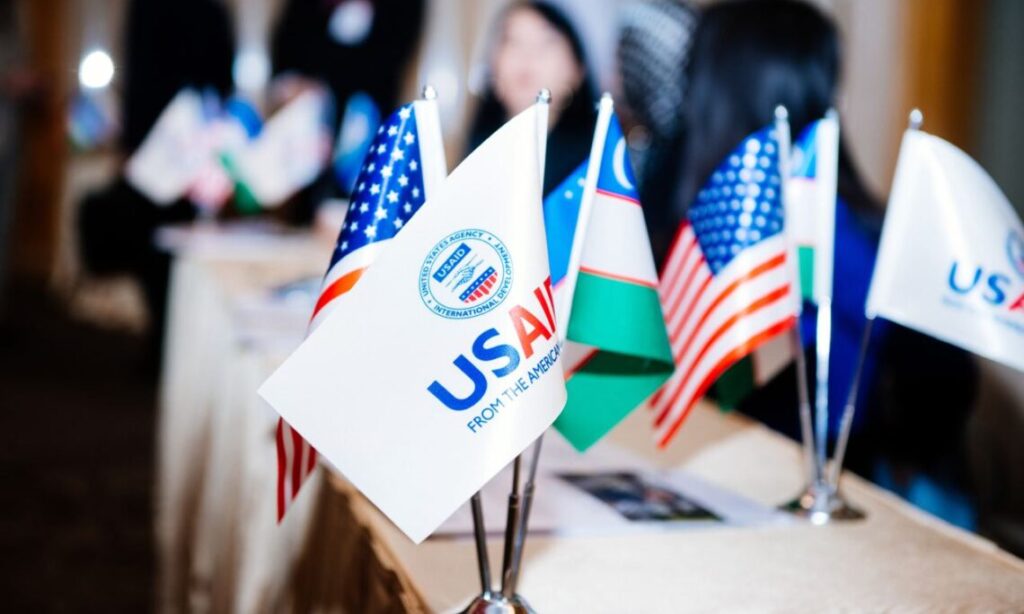
The United States Agency for International Development (USAID) has provided an additional $6.1 million in funding under an ongoing Development Goals Grant Agreement (DOAG) with the Department of Early Childhood Education. The total volume of investments in DOAG nw exceeds $47 million, the US Embassy in Tashkent has reported. The embassy added that the new funding strengthens programs that help develop basic skills in elementary school students, and gives students in grades 8-11 the entrepreneurial and economic skills they need to get jobs and participate in the economy of the future. “Investing in education is an investment in a brighter future for everyone. By providing quality education, we empower individuals with the skills and knowledge they need and pave the way for a more prosperous, equitable, and stable society,” explains David Hoffman, USAID Mission Director in Uzbekistan. “Every dollar spent on education is a step toward building a better tomorrow for all,” he added. The five-year DOAG contract was signed in 2019. USAID’s investments in Uzbekistan’s education sector aim to improve reading and math skills in primary grades, English fluency, information and communication technology development, and employability skills. Also, in March, USAID announced the investment of $17.7 million in a five-year project to support business in Uzbekistan. This investment will increase competitiveness in the fields of information and communication technologies (ICT), tourism, textiles, and green economy. Another USAID initiative is to support clean energy goals in Uzbekistan. As part of the initiative, the “Strategy for the Development of Renewable and Hydrogen Energy” of Uzbekistan plans to increase the production of renewable energy (solar, wind, and hydropower) by 25% by 2030 and achieve carbon neutrality by 2050.

Uzbekistan to Head CIS Interstate Space Council

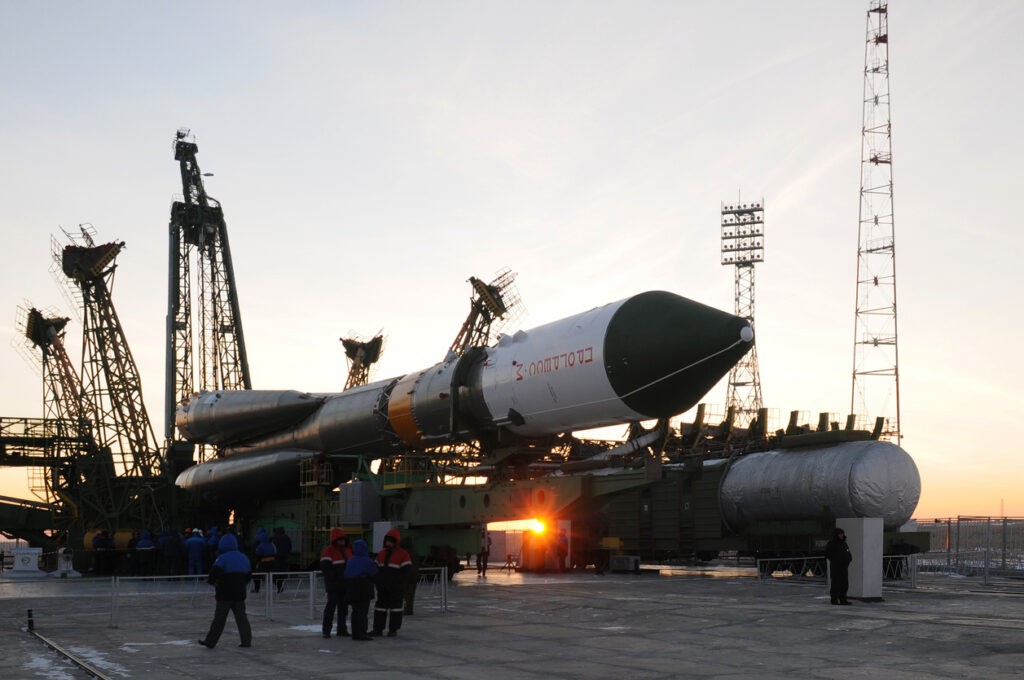
Uzbekistan will head the Interstate Space Council of CIS countries for 2024-2025, and Shukhrat Kadirov, Director of the Uzbekcosmos agency, was unanimously elected as the council chairman. This decision was made at the Fifth Council meeting, which was held in Tashkent. According to CIS rules, the council's chairmanship is passed alphabetically between the participating countries; Tajikistan held the previous chairmanship. Kadirov proposed enhancing cooperation in space education and initiating joint projects to train young specialists. He also noted that the council faces ambitious tasks, including coordinating within the UN and deepening cooperation in space technologies. In August this year, Uzbekistan announced its accession to the 1967 treaty on the exploration and use of space. It was also reported that Uzbekistan will not send weapons of mass destruction into space; the country has advocated reducing the risk of space militarization. The CIS Interstate Space Council is an organization established to coordinate the efforts of CIS countries in space activities. The Council deals with space research, technological developments, and the implementation of joint projects in the space sphere. The organization's importance lies in strengthening cooperation between the countries in using space technologies for scientific research, communications, and navigation. The Council also works on coordination within international organizations such as the UN.

ADB to Finance Upgrade of Barskoon–Karakol Section of Issyk-Kul Ring Road in Kyrgyzstan

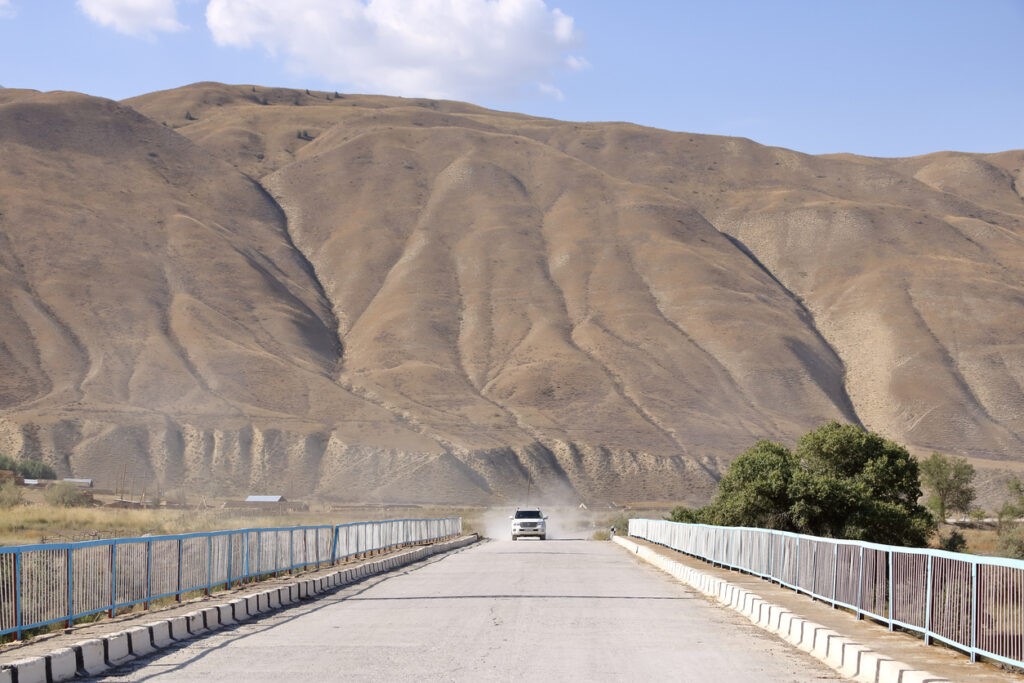
The Asian Development Bank (ADB) announced on September 19 that it had approved $109.5 million in financing to renovate the highway around Lake Issyk-Kul. The lake is one of the most popular tourist destinations in Kyrgyzstan, and a strategic location that connects to neighboring Central Asian countries. ADB’s Issyk-Kul Ring Road Improvement Project will construct 75.2 kilometers of the road traversing the Barskoon to Karakol section of the Issyk-Kul Ring Road, which connects the Central Asia Regional Economic Cooperation (CAREC) Corridor 1. The project will widen the two-lane roadway to four lanes to meet increasing traffic demand, while incorporating climate-adaptation measures into the road design and construction materials. Rest areas, bus stops, streetlights, and safer access for pedestrians will also be constructed. The ADB funding comprises an $87 million concessional loan and a $22.5 million grant from the Asian Development Fund. ADB Principal Transport Specialist Oyunchimeg Erdene commented: “The Barskoon–Karakol road section [on the southern shore of Lake Issyk-Kul] is the remaining portion of the Issyk-Kul Ring Road for improvement. Completing this will mean eliminating congestion and boosting tourism that will support the growth of businesses in the area.” Kyrgyzstan’s Deputy Minister of Transport, Beknazar Bazaraliev, earlier said that the rehabilitation of the Issyk-Kul Ring Road is to be completed in 2028. The rehabilitation of the 440 km long Issyk-Kul Ring Road was divided into several parts and is financed by the government and international financial organizations.