• KGS/USD = 0.01144 0%
  • KZT/USD = 0.00217 0%
  • TJS/USD = 0.10456 0%
  • UZS/USD = 0.00008 0%
  • TMT/USD = 0.28571 0%
  • KGS/USD = 0.01144 0%
  • KZT/USD = 0.00217 0%
  • TJS/USD = 0.10456 0%
  • UZS/USD = 0.00008 0%
  • TMT/USD = 0.28571 0%
  • KGS/USD = 0.01144 0%
  • KZT/USD = 0.00217 0%
  • TJS/USD = 0.10456 0%
  • UZS/USD = 0.00008 0%
  • TMT/USD = 0.28571 0%
  • KGS/USD = 0.01144 0%
  • KZT/USD = 0.00217 0%
  • TJS/USD = 0.10456 0%
  • UZS/USD = 0.00008 0%
  • TMT/USD = 0.28571 0%
  • KGS/USD = 0.01144 0%
  • KZT/USD = 0.00217 0%
  • TJS/USD = 0.10456 0%
  • UZS/USD = 0.00008 0%
  • TMT/USD = 0.28571 0%
  • KGS/USD = 0.01144 0%
  • KZT/USD = 0.00217 0%
  • TJS/USD = 0.10456 0%
  • UZS/USD = 0.00008 0%
  • TMT/USD = 0.28571 0%
  • KGS/USD = 0.01144 0%
  • KZT/USD = 0.00217 0%
  • TJS/USD = 0.10456 0%
  • UZS/USD = 0.00008 0%
  • TMT/USD = 0.28571 0%
  • KGS/USD = 0.01144 0%
  • KZT/USD = 0.00217 0%
  • TJS/USD = 0.10456 0%
  • UZS/USD = 0.00008 0%
  • TMT/USD = 0.28571 0%

Viewing results 427 - 432 of 1292

Kyrgyzstan’s Talas Province Faces Urgent Need for Proper Detention Facility

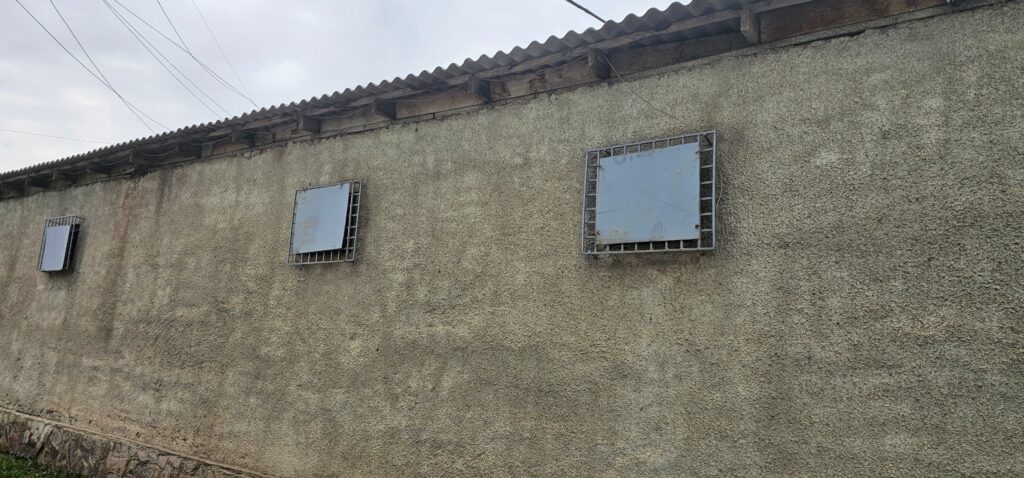
Kyrgyz Ombudswoman Jamilya Dzhamanbayeva has voiced serious concerns over the substandard conditions in the temporary detention center (TDC) in Talas Province. During a recent visit, detainees reported inadequate facilities and breaches of detention standards, according to the Ombudsman Institute. Dzhamanbayeva revealed that the TDC houses individuals awaiting trial alongside those already charged with crimes—a practice explicitly prohibited under Kyrgyz law. “At the time of the visit, there were 17 individuals suspected or accused of crimes in the TDC, which has a total capacity of 36 people. Among them, two were women. The TDC is situated in the yard of the Department of Internal Affairs, but in a separate building,” stated the Ombudsman Institute. Lack of a Dedicated Proper Pre-Trial Facility The absence of an investigative detention center (IDC) in Talas Province forces authorities to detain pre-trial prisoners in the TDC, mixing them with individuals under investigation. This not only violates national laws but raises significant human rights concerns. During her visit, Dzhamanbayeva inspected the cells and spoke directly with detainees to assess their conditions. She called on the Kyrgyz government to expedite the construction of a dedicated IDC in Talas Province to comply with international standards and Kyrgyz legal obligations. Inhumane Living Conditions The National Center for the Prevention of Torture has also criticized the state of the Talas TDC, identifying severe deficiencies: Lack of natural light: Windows are blocked by metal structures, preventing daylight from entering. Inadequate sleeping arrangements: Detainees sleep on the floor due to a shortage of beds and bedding. Unsanitary environment: The facility suffers from poor hygiene and overall neglect. These conditions exacerbate the already critical situation for detainees, underscoring the pressing issue of detention standards in Talas Province.
Russian Interior Minister Reports Drop in Crimes Linked to Tajik Citizens

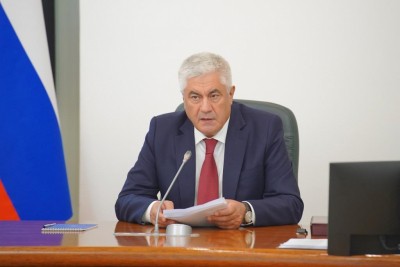
Russian Interior Minister Vladimir Kolokoltsev announced a decline in crimes involving Tajik citizens in the Russian Federation during a joint meeting of the Russian and Tajik Interior Ministries in Moscow. This reduction includes both offenses committed by and against Tajik nationals, a trend Kolokoltsev emphasized should continue. One notable achievement highlighted was the resolution of a 30-year-old murder case in Sughd, which was solved through coordinated information-sharing between Russian and Tajik law enforcement agencies. Strengthening Bilateral Cooperation During the meeting, Kolokoltsev and Tajik Interior Minister Rahimzoda Ramazon Hamro approved a 2025 cooperation plan. The agreement includes measures to combat transnational crime, enhance collaboration between investigative units, share intelligence, and address drug trafficking. Rahimzoda stressed that ongoing cooperation strengthens security and improves the performance of law enforcement agencies in both countries. Tajik officials highlighted that joint events and initiatives have been held annually since the partnership began. Addressing Migration and Citizens’ Rights Kolokoltsev also referred to his May 2024 visit to Dushanbe, where discussions revolved around migration issues and the establishment of the Russian Interior Ministry’s passport and visa service. These efforts aim to enhance conditions for Tajik citizens living in Russia while safeguarding their rights and interests.

Kazakhstan Abandons Universal Income Declaration Plan

Kazakhstan Scraps Universal Tax Declarations Amid Public Concerns In a surprising move, the Kazakh government has proposed canceling the universal tax declaration system set to take effect in 2025. The decision, aimed at alleviating public anxiety amid worsening economic conditions, will exempt over 90% of the population from filing declarations. Experts argue that this adjustment is necessary and practical, as the reform would otherwise add unnecessary strain on taxpayers without significantly benefiting state revenues. Public Backlash and Policy Reassessment The Universal Declaration initiative was intended to include approximately 8 million additional citizens in 2025, encompassing private sector employees, pensioners, and students. However, widespread public concern about the burden on taxpayers and tax authorities prompted a reevaluation. Finance Minister Madi Takiyev announced the exemption on November 19, citing the country's advanced digital infrastructure, which already tracks key financial data. Prime Minister Olzhas Bektenov echoed these sentiments, directing the Ministries of Finance, National Economy, and Justice to draft legislative amendments within three days. He emphasized that the reform had “caused concern of the population, which was brought to the attention of the head of state.”  He added that a widespread income declaration is unnecessary because the databases of state agencies in Kazakhstan are "highly digitized." Streamlined Tax Obligations The revised approach retains declaration requirements for specific groups, including: Citizens with assets abroad. Individuals making significant purchases (exceeding 74 million KZT, or approximately $149,000, in 2024). Those receiving income are subject to independent taxation. Voluntary declarations will remain an option for all citizens. A Phased Reform The universal declaration system began in 2021 and was implemented in stages. Initially, it targeted government officials and their spouses. The requirement extended to public sector employees and the quasi-public sector in subsequent phases. By 2024, business leaders, entrepreneurs, and their spouses were included. The final stage, which aimed to include the broader population, faced criticism for being outdated in the digital era. President Kassym-Jomart Tokayev acknowledged this, stating, “It is planned that about 8 million more people will submit declarations next year. However, we should consider that the concept of universal income declaration was adopted 14 years ago. During this time, the country has made significant progress in digitalization and fintech. Databases of various government agencies have been integrated. Financial and tax control has been strengthened. Given these large-scale changes, the question arises as to whether it is advisable for citizens falling under the fourth and final stage to submit declarations. The government needs to work out a solution to this.” Expert Analysis Political scientist Gaziz Abishev highlighted the effectiveness of the reform's earlier stages, which targeted those most likely to influence public funds or earn significant income. “The first three stages have already included bureaucrats, civil servants, quasi-public sector employees, and businesspeople. Everyone who manages public funds or earns a considerable income within Kazakhstan’s economy has already been required to report and will continue to submit declarations,” Abishev explained. The fourth stage, set to include around 8 million additional citizens, drew criticism for its lack...

Unified Digital Health System to Transform Kyrgyzstan’s Healthcare

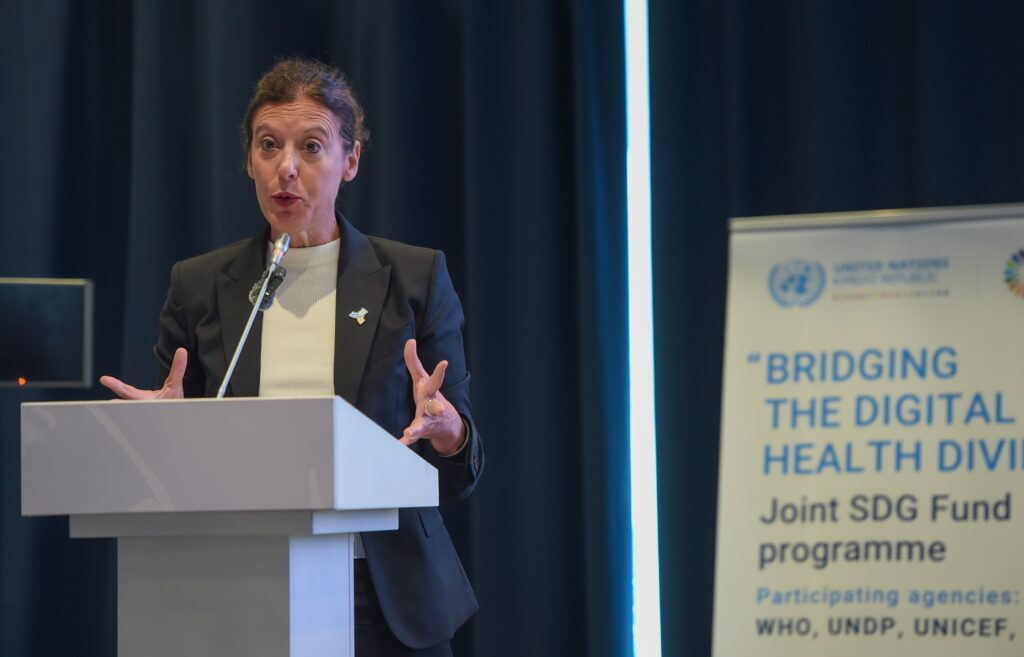
The United Nations Office in Kyrgyzstan, in collaboration with the Ministry of Health, has launched a program to create a unified digital health system in the country. The Ministry of Health stated that the digitization initiative aims to harmonize Kyrgyzstan’s healthcare system. By providing easier access to medical information, the program is expected to expedite the delivery of medical services, even to the most remote and underserved communities. As part of this effort, specialists will enhance government e-services and telemedicine. According to the UN, the project will require an investment of over $4 million, and is scheduled to run until 2027. “One of the key features of the program is to improve the digital health profile, giving citizens access to information about their health,” the Ministry of Health noted in a press release. The authorities plan to integrate a unified registry of citizen vaccinations, which currently holds approximately 3 million records, with a national electronic medical records platform. The program will also focus on supporting vulnerable groups. For example: • 120,000 people will receive digital disability certificates; and • 280,000 people will gain access to digital sick leave documentation, reducing hospital queues and making medical services faster and more convenient. Telemedicine will be expanded to 10 districts, offering medical consultations to more than 700,000 children under the age of 14. Additionally, 60 healthcare facilities will provide specialized care to 140,000 mothers and newborns, all connected to the unified electronic health records (EHR) platform. “This digital health initiative is an important step forward for Kyrgyzstan. By improving access to important medical information, we can make healthcare more efficient and improve outcomes for all,” said Bakyt Dzhangaziev, Deputy Minister for Digital Development of Kyrgyzstan. UN Resident Coordinator in Kyrgyzstan Antje Grave added: “Digital technologies are transforming our world, opening up new opportunities. It is necessary to bridge the digital divide between countries, promote the goals of sustainable development, and ensure that no one is left behind.” The program is being implemented with support from international organizations, including the World Health Organization (WHO), UNICEF, the UN Population Fund, and the UN Development Programme (UNDP).

Gold Reserves in Kyrgyzstan May Reach Up to 4,000 Tons

Kyrgyzstan holds over 5,000 deposits of various minerals, including valuable resources such as gold, rare earth elements, uranium, and thorium. This was announced by Deputy Minister of Natural Resources Narynbek Satybaldiev during a briefing. According to official state data, Kyrgyzstan has just over 1,000 tons of confirmed gold reserves. However, geologists estimate that the country's total potential exceeds 4,000 tons. Many deposits are complex, containing other metals such as antimony, copper, and zinc alongside gold. Satybaldiev highlighted that the recent lifting of a moratorium on deposit development presents new opportunities for mining gold and other strategically important metals essential for the global economy. The Kyrgyz government is developing a comprehensive strategy to fully utilize its mineral resources. The plan includes exploration, mining, and processing initiatives, with a particular focus on rare earth metals. These resources are critical for producing high-tech products and advancing green energy technologies. The implementation of this strategy is expected to boost mining revenues, strengthen Kyrgyzstan's economic independence, and attract foreign investment. In June 2024, Kyrgyzstan lifted a ban on developing uranium and thorium deposits, a restriction that had been in place since 2019. The decision reflects the government’s aim to balance environmental safety with the need to harness strategically important resources for economic growth. The policy change is expected to attract investment, create jobs, and increase revenues from mineral exports.

Tajik MMA Fighter Chorshanbiev, Imprisoned For Criticizing Authorities, Faces New Charges

In Tajikistan, the well known MMA fighter and prominent blogger Chorshanbe Chorshanbiev, already serving an 8.5-year prison sentence, has been handed an additional four years on new charges. Journalist Anora Sarkorova reported the development on November 18, which was later confirmed by sources at Radio Ozodi. Chorshanbiev, known for criticizing Tajik authorities in the Gorno-Badakhshan Autonomous Region while residing in Russia, was deported to Tajikistan in December 2021. By May 2022, he was convicted of “public calls for violent change of the constitutional order” and sentenced to 8.5 years in prison. Details of the additional sentence remain unclear, but it is speculated to be related to either violations of prison regulations or involvement in a fight. Recently, Chorshanbiev was transferred from a penal colony in Khujand to a pre-trial detention center in Dushanbe. Chorshanbiev’s legal troubles began in December 2021 when he was deported from Russia for traffic violations. Upon his arrival in Dushanbe, he was arrested, and the Tajik prosecutor's office initiated charges against him, alleging incitement of social and national discord and calls to overthrow the state system. However, during the investigation, the first charge was dropped. His trial garnered significant public attention. Prominent athletes in Russia voiced their support for him, and his defense team argued that the case rested on a single piece of evidence: a video recorded in November 2021. In the video, Chorshanbiev commented on violent clashes in Khorog, during which three people were killed and dozens injured. The prosecution claimed his statements amounted to incitement of protests against the government. A political scientist’s analysis, presented during the trial, characterized Chorshanbiev’s remarks as a call for rebellion. However, his lawyers contested this interpretation and requested a re-evaluation of the video. In court, Chorshanbiev maintained that he had no intention of destabilizing the country. Despite the divided expert opinion, Chorshanbiev was convicted, and his case continues to provoke debate.