• KGS/USD = 0.01144 0%
  • KZT/USD = 0.00216 0%
  • TJS/USD = 0.10456 0%
  • UZS/USD = 0.00008 0%
  • TMT/USD = 0.28571 0.28%
  • KGS/USD = 0.01144 0%
  • KZT/USD = 0.00216 0%
  • TJS/USD = 0.10456 0%
  • UZS/USD = 0.00008 0%
  • TMT/USD = 0.28571 0.28%
  • KGS/USD = 0.01144 0%
  • KZT/USD = 0.00216 0%
  • TJS/USD = 0.10456 0%
  • UZS/USD = 0.00008 0%
  • TMT/USD = 0.28571 0.28%
  • KGS/USD = 0.01144 0%
  • KZT/USD = 0.00216 0%
  • TJS/USD = 0.10456 0%
  • UZS/USD = 0.00008 0%
  • TMT/USD = 0.28571 0.28%
  • KGS/USD = 0.01144 0%
  • KZT/USD = 0.00216 0%
  • TJS/USD = 0.10456 0%
  • UZS/USD = 0.00008 0%
  • TMT/USD = 0.28571 0.28%
  • KGS/USD = 0.01144 0%
  • KZT/USD = 0.00216 0%
  • TJS/USD = 0.10456 0%
  • UZS/USD = 0.00008 0%
  • TMT/USD = 0.28571 0.28%
  • KGS/USD = 0.01144 0%
  • KZT/USD = 0.00216 0%
  • TJS/USD = 0.10456 0%
  • UZS/USD = 0.00008 0%
  • TMT/USD = 0.28571 0.28%
  • KGS/USD = 0.01144 0%
  • KZT/USD = 0.00216 0%
  • TJS/USD = 0.10456 0%
  • UZS/USD = 0.00008 0%
  • TMT/USD = 0.28571 0.28%

Viewing results 433 - 438 of 1292

Uzbekistan Enacts Law on “Undesirable” Foreigners

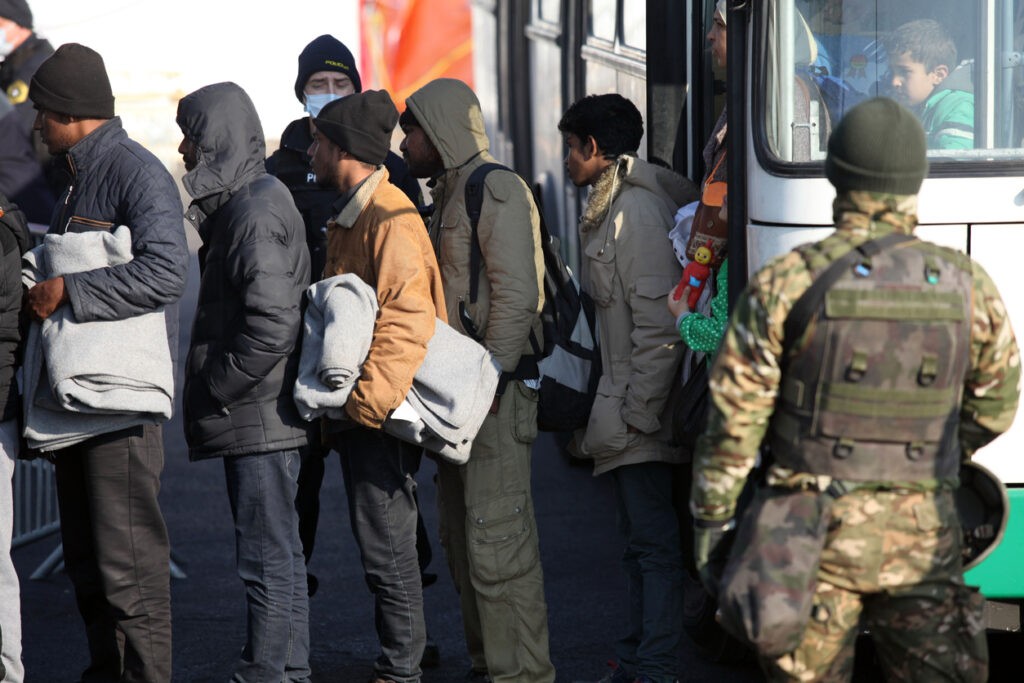
On November 15 a new law regulating foreign citizens deemed "undesirable" came into effect in Uzbekistan. The government claims that the strict measures, previously reported on by The Times of Central Asia in June, are aimed at safeguarding the country’s "sovereignty, security, and unity". The legislative process began on June 25 when Uzbekistan’s Legislative Chamber of the Oliy Majlis (parliament) approved amendments to the law on the legal status of foreign citizens and stateless persons. These amendments introduced the concept of “undesirable elements” among foreign nationals. The Senate subsequently approved the legislation on September 21, paving the way for its implementation. Under the new law, foreign citizens and stateless persons can be classified as undesirable if they can be said to: • Threaten Uzbekistan’s sovereignty, security, or unity; • Incite enmity or hostility; or • Disrespect the honor, dignity, or history of the Uzbek people. Those designated as undesirable face a five-year ban on entering Uzbekistan, opening bank accounts, purchasing property, participating in privatizations, or engaging in financial and contractual transactions. They are, however, permitted to sell or transfer any property they own within the country. If the grounds for being deemed undesirable are not addressed during the five-year ban, the restriction is automatically extended for another five years. Conversely, individuals may apply for early removal from the list if they resolve the identified issues or if the government recommends their delisting. Individuals deemed undesirable must leave Uzbekistan voluntarily within 10 days of receiving notification. Failure to comply will result in forcible deportation.
Kazakhstan to Plant Forests to Reduce Carbon Dioxide Emissions

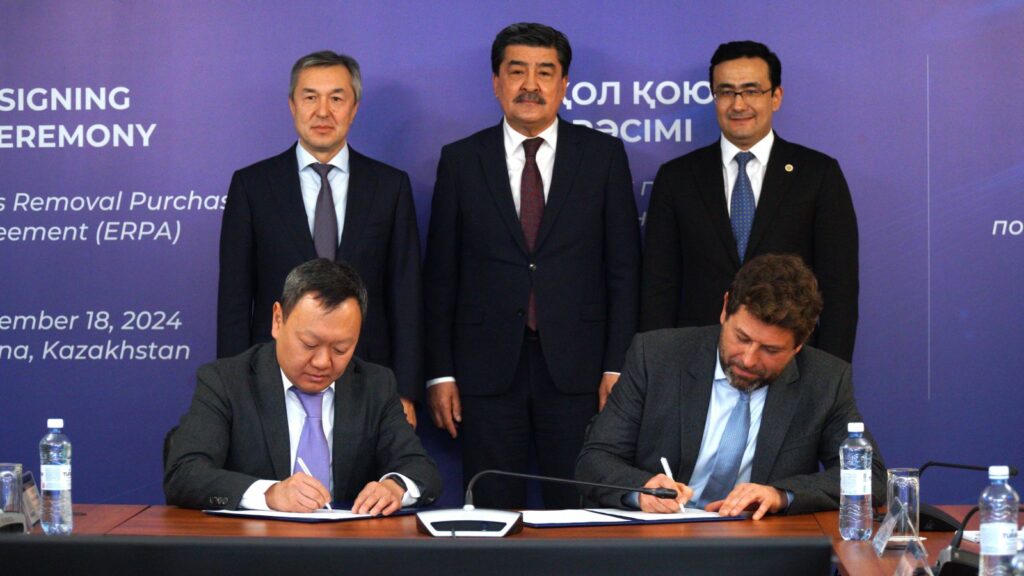
On November 18, the British company SEFE Marketing & Trading Ltd. and Kazakhstan’s SAFC LLP signed an emission removal purchase agreement, marking the launch of the country’s first forest climate project. The project aims to plant 3.3 million trees across 1,500 hectares in the Almaty region. According to forecasts, the initiative will achieve an average annual reduction of 26 tons of CO₂ per hectare. Over the 30-year project period, this is expected to remove 1.2 million tons of carbon dioxide from the atmosphere. Additionally, the project is designed to promote agroforestry, ecotourism, and job creation in the region. During a meeting with one of SEFE's Vice-Presidents, Alexander Demidov, and SAFC's CEO Yuri Kim, Kazakhstan’s Prime Minister Olzhas Bektenov emphasized the government’s commitment to supporting environmental initiatives. “We strive to create favorable conditions for attracting foreign investment in environmental projects. The government supports projects aimed at restoring ecosystems, reducing carbon footprint, and developing a green economy,” he stated. Kim added: “This project was supported by the President of Kazakhstan and the Atameken National Chamber of Entrepreneurs, and now we are starting its practical implementation. By combining the competencies of SEFE and SAFC, we will demonstrate Kazakhstan's broad capabilities for attracting foreign investment.” According to Atameken, the project not only lays the groundwork for others to follow suit but also leads the way for new investment opportunities in carbon farming. This approach marks a new stage in diversifying Kazakhstan’s economy, creating potential revenue streams from agricultural production and greenhouse gas emission trading. Kazakhstan’s forest climate initiative demonstrates the country’s commitment to sustainability while attracting foreign investment to bolster its green economy.

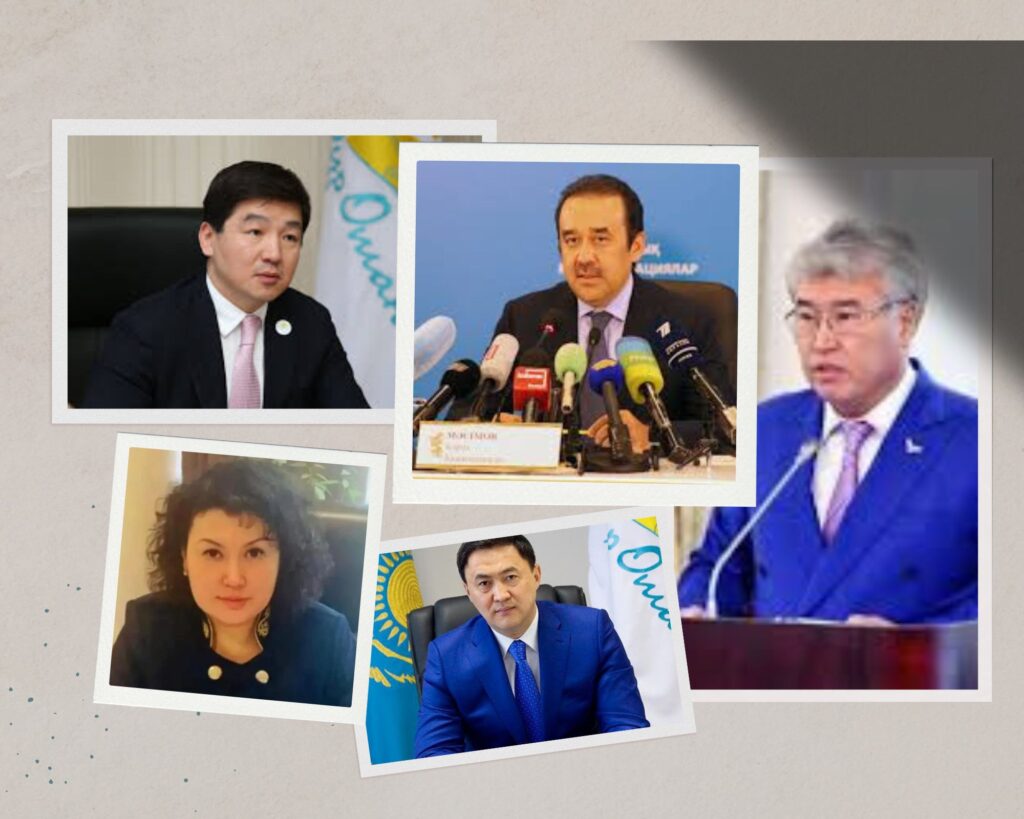
Out With the Old and in With the New: From Politicians to Felons: Part Two

The end of the first president of Kazakhstan, Nursultan Nazarbayev’s era coincided with a wave of mass protests across the country. The widely-accepted cause was the death of five children in a fire in a dilapidated annex to a private house, the like of which there are many in the suburbs of Astana. This tragedy occurred on the night of February 4, 2019, when the girls, with ages ranging from a baby to twelve years old, were left home alone. The event sparked furious complaints from mothers of children across the country, and on March 19 of the same year, Nazarbayev resigned, handing power to the next in the constitutional hierarchy, Kassym-Jomart Tokayev, the speaker of the Senate (Kazakhstan's upper house of parliament). High-profile cases of the transition period From that moment until the events of January 2022, the country went through a transitional period, which is often spoken of as having been a time of dual power. By analogy with the “Kremlin Towers” (a popular theory about clans in Vladimir Putin's Russia being engaged in an irreconcilable struggle for resources and influence), the new president's entourage began to be called “Akorda” - after the head of state's residence in Astana. Supporters of Nazarbayev and the idea of his return to the presidency, meanwhile, were known as the “Library” – a reference to the Library of the First President. It was believed that the officials Tokayev inherited from his predecessor were more likely to run reports to the Library than to the Akorda. This division serves to explain how the new president was bound in his ability to implement changes. Tokayev initially announced a course of political, economic and social reforms, but only the latter were implemented, while the rest were sabotaged. Even support from the general public, which Tokayev managed to garner in the National Council of Public Trust, did not help matters.Even under such constraints, however, it was possible to begin a purge of the establishment. For example, in 2020, the country was shaken by the first high-profile criminal case under Tokayev, when Bulat Bakauov, akim of the Pavlodar region and a bellwether of high-profile scandals under Nazarbayev, was accused of abusing his authority and arrested. However, the influence of Nazarbayev's entourage remained strong, so the sentence handed down to the former Akim turned out to be a meagre restriction of freedom for 3.5 years. The court obliged Bakauov to refrain from leaving his residence and regularly report to the probation service. In addition, Bakauov was obliged to engage in a hundred hours of public labor, ordered to return $10,000, and banned from holding public office. In the same year, there was a glimmer of hope that the former Akim of Almaty, Bauyrzhan Baibek - who was elevated to the height of political power by his father's childhood friendship with Nursultan Nazarbayev – would be held to account. Urban legends still circulate about the illegal earnings of Baibek and his team from the reconstruction of the center of...

Mirziyoyev Tells Uzbekistan’s Parliament That He Wants a Stronger Opposition

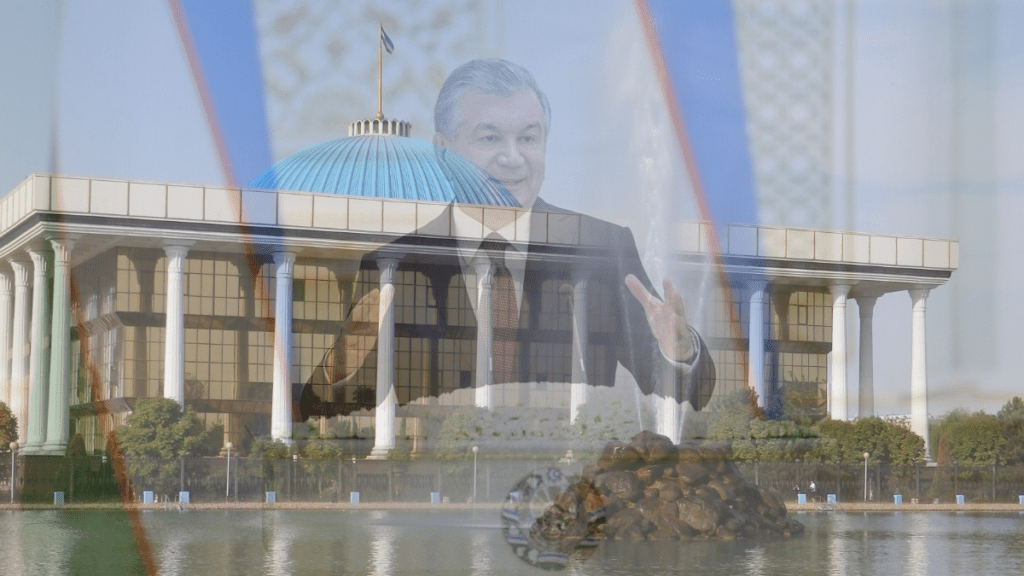
Uzbek President Shavkat Mirziyoyev said on Monday that the parliament should be more dynamic about solving society’s problems, and that the “opposition” should have more rights in the assembly. His comments were in line with the government’s reform push, but also reflected Mirziyoyev's tight political control over Uzbekistan, because none of the five registered political parties pose a meaningful challenge to him.   Mirziyoyev made the announcements in a speech to the Oliy Majlis, Uzbekistan’s parliament, in its first session since October 27 legislative elections. The elections were meant to underline the country’s evolution toward political liberalization, even though OSCE election observers said there was a lack of political competition and the vote “did not offer voters a real choice.” Those elections introduced a mixed system in which half of 150 lawmakers were elected individually and half from party lists, the result of a constitutional change that is part of a broader government campaign to develop the Central Asian country in socio-economic, judicial and other areas. While Mirziyoyev promised more openness and accountability after taking power following the death of longtime leader Islam Karimov in 2016, opponents say the government is often heavyhanded in its response to dissent and efforts to form a genuine political opposition are kept in check.   Mirziyoyev’s comment about giving more clout to the opposition came midway through a speech in which he reviewed the elections and urged parliamentarians to be more pro-active in “solving urgent problems” in Uzbekistan. He talked about legislative proposals to replace old residential buildings with modern ones, support private education and investors in energy, introduce mandatory health insurance and tackle themes related to artificial intelligence.  “In order to boost the opposition, it was proposed to increase the number of guaranteed rights of the parliamentary opposition from 3 to 6, including giving it the positions of one committee chairman and two deputy committee chairmen, as well as additional rights to submit questions within the framework of the “government hour” and parliamentary inquiries,” Mirziyoyev’s office said in a statement.  There are nuances between the government and some lawmakers on specific issues such as environmental policy or public pronouncements on Uzbekistan’s relationship with Russia, though the registered parties are essentially loyal to the president. In a constitutional referendum in 2023, voters approved measures that could let Mirziyoyev stay in power until 2040. 

Uzbekistan Shares Rehabilitation Model for Returnees at UN Event

On November 11, 2024, a high-level event titled “Effective Rehabilitation and Reintegration of Returnees from North-Eastern Syria – Uzbekistan’s Experience: From Global to Local” took place at the UN Headquarters in Geneva. The event highlighted Uzbekistan’s successful approach to rehabilitating and reintegrating individuals returning from conflict zones, particularly through the work of the Regional Expert Council, established in 2024 at the initiative of President Shavkat Mirziyoyev. Vladimir Voronkov, head of the UN Counter-Terrorism Office, commended Uzbekistan’s efforts. “UN member states urgently need to develop strategies for rehabilitation and reintegration based on the experience of Uzbekistan. The Tashkent model aims to ensure the rights and dignity of the individual, which is important in these processes,” Voronkov stated. Khalid Koser, Director of the Global Community Engagement and Resilience Fund, described Uzbekistan’s model as a roadmap for other nations. He emphasized that the approach has proven to be effective, humane, and respectful of human rights in returning citizens from conflict zones. A focal point of the conference was the Regional Expert Council on Rehabilitation and Reintegration, established under the UN Office of Counter-Terrorism. The Council, based in Tashkent, aims to bring together Central Asian experts to share their knowledge and develop programs to assist reintegrated individuals in rebuilding their lives. “I am convinced that the Council, established in Tashkent at the initiative of the President of Uzbekistan, will contribute to strengthening the exchange of best practices and lessons learned in this area,” said Natalia Gherman, Head of the UN Security Council Counter-Terrorism Committee Executive Directorate. The Times of Central Asia has previously reported that Kazakhstan, Kyrgyzstan, Tajikistan, and Uzbekistan are collectively improving support systems for women and children returning from conflict zones, such as Iraq and Syria.

Climate Crisis in Central Asia: Kyrgyz Geologist Spells Out Threat of Disappearing Glaciers

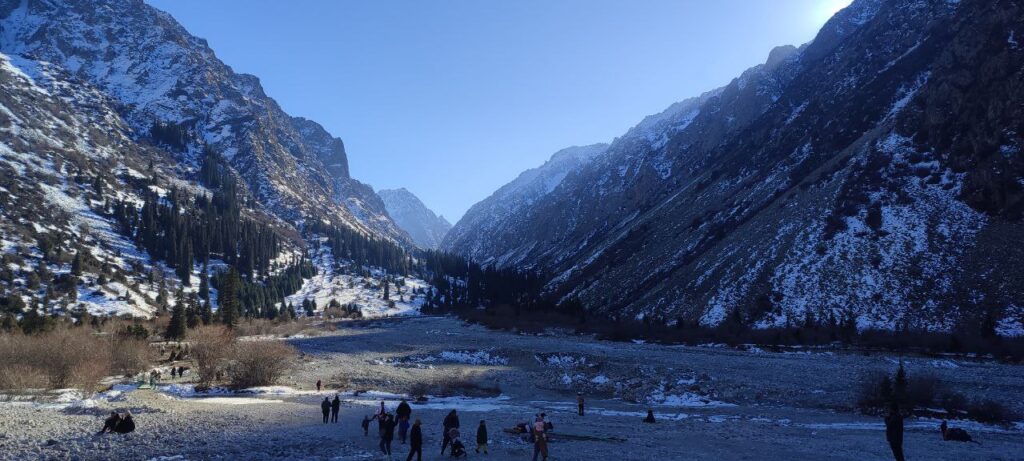
Kyrgyzstan's President Sadyr Japarov has warned at the COP29 climate summit in Baku that Kyrgyzstan’s glaciers have shrunk by 16% over the past 70 years, a trend that could accelerate if immediate action is not taken. Glaciers are a crucial source of drinking water for Kyrgyzstan and the broader Central Asian region. Japarov emphasized that the continued reduction in glacier size will lead to water scarcity and bring severe social, economic, and environmental consequences. “Our region is among the most vulnerable to global warming. By 2100, we may lose more than half of all glaciers,” he said, stressing the need for regional cooperation on green projects to mitigate the impacts of climate change. Kyrgyz glaciologists at the Institute of Geology have been monitoring the region’s glaciers since the early 1940s. Senior researcher Ilya Mezgin explained the alarming rate of glacier loss. “If you look at maps from 1943, two-kilometer glaciers were visible on the Chatkal Ridge in western Kyrgyzstan. Today, they’ve disappeared entirely from satellite images,” Mezgin told The Times of Central Asia. The melting has worsened over time. In 1985, Kyrgyzstan had 8,200 glaciers. That number has since dropped to just 6,500. Glaciers at lower altitudes are melting the fastest, while larger glaciers are expected to last until 2100. Mezgin noted that western glaciers in the Talas region are particularly at risk of disappearing. The mountains of the Tian Shan are composed in the main of crystalline and sedimentary rocks of the Paleozoic Era (i.e., about 540–250 million years ago). growth of the Tian Shan continued until 250 million years ago, when a large continental plate, known as Tarim, collided with Asia. The State Agency for Geology of Kyrgyzstan has suggested that glaciers can both retreat and regrow over time. However, the current trend is one of significant retreat.