• KGS/USD = 0.01144 0%
  • KZT/USD = 0.00194 0%
  • TJS/USD = 0.10879 0%
  • UZS/USD = 0.00008 0%
  • TMT/USD = 0.28571 0%
  • KGS/USD = 0.01144 0%
  • KZT/USD = 0.00194 0%
  • TJS/USD = 0.10879 0%
  • UZS/USD = 0.00008 0%
  • TMT/USD = 0.28571 0%
  • KGS/USD = 0.01144 0%
  • KZT/USD = 0.00194 0%
  • TJS/USD = 0.10879 0%
  • UZS/USD = 0.00008 0%
  • TMT/USD = 0.28571 0%
  • KGS/USD = 0.01144 0%
  • KZT/USD = 0.00194 0%
  • TJS/USD = 0.10879 0%
  • UZS/USD = 0.00008 0%
  • TMT/USD = 0.28571 0%
  • KGS/USD = 0.01144 0%
  • KZT/USD = 0.00194 0%
  • TJS/USD = 0.10879 0%
  • UZS/USD = 0.00008 0%
  • TMT/USD = 0.28571 0%
  • KGS/USD = 0.01144 0%
  • KZT/USD = 0.00194 0%
  • TJS/USD = 0.10879 0%
  • UZS/USD = 0.00008 0%
  • TMT/USD = 0.28571 0%
  • KGS/USD = 0.01144 0%
  • KZT/USD = 0.00194 0%
  • TJS/USD = 0.10879 0%
  • UZS/USD = 0.00008 0%
  • TMT/USD = 0.28571 0%
  • KGS/USD = 0.01144 0%
  • KZT/USD = 0.00194 0%
  • TJS/USD = 0.10879 0%
  • UZS/USD = 0.00008 0%
  • TMT/USD = 0.28571 0%
16 December 2025

Viewing results 4387 - 4392 of 3572

Kazakhstan and Kyrgyzstan Sign Commercial Deals Worth $300 Million

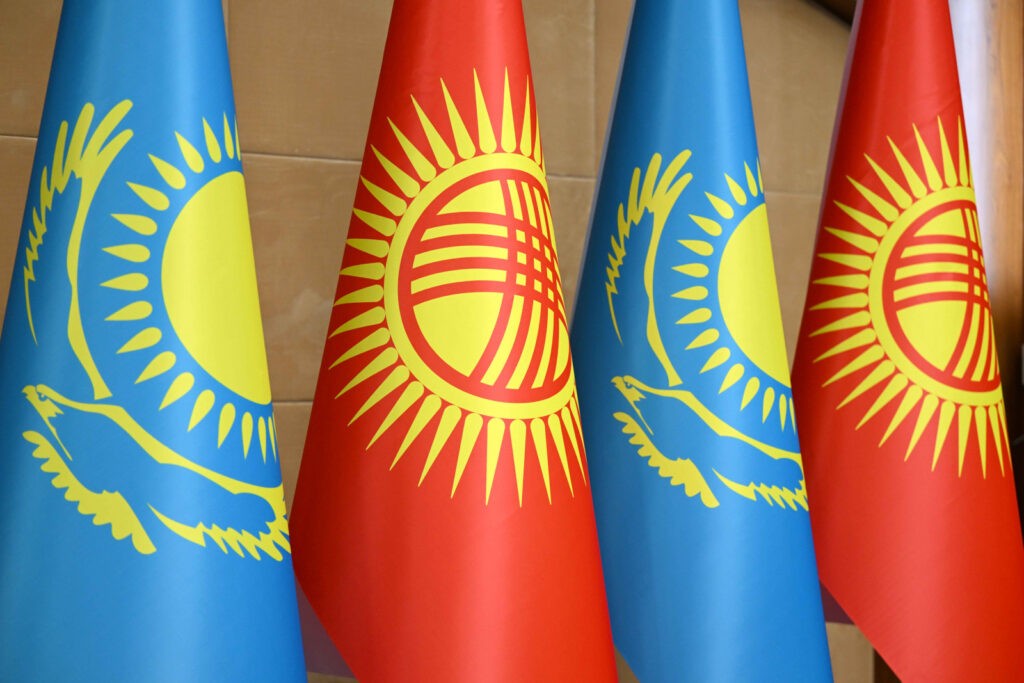
On the side-lines of the Kazakhstan and Kyrgyzstan business forum on April 17 in Astana, businesses signed off commercial deals totalling $300 million. Attended by Deputy Prime Ministers of Kazakhstan and Kyrgyzstan, Serik Zhumangarin and Adylbek Kasymaliev, the forum attracted companies engaged in mechanical engineering, industry, metallurgy, construction, logistics, agriculture, pharmaceuticals, investment, and service industries. According to a report by the Kazakh Ministry of Trade and Integration, lucrative joint projects include the construction of solar power plants, a ferroalloy plant, a distribution centre in Kyrgyzstan, and the exchange of supplies of agricultural and other products. In 2023, trade turnover between Kazakhstan and Kyrgyzstan rose by 26% compared to the previous year, reaching $1.6 billion. Kazakhstan’s exports accounted for $1.1 billion, an increase of 35.8%, and imports stood at $495.2 million, an increase of 9%.

Uzbekistan’s Population Rises to Almost 37 Million

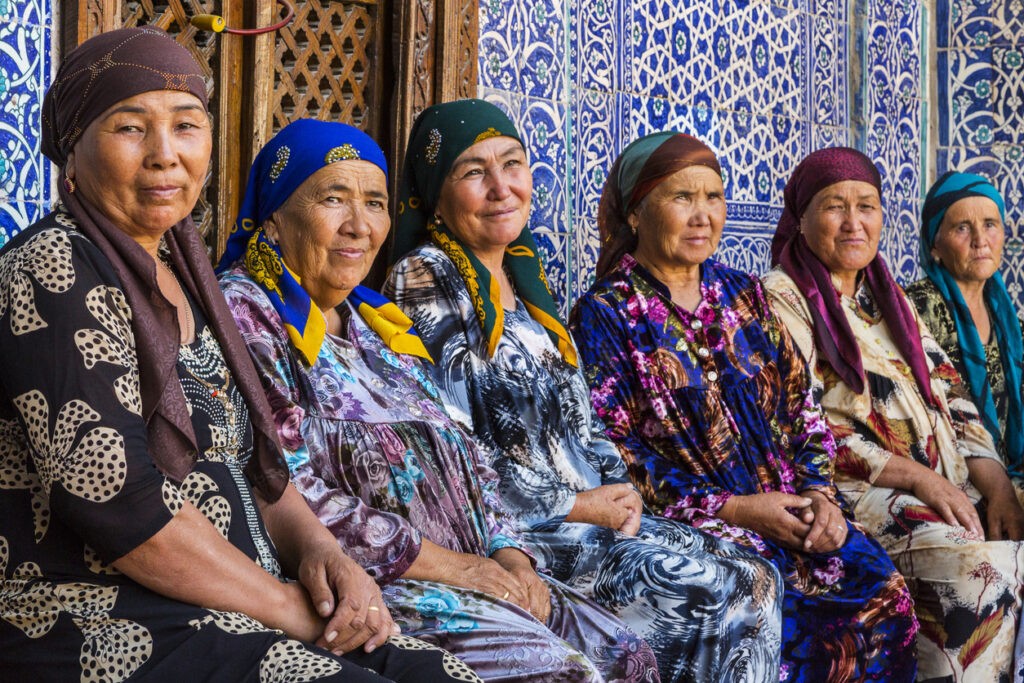
According to data produced by the Statistics Agency of Uzbekistan, the country's permanent population reached 36,963,262 on 1 April this year; an increase of 2.1% or 163,500 residents, compared to the beginning of 2023. Remarkably, records indicate that from January to April, an additional 54,500 people were either born or settled in the country each month and the number of permanent residents is increasing by 1,800 people per day. Amongst the growing population, 56.3% are citizens of working age and as recorded on 1 January, men outnumber women by 250,266.

Uzbekistan to Raise Energy Prices for First Time in Five Years

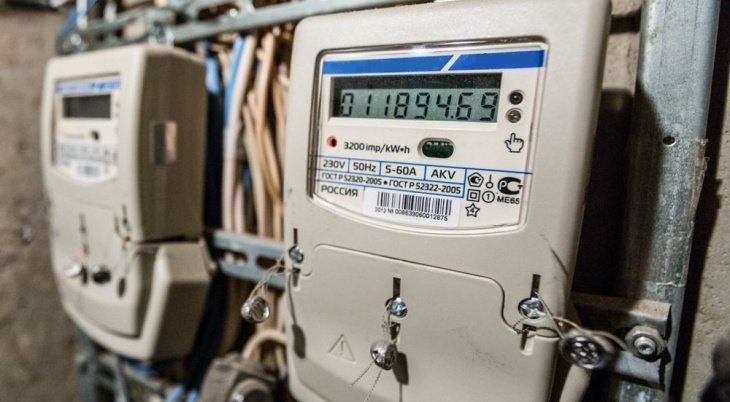
Electricity and natural gas tariffs in Uzbekistan will increase from May 1, and social consumption quotas will also be established. The price increase will be the first since August 2019. The quota for electricity use was defined up to 200 kWh per month, for gas -- from March to October -- up to 100 cubic meters, and from November to February, up to 500 cubic meters. The authorities attribute the price increase to inflation, which has cumulatively reached 66% over the past five years. At the same time, most energy companies are suffering severe losses, with state company JSC Thermal Power Plants reporting losses of 1.6 trillion sum ($125 million). The Uzbek government has announced assistance to the vulnerable in the form of raising the official poverty line, pensions and allowances. "About $80 million has been allocated from the state budget to support low-income families. These funds have clear sources and will be allocated in a timely manner and without any delays," Economy and Finance Ministry spokesman Khurshed Mustafayev said.

No Lessons Being Learned From Kazakh Floods, Says Political Analyst

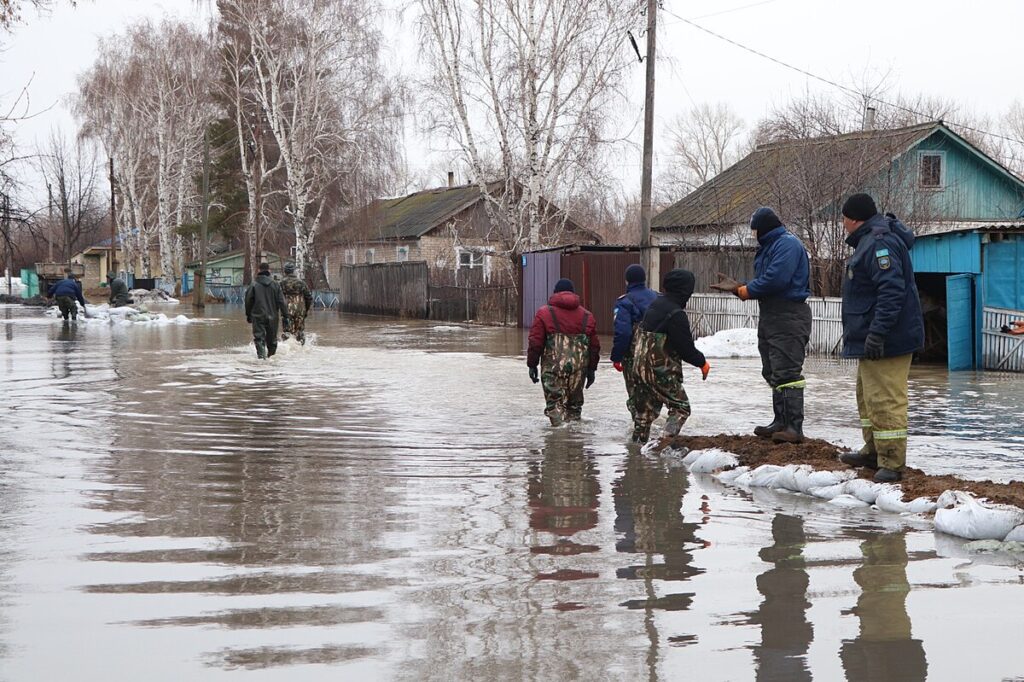
Kazakhstan has been prone to flooding before, but the 2024 Kazakh floods have added a catastrophic page to the chronicles. Political analyst Marat Shibutov tells The Times of Central Asia that only extremely tough measures can motivate ministers and akims (local government executive) to actually work on flood prevention.   The Floods Have Not Yet Peaked Areas and homes in many regions of Kazakhstan -- Atyrau, West Kazakhstan, Aktobe, Akmola, Kostanay, East Kazakhstan, North Kazakhstan and Pavlodar -- remain flooded. According to the Ministry of Emergency Situations, more than 113,000 people have been evacuated from the various disaster zones. The threat of another destructive wave of surface water still remains for major cities, even high-rise buildings are battling high in water in Atyrau, Petropavlovsk and Kostanay. Kazakh president Kassym-Jomart Tokayev has already visited the affected regions several times. According to local reports, people are now concerned not with punishing those responsible, but with paying fair compensation for lost housing, farms and livestock, and, most importantly, with creating an effective flood control system. In particular, residents of dacha (detached suburban) houses in Uralsk blocked the highway, demanding that the akim of the city include them in the list of those to be paid. If more floods occur it will be impossible to live in flood-prone areas. The only alternative is a radical revision of the requirements for residential zoning protective measures. Tokayev spoke about the responsibility for breached and unfinished dams and dikes, as well as the overlooked forecasts made by meteorologists about increased snowmelt and the threat of flooding not only from rivers, but also from the steppes in late March. For the lack of timely flood control measures, he announced a harsh reprimand to First Deputy Prime Minister Roman Sklyar and Minister of Water Resources and Irrigation Nurzhan Nurzhigitov. Local administrators weren't spared either, with harsh reprimands and warnings for incomplete official compliance to the akims of Aktobe, Kostanay and West Kazakhstan regions -- and a harsh reprimand to the akims of Atyrau, Akmola, Almaty, Pavlodar and Abay regions. According to official data from the Ministry of Emergency Situations, in 2024 to date seven billion tenge ($15.5 million) have been allocated just to local executive bodies for flood mitigation activities. In March 2024, 66 billion tenge ($147 million) was allocated to carry out work relating to combating emergency situations. From 2019 to 2023, the Emergency Situations Ministry's expenditures increased almost fourfold, to 264 billion tenge ($588 million). Over the past five years, over 762 billion tenge ($1.7 billion) has been allocated from the national budget. What exactly those funds were towards remains an open question -- possibly as part of ongoing criminal cases.   Disasters of the Past It's not the first time that high water has caused irreparable damage in Kazakhstan. In Uralsk they still talk about a serious flood in 1942. In early May, the water level in the Urals reached 943 centimeters, and a 9-point storm raged on the river. Over 500 families were evacuated from...

Islamic State – Khorasan Province: An Element of Geopolitical Rivalry?

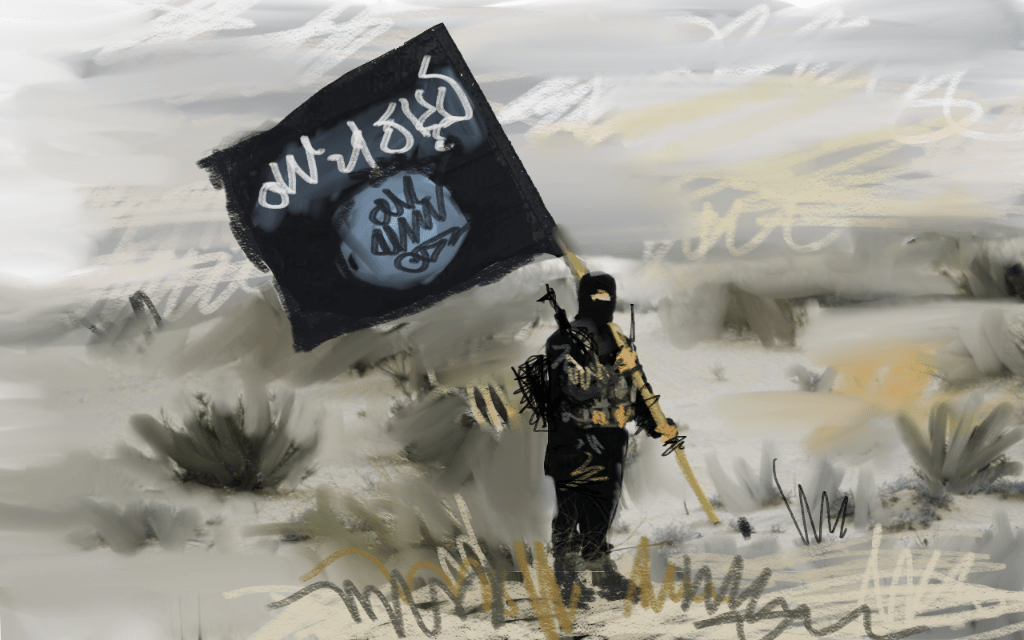
In the aftermath of the terrorist attack in Moscow, the media has once again been saturated with discussions about the terrorist group Islamic State – Khorasan Province (ISKP), also known as ISIS-Khorasan and “Wilayat Khorasan.” At this point, most of the coverage has focused on the Afghan wing of Islamic State, and not its other “wilayats,” such as on the Arabian Peninsula, “Wilayat Sinai” (Islamic State – Sinai Province) or “Wilayat Caucasus” (Islamic State – Caucasus Province). The international media covering the ISKP attack in Moscow, including journalists from Russia, widely speculated that the terrorist group is looking at Central Asia as its next base. Such media coverage included a variety of sentiments indicating that Central Asia should be worried. Reports have suggested that the alliance of Central Asian leaders with Moscow makes them look weak in the eyes of ISKP and that the terrorist threat emanating from Central Asia has become a point of weakness for the Putin regime. It has also been suggested that Islamic terrorism in Central Asia remains a real problem for the FSB, and even though the FSB has extensive experience in fighting extremists in the Caucasus, having committed enormous resources to the issue, Central Asia is a blind spot. Alarm bells sounded that regional jihadist groups have become more powerful. Thus, the terrorist attack in Moscow significantly increased media attention on ISKP in the context of Central Asia. Overall, the ISKP theme fits into existing narratives regarding threats to the southern border of the CIS. Sanaullah Ghafari, Emir of ISIS-K; image: rewardsforjustice.net   The more likely reality is that in Central Asia, ISKP has been more of a challenge to regional security than an existential threat. In recent years, the region has been broadly successful in dealing with threats from Afghanistan.   How real of a threat is the ISKP? A very narrow circle of experts can give a truly objective assessment of ISKP. Information about ISKP membership is contradictory and seemingly based on political considerations. As such, it is difficult to back these up with statistics. The number of fighters reported vary greatly from 2,000 to several tens of thousands. What remains indisputable are two facts: 1. Despite measures declared by the Taliban to eliminate the ISKP, terrorist acts by the group are still recorded throughout Afghanistan, and 2. The group lacks a serious infrastructure in Afghanistan. The activity of ISKP in Afghanistan consists of carrying out targeted, low-level terrorist acts, mainly against local Hazara Shiites. Based on the assessments of the UN Afghanistan monitoring team, the potential of ISKP success looks dubious. In its reports, UN experts point to a decrease in ISKP activity in Afghanistan. Recently, the UN has avoided estimating the size of the group, but previous estimates put it at 1,500-2,200 fighters. At the same time, according to a UN report in January, “ISKP adopted a more inclusive recruitment strategy, including by focusing on attracting disillusioned Taliban and foreign fighters.” Taliban officials, meanwhile, tend to play down the situation....

Uzbekistan Considers Hosting Relocated Ukrainian Enterprises

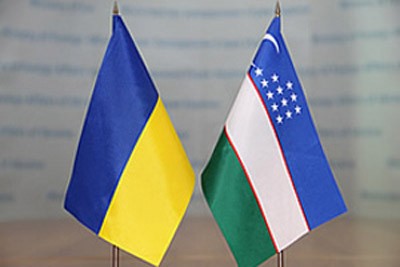
Representatives of Uzbek and Ukrainian businesses have discussed the relocation of certain Ukrainian production enterprises to Uzbekistan. The meeting was held in Kyiv as part of a business council established in 2021. Heads of state bodies and businessmen -- including the founder of the korzinka.uz supermarket chain and co-founder of Newmax Technologies, Zafar Hashimov -- participated in the meeting to offer their perspectives on Ukrainian-Uzbek economic ties. Since the beginning of Russia's attack on Ukraine in February 2022 the countries' bilateral trade turnover has significantly decreased -- in 2023 it amounted to $320 million, down from $747 million in 2021. One of the issues discussed was the customs value of textile products exported from Uzbekistan to Ukraine. An important aspect of the discussion were proposals to transfer to Uzbekistan some Ukrainian production enterprises affected by military actions -- as well as to expand cooperation in the creative economy. Several Ukrainian investment projects are already being implemented in Uzbekistan. The pharmaceutical company Yuria-Pharm acquired the Reka-Myod enterprise in 2023. Another pharmaceutical company, Lekhim, entered the Uzbek market in 2021 and built a large production complex that opened in 2023.