• KGS/USD = 0.01144 0%
  • KZT/USD = 0.00218 0%
  • TJS/USD = 0.10642 -0.09%
  • UZS/USD = 0.00008 0%
  • TMT/USD = 0.28530 0%
  • KGS/USD = 0.01144 0%
  • KZT/USD = 0.00218 0%
  • TJS/USD = 0.10642 -0.09%
  • UZS/USD = 0.00008 0%
  • TMT/USD = 0.28530 0%
  • KGS/USD = 0.01144 0%
  • KZT/USD = 0.00218 0%
  • TJS/USD = 0.10642 -0.09%
  • UZS/USD = 0.00008 0%
  • TMT/USD = 0.28530 0%
  • KGS/USD = 0.01144 0%
  • KZT/USD = 0.00218 0%
  • TJS/USD = 0.10642 -0.09%
  • UZS/USD = 0.00008 0%
  • TMT/USD = 0.28530 0%
  • KGS/USD = 0.01144 0%
  • KZT/USD = 0.00218 0%
  • TJS/USD = 0.10642 -0.09%
  • UZS/USD = 0.00008 0%
  • TMT/USD = 0.28530 0%
  • KGS/USD = 0.01144 0%
  • KZT/USD = 0.00218 0%
  • TJS/USD = 0.10642 -0.09%
  • UZS/USD = 0.00008 0%
  • TMT/USD = 0.28530 0%
  • KGS/USD = 0.01144 0%
  • KZT/USD = 0.00218 0%
  • TJS/USD = 0.10642 -0.09%
  • UZS/USD = 0.00008 0%
  • TMT/USD = 0.28530 0%
  • KGS/USD = 0.01144 0%
  • KZT/USD = 0.00218 0%
  • TJS/USD = 0.10642 -0.09%
  • UZS/USD = 0.00008 0%
  • TMT/USD = 0.28530 0%

Viewing results 4399 - 4404 of 6226

A Yurt Full of Culture: Immersive Theater Meets Nomadic Traditions at the World Nomad Games

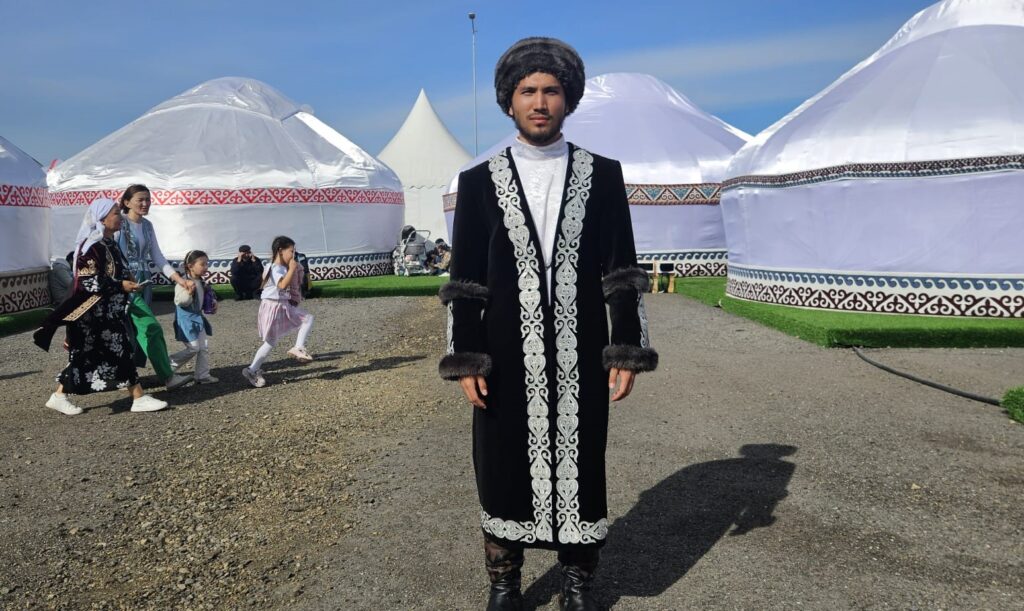
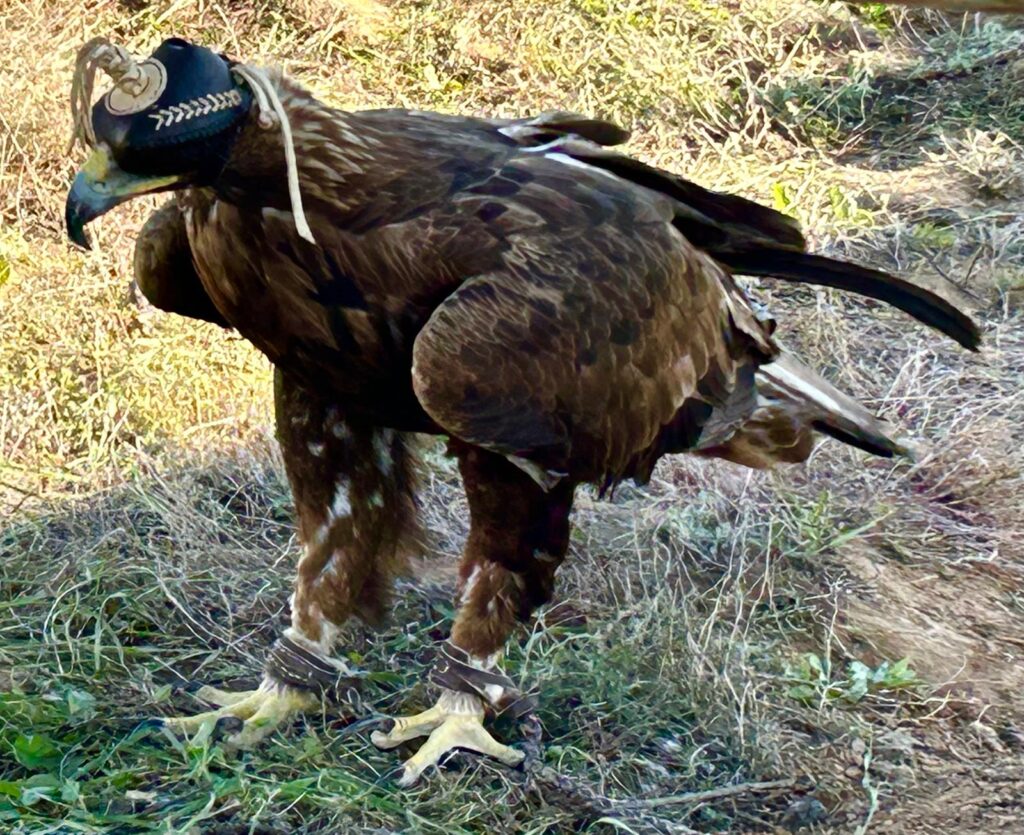
In and amongst the many yurts at the 2024 World Nomad Games Ethnoaul (Ethnic Village), the inhabitants of a specific yurt — not only delight and surprise passersby with boisterous renditions of Kazakh music, dance, and comical stage combat — but they energetically beckon people inside to experience the traditional familial rituals of a nomadic Kazakh marriage proposal. Guests are seated on the floor while segments of the ritual are played out and translated into English by the host, Ernur. The experience is immersive to the point where some of the observers from far-off regions were overheard congratulating the bride-to-be on her upcoming nuptials. Inside the yurt, Ernur set the scene by pointing out the players, among them, the fathers of the future bride and groom, the future bride, her future mother-in-law, and a strumming dombra player. After the union was established, the mother-in-law bestowed her daughter-to-be with gifts of jewelry. As the dombra rhythm accelerated, the fathers-in-law embraced, and the two families exchanged gifts of — in this instance — fur-collared cloaks. The wedding, Ernur explained, would occur in March, the month of the traditional Central Asian New Year (Nauryz). Upward-facing palms aided declarations of goodwill and thankfulness, followed by more music, merriment, and horse-related appetizers. A sense of genuine formality and inclusive pomp was fully realized in under ten minutes. [video width="848" height="478" mp4="https://timesca.com/wp-content/uploads/2024/09/WhatsApp-Video-2024-09-13-at-12.10.55.mp4"][/video] The Mukanov Theater, named after Kazakh Soviet writer and poet Sabit Mukanov, is based in Petropavl, approximately 300 miles north of Astana near the border with Russia. Ernur, the aforementioned host and cast member, has been acting with the twenty-one-year-old Mukanov Theater for a year. Back in Petropavl, the company, which has a 200-seat theater building, performs traditional Kazakh plays, modern plays, and Shakespeare, which Ernur described as “so difficult for us!” 2024 marks the first year that they have performed at the WNG with their debut marriage proposal ceremony. Additionally, the theater company has enacted different nomadic traditions in other yurts around Kazakhstan. Ernur, who said he’d enjoyed his time in Astana, added that the Mukanov Theater was “proud that the World Nomad Games are here [in Kazakhstan].” [caption id="attachment_23140" align="aligncenter" width="720"] Left to right: Brandon, Albert and Jan at the World Nomad Games; image: TCA, K. Krombie[/caption] Three Western traveling companions, who met each other only recently on the backpacker trail of Central Asia, were ushered into the Mukanov Theater yurt. They each provided reviews of the immersive theater experience, and also, their individual opinions regarding the wider connotations of the performance, proportionate to Kazakhstan’s post-Soviet cultural heritage. Brandon, an American from San Francisco, has been traveling the world for nine months and thought it would be “really funny” to come to the Stans for a couple of months. “I was in Turkey, and I was like, you know what, where's the weirdest place I can think of to go to that's not too far from where I am right now? Who's ever been to Uzbekistan, right? Kazakhstan is my last stop...
World Nomad Games 2024: A Golden Spectacle

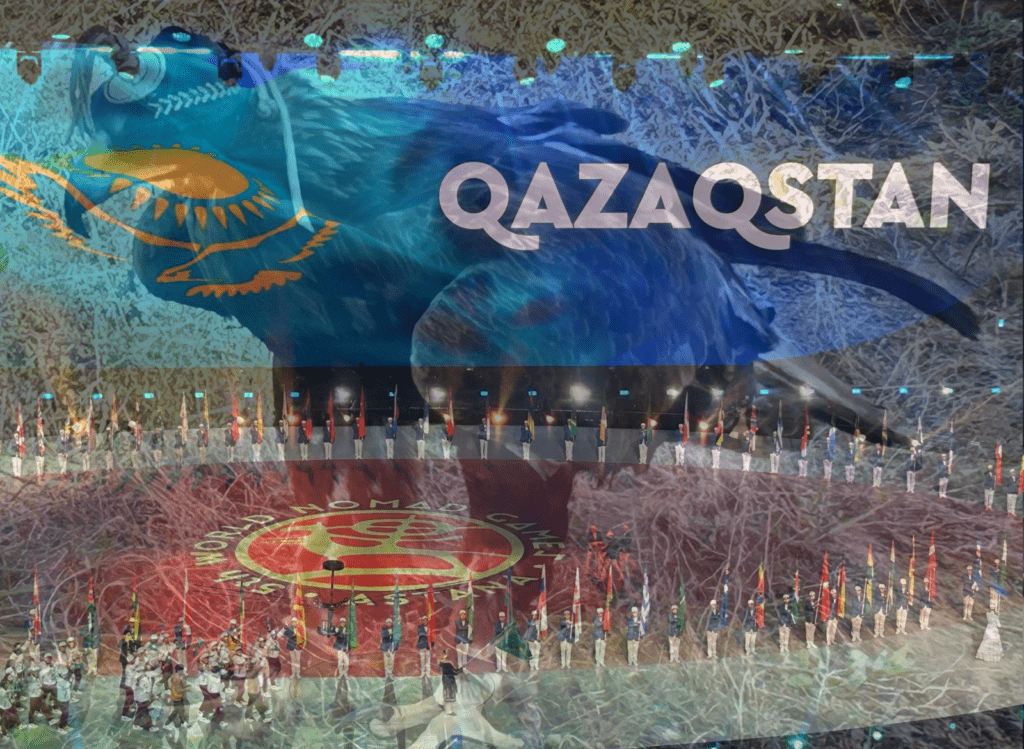
September 13 sees the final day of the World Nomad Games in Astana, themed as the “Gathering of the Great Steppe.” An extravaganza of color and culture, the Games were about much more than sport, however. As described by Sultan Raev, General Secretary of the International Organization of Turkic Culture, even the sports themselves are “not about physical strength. They are about spiritual endurance.” [video width="848" height="480" mp4="https://timesca.com/wp-content/uploads/2024/09/WhatsApp-Video-2024-09-13-at-11.46.04.mp4"][/video] The Games have proven an unmitigated success for Kazakhstan, not only due to the nation’s huge medal haul, but in a diplomatic sense, as well, with important regional leaders in attendance. The Games brought together around 3,000 participants from 89 countries competing for 581 medals across 21 sports, with media outlets from 64 countries applying for accreditation. Meanwhile, the Ministry of Tourism and Sports has stated that over tens of thousands of foreign tourists will have attended the Games, which will “help showcase Kazakhstan's cultural and sports heritage to a global audience, significantly boosting interest in tourism to the country." On the last day proper of the Games, the finals of the kokpar and the kok boru were staged. Described by Ablai Kondybaev, Deputy Head of the Directorate responsible for preparing and organizing the 5th World Nomad Games in an interview with TCA as the “most famous” events, they are “traditional games akin to polo played with sheep or goat carcasses. Long popular among Turkic people, especially in Central Asia, these fast and furious competitions attract record numbers of spectators.” [video width="848" height="480" mp4="https://timesca.com/wp-content/uploads/2024/09/WhatsApp-Video-2024-09-13-at-11.46.041-1.mp4"][/video] Games popularized by Jenghiz Khan - though it is said his horde preferred to use a human torso for a ball – these days, at international events at least, the goat carcass has been replaced by a dummy, known as a serke. Still, with the stampeding horses producing a great wall of dust, the flag-waving partisan crowd were hugely engaged, and it is easy to see why. A scrum of whips and sweating horses snorting, occasionally a horseman would emerge, swinging the serke by a leg. Forecasts had pointed to the finals likely being between the favorites, Kazakhstan and Kyrgyzstan, and this proved to be the case, and in the kokpar, Kazakhstan were victorious. However, the hosts had to settle for silver in the kok boru, losing 10-4 to neighboring Kyrgyzstan after beating Turkey 15-1 in the semis in a surprise drubbing. Overall, however, the Games have been a golden event for the nation as a whole. Despite earlier reports indicating that the World Nomad Games would return to Kyrgyzstan in 2026, according to Kondybaev, “it is planned that it will be Uzbekistan” who will stage the next iteration, which would mean another new host nation for this dazzling demonstration of the resilience of nomadic culture and its dramatic resurgence in the era of globalization. As previously reported by TCA, in his keynote speech at the opening ceremony, President Tokayev pointed out that: “Even amid globalization, the nomadic lifestyle that existed for a thousand years is reviving and...

Latest Baikonur Space Launch Helps to Set a Record

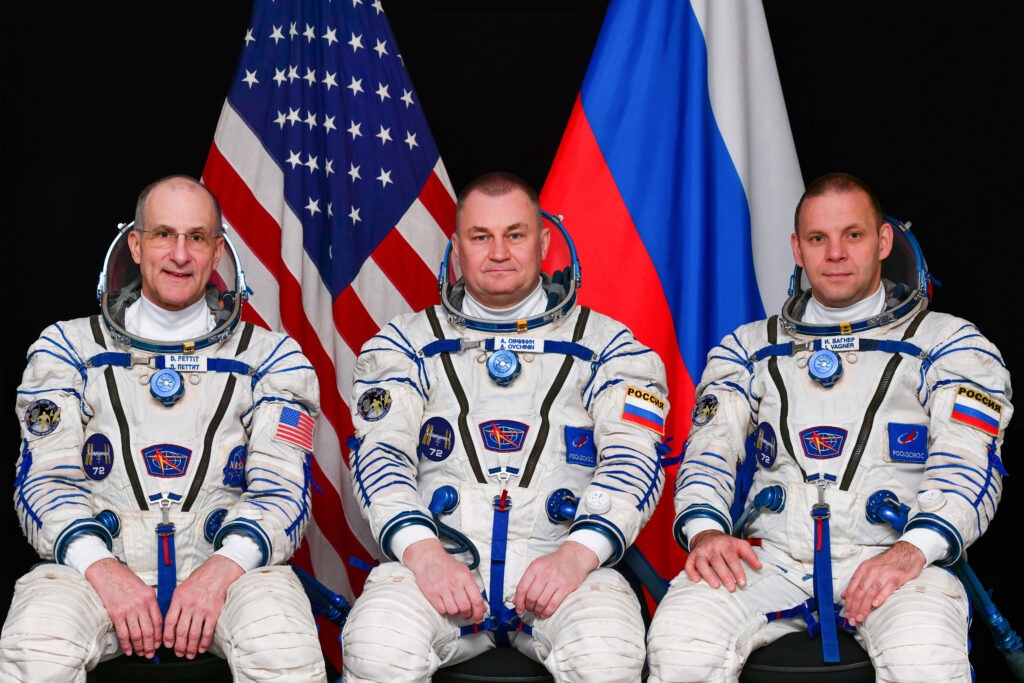
It seemed almost routine: One American astronaut and two Russian cosmonauts traveling to the International Space Station in a Soyuz MS-26 spacecraft from the Baikonur Cosmodrome in Kazakhstan. After all, the Russian-run facility in a remote, barren part of the Central Asian country has been a mainstay of travel to the station for many years. But the three-hour trip on the Soyuz on Wednesday made some space history, increasing the total number of people currently in Earth’s orbit to a record of 19. The previous record of 17 was set last year. The trip brings the number of people currently on the International Space Station to 12, including seven Americans and five Russians, according to NASA. The group will get a little smaller on Sept. 23, when one American and two Russians are scheduled to depart. There are also three people on China’s space station and four people led by billionaire Jared Isaacman on the five-day Polaris Dawn mission, for a total of 19. The new arrivals at the International Space Station are NASA astronaut Don Pettit and Roscosmos cosmonauts Alexey Ovchinin and Ivan Vagner. They’ll spend about six months in space and return to Earth in the spring of 2025. It’s the fourth trip to space for Pettit and Ovchinin and the second for Vagner. NASA and Roscosmos currently have a “cross-flights” deal involving travel to and from the International Space Station for three Russian cosmonauts on the U.S. Crew Dragon spacecraft and three U.S. astronauts on the Russian Soyuz spacecraft. The two space agencies are working on extending the agreement beyond the spring of 2025, the Russian news agency Interfax reported in a story with a Baikonur dateline. It quoted Kenneth Bowersox, NASA associate administrator for space operations. The joint missions are one of the rare areas of collaboration between Russia and the United States at a time of heightened tension over the Ukraine war.

The Subtle Politics of the World Nomad Games

Attending the World Nomad Games in Kazakhstan, one might be tempted to look for a possible political dimension, or the seeming lack thereof. The 5th World Nomad Games have brought  together in Astana more than 3,000 participants from 89 countries competing for 581 medals across 21 sports, with a prize fund of 250 million tenge ($521,000). This dwarfs the 19 nations which participated in the first iteration of the event, hosted in Kyrgyzstan in 2014, where just ten sports were held. Of course, the Games have expanded exponentially since then, and interest from visitors and media alike has also skyrocketed. Kazakhstan's Ministry of Tourism and Sports has stated that over 100,000 foreign tourists will attend the Games, which will “help showcase Kazakhstan's cultural and sports heritage to a global audience, significantly boosting interest in tourism to the country." Also hugely significant is the level of media interest, with outlets from 64 countries applying for accreditation. With competitors, visitors and media from around the globe, clearly the appeal of the Games has expanded far beyond those nations from which the heirs to nomadic civilizations hail. As for its cultural significance, it speaks volumes that the World Nomad Games has been included in the UNESCO list of Intangible Cultural Heritage. The Games, however, are also acting as a semi-official summit, as evinced by the attendance of President Mirziyoyev of Uzbekistan, President Japarov of the Kyrgyz Republic, Gurbanguly Berdimuhamedov, the Chairman of the People’s Council of Turkmenistan, the Rais (Head) of Tatarstan, Rustam Minnikhanov, the Head of the Republic of Sakha (Yakutia), Aisen Nikolayev, the former president of Mongolia, Nambaryn Enkhbayar, the son of Turkey’s President, Bilal Erdogan, and more. Given all this, the World Nomad Games as more than just an event, sporting or otherwise, and have been utilized as part of Kazakhstan's strategic course in pursuit of a balanced and multi-vector foreign policy aimed at ensuring the best interests of the state, whilst positioning the nation as an increasingly important land-bridge between East and West, both in terms of trade and diplomacy. This dynamic neutrality has made the Nomad Games in Astana the first international sporting event since the beginning of Vladimir Putin’s war in Ukraine in which the Russian team has been able to participate under the national flag. Spokeswoman for the Russian Foreign Ministry, Maria Zakharova, stated that the “Russian national team, comprising 150 athletes, was welcomed with applause in Kazakhstan’s capital, accompanied by a rendition of “Katyusha.”  It’s a celebration of sport and friendship! Kazakhstan has reminded the world of what global sports should be: depoliticized, inclusive, and focused on promoting athleticism rather than being tainted by various perversions.” This, however, does not mean that Kazakhstan is cosying-up to Russia in the slightest. Despite disruptions in trade chains and logistical problems, Astana has followed Western sanctions to the letter, much to Putin’s chagrin. In this ever more open and outward looking nation, rallies against Russia’s invasion have been allowed to be staged. Even the death of Alexei Navalny...

Tokayev Pardons Chinese Scholar Konstantin Syroezhkin

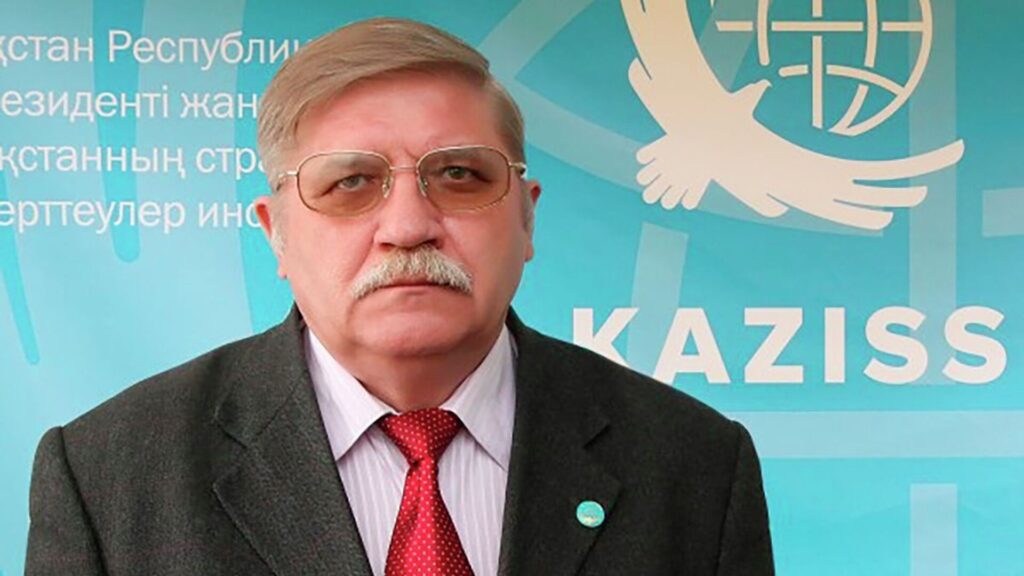
The Kazakh political analyst Andrei Chebotaryov has announced on his Telegram channel that President Kassym-Jomart Tokayev has pardoned a scholar of Chinese studies, Konstantin Syroezhkin, who was convicted of treason in 2019. “On the proposal of the Commission on pardon issues under the President of the Republic of Kazakhstan, the head of state Kassym-Jomart Tokayev pardoned the doctor of political sciences and professor Konstantin Syroezhkin by an appropriate decree. In this regard, his criminal record was removed, and his rights were restored. In general, justice has triumphed! I wish our colleague and mentor good health and new scientific achievements!”,  Chebotaryov shared. Syroezhkin was arrested in February 2019 in a criminal case of high treason. The case caused widespread outrage, especially in scientific circles. At the same time, little is known about it. The trial was closed, and the circumstances of the case were not disclosed. In October 2019, Konstantin Syroezhkin was found guilty of high treason and sentenced to 10 years in prison by the specialized inter-district criminal court of Almaty. In April 2024, the appellate panel granted Syroezhkin's appeal and released him on parole with probation supervision for the remaining term of four years, five months, and 22 days. The board concluded that Syroezhkin's exemplary behavior, conscientious attitude to work, and participation in prison life proved he did not need to serve the entire sentence. Syroezhkin has been engaged in Oriental studies for many years and has had a long academic career in Kazakhstan. Earlier, he worked at the Institute of Uyghur Studies of the Academy of Sciences of the Kazakh SSR and at Kazakhstan's Center of Oriental Studies of the Academy of Sciences. During the investigation that ended his career, Syroezhkin was chief scientific officer of the Kazakhstan Institute for Strategic Studies, from 2006 to 2019. Among his significant works are such studies as “Modern Xinjiang and its Place in Kazakhstan-China Relations,” “Kazakhstan-China: From cross-border Cooperation to Strategic Partnership,” and “Should Kazakhstan be Afraid of China: Myths and Phobias.” He has also researched the life of Kazakhs in China, which became his work “Kazakhs in China: Sketches of Socio-Economic and Cultural Development.” It is worth noting that other well-known scientists have also been convicted in Kazakhstan. For example, in 2011, the leader of the country's Sufi community and a Doctor of Technical Sciences, Professor Sayat Ibrayev, was sentenced to 12 years in prison on charges of “organizing a criminal group.” The same year, he was nominated in absentia for the Alikhan Bukeikhanov Award of the Union of Journalists of Kazakhstan.

Video Highlights: World Nomad Games Day Four

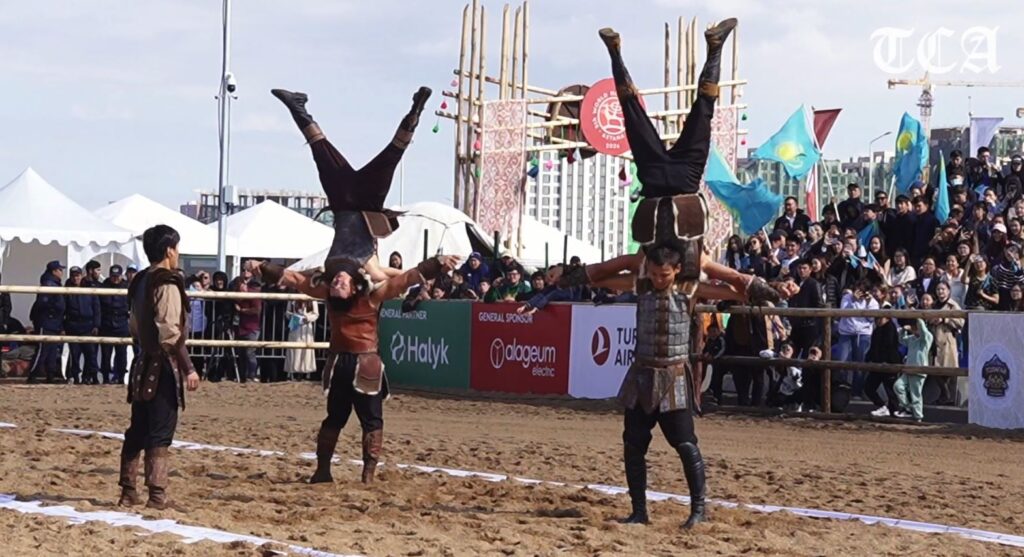
The fourth day of the World Nomad Games, themed as the “Gathering of the Great Steppe,” saw events taking place across Astana once more. TCA went to the Powerful Nomad competition, and took in national dances and some theatrical sabre combat: [video width="1920" height="1080" mp4="https://timesca.com/wp-content/uploads/2024/09/4.mp4"][/video]