New Parliamentary Elections Set in Kazakhstan
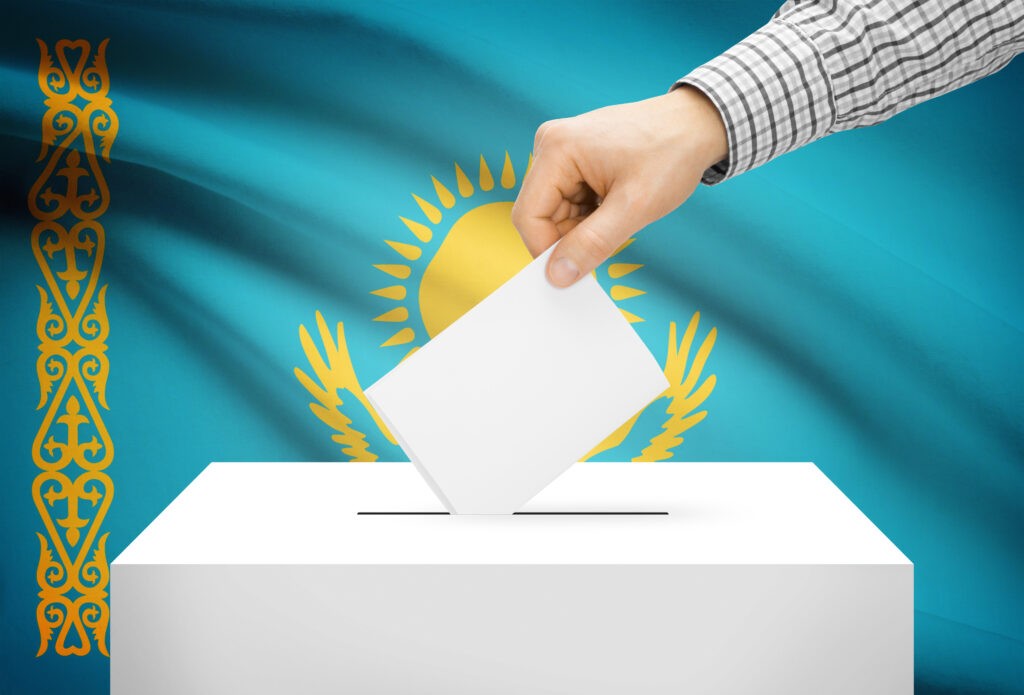
Kazakhstan’s President Kassym-Jomart Tokayev continues measures to implement his overarching program of political, economic and social reforms. His most recent step, dissolving the Mazhilis (national parliament) and announcing new elections to be held on 19 March, is expected accelerate their progress. These elections will be the first to take place under the new provisions of the constitution, amended in accordance with a referendum on 5 June 2022 that was backed by 75% of the public. The new system is a qualitatively significant change from the past. It foresees 70 percent of the deputies of the Mazhilis being elected from party lists by proportional allocation, and 30 percent from single-mandate constituencies by majoritarian vote. Many Western countries use this type of “mixed” electoral system, which combines methods of majoritarian and proportional representation. In Kazakhstan, it will also be applied to voting for the maslikhats—representative bodies at the municipal and regional levels—in a 50/50 rather than 70/30 proportion. The reforms also reduce the size of the Mazhilis from 107 to 98 representatives. The implementation of this electoral reform should make the legislative branch more representative on both central and local levels. As Tokayev has explained, it will further “create favourable conditions for the further development of civil society.” The elections “will become the embodiment of the changes taking place in society and will give a powerful impetus to the further modernisation of our political system.” The last parliamentary elections on 13 January 2021 were based upon old rules and structures inherited from the stagnant regime of former president Nursultan Nazarbayev. The reforms will go well beyond the removal of the ex-president’s family from positions of influence and recapturing the state’s stolen wealth. While anti-nepotism and a crackdown on corruption are priorities, Tokayev’s reforms go beyond it and open further vistas for the country’s democratisation. The details of the reforms, as well as the codification of their implementation, show minute attention to optimising the electoral mechanisms for popular participation and facilitating the entry of new actors into national and local politics. Such democratisation can only be built with the recruitment of new elites and “sub-elites” at all levels from central to municipal government. The recruitment of new political actors from civil society will hopefully lead to their participative integration into the political system. This strategy targets the mobilisation of strata of society that have been excluded from the political and public sphere until now. Tokayev’s reforms are creating possibilities and opportunities for this inclusion to take place. Seven parties have been registered under the new electoral rules and the Central Elections Commission expects another two to qualify before the deadline. They will be able to file candidacies if they succeed in holding an election congress and submitting the required package of documents for each candidate from the list. It has been announced that, if necessary, filing deadlines will be extended until every constituency has at least two candidates on the ballot for every post. The ballots will also make it possible to...