• KGS/USD = 0.01144 0%
  • KZT/USD = 0.00211 0%
  • TJS/USD = 0.10526 0%
  • UZS/USD = 0.00008 0%
  • TMT/USD = 0.28530 0%
  • KGS/USD = 0.01144 0%
  • KZT/USD = 0.00211 0%
  • TJS/USD = 0.10526 0%
  • UZS/USD = 0.00008 0%
  • TMT/USD = 0.28530 0%
  • KGS/USD = 0.01144 0%
  • KZT/USD = 0.00211 0%
  • TJS/USD = 0.10526 0%
  • UZS/USD = 0.00008 0%
  • TMT/USD = 0.28530 0%
  • KGS/USD = 0.01144 0%
  • KZT/USD = 0.00211 0%
  • TJS/USD = 0.10526 0%
  • UZS/USD = 0.00008 0%
  • TMT/USD = 0.28530 0%
  • KGS/USD = 0.01144 0%
  • KZT/USD = 0.00211 0%
  • TJS/USD = 0.10526 0%
  • UZS/USD = 0.00008 0%
  • TMT/USD = 0.28530 0%
  • KGS/USD = 0.01144 0%
  • KZT/USD = 0.00211 0%
  • TJS/USD = 0.10526 0%
  • UZS/USD = 0.00008 0%
  • TMT/USD = 0.28530 0%
  • KGS/USD = 0.01144 0%
  • KZT/USD = 0.00211 0%
  • TJS/USD = 0.10526 0%
  • UZS/USD = 0.00008 0%
  • TMT/USD = 0.28530 0%
  • KGS/USD = 0.01144 0%
  • KZT/USD = 0.00211 0%
  • TJS/USD = 0.10526 0%
  • UZS/USD = 0.00008 0%
  • TMT/USD = 0.28530 0%

Viewing results 991 - 996 of 1960

Kazakhstan’s National Railway Carrier Under Threat of Default

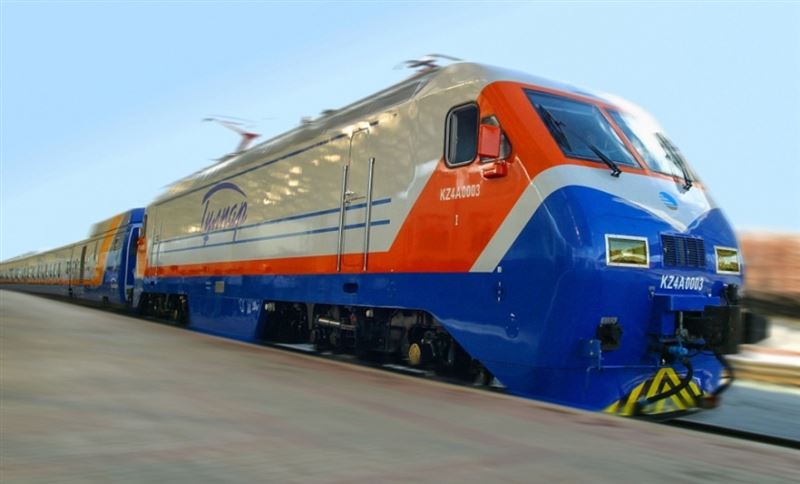
The Chairman of the Supreme Audit Chamber (SAC), Alikhan Smailov, has discussed the possible default of national rail carrier, Kazakhstan Temir Zholy (KTZ). According to Smailov, the company cannot currently fulfill its obligations. "The company is in the ‘red’ zone of credit risk. At the beginning of 2024, its debt amounted to 2.9 trillion tenge ($6 billion) and continues to grow; 45%, or 1.3 trillion tenge ($2 billion), of the total debt is aimed at refinancing previously assumed debt obligations,” said Smailov, answering questions from deputies. According to Smailov, Samruk-Kazyna JSC's existing corporate governance methods and development strategy, which include KTZ, are not able to prevent the crisis the country's national railway company is facing. “Further deterioration of assets, the build-up of debts, and the inability to service them without fundamental management changes will lead to the default of KTZh,” Smailov stated. A large amount of budget funds has been spent on developing the railway industry over the past four years, but it has not been enough. The money invested has yet to meet the nation's needs for freight and passenger transportation, Smailov emphasized.
Kazakhstan’s First Automobile Tunnel and Largest Bridge to be Completed this Year

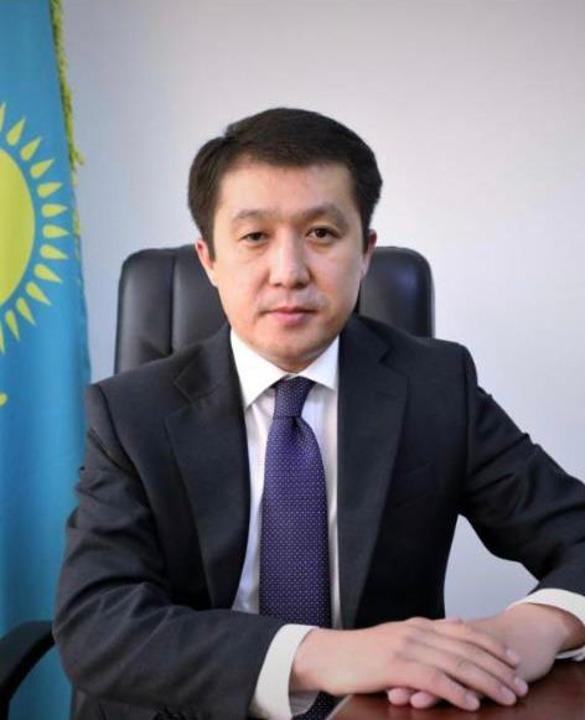
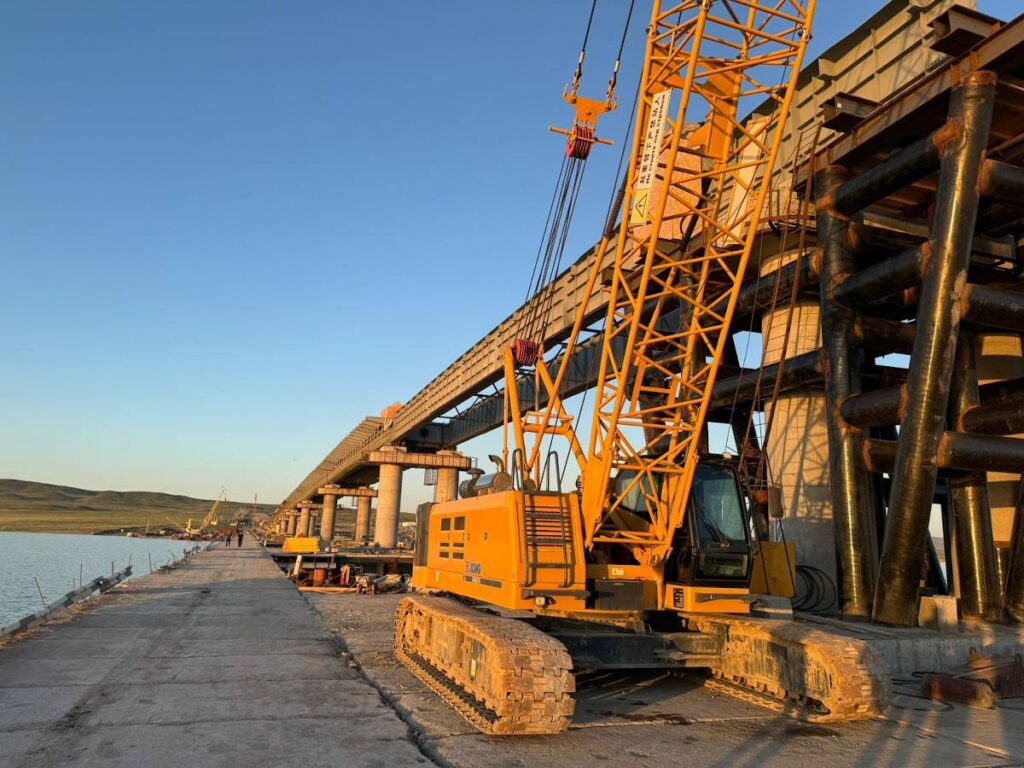
As reported  by the Kazakhstan's Ministry of Transport,  Kazakhstan's first automobile tunnel through the Shakpak Baba Pass and the country's largest bridge over the Bukhtarma Reservoir are due for completion by the end of this year.  All concrete work has been completed and an asphalt road laid  in the Shakpak Baba road tunnel. Lighting has been installed and work is now underway to install video surveillance, lay gas pipes, ventilation, and firefighting equipment. Development of the country's longest bridge is likewise on schedule. Around 81% of  the bridge supports has been erected and 17 of the 21 piers have been built. Regarding progress on both of the ambitious projects, Transport Minister Marat Karabayev announced, "We plan to complete the construction of the country's first automobile tunnel through the Shakpak Baba Pass by the end of this year. Additionally, we aim to complete the construction of the largest bridge in Kazakhstan over the Bukhtarma Reservoir. The total length of the two-lane road bridge across the Bukhtarma reservoir near the village of Kuigan in East Kazakhstan region will be 1,316 meters."

EU and Kazakhstan Launch Coordination Platform of Trans-Caspian Transport Corridor

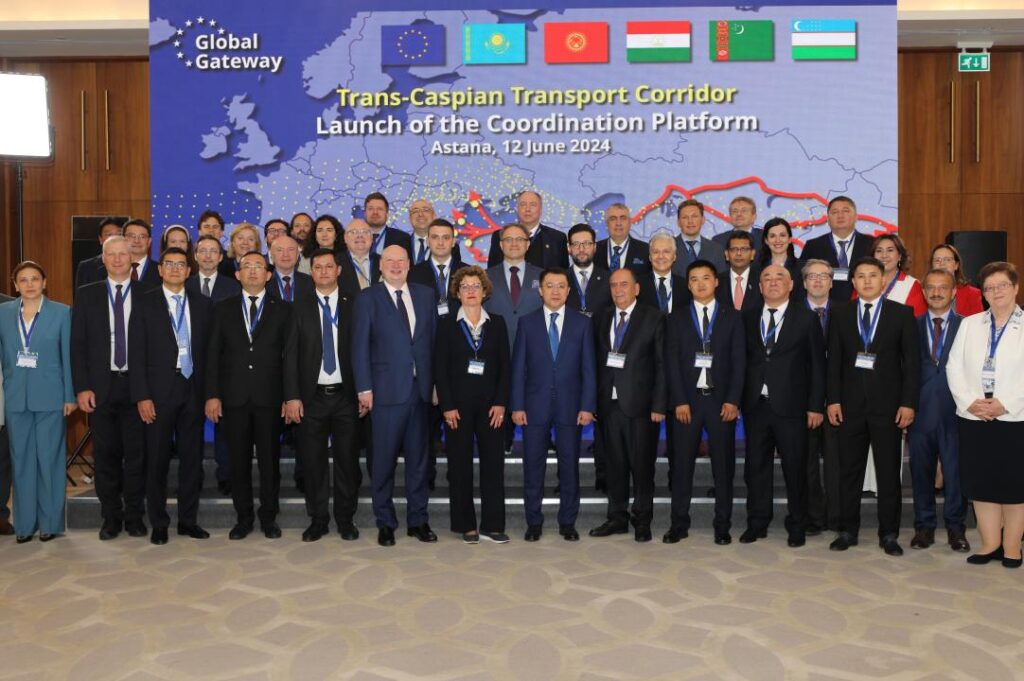
On 12 June, the European Commission and Kazakhstan launched the Coordination Platform for the Trans-Caspian Transport Corridor, also known as the Trans-Caspian International Transport Route (TITR) or the Middle Corridor, in Astana. According to Kazakhstan’s Ministry of Transport, the newly established Coordination Platform will improve the safety and sustainability of the Trans-Caspian Transport Corridor and turn it into a multimodal and competitive route linking Europe and Asia in 15 days or less. The event was attended by representatives of Central Asian countries and other states sited along the corridor, as well as international financial institutions and non-EU G7 countries. Emphasizing the critical development of transport infrastructure and strengthening transport links for the regions’ economic growth and prosperity, Marat Karabayev, Minister of Transport of Kazakhstan, stated: “The establishment of the Coordination Platform provides us with a unique opportunity to join forces, exchange experience and perspectives to reach common goals. I would like to note that our partners from Armenia, Azerbaijan, Georgia, as well as Turkey have been invited to join this effort, which plays an important role in terms of achieving major and sustainable goals for the development of the Trans-Caspian International Transport Route.” The Minister of Transport expressed gratitude to the European Union for its invaluable support and efforts towards the development of Central Asian countries. Speaking at the event, Henrik Hololei, Hors-Classe Adviser at the Directorate-General for International Partnerships in the European Commission, stated: "The Coordination Platform created for the Trans-Caspian Transport Corridor marks a significant step forward in our cooperation to bring Central Asia and Europe closer together. Sustainable transport connections are crucial for consolidating the region’s economic growth and connectivity with Europe." Ms. Maja Bakran, Deputy Director General for Mobility and Transport at the European Commission, then added: “The Coordination Platform will be instrumental in making the Trans-Caspian Transport Corridor a multimodal, modern, competitive, sustainable, predictable, smart and fast route linking Europe, the Caucasus and Central Asia. The coordination efforts among the various stakeholders will drive forward deeper connections and contribute to sustainable economic development of the region.” The Platform’s key objectives are to promote the corridor and coordinate efforts on the implementation of priority hard and soft infrastructure projects in Central Asia. It will also boost and coordinate investments in rail, road, and port infrastructure.    

Kazakhstan and Congo Ready to Cooperate in Oil and Gas

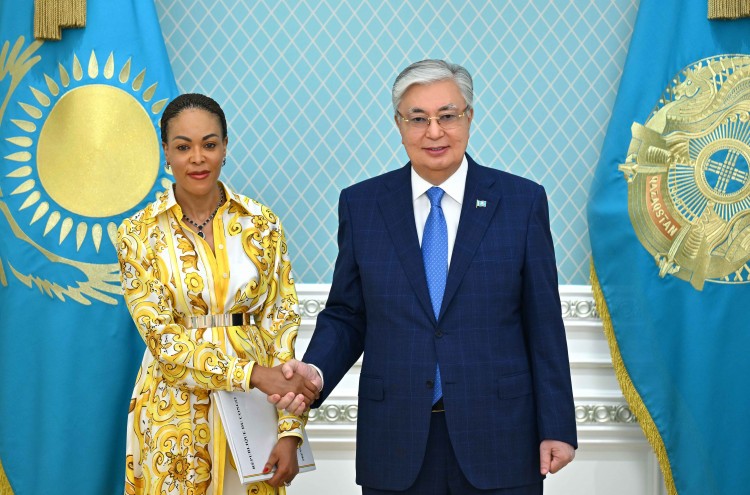
On June 11, Chairman of the Board of Kazakhstan’s national oil and gas company KazMunayGas (KMG), Askhat Khasenov attended a meeting in Astana with Adviser to the President of the Republic of Congo for strategic issues and international negotiations, Francoise Joly, and General Director of Congo’s national petroleum company SNPC (Societe nationale des petroles du Congo), Maixent Raoul Ominga. The Congolese officials opened discussions by stating that after Nigeria and Angola, their country is Africa’s third largest player in the oil and gas sector. It was stated that whilst SNPC actively cooperates with international companies (Total Energies, Chevron, Eni), the company seeks to attract new investments to maximize the potential of its energy projects. The parties exchanged views on potential cooperation in the oil and gas sector, including trade in oil and petroleum products and human capital development, and agreed to work towards the signing of a cooperation agreement between KMG and SNPC. On 10 June, in preparation for the state visit of  the President of the Republic of Congo, Kazakhstan President Kassym-Jomart Tokayev received Ms. Joly. In addition to identifying promising areas of bilateral cooperation, Tokayev expressed his readiness to strengthen contacts with the Republic of Congo.  

Turkey Lifts Restrictions on Import of Livestock and Poultry Products from Kazakhstan

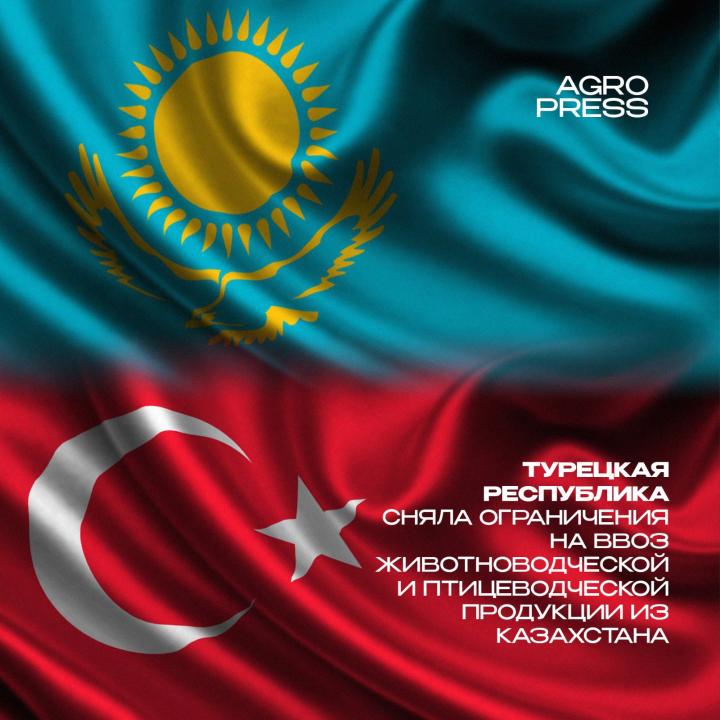
Kazakhstan’s Ministry of Agriculture has announced that from June 7, 2024, restrictions on the supply of Kazakh livestock and poultry products to the Turkish market have been lifted. The restrictions were originally made to prevent the spread of avian influenza, in 2005, foot-and-mouth disease, in 2016, and lumpy skin disease, in 2022. In March 2024, the Minister of Agriculture of Kazakhstan, Aidarbek Saparov, raised the issue of export barriers during the meeting of ministers of agriculture of the Organization of Turkic States in Taraz, Kazakhstan. At the time, Saparov explained that Kazakhstan was ready to supply high-quality meat products to Turkey as well as Turkmenistan and Hungary, but complained that the Turkish market was all but closed to Kazakh meat exporters due to veterinary concerns. Pleading his case, he continued, “This year, similar restrictions on Kazakhstan have been lifted by China and Russia. So, we believe it is now possible to revisit this issue with the Turkish side.” With the restrictions now lifted, the next step towards exporting Kazakhstan’s livestock products will involve the coordination of veterinary requirements with Turkish authorities. The issue will be addressed during Minister Saparov’s next visit to Turkey in August.  

How the Trans-Caspian Corridor will Revitalize Trade between Asia and Europe.

Kazakhstan's Transport Minister, Marat Karabayev has stated that geopolitical tensions are disrupting traditional logistics chains and jeopardizing global trade. As reported in an article published in the Chinese business publication, "South China Morning Post, " he claimed that developing the Trans-Caspian transport corridor is essential for increasing transit potential. Karabayev believes the Trans-Caspian international transportation route is an effective alternative to traditional maritime routes. The overland corridor connects Southeast Asia and China with Europe, crossing Kazakhstan, Azerbaijan, Georgia, and Turkey. Last year, cargo traffic along this route exceeded 2.7 million tons, up 86%. "Kazakhstan can play a key role here. As the largest country between Asia and Europe, it is an important transit hub for trade between the two continents. Kazakhstan accounts for about 80% of all land transit traffic from China to Europe,” said Karabayev. He noted that the Trans-Caspian corridor has undergone a steady development over the past decade. In recent years, geopolitical changes have given it additional impetus, especially since the number of container ships crossing through the Suez Canal in 2023, decreased by 67%  and the cost of sea transportation from Shanghai to European countries has almost tripled in recent months. Given that overland transit would reduce costs and become a more viable logistical option, Kazakhstan is committed to improving infrastructure and terminal facilities, increasing rolling stock, removing administrative barriers, and creating favorable carrier conditions. "However, for the Middle Corridor to achieve its goals, we need the support and participation of other countries," advised Karabayev. "Austria, Germany, Latvia, Latvia, Lithuania, Estonia, and Hungary have expressed interest in joining the Trans-Caspian International Transport Route Association. The EU recently announced an investment of 10 billion euros ($10.85 billion). In addition, a roadmap for development until 2027 has been agreed with Azerbaijan, Georgia, and Turkey.”