• KGS/USD = 0.01144 0%
  • KZT/USD = 0.00212 0%
  • TJS/USD = 0.10456 0.19%
  • UZS/USD = 0.00008 0%
  • TMT/USD = 0.28490 0%
  • KGS/USD = 0.01144 0%
  • KZT/USD = 0.00212 0%
  • TJS/USD = 0.10456 0.19%
  • UZS/USD = 0.00008 0%
  • TMT/USD = 0.28490 0%
  • KGS/USD = 0.01144 0%
  • KZT/USD = 0.00212 0%
  • TJS/USD = 0.10456 0.19%
  • UZS/USD = 0.00008 0%
  • TMT/USD = 0.28490 0%
  • KGS/USD = 0.01144 0%
  • KZT/USD = 0.00212 0%
  • TJS/USD = 0.10456 0.19%
  • UZS/USD = 0.00008 0%
  • TMT/USD = 0.28490 0%
  • KGS/USD = 0.01144 0%
  • KZT/USD = 0.00212 0%
  • TJS/USD = 0.10456 0.19%
  • UZS/USD = 0.00008 0%
  • TMT/USD = 0.28490 0%
  • KGS/USD = 0.01144 0%
  • KZT/USD = 0.00212 0%
  • TJS/USD = 0.10456 0.19%
  • UZS/USD = 0.00008 0%
  • TMT/USD = 0.28490 0%
  • KGS/USD = 0.01144 0%
  • KZT/USD = 0.00212 0%
  • TJS/USD = 0.10456 0.19%
  • UZS/USD = 0.00008 0%
  • TMT/USD = 0.28490 0%
  • KGS/USD = 0.01144 0%
  • KZT/USD = 0.00212 0%
  • TJS/USD = 0.10456 0.19%
  • UZS/USD = 0.00008 0%
  • TMT/USD = 0.28490 0%

Viewing results 997 - 1002 of 1913

New International Terminal Opens at Almaty Airport

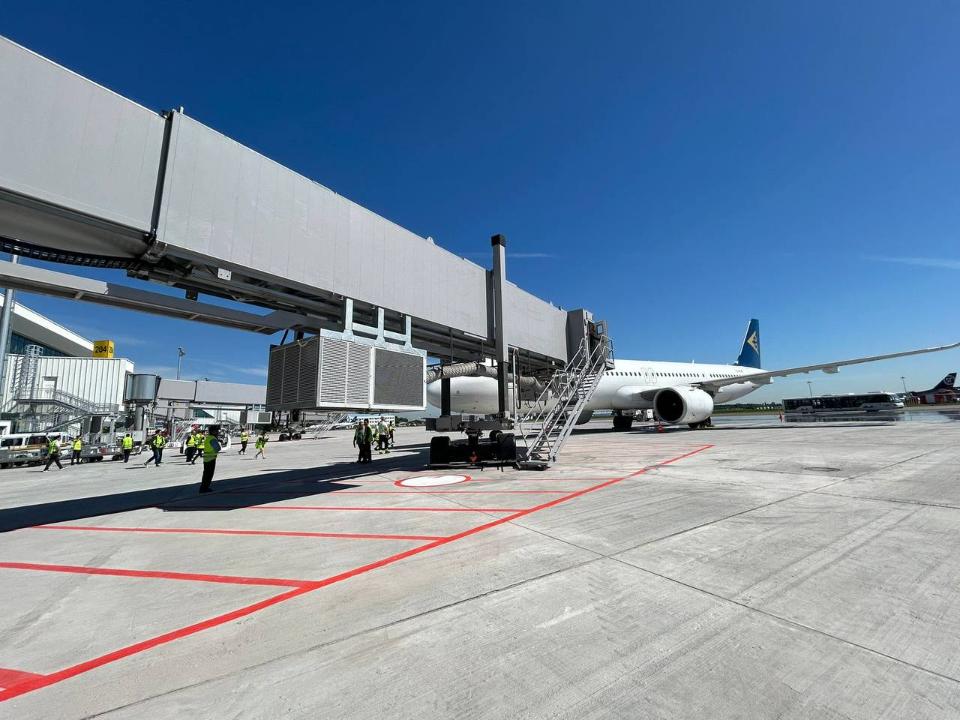
On June 1, a new international terminal was opened at Almaty Airport in readiness to launch its first flights by the middle of the month. According to Kazakhstan’s Ministry of Transport, the new terminal will increase the airport's capacity to 14 million passengers per year and before long, launch 15 new international routes to 10 countries. On 31 May, prior to the opening, President of Kazakhstan Kassym-Jomart Tokayev, accompanied by Nikolai Podguzov, Chairman of the Eurasian Development Bank’s (EDB) Management Board visited the new terminal for a tour of its check-in, border and customs control areas and baggage services. The EDB was part of a syndicate of lenders which included the European Bank for Reconstruction and Development (EBRD), the International Finance Corporation (IFC) and the German Investment Corporation (DEG). Their total investment in the project amounted to US $450 million. In praise of the project, Tokayev remarked, “Almaty International Airport is the nation’s largest air hub. Inbound tourism to the southern capital grows every year, with over 2 million people having visited the city in 2023. Two years ago, I participated in the time capsule laying ceremony on this site, and tomorrow the new terminal at Almaty International Airport will serve its first flights.” With reference to security, Alp Er Tunga Ersoy, President of Almaty International Airport drew attention to the fact that the terminal was designed to meet seismic and fire safety requirements and withstand a magnitude 10 earthquake. The new international terminal was originally scheduled to open in late summer 2024. However, due to a rapid increase in passenger traffic, construction was expedited. All international flights will be transferred to the new terminal by mid-June and the old terminal, repurposed for domestic flights. The President of Kazakhstan expressed his gratitude to TAV GROUP for constructing the terminal to international standards and thanked the syndicate of lenders for its vital support. In response, EDB chairman Podguzov commented, “The construction of a new international terminal and the modernization of Almaty Airport is a significant initiative for the development of Kazakhstan’s transport sector, as it is the country’s largest air hub and part of an extensive international network of routes. We highly appreciate the trust and support of the Government of Kazakhstan and our partners – the EBRD, Germany’s DEG, and the IFC.”    

Kazakhstan and United States Strategic Partnership

On 31 May, Kazakhstan First Deputy Foreign Minister Akan Rakhmetullin and Assistant Secretary for the Bureau of South and Central Asian Affairs Donald Lu attended the sixth meeting of the Enhanced Strategic Partnership Dialogue (ESPD) between Kazakhstan and the United States in Washington, According to Kazakhstan’s Foreign Ministry, summaries were provided on recent collaborative initiatives and views on current bilateral and regional issues were synchronized. Plans were outlined for further development and enhancement of the countries’ strategic partnership, with a special emphasis on aspects of political and economic cooperation, as well as the human dimension. The participants also discussed projected outcomes of the meeting in the U.S in March, between Deputy Prime Minister - Minister of Foreign Affairs of Kazakhstan Murat Nurtleu and Secretary of State Antony Blinken. Rakhmetullin drew attention to the alignment of the political and democratic transformations declared by President Tokayev on the main issues on the bilateral agenda. He then highlighted the importance of developing infrastructure projects and transportation routes as key elements of bilateral trade and economic interaction. The parties also discussed cooperation in the fields of energy and critical minerals. The American side praised the steady progress of the bilateral partnership, with reference to projects launched following the C5+1 Presidential Summit in September 2023. During their visit, the Kazakh delegation also attended separate meetings with leaders of U.S. Administration, the State Department, the Office of the Trade, and other relevant U.S. agencies. At a round table event with representatives of American civil society, the Kazakh side gave presentations on innovations in national legislation on the protection of human rights in the country. The meeting concluded with an agreement to further Kazakhstan – U.S. Enhanced Strategic Partnership Dialogue at a meeting scheduled for 2025 in Astana.    

First Meeting of Central Asia – GCC Investment Forum

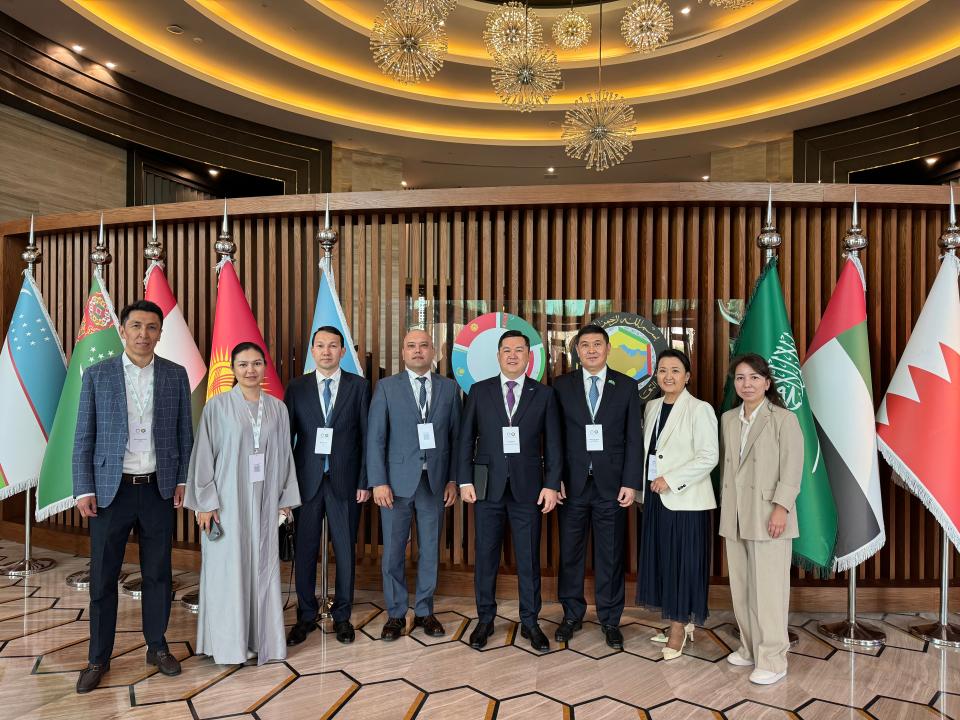
The Central Asia – GCC Investment Forum met for the first time in Saudi Arabia’s capital Riyadh on 29 May. The Gulf Cooperation Council (GCC) is a political and economic alliance of six Middle Eastern countries: Saudi Arabia, Kuwait, the United Arab Emirates, Qatar, Bahrain, and Oman. The forum provided opportunities for representatives of Central Asian governments and business sectors and GCC countries to present economic and investment proposals, exchange views on issues concerning bilateral and multilateral cooperation, and discuss the implementation of strategically important projects in various fields. Delegates also participated in thematic panel sessions focusing on agriculture and food security, mining and metals industry, development and infrastructure, renewable and green energy. Kazakhstan’s Foreign Ministry, the Governor of the Astana International Financial Centre (AIFC) Renat Bekturov, noted the strategic importance of intensifying cooperation between the public and private sectors of the two regions. In his remarks, he emphasized the enormous potential of the Gulf market for strengthening trade and economic relations with Kazakhstan, as well as the unlimited prospects for expanding investment partnerships. With regard to other sectors, Bekturov spoke of the significant opportunities for Central Asian and GCC countries to expand collaboration in green energy, food security, transport and logistics, mining, petrochemicals, agriculture, finance, and tourism.    

Kazakhstan Changing Its Labor Laws to Better Reflect the Country’s Needs

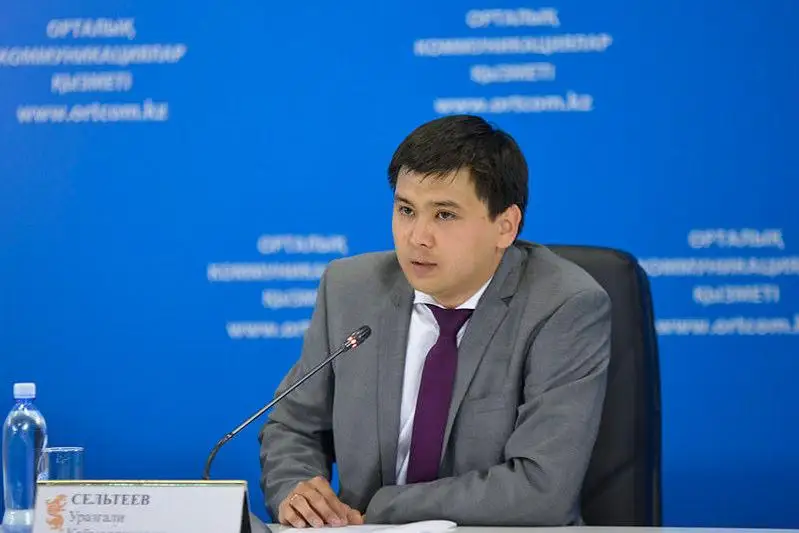
Kazakhstan has recently adopted regulations that make it more difficult for migrants and citizenship-seekers to enter the country. Urazgali Selteyev, a political scientist and director of the Institute for Eurasian Integration, told The Times of Central Asia that the legislation is being streamlined rather than tightened. According to some experts, Kazakhstan is the most attractive country in Central Asia for migrants. For many years, foreign workers have been entering the country, and illegal migration is high, as residents of neighboring countries are hired in the agricultural and construction sectors and are involved in transportation and services. In recent years, cases of detection and deportation of illegal migrants from the farthest regions, including Africa, have become more frequent. In addition, since 1991, more than one million 'kandas' (formerly known as oralmans) have arrived in Kazakhstan -- persons of Kazakh nationality resettling in the country according to established quotas. Often, kandas arrive from Uzbekistan, Kyrgyzstan, Turkmenistan, China, and Russia. Also, after the partial mobilization for Russia's war in Ukraine announced in September 2022 by Russian president Vladimir Putin, an unspecified number of draft evaders and their family members entered Kazakhstan. This situation forces the Kazakh authorities to take a stricter approach to regulating migration flows. Just the other day, the website “Open Normative Legal Acts” (“Open NLA”) posted a document highlighting the discussion that began two years ago. The document states that Kazakhstan will develop rules to determine whether kandas have a right to claim Kazakh nationality. In May this year, Kazakhstan's president Kassym-Jomart Tokayev signed the law “On introducing amendments and additions to some legislative acts of the Republic of Kazakhstan on the improvement of legislation in the field of migration and penal system.” This law provides new grounds for refusal of admission and restoration of Kazakh citizenship, such as ignorance of the state language at the elementary level, the basics of the Constitution of Kazakhstan, and a certain level of national history determined by an authorized body in the field of science and higher education. Simply put, applicants for citizenship will have to pass the exam. As explained by the Minister of Science and Higher Education Sayasat Nurbek, the test will include three components: the first is knowledge of the Kazakh language, the second is the basics of the Constitution, and the third is the basics of the history of Kazakhstan. “These tests will be required to be taken by persons who apply for citizenship. There are reservations on a separate list of honored: on the presidential list, minors and people with disabilities will be exempted,” explained Nurbek. According to the new migration rules, EAEU citizens can stay in the country for no more than 90 days within 180 days; other foreigners can stay for no more than 30 days, and a maximum of 90 days in six months. In the previous version of legislative acts, there were no restrictions concerning the 180 days, thus, foreigners lost the opportunity to repeatedly renew the terms of stay, leaving the country for...

Kazakhstan and EU Seek Increase in Trade of Agricultural Products

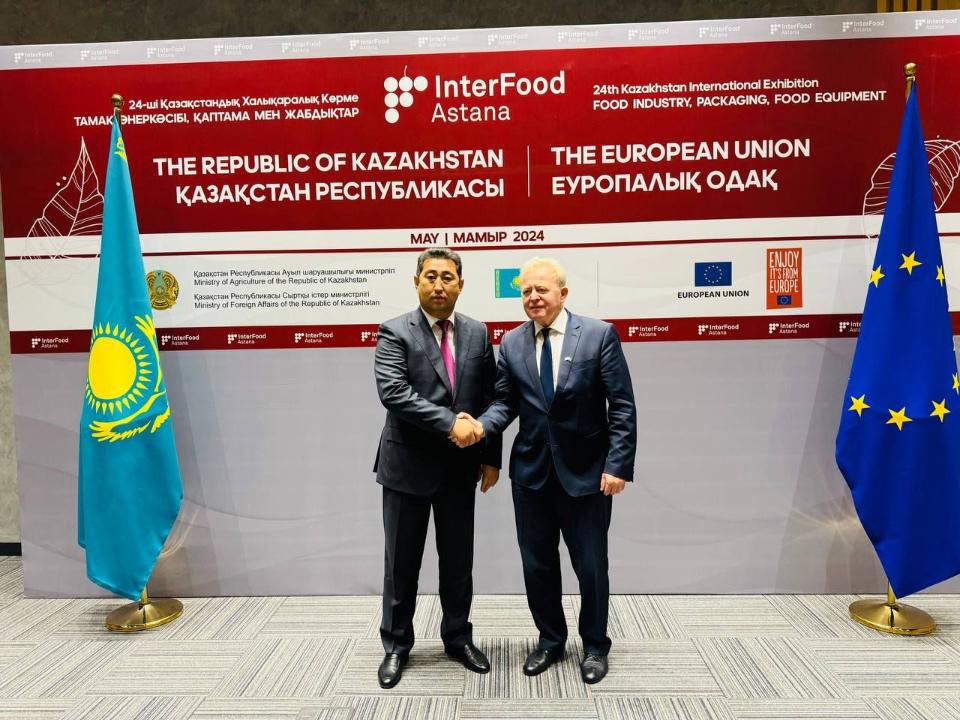
On May 29, Kazakhstan Agriculture Minister Aidarbek Saparov entered discussions with European Commissioner for Agriculture Janusz Wojciechowski for the removal of trade barriers for agricultural products. The conference took place during the European Commissioner’s first High-Level Mission to Kazakhstan, attended by a delegation of 40 agri-food businesses and organizations from across the European Union. Saparov and Wojciechowski agreed to continue discussions on the technicalities of opening the EU market for Kazakh honey, meat, and dairy products, as well as the export of pig and poultry products from EU countries to Kazakhstan. In 2023, Kazakhstan exported 650 thousand tons of wheat to EU countries, alongside flax seeds, rapeseed, and processed grain crops. Although Kazakh producers are not yet licensed to export livestock products to the EU, Kazakh fish is in high demand by European buyers. Of Kazakhstan’s 70 fish processing enterprises, 18 have been granted the right to export their products to the European Union countries. In 2023, Kazakhstan’s exports of fish products amounted to around 25 thousand tons, worth $85 million. About 11 thousand tons were exported to EU countries including Germany, the Netherlands, Denmark, and Lithuania for a total of $60 million. With a long tradition of livestock farming, Kazakhstan is naturally eager to export its meat, particularly horsemeat. Minister Saparov therefore proposed intensifying efforts to export such produce in tandem with securing approval to export  Kazakh honey to the EU. In a press statement ahead of his visit, Commissioner Wojciechowski announced, “This High-Level Mission is a strong signal of our intention to further strengthen our partnership and our bilateral trade in agri-food products with Kazakhstan.” Kazakhstan remains a key gateway for EU food and beverage producers seeking entrance to the Central Asian market, and Kazakhstan itself, is an important destination for EU agricultural exports, which in 2023, amounted to €702 million.    

Kazakhstan Motoring Towards to Fuel Self-Sufficiency

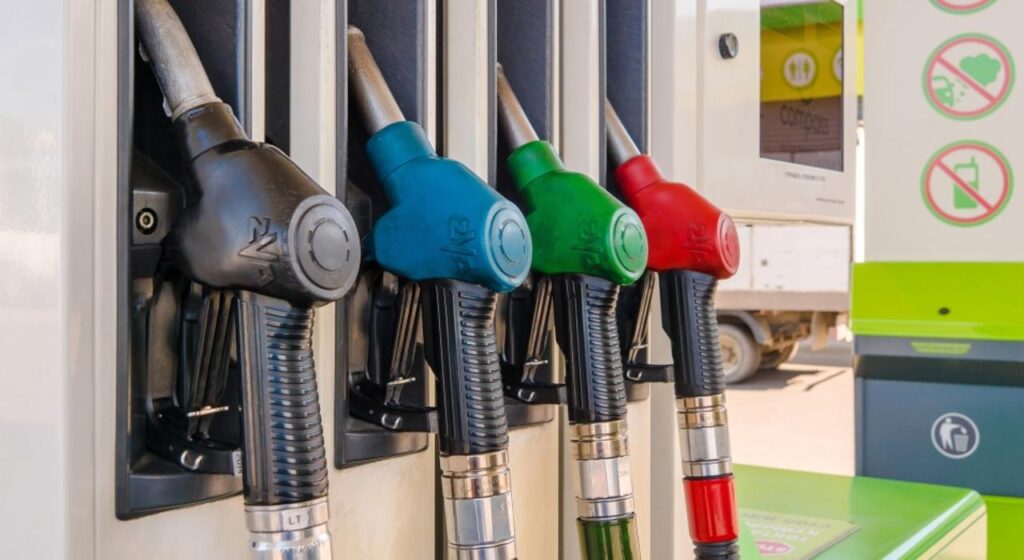
Speaking at a government meeting on May 28, Kazakhstan Energy Minister Almasadam Satkaliev announced a significant rise in the country’s supplies of fuel, raising the potential for its future export. During the first quarter of the year, oil refined in Kazakhstan amounted to 5.9 million tons; an increase of 5.4% compared to spring 2023. Production of fuel amounted to 4.28 million tons. To date, reserves of diesel fuel at refineries and oil depots have increased to 612 thousand tons, 38 days’ worth; AI-92 gasoline, to 352 thousand tons, 30 days’ worth, and AI-95 gasoline, to 86 thousand tons, 30 days’ worth. The depth of oil refining and consequently, the production of light oil products (gasoline) has increased from 85% to 87%. Kazakhstan plans to increase the production of motor fuel by expanding production at the Shymkent oil refinery from 6 to 12 million tons by 2030, at the Atyrau Oil Refinery from 5.5 to 6.7 million tons by 2027, and at the Pavlodar Petrochemical Plant from 5.5 to 8 million tons by 2030. According to the minister, the implementation of the above will not only satisfy the domestic market’s growing demands for fuel but also, allow its export to neighbouring countries.