• KGS/USD = 0.01144 0%
  • KZT/USD = 0.00208 0%
  • TJS/USD = 0.10439 0%
  • UZS/USD = 0.00008 0%
  • TMT/USD = 0.28571 0%
  • KGS/USD = 0.01144 0%
  • KZT/USD = 0.00208 0%
  • TJS/USD = 0.10439 0%
  • UZS/USD = 0.00008 0%
  • TMT/USD = 0.28571 0%
  • KGS/USD = 0.01144 0%
  • KZT/USD = 0.00208 0%
  • TJS/USD = 0.10439 0%
  • UZS/USD = 0.00008 0%
  • TMT/USD = 0.28571 0%
  • KGS/USD = 0.01144 0%
  • KZT/USD = 0.00208 0%
  • TJS/USD = 0.10439 0%
  • UZS/USD = 0.00008 0%
  • TMT/USD = 0.28571 0%
  • KGS/USD = 0.01144 0%
  • KZT/USD = 0.00208 0%
  • TJS/USD = 0.10439 0%
  • UZS/USD = 0.00008 0%
  • TMT/USD = 0.28571 0%
  • KGS/USD = 0.01144 0%
  • KZT/USD = 0.00208 0%
  • TJS/USD = 0.10439 0%
  • UZS/USD = 0.00008 0%
  • TMT/USD = 0.28571 0%
  • KGS/USD = 0.01144 0%
  • KZT/USD = 0.00208 0%
  • TJS/USD = 0.10439 0%
  • UZS/USD = 0.00008 0%
  • TMT/USD = 0.28571 0%
  • KGS/USD = 0.01144 0%
  • KZT/USD = 0.00208 0%
  • TJS/USD = 0.10439 0%
  • UZS/USD = 0.00008 0%
  • TMT/USD = 0.28571 0%

Viewing results 193 - 198 of 384

Kazakhstan Prepares for the Second Phase of North Aral Sea Restoration

On August 1, Kazakhstan’s minister for water resources and irrigation, Nurzhan Nurzhigitov, chaired a meeting on preparations for the second phase of the North Aral Sea restoration project. The North Aral Sea is the portion of the former Aral Sea fed by the Syr Darya River. It split from the South Aral Sea in 1987–1988, when water levels dropped due to water diversion for agricultural use. The meeting reviewed the preparation of a feasibility study for the project. The project consists of three components. The first component improves conditions for fisheries and the aquatic environment in and near the sea, and stabilizes wetlands in the Syr Darya River delta. The second component supports sustainable economic, social, and environmental activities in Kazakhstan’s Kyzylorda region by developing fisheries, livestock farming, tourism, and forest planting. The third component plans to improve water management systems in the Aral-Syr Darya basin. Nurzhigitov commented: "The project being prepared is a continuation of a large-scale project to regulate the Syr Darya River bed and preserve the North Aral Sea, which was implemented between 2002 and 2010 and positively affected the entire Aral Sea region. The second phase covers many different areas — from the stable provision of the North Aral Sea with water to developing economic and social projects."

Can the Aral Sea Be Saved?

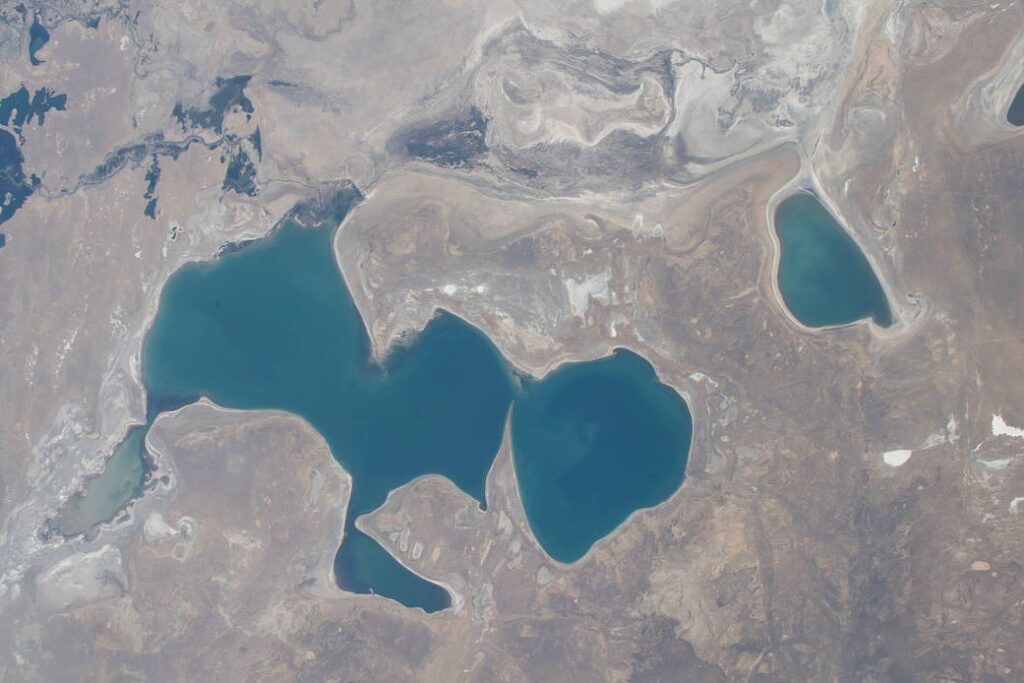
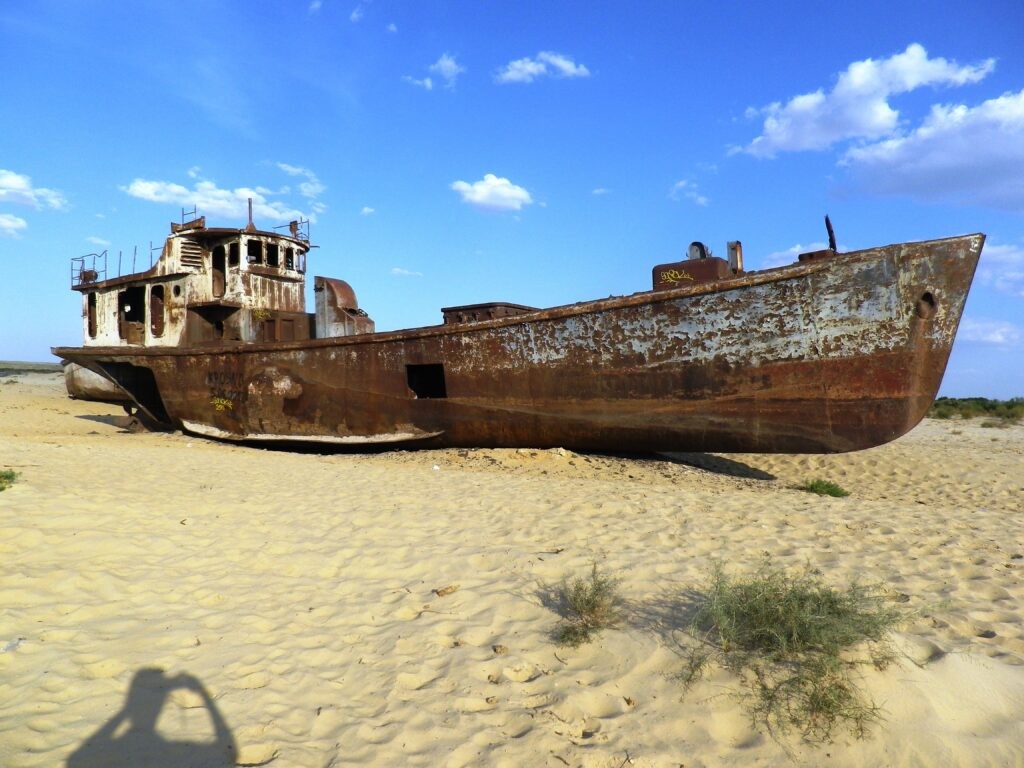
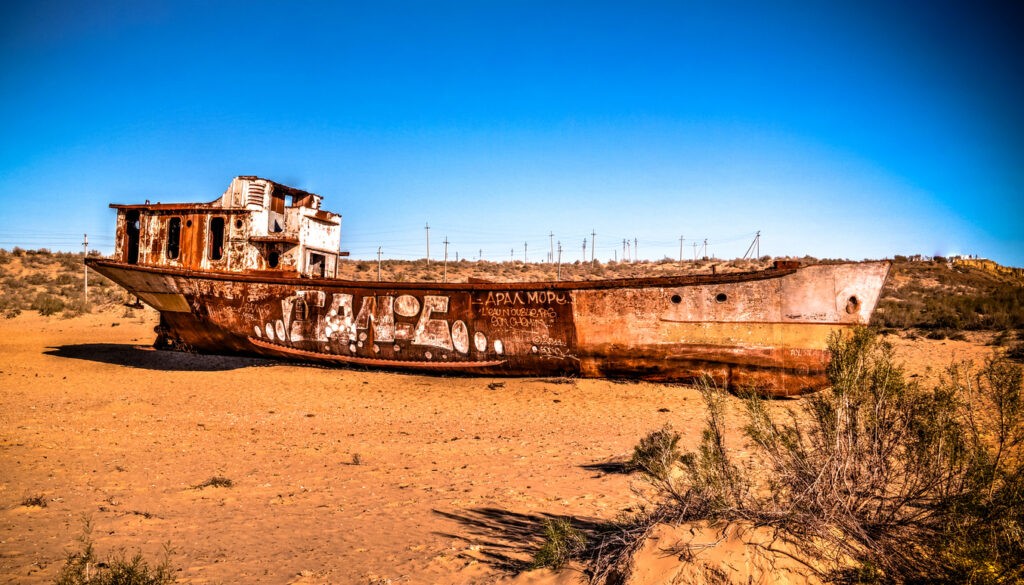
Thanks to cooperation between the Central Asian states, the ultimate demise of the Aral Sea has been prevented. This year, the Northern Aral Sea has significantly replenished its water reserves. The Northern portion of the Aral Sea has received 12.5 times more water this year than the previous year - up to 75 cubic meters per second, the Ministry of Water Resources and Irrigation of Kazakhstan stated in July. The Syr Darya River delivers 650 cubic meters of water per second to the Kyzylorda Oblast. "Joint work has been carried out with Uzbekistan and Kyrgyzstan. In particular, approved water supply schedules are being observed,” Minister of Water Resources and Irrigation, Nurzhan Nurzhigitov explained. Formerly the world's fourth-largest lake covering 68,000 km², the destruction of the Aral Sea first dates back as far as the U.S. Civil War, when, finding his supply of American cotton under threat, the Russian Tsar decided to use the sea’s tributaries to irrigate Central Asia and create his own cotton bowl. With 1.8 million liters of water needed for every bale of cotton, the water soon began to run out. From the 1960s onwards, the sea level began to decline rapidly due to water withdrawal from the main feeder rivers, the Amu Darya and Syr Darya. The local population was growing, and fields needed irrigating. In 1989, the sea split into the Northern (Small) and Southern (Large) Aral reservoirs. [caption id="attachment_21020" align="aligncenter" width="591"] The former port of Zhalanash, Kazakhstan; image: TCA, Stephen M. Bland[/caption] Since independence, the rate of shoaling and desertification have continued to increase. Up until the late-1990s, the land surrounding the Aral Sea was still cotton fields; but today, it’s largely an expanse of salinized grey emptiness. The desiccation of the landscape has led to vast toxic dust-storms that ravage around 1.5 million square kilometers. Spreading nitrates and carcinogens, these storms – visible from space – used to occur once every five years, but now strike ten times a year. By 2007, the Aral had shrunk to one-tenth its original size. In 2014, the eastern part of the Southern Lake dried up completely, and the sea's area reached a historical low of 7,297 km². Over half a century, the volume of water had decreased 30-fold, and the sea's salinity has risen sharply. Nevertheless, Kazakhstan still manages to preserve the remnants of the once colossal lake; the region's fisheries and farms continue, and rare species of birds still inhabit the lands surrounding the shoreline. Today, most scientists say restoring the Aral Sea completely is impossible, but Kazakhstan is attempting to preserve the Northern portion, sometimes referred to as the "Small Aral Sea." In 1993, the International Fund for Saving the Aral Sea (IFSAS) was established, which united Kazakhstan, Uzbekistan, Kyrgyzstan, Turkmenistan, and Tajikistan in this most challenging of tasks. At the time of IFSAS creation, the water area stood at approximately 36,000 km². Over the following decades, it continued to decline, and in 2001 Vozrozhdeniya (Renaissance) Island became connected to the mainland. Vozrozhdeniya contains...

Agribusiness Park to be Launched in Kazakhstan’s Akmola Region

The Hungarian company Globalia Ltd is creating agricultural facilities in Kazakhstan’s Akmola region. The new agribusiness park will use industrial technologies developed in Hungary. The eight agribusinesses located at the park will implement sustainable and environmentally friendly technologies, and will allow for products to be traced between the producer and the end consumer. Projects will not require any special funding. The agribusiness park plans to start producing fish farming projects within three years. It will also open a research and development station for growing varieties of various plants. Kazakhstani companies located at the park will have access to new technologies and tools, including the Carbon Farming system, which helps to capture and accumulate CO2 from the soil.

Kazakhstan to Increase Municipal Waste Processing

On July 24, Kazakhstan launched its first project to build a technological eco-park for processing solid municipal waste and producing electricity from biogas. According to the Ministry of Ecology and Natural Resources of Kazakhstan, the new facility will be equipped to sort 120 thousand tons of solid municipal waste and 120 thousand tons of large-sized waste, and process 80 thousand tons of organic waste per year. In response to an instruction by the head of state in February to secure investment for the construction of waste processing plants in Kazakhstan, the government has secured a pool of 94 investment projects to  increase municipal waste processing from 1 million to 2.2 million tons annually. In March, the government announced plans to build 37 new municipal solid waste processing plants and modernize eight existing plants. To support the initiative aimed to improve the country's environment, the government has given approval for an Industrial Development Fund, with an interest rate of 3 percent and loan terms from 3 to 15 years,  for projects related to waste management, including the purchase of rubbish trucks and the launch of sorting lines and processing facilities. Prime Minister Olzhas Bektenov reported that recycling solid waste is profitable worldwide and Kazakhstan too, must exploit its potential in this field.

China to Help Kazakhstan Plant Artificial Forests on the Aral Sea

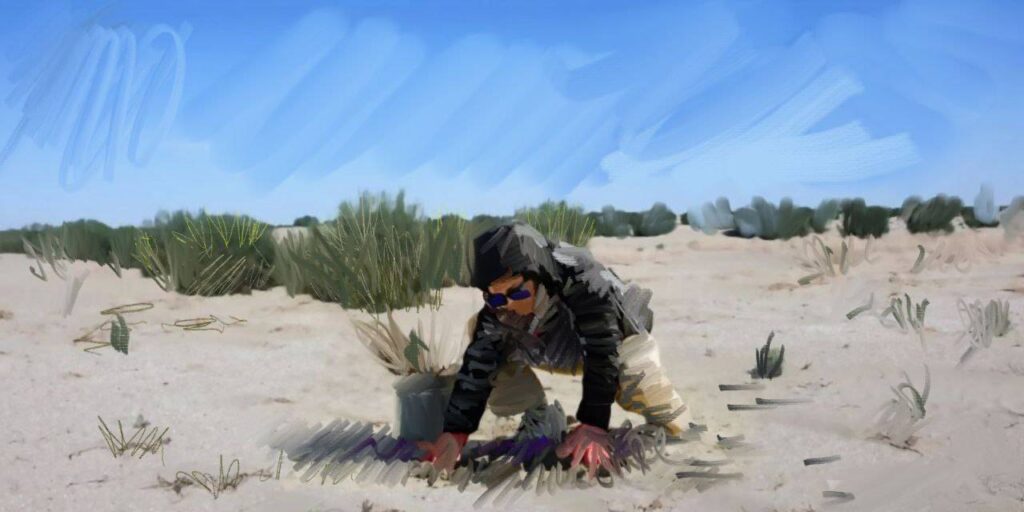
On July 23, Kazakhstan’s minister of ecology and natural resources Erlan Nysanbayev met scientists from the Xinjiang Institute of Ecology and Geography, part of the Chinese Academy of Sciences, to discuss the creation of artificial forest plantations on the dried base of the Aral Sea. Following a proposal to establish a joint Kazakh-Chinese center to resolve environmental issues on the Aral Sea, the Chinese scientists will visit the Kyzylorda region to closely examine work being undertaken on the dried sea base. Spanning across Kazakhstan and Uzbekistan, the Aral Sea was once the fourth largest inland body of water in the world, covering 68,000 km². The destruction of the Aral Sea first dates back as far as the U.S. Civil War, when, finding his supply of American cotton under threat, the Russian tsar decided to use the sea’s tributaries to irrigate Central Asia and create his own cotton bowl. With 1.8 million liters of water needed for every bale of cotton, the water soon began to run out. By 2007, the Aral had shrunk to one-tenth its original size. Up until the late-1990s, the land surrounding the Aral Sea was still cotton fields; today, it’s largely an expanse of salinized grey emptiness. The desiccation of the landscape has led to vast toxic dust-storms that ravage around 1.5 million square kilometers. Spreading nitrates and carcinogens, these storms – visible from space – used to occur once every five years, but now strike ten times a year. According to reports, Kazakhstan intends to plant saxaul shrubs on 1.1 million hectares of dried-up sections of the Aral Sea by 2025. Through joint efforts of the Ministry of Ecology and Natural Resources and the region's administration, 544,500 hectares of saxaul have been sown over the past three years, with a further 275,000 hectares to be planted on the former seabed this year. Wind-borne salt and dust cause significant damage to areas adjacent to the Aral Sea and their inhabitants. Every year, over 100 million tons of salt, dust, and sand are blown from the bottom of the former Aral Sea and mixed into the air.

Kazakhstan Refuses to Finance an Artificial Rain Project over the Aral Sea

Kazakhstan's Ministry of Agriculture has decided not to support a project by inventor Altay Ainabek aimed at bringing artificial rain over the Aral Sea to revive it. At a recent government briefing, the deputy minister for agriculture, Azat Sultanov, answered journalists' questions about public interest in the project. Sultanov said that the decision not to fund the project is related to environmental and legal issues. Firstly, artificially inducing precipitation could negatively affect the ecosystems and natural resources of the region where the experiment will be conducted, leading to unintended consequences and environmental harm. In addition, according to Sultanov, the legality and legitimacy of using such technologies is questionable. The agriculture ministry does not yet have a scientific conclusion and does not have sufficient experience in this area. These factors make it impossible to finance such projects from the state budget. The deputy minister added: “We have researched the law many times. Specialists from abroad have already come to us with questions. You probably know that in Mangistau and West Kazakhstan regions 2-3 years ago, there were problems with water. Then, it was suggested to cause precipitation to make it rain. However, there are several aspects to this problem. On the one hand, there are environmental issues; it's nature. Even though it rained in one place, it can cause harm in another.” In 2021, artificially inducing rain was tested for the first time in Mangistau. The sprinkler system works using Clear Sky Manager technology. However, a little later, it became known that the installations affected the amount of rainfall. Abnormal rains led to floods and river overflows in the traditionally arid region, so the experiment was halted.