Viewing results 271 - 276 of 381
At a February 6th meeting between Kazakhstan’s minister for energy, Almasadam Satkaliev, and the country’s British ambassador Kathy Leach, it was announced that the United Kingdom is ready to work with Kazakhstan on developing wind and solar energy projects. Great Britain may also support Kazakhstan in strengthening the country’s electrical networks, switching its coal-fired industrial plants to gas, and conducting research in the field of hydrogen energy, biogas and carbon capture technologies. These updates were provided by the Kazakh Energy Ministry. The British embassy informed the ministry of the UK Fund for Climate, Energy and Water Security for Central Asia, totaling almost £20m ($25.2m), to be used over a three-year period. At the meeting Mr Satkaliev presented Kazakhstan’s plans for gradually decarbonizing its economy, as part of its target to achieve carbon neutrality by 2060. Ambassador Leach emphasized that Kazakhstan joining the Global Methane Pledge, which president Kassym-Jomart Tokayev announced at COP-28 in December 2023, creates many more opportunities for the country to attract financing for low-carbon technology projects.
Germany has agreed to extend Kazakh oil imports for six months (January-June 2024) with a transportation volume of 100,000 tons per month. This comes as a result of a February 6th meeting between the chairman of Kazakhstan’s national oil and gas company KazMunayGas, Magzum Mirzagaliyev, and Johannes Bremer, the chairman of Rosneft Deutschland. Rosneft Deutschland GmbH is the third largest petroleum processing company in Germany. It is now under German government control, following Russia’s invasion of Ukraine and the introduction of EU sanctions on Russian oil imports. Mr Mirzagaliyev and Mr Bremer announced that in 2023, 993,000 tons of Kazakh oil were transported through the Druzhba oil pipeline in Russia in the direction of Germany. KazMunayGas’ head said that Kazakhstan was interested in increasing its oil exports to Germany. “I am confident that joint activities will be mutually beneficial and long-term for the benefit of the economies of our countries,” said Mirzagaliyev.
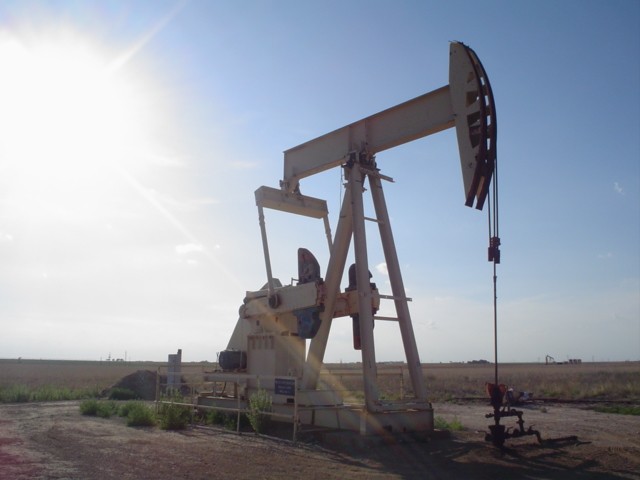
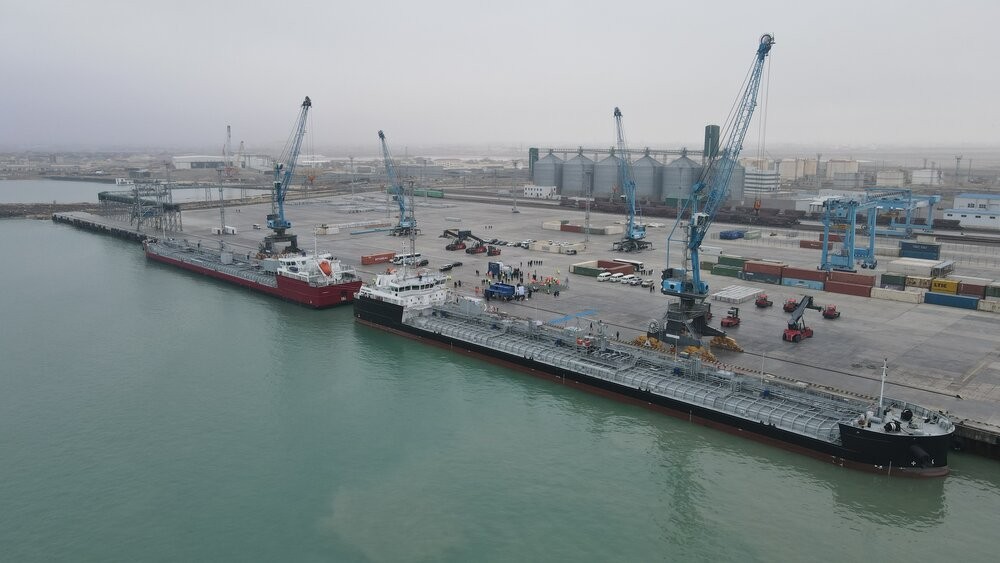
Kazakhstan is carrying out major expansion projects at the Tengiz, Karachaganak, and Kashagan oil fields. The throughput capacity of the Kazakhstan section of the Caspian Pipeline Consortium (CPC) pipeline has been increased from 54 million to 72.5 million tons per year, and the country has begun oil shipments along the Trans-Caspian route, which will be increased to 3 million tons within two years, the Kazakh government’s website reported on February 5th. In 2023 Kazakhstan increased crude oil shipments from the Caspian port of Aktau in the direction of the Baku-Tbilisi-Ceyhan oil pipeline from 250,000 tons to almost 1.4 million tons. In 2022 Kazakhstan’s president Kassym-Jomart Tokayev ordered that the volume of oil transported along the Trans-Caspian corridor be increased. Kazakhstan’s national oil and gas company KazMunayGas and the state oil company of Azerbaijan, SOCAR, entered into an agreement to transport up to 1.5 million tons of oil per year from the Tengiz field in the direction of the Baku-Tbilisi-Ceyhan oil pipeline. The Kazakh government has also announced that work is underway to increase the production capacity of the Shymkent oil refinery in the south of Kazakhstan from 6 million to 12 million tons per year, which will fully meet the needs of the domestic market for motor fuel.
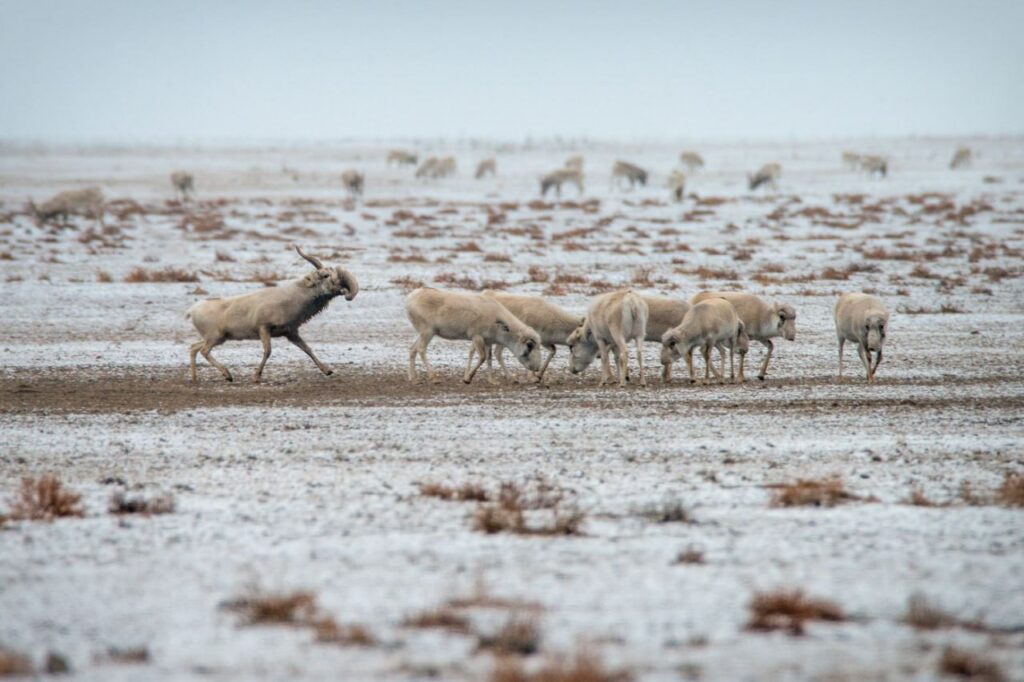
The shooting of saiga antelopes has resumed in Kazakhstan, which has angered many in the country, including residents of a village in the central Ulytau region, Kyzylzhar. According to the Interior Ministry, on January 10 a group of Kyzylzhar residents deliberately prevented hunters from a company called Okhotzooprom from shooting the saigas. The persons were arrested and are currently in custody. According to local ecologist Almasbek Sadyrbayev, the female saigas were carrying calves. The local authorities have pointed out that the saiga shootings were carried out lawfully, and that the villagers used physical force against Okhotzooprom staff. Andrei Kim, deputy chairman of the Ministry of Ecology’s forestry and wildlife committee, confirmed at a press conference that the moratorium on saiga shooting in Kazakhstan, in force until 2024, will not be extended. However, saigas have been introduced to western Kazakhstan as part of a program to regulate their population. Commercial hunting will continue until February 29.
Kazakhstan has allocated an additional $8.9m to protect the country’s crops and people from locust swarms. The money will be spent on chemical treatments to stop the short-horned grasshoppers from damaging pastures and destroying crops, as well as to prevent the swarms from migrating to neighboring countries, the government said on January 31st. Kazakhstan has seen a drastic increase in the area of agricultural land hit by locusts, from 514,000 hectares in 2020 to 1.6 million hectares in 2023. The years 2023 and 2024 will be the peak of an 11-year locust cycle in the country; the government forecasts that 2.5 million hectares will be affected this year. According to the UN’s Food and Agriculture Organization, locust outbreaks are a severe threat to agriculture in the South Caucasus and Central Asia, with more than 25 million hectares and 20 million people in the region vulnerable to damage done by the migratory pests. Locusts multiply, form groups, and migrate over relatively large distances — they can fly up to 100km per day, settle and breed in various habitats, and are highly adaptable to the impact of climate change.
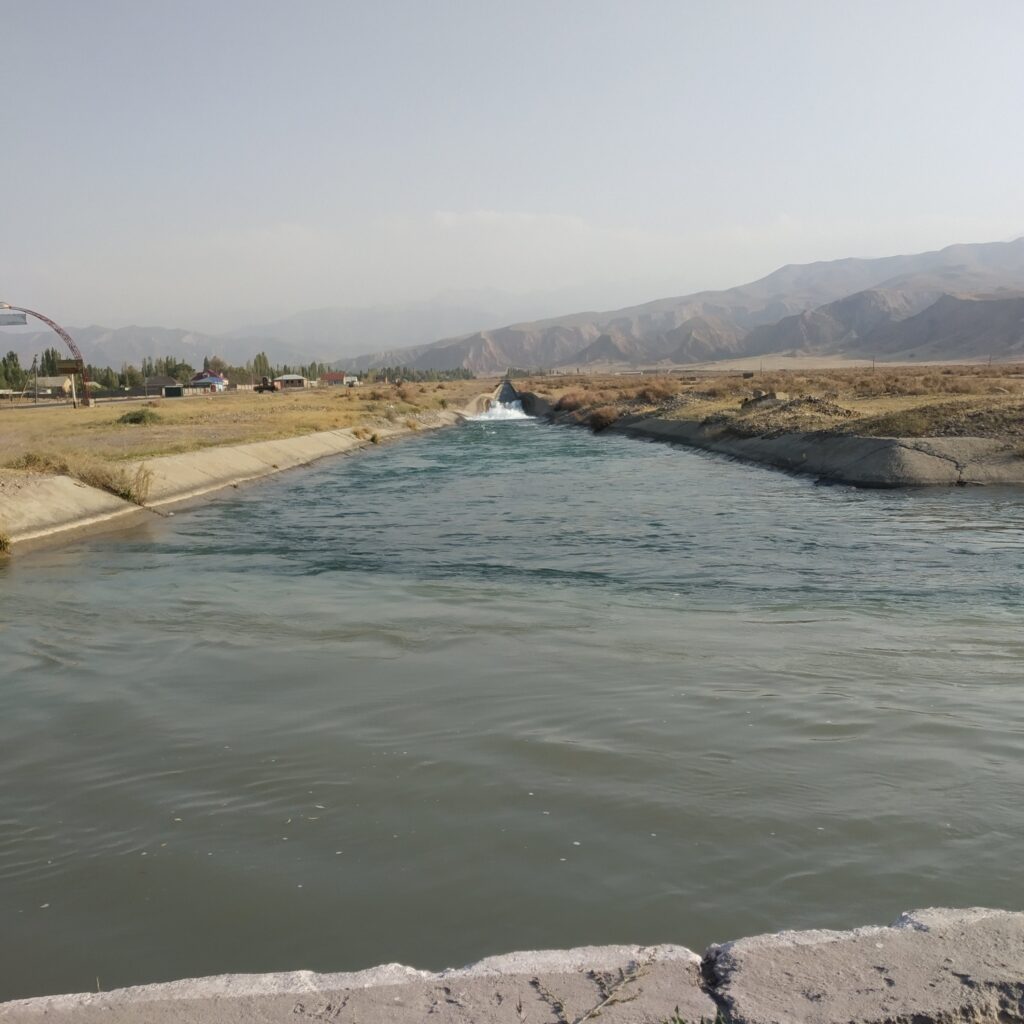
The government of Kazakhstan has approved the development of a water resources management system for 2024-2030. Speaking at a meeting on January 30th, the minister for water resources and irrigation, Nurzhan Nurzhigitov, said that his department plans to build 20 new and reconstruct 15 existing reservoirs, as well as modernize over 14,000km of irrigation canals and hydraulic structures. Mr Nurzhigitov added that irrigation water losses during transportation should be reduced from the current 50% to 25%, which will make it possible to increase the area of irrigated land in the country to 2.5 million hectares by 2030. To encourage farmers to use water-saving technologies, subsidies for creating irrigation systems and buying drip and sprinkler irrigation equipment will be increased from 50% to 80% of their costs respectively. Prime minister Alikhan Smailov, who chaired the meeting, emphasized the importance of the rational use of water. He pointed out that the Big Almaty Canal, for instance, had not been repaired in the 40 years of its existence. In the country’s Turkestan, Kyzylorda and Zhambyl regions most of the main and inter-farm canals are in a worn-out condition, with water losses reaching 40%. Mr Smailov also pointed out that water-saving systems in the country are currently being introduced only slowly. Drip irrigation is currently used on as little as 84,000 hectares out of the planned 312,000. Kazakhstan, especially its dry southern and eastern regions, is largely dependent on irrigation water coming from its upstream neighbors, Kyrgyzstan and China.