• KGS/USD = 0.01144 0%
  • KZT/USD = 0.00202 0%
  • TJS/USD = 0.10486 0.48%
  • UZS/USD = 0.00008 0%
  • TMT/USD = 0.28571 0%
  • KGS/USD = 0.01144 0%
  • KZT/USD = 0.00202 0%
  • TJS/USD = 0.10486 0.48%
  • UZS/USD = 0.00008 0%
  • TMT/USD = 0.28571 0%
  • KGS/USD = 0.01144 0%
  • KZT/USD = 0.00202 0%
  • TJS/USD = 0.10486 0.48%
  • UZS/USD = 0.00008 0%
  • TMT/USD = 0.28571 0%
  • KGS/USD = 0.01144 0%
  • KZT/USD = 0.00202 0%
  • TJS/USD = 0.10486 0.48%
  • UZS/USD = 0.00008 0%
  • TMT/USD = 0.28571 0%
  • KGS/USD = 0.01144 0%
  • KZT/USD = 0.00202 0%
  • TJS/USD = 0.10486 0.48%
  • UZS/USD = 0.00008 0%
  • TMT/USD = 0.28571 0%
  • KGS/USD = 0.01144 0%
  • KZT/USD = 0.00202 0%
  • TJS/USD = 0.10486 0.48%
  • UZS/USD = 0.00008 0%
  • TMT/USD = 0.28571 0%
  • KGS/USD = 0.01144 0%
  • KZT/USD = 0.00202 0%
  • TJS/USD = 0.10486 0.48%
  • UZS/USD = 0.00008 0%
  • TMT/USD = 0.28571 0%
  • KGS/USD = 0.01144 0%
  • KZT/USD = 0.00202 0%
  • TJS/USD = 0.10486 0.48%
  • UZS/USD = 0.00008 0%
  • TMT/USD = 0.28571 0%

Viewing results 295 - 300 of 378

Kazakhstan to Intensify Work to Attract Investment in Green Technologies

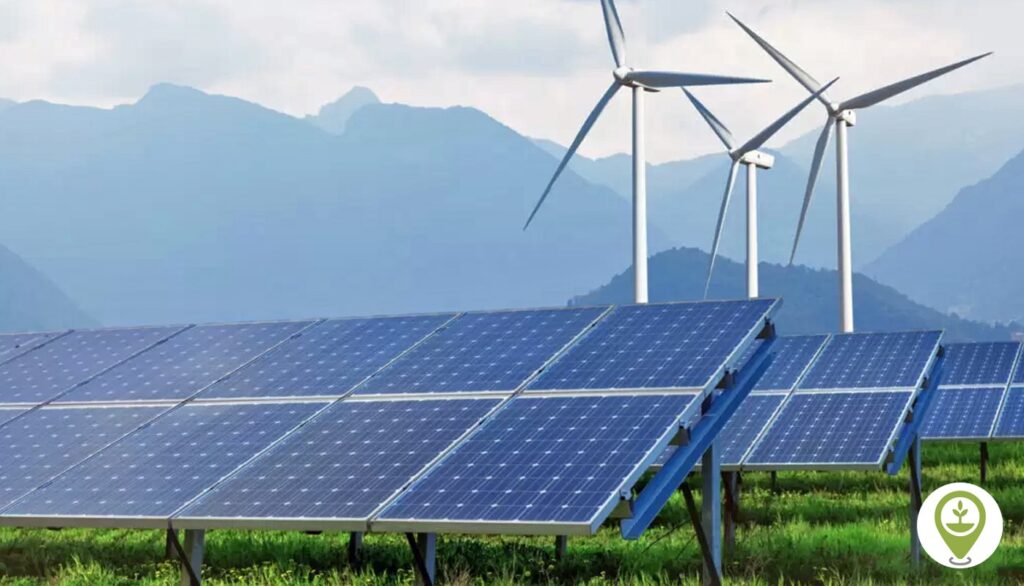
Issues of supporting new projects in the field of renewable energy were discussed on December 14th at a meeting of the Council for the Transition to a Green Economy, chaired by the Prime Minister of Kazakhstan, Alikhan Smailov. At the meeting, Madina Abylkasymova, Chairperson of the Agency of the Republic of Kazakhstan for Regulation and Development of the Financial Market, said that today the necessary legislative framework for the development of “green” finance has been created in Kazakhstan. A new Environmental Code has been adopted, and changes have been made for the issuance and circulation of green bonds and ESG bonds. The Prime Minister emphasized that a large-scale transformation of the economy requires, among other things, an increase in the volume of “green” investments. “To achieve carbon neutrality by 2060, financing in the amount of more than $600 billion is required. Therefore, it is necessary to intensify efforts to attract investments in green technologies,” said Smailov.

Kazakhstan Launches Modernized Water Pipeline in Atyrau and Mangystau Regions

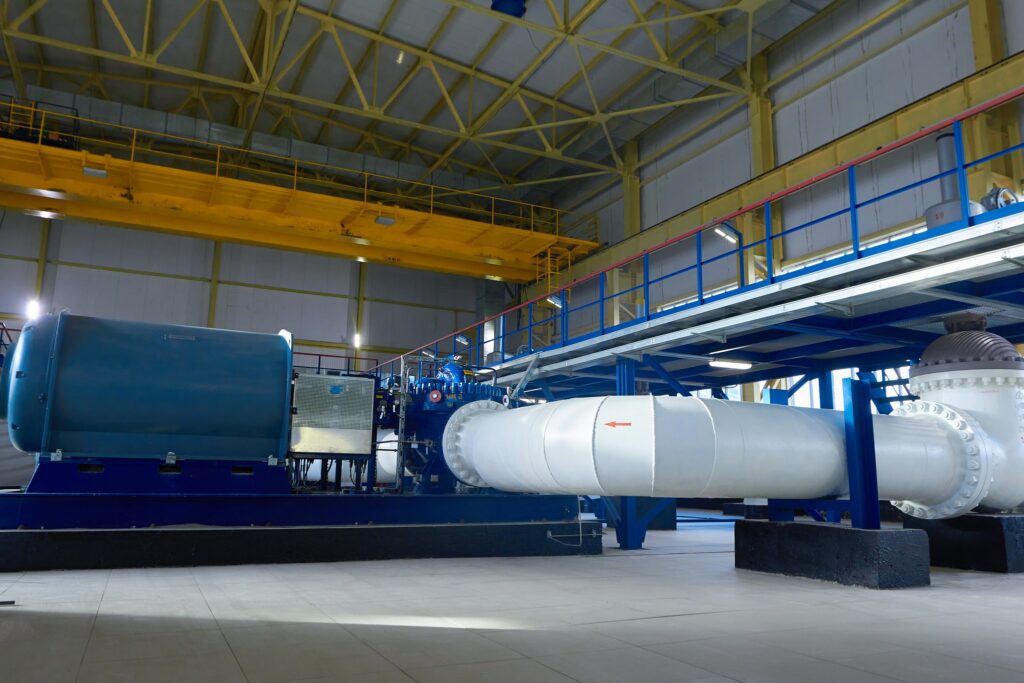
On December 13th, Kazakhstan unveiled the modernized main water pipeline, Astrakhan-Mangyshlak, in its western Atyrau Region. The significant expansion of this facility was a result of comprehensive reconstruction, directed by President Tokayev's under the supervision of Kazakhstan's Prime Minister, Alikhan Smailov. The upgraded Astrakhan-Mangyshlak pipeline will provide an additional 60,000 cubic meters of water to the population, enterprises, and agriculture of Atyrau and Mangystau regions. The project includes the renewal of worn-out equipment and the replacement of two sections of the main pipeline, totaling about 177 km in length. As a result, the throughput capacity of the Astrakhan-Mangyshlak water pipeline increased from 110,000 to 170,000 cubic meters per day. "The reconstruction of the water pipeline was completed a year ahead of schedule due to accurate design solutions and rapid construction rates. This marks just one of many large-scale projects planned for the region," Smailov said. Additionally, a desalination plant capable of producing 50,000 cubic meters of water per day is currently under construction in the village of Kenderli. From this plant, a 105 km long main water pipeline will be built to Zhanaozen. Smailov further stated, "Our goal is not only to provide 100% of settlements with clean drinking water by 2026, but also to create a reliable framework for further sustainable water supply to the population and industries10. For this purpose, projects are being implemented to build new and modernize existing hydraulic structures and water conduits. Branching networks are being brought to settlements, and pumping modules from underground sources are being installed in remote villages. We have a lot of work ahead of us."

Kazakhstan’s Nuclear Energy Projects: Evaluating Potential Suppliers for a Sustainable Future

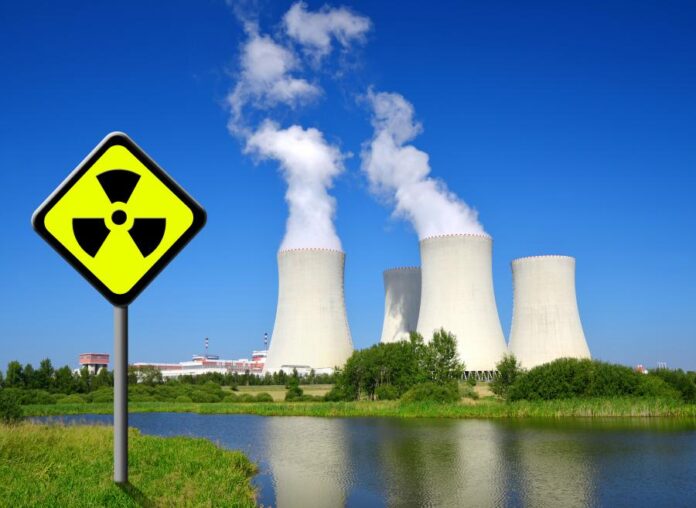
Kazakhstan, renowned for its abundant uranium reserves and expansive mining ventures, is making substantial progress in the realm of nuclear power. The country's inaugural venture into this field was marked by the BN-350 fast-neutron reactor in Aktau, which signified the launch of Kazakhstan's first nuclear power plant. At present, Kazakhstan operates 13 uranium mining projects. Kazatomprom, the national atomic company, fully owns three of these, while the remaining ten are joint ventures with foreign equity holders. In 2020, Kazatomprom's significant contributions to the uranium mining industry confirmed Kazakhstan's status as the global leader in uranium production, providing 28% of the world's production. However, Kazakhstan's nuclear aspirations are not confined to uranium mining. Plans are in motion to construct a nuclear power plant (NPP), projected to be operational by 2035, to cater to the country's escalating energy demands. The proposed NPP is expected to house two reactors, each with a capacity ranging from 1,000 to 1,400 megawatts. These reactors will help alleviate the shortage of base load power supply in the nation. Currently, the authorities are evaluating several potential suppliers of nuclear technology. The contenders include China National Nuclear Corporation (CNNC), South Korea's Korea Hydro & Nuclear Power (KHNP), France's Électricité de France (EDF), and Russia's state corporation Rosatom. The construction of the NPP has sparked significant debate within the country. In response to public sentiment, President Kassym-Jomart Tokayev has announced a referendum to decide the future of the plant. Despite the controversy, the nuclear sector continues to contribute to Kazakhstan's economy through job creation. Nearly 18,000 people are currently employed in the peaceful use of nuclear energy. The International Atomic Energy Agency (IAEA) has been closely monitoring Kazakhstan's progress in developing its nuclear infrastructure. The country operates several research reactors and other nuclear installations related to the front end of the nuclear fuel cycle10. While Kazakhstan's venture into nuclear energy offers significant benefits, including job creation, economic growth, and a sustainable solution to the country's escalating energy needs the course ahead depends on public sentiment and the outcome of the forthcoming referendum.

Kazakhstan and U.S. Issue Joint Statement on Methane Reduction

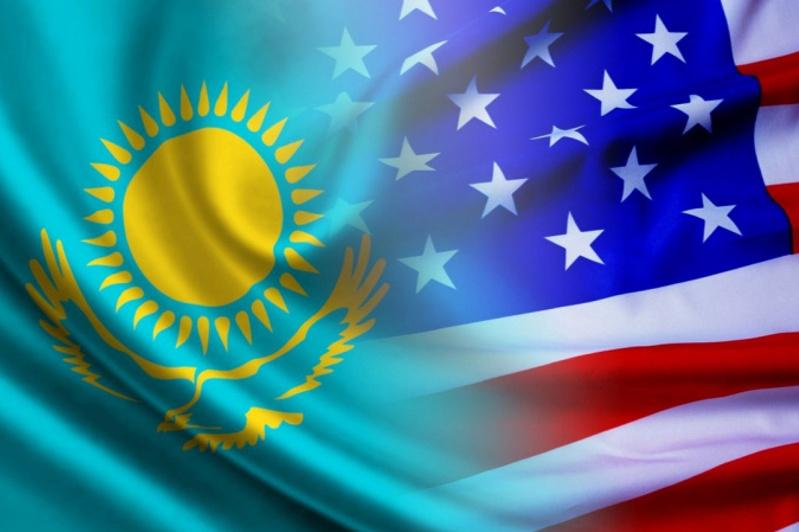
Kazakhstan and U.S. Issue Joint Statement on Methane Reduction The Special Representative of the President of the Republic of Kazakhstan for International Environmental Cooperation, Zulfiya Suleimenova, and Special U.S. Presidential Envoy for Climate Change, John Kerry issued a joint statement on accelerating methane reductions to meet the Global Methane Pledge (GMP). Kazakhstan and the United States declared their mutual commitment to accelerate the development and implementation of policies and projects to rapidly reduce methane emissions, especially in the fossil energy sector. Building on more than 30 years of successful partnership between Kazakhstan and the United States, this statement commemorated the fifth anniversary of the Enhanced Strategic Partnership between Kazakhstan and the United States and expanded opportunities for cooperation in the field of methane control. The statement: recognized the key role the two countries play in creating a greener, safer and better world; stressed the importance of rapidly reducing methane emissions by 2030 to limit global warming to 1.5 degrees Celsius; recognized the significant potential of the fossil energy sector to reduce methane emissions and the need to rapidly reduce emissions in this sector. The statement also served as a memorandum of understanding of the importance of voluntary action in promoting collective efforts to reduce global methane emissions; highlighted the need to seek to mobilize global action and strengthen support for existing international initiatives to reduce methane emissions through effective bilateral action; and recognized the critical participation of the private sector, development banks, financial institutions and international aid agencies in supporting the implementation of the Pledge.