
• KGS/USD = 0.01144 0%
  • KZT/USD = 0.00212 0%
  • TJS/USD = 0.10554 -0.09%
  • UZS/USD = 0.00008 0%
  • TMT/USD = 0.28530 0%
  • KGS/USD = 0.01144 0%
  • KZT/USD = 0.00212 0%
  • TJS/USD = 0.10554 -0.09%
  • UZS/USD = 0.00008 0%
  • TMT/USD = 0.28530 0%
  • KGS/USD = 0.01144 0%
  • KZT/USD = 0.00212 0%
  • TJS/USD = 0.10554 -0.09%
  • UZS/USD = 0.00008 0%
  • TMT/USD = 0.28530 0%
  • KGS/USD = 0.01144 0%
  • KZT/USD = 0.00212 0%
  • TJS/USD = 0.10554 -0.09%
  • UZS/USD = 0.00008 0%
  • TMT/USD = 0.28530 0%
  • KGS/USD = 0.01144 0%
  • KZT/USD = 0.00212 0%
  • TJS/USD = 0.10554 -0.09%
  • UZS/USD = 0.00008 0%
  • TMT/USD = 0.28530 0%
  • KGS/USD = 0.01144 0%
  • KZT/USD = 0.00212 0%
  • TJS/USD = 0.10554 -0.09%
  • UZS/USD = 0.00008 0%
  • TMT/USD = 0.28530 0%
  • KGS/USD = 0.01144 0%
  • KZT/USD = 0.00212 0%
  • TJS/USD = 0.10554 -0.09%
  • UZS/USD = 0.00008 0%
  • TMT/USD = 0.28530 0%
  • KGS/USD = 0.01144 0%
  • KZT/USD = 0.00212 0%
  • TJS/USD = 0.10554 -0.09%
  • UZS/USD = 0.00008 0%
  • TMT/USD = 0.28530 0%

Viewing results 1225 - 1230 of 2067

Kazakhstan Seeks to Resolve Water Management Issues with Regional Neighbors

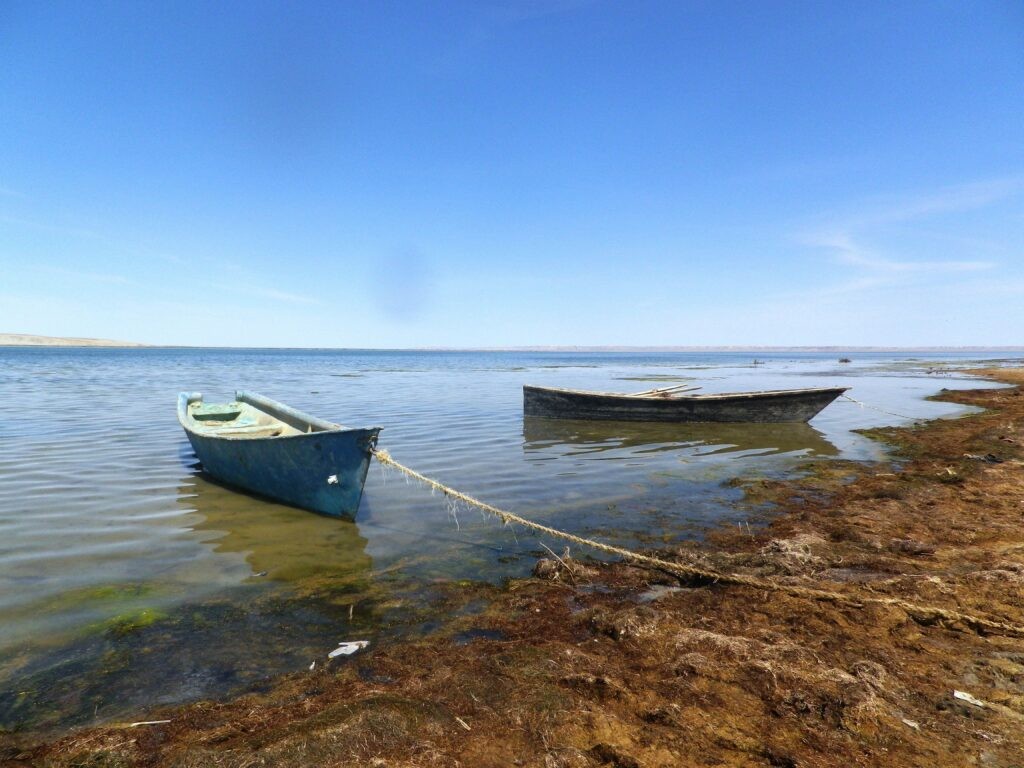
In the modern world, water is as valuable a resource as minerals. For that reason, on September 1st, 2023, the President of Kazakhstan, Kassym-Jomart Tokayev by decree created the Ministry of Water Resources and Irrigation. “Water resources are no less important for our country than oil, gas or metals. I believe that the effective development of the water management system should be handled by an independent department,” Tokayev said at the time. Despite the short period of its work, the new Ministry has already had concrete results, the official website of the Prime Minister of Kazakhstan (primeminister.kz) stated in reviewing the country’s economic performance in 2023.  In particular, the concept for the development of a water resources management system for 2024-2030 has been developed. It will allow for the area of irrigated agricultural land in Kazakhstan to increase up to 2.2 million hectares, increase the share of water-saving technologies up to 40%, and reduce the loss of irrigation water during transportation down to 15%. The Ministry has also prepared a plan for the development of the water sector of Kazakhstan for 2024-2030. Its implementation will increase the volume of the country's water resources by 3.7 cubic kilometers, reduce losses of irrigation water and increase its volume by three cubic kilometers, provide water to 41 settlements with a population of more than 55,000 people, and also reduce Kazakhstan's dependence on water supplies from neighboring countries by 25%. In 2024-2026, it is planned to begin construction of 20 new reservoirs and reconstruct 15 reservoirs across the country. A total of 339 canals with a length of 3,5000 km will be reconstructed. The Ministry also conducted negotiations with neighboring states on water security. As a result, it is expected that by April 1st, 2024, 11.1 cubic kilometers of water will flow into the Syr Darya River, and 487 million cubic meters of water are expected to be taken through the Dostyk interstate canal. This will allow for the accumulation of the volume of water required for growing season in Kazakhstan’s Turkestan and Kyzylorda regions, as well as sending 1.6 cubic kilometers of water to the Aral Sea.[/vc_column_text][vc_single_image image="13383" img_size="full" el_class="scond-image" parallax_scroll="no" woodmart_inline="no" title="Butakov Bay, Small Aral Sea. Photo: TCA"][vc_column_text woodmart_inline="no" text_larger="no"]An agreement was reached with upstream Kyrgyzstan on the supply of irrigation water to the Zhambyl region in southern Kazakhstan, which experienced a severe water shortage this past summer. The Ministry is also negotiating with upstream China on more than 20 rivers that flow to Kazakhstan, including the Ertys, Ili, and Emel. Today, the two neighboring countries have reached a consensus on a number of issues regarding water distribution. Finally, a draft agreement is being developed on a mechanism for water and energy cooperation between the countries of Central Asia, with the participation of Kazakhstan, Kyrgyzstan, Tajikistan, Turkmenistan, and Uzbekistan.
Optimism and Gratitude are Main Sentiments of Kazakhstan President’s New Year’s Speech

As 2023 came to a close, Kazakhstan's President Kassym-Jomart Tokayev delivered his New Year address to the population, with a focus on the country's progress as well as the main challenges it has faced over the past year. Critically, he emphasized the increased significance of rule of law in Kazakhstan and noted measures being taken to ensure its endurance. Tokayev also thanked citizens for their role in creating a Just Kazakhstan, where equal opportunities are being made available to everyone. In delineating the country's future trajectory, the President underlined the importance of reforms and modernization, while also citing ambitious projects already undertaken in education and healthcare, as well as the need to strengthen the foundation of nationhood. He expressed belief in Kazakhstan's capacity to tackle upcoming challenges and tasks, with the goal of building a prosperous and competitive state. He also cited population growth as a factor ensuring strength and prosperity. On the economic front, Tokayev highlighted the government’s successful efforts in attracting foreign investment, job creation, and support for small and medium-sized enterprises. He specifically mentioned the ongoing repatriation of illegally acquired assets, which have replenished the state's funding base and have been earmarked for beneficial causes, such as construction of new schools. Regarding foreign policy, Tokayev noted that Kazakhstan has bolstered its international standing through balanced and constructive strategies. Tokayev expressed appreciation for various professionals including teachers, health workers, engineers, farmers, military personnel, law enforcers, and volunteers, whose tireless efforts he lauded as being instrumental to the nation's progress. Tokayev concluded by urging all Kazakhstanis to value the peace and stability in their country. He extended wishes for joy, happiness, good health, and a prosperous 2024.

Investing in the Future: Upgrading Kazakhstan’s Heating and Power Infrastructure

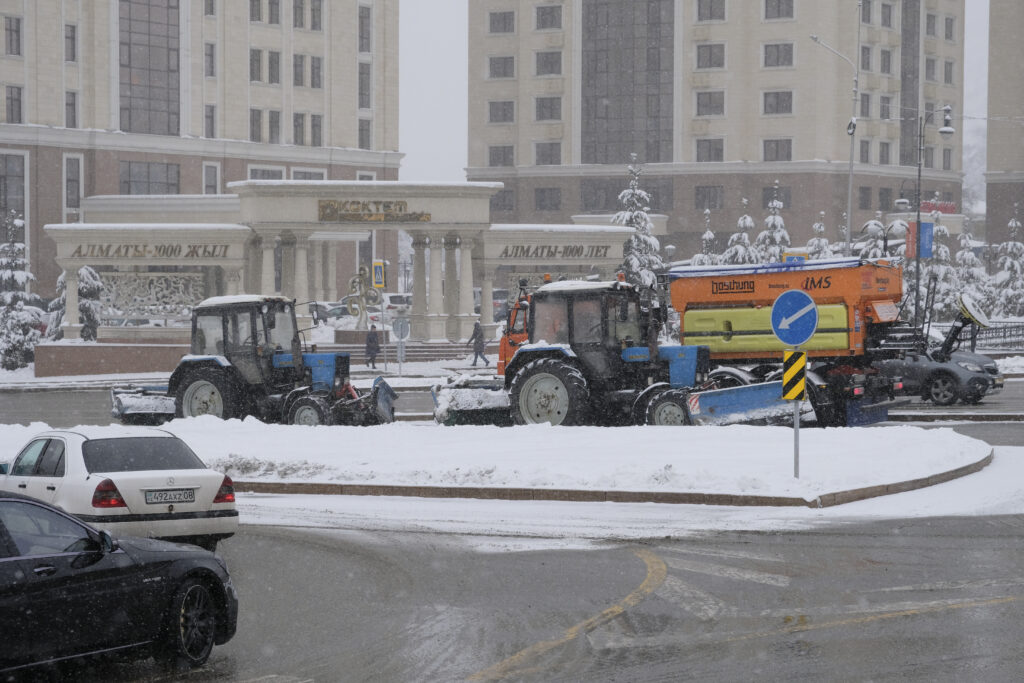
As nations around the globe grapple with the urgency of climate change and the need for sustainable development, one country that stands out is Kazakhstan. With its vast natural resources and strategic location, Kazakhstan has the potential to become a leader in renewable energy and sustainable infrastructure. However, upgrading Kazakhstan's heating and power infrastructure is a significant undertaking that requires substantial time and financial investment. The Challenge Kazakhstan is no stranger to the harsh realities of tough winters. With temperatures often dropping below -30 degrees Celsius and even reaching lows of -52 degrees Celsius in some northern regions, the capacity and resilience of the country's heating infrastructure is tested annually. In a country where winter can last up to six months, maintaining a reliable heating supply isn't just a matter of comfort—it's a matter of survival. However, the extreme weather conditions put a considerable strain on Kazakhstan's heating infrastructure and lead to several challenges. Many of Kazakhstan's heating systems, built during the Soviet era, are showing their age and inefficiency, necessitating an expensive overhaul. These outdated systems often break down, leading to extended periods without heat in the coldest months. A striking example was the 2022 incident in Ekibastuz, a city known for its harsh winters, where residents endured nearly three months without heat due to a power plant failure, which subsequently sparked a government-led corruption investigation. Compounding these issues, Kazakhstan's heating sector heavily relies on fossil fuels, primarily coal. This reliance not only exacerbates environmental pollution but also leads to energy inefficiency. Due to poor insulation in buildings and obsolete heating systems, much of the produced heat is lost, demanding more energy and resources to maintain warmth in homes and businesses. The cost of heating is a significant expense for many Kazakh households, particularly those in rural areas where incomes are lower. The government provides subsidies to help offset these costs, but with energy prices rising globally, this is becoming an increasingly heavy burden on the national budget. The financial aspect of such upgrades is undoubtedly substantial. One source estimates that upgrading transmission and distribution infrastructure alone for all of Central Asia could cost between $25 billion to $49 billion. Additionally, infrastructure projects of this magnitude can take several years to over a decade to implement. For instance, Denmark began its transition to district heating systems and combined heat and power plants in the 1970s, and is still implementing improvements today. Similarly, Germany started its Energiewende (energy transition) initiative in 2000, with goals set for 2050. What Steps Have Been Taken? Efforts are made to upgrade aging systems, improve energy efficiency, and transition to more sustainable sources of energy. In 2023, Kazakhstan significantly upgraded its energy infrastructure, as reported by the Astana Times. The launch of the second Beineu-Zhanaozen gas pipeline and a new distribution pipeline in Mangystau Region improved gas supply, while the completion of the Makat-North Caucasus pipeline met regional demands. The western zone's energy network was fortified with five new power transmission lines. Renewable energy saw...

Charting the Digital Future: Tokayev’s Billion-Dollar Vision

Kazakhstan, a nation rich in natural resources, is charting an ambitious course towards becoming a powerhouse in the Information Technology (IT) sector. The country's President, Kassym-Jomart Tokayev, has recently announced plans to significantly increase investments in IT services, aiming to reach a staggering $1 billion by 2026. This strategic move underscores Kazakhstan's commitment to leveraging technology as a key driver of economic growth and forms part of a broader strategy to diversify its economy away from traditional industries like oil and gas. Investing in Digital Future In a further push towards digitization and diversification, President Tokayev has announced an investment package worth $20 billion until 2025. This extensive funding is aimed at enhancing the diversification of the economy, with a significant portion allocated towards advancements in the IT sector. To this end, a National Digital Investment Platform has been launched in Kazakhstan. This joint initiative between Kazakhstan, the Eurasian Development Bank, and National Information Technologies JSC2 aims to bolster the digital infrastructure and create a conducive environment for tech innovation and development. Collaboration with Global Tech Giants Recognizing the potential of Kazakhstan as a burgeoning hub for digital innovation, several global tech giants have committed to investing in the country in 2023. Microsoft is working to position Kazakhstan as a center for digital innovation, while Amazon Web Services has entered into a collaboration to further integrate Kazakhstan's QazTech platform. These partnerships are expected to bring valuable expertise and technological resources to Kazakhstan's IT sector. Furthermore, Elon Musk's SpaceX company and its satellite-based internet service, Starlink, have undertaken significant investments in Kazakhstan. With total project investments estimated at around $10 billion, this collaboration represents a significant boost to Kazakhstan's burgeoning IT sector. General Electric, a multinational conglomerate, is also playing a role in Kazakhstan's digital transformation, with plans to localize the production of medical equipment in the country. Encouraging Domestic Investments In addition to attracting foreign investments, President Tokayev has called for Kazakh elites to invest domestically, arguing that such investment serves national interests. Kazakhstan's active role within the United Nations General Assembly has been highlighted by President Tokayev. USAID Administrator Samantha Power announced additional investments in Central Asia at the C5+1 Regional Connectivity Ministerial held in Uzbekistan. While not explicitly stated, some of these investments might be directed towards IT-related projects in Kazakhstan. All these initiatives underscore Kazakhstan's ambitious vision for its IT sector, demonstrating the country's commitment to leveraging technology as a key driver of economic growth. As Kazakhstan continues to attract both domestic and international investments, it is set to emerge as a significant player in the global IT landscape.

Kazakhstan Aligns with UN Practice, Lifts Ban on Taliban

Kazakhstan, located 1,566 km from the Afghanistan border, has announced the removal of the Taliban from its list of proscribed organizations. Aibek Smadiyarov, Spokesperson for the Kazakh Foreign Ministry, declared this policy shift, signifying a significant change in Kazakhstan's approach towards the Taliban. Smadiyarov stated that this decision aligns with Kazakhstan's regular update of its national list of terrorist organizations, ensuring consistency with international standards and practices. The United Nations (UN) does not include the Taliban in the list of organizations recognized as terrorist by the UN Security Council. "These resolutions are binding, and we adhere to them," affirmed Smadiyarov, underscoring Kazakhstan's commitment to follow international norms set by the UN. Originating in 1986-1987, the Taliban - a group labeled as a terrorist organization by numerous countries worldwide - ruled Afghanistan from 1996 to 2001 and returned to power in 2021 following the withdrawal of U.S. troops. The group is now striving to establish diplomatic relationships with various countries, including Kazakhstan. European countries have varied responses towards the Taliban. While no European nation has officially recognized the Taliban government, some degree of interaction has been initiated due to humanitarian and regional security concerns. For instance, the European Union has engaged in dialogue with the Taliban to address immediate humanitarian issues and evacuation efforts. Similarly, countries like Germany and Norway have been part of diplomatic negotiations with the Taliban, each guided by their respective foreign policies and national security considerations. The United States has also begun engaging with the Taliban albeit in a complex manner. Despite the Doha Agreement leading to the withdrawal of U.S. forces from Afghanistan and outlining commitments from both parties, it did not equate to formal recognition of the Taliban government. The U.S.'s approach, termed 'pragmatic engagement', emphasizes that Afghanistan's future hinges on mutual engagement between the Taliban and the international community. However, there remains global apprehension about the Taliban's policies, particularly concerning women's rights and education. The Taliban has been widely criticized for its harsh treatment of women and girls, including banning girls from receiving secondary education. Many international entities continue to condemn the Taliban's actions and demand an end to human rights abuses. Kazakhstan, being a secular nation, is naturally concerned about the oppressive ideology of the Taliban, especially its potential ramifications on women. The recent decision to remove the Taliban from its list of banned organizations highlights the complex geopolitical challenges Kazakhstan faces. It also demonstrates Kazakhstan’s commitment to aligning with the United Nations charter and the positions of its respective organs.  

Kazakhstan’s GDP Poised for a 36.8% Boost by 2028

Kazakhstan, the largest landlocked country in the world, has emerged as a regional economic powerhouse in Central Asia, according to the International Monetary Fund's (IMF) World Economic Outlook. The report anticipates that by 2028, Kazakhstan's GDP will surge to $354.7 billion, marking an impressive growth of 36.8%, or a rise of $95.4 billion, compared to its position in 2023. This projection underscores the resilient performance of Kazakhstan's economy, which has been steadily improving over the years. As of 2023, the country's real GDP growth was reported at an annual rate of 4.6%, with total GDP standing at $259.29 billion. Moreover, despite global economic challenges, Kazakhstan's economy grew by 5.1% in the first half of 2023, bolstered by robust exports and fiscal stimulus. However, the IMF cautions that the economic growth is expected to moderate to 3.1 percent in 2024 due to an uncertain economic environment. Despite this prediction, the resilience showcased by Kazakhstan's economy in the face of global disruptions suggests a strong capacity to navigate through potential economic hurdles. The country's economic success can be attributed to several factors. Primarily, Kazakhstan has effectively utilized its abundant natural resources, including significant oil reserves, to fuel its economic growth. Furthermore, the government's commitment to implementing progressive economic policies and fostering a conducive environment for foreign investment has also significantly contributed to the country's robust GDP growth. On December 4, President Tokayev signed a decree with measures to attract investment into Kazakhstan’s economy and accelerate economic growth.  Tokayev’s agenda of creating a “Just and Fair” state has involved tackling corruption and stabilizing the country through sweeping democratic reforms. Looking ahead, the predicted growth of Kazakhstan's GDP to $354.7 billion by 2028 presents an optimistic outlook for the nation and the region. This projection underlines the potential of Kazakhstan's economy and reaffirms its role as a key player in the economic landscape of Central Asia and the Commonwealth of Independent States. While the journey towards this ambitious goal will undoubtedly present challenges, the progress made by Kazakhstan thus far provides a solid foundation for continued economic growth and prosperity.
