• KGS/USD = 0.01144 0%
  • KZT/USD = 0.00212 0%
  • TJS/USD = 0.10432 -0.29%
  • UZS/USD = 0.00008 0%
  • TMT/USD = 0.28571 0.28%
  • KGS/USD = 0.01144 0%
  • KZT/USD = 0.00212 0%
  • TJS/USD = 0.10432 -0.29%
  • UZS/USD = 0.00008 0%
  • TMT/USD = 0.28571 0.28%
  • KGS/USD = 0.01144 0%
  • KZT/USD = 0.00212 0%
  • TJS/USD = 0.10432 -0.29%
  • UZS/USD = 0.00008 0%
  • TMT/USD = 0.28571 0.28%
  • KGS/USD = 0.01144 0%
  • KZT/USD = 0.00212 0%
  • TJS/USD = 0.10432 -0.29%
  • UZS/USD = 0.00008 0%
  • TMT/USD = 0.28571 0.28%
  • KGS/USD = 0.01144 0%
  • KZT/USD = 0.00212 0%
  • TJS/USD = 0.10432 -0.29%
  • UZS/USD = 0.00008 0%
  • TMT/USD = 0.28571 0.28%
  • KGS/USD = 0.01144 0%
  • KZT/USD = 0.00212 0%
  • TJS/USD = 0.10432 -0.29%
  • UZS/USD = 0.00008 0%
  • TMT/USD = 0.28571 0.28%
  • KGS/USD = 0.01144 0%
  • KZT/USD = 0.00212 0%
  • TJS/USD = 0.10432 -0.29%
  • UZS/USD = 0.00008 0%
  • TMT/USD = 0.28571 0.28%
  • KGS/USD = 0.01144 0%
  • KZT/USD = 0.00212 0%
  • TJS/USD = 0.10432 -0.29%
  • UZS/USD = 0.00008 0%
  • TMT/USD = 0.28571 0.28%

Viewing results 997 - 1002 of 1440

Berlin Eurasian Club Explores Kazakh-German Science and Innovation Synergy

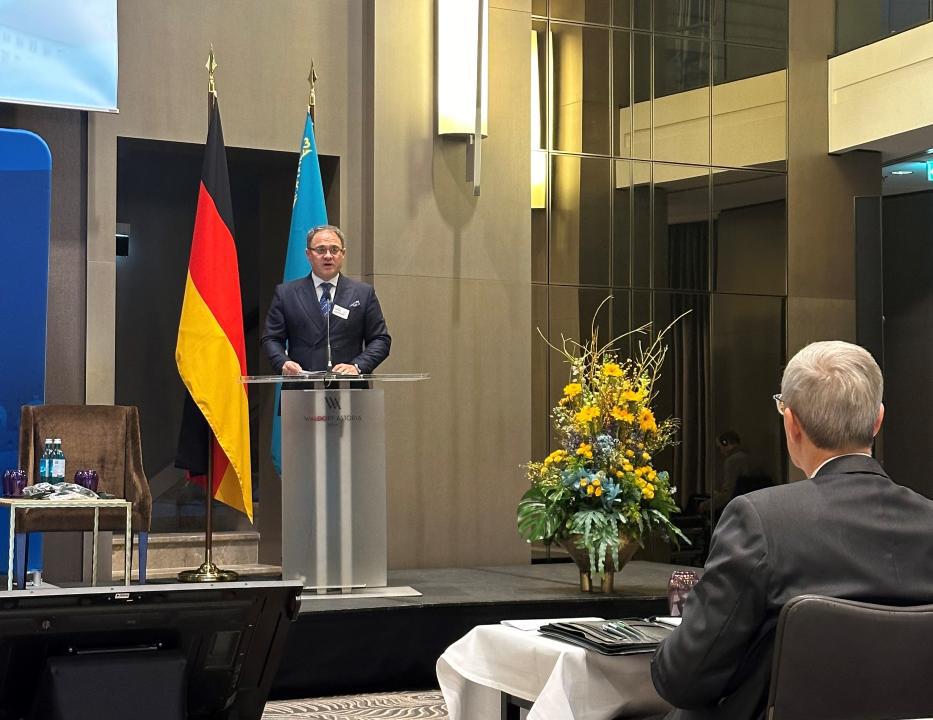
On December 14th, 2023, the Berlin Eurasian Club (BEC) held its 39th meeting under the title "From higher education and research to a business model: Kazakh-German cooperation in applied science." In a keynote speech, Deputy Foreign Minister of Kazakhstan, Roman Vassilenko, acknowledged the significant achievements in cooperation between the two nations throughout 2023. His address highlighted the shared commitment of both countries to scientific innovation and its practical application in the world of business. “The positive dynamics of trade turnover clearly shows the mutual attraction of our economies,” said Vassilenko. “Kazakhstan has three factors of attraction: diversified energy sources, significant natural resources, and transit and transportation potential, not to mention many other advantages. We have good opportunities to increase the supply of traditional energy resources to Germany, production and subsequent export of green energy and green steel.” Anke Reiffenstuel, Director for Academic Relations, Education and Research Policy of the Federal Foreign Office of the Federal Republic of Germany, underscored the significance of Kazakhstan and the whole geography. “Central Asia was the first region in the world with which Germany concluded a strategic regional partnership. We believe that it will further deepen the relations between our two countries.” In his address, Professor Wolrad Rommel, the President of the Kazakhstan-German University (DKU), articulated the ongoing reorganization of the university's activities. He emphasized the institution's ambition for "integration into the educational system of Kazakhstan," underscoring its necessity. Rommel also acknowledged the immense potential of Kazakhstan's young population who are eager to pursue quality education. He stated, “the economy of the country functions well when it effectively interacts with science,” highlighting the crucial role that academia plays in a thriving economy. Nurlan Onzhanov, the Ambassador of Kazakhstan to Germany, emphasized the importance of promoting and further advancing the teaching of the German language in Kazakhstan. Around a hundred attendees, comprising representatives from the scientific community, political and business sectors, and other experts, participated in the meeting. Established in 2012, the Berlin Eurasian Club (BEC) serves as a platform for fostering informal dialogue on issues of mutual interest among Kazakhstan, Germany, and other participating countries. The club primarily concentrates on bolstering ties between Eurasian and European nations through cooperation across various domains. BEC meetings, which are typically convened annually in Astana, Brussels, and Berlin, present opportunities for high-level discussions encompassing a broad spectrum of topics, from scientific innovation to social reforms and economic cooperation.

28 Citizens of Kazakhstan Evacuated from Gaza Strip

According to the representative of the Embassy of Kazakhstan in Egypt, 28 citizens of Kazakhstan have been evacuated from the Gaza Strip to Egypt. According to preliminary data, there are still estimated to be ten Kazakhstan nationals trapped there. “Regarding their evacuation, everything depends on the current military situation, and on whether they will be able to reach Egypt," said Sanjar Ualikhanov, Adviser to the Embassy of Kazakhstan in Egypt. Oksana Helles, a citizen of Kazakhstan who had been living in Palestine addressed the situation: “Recently, we had been living in the Gaza Strip. My husband is still there, and I take this opportunity to ask for help so that he can also come to me and reunite our family. He works as a doctor, and I also worked as a nurse. We had five children, and about two weeks ago my daughter was killed; she was 19-years-old and six months pregnant. She died along with her husband, his nephews and parents.” “I am a Palestinian, but I studied in Kazakhstan, graduated from a medical university there, and married a Kazakh, so I’m also a citizen of Kazakhstan,” said another evacuee, Elyanakh Akhmet. “Since the war began, it’s been a frightening ordeal for us. We had been building our lives for so many years, and everything was destroyed in an instant.” All the evacuees expressed their great gratitude to the President of Kazakhstan, Kassym-Jomart Tokayev, the Ministry of Foreign Affairs, the Embassy of the Republic of Kazakhstan in Egypt, and asked for further help.

Kazakhstan’s Road Freight Transportation Sees 22% Growth: A Boon for the Economy

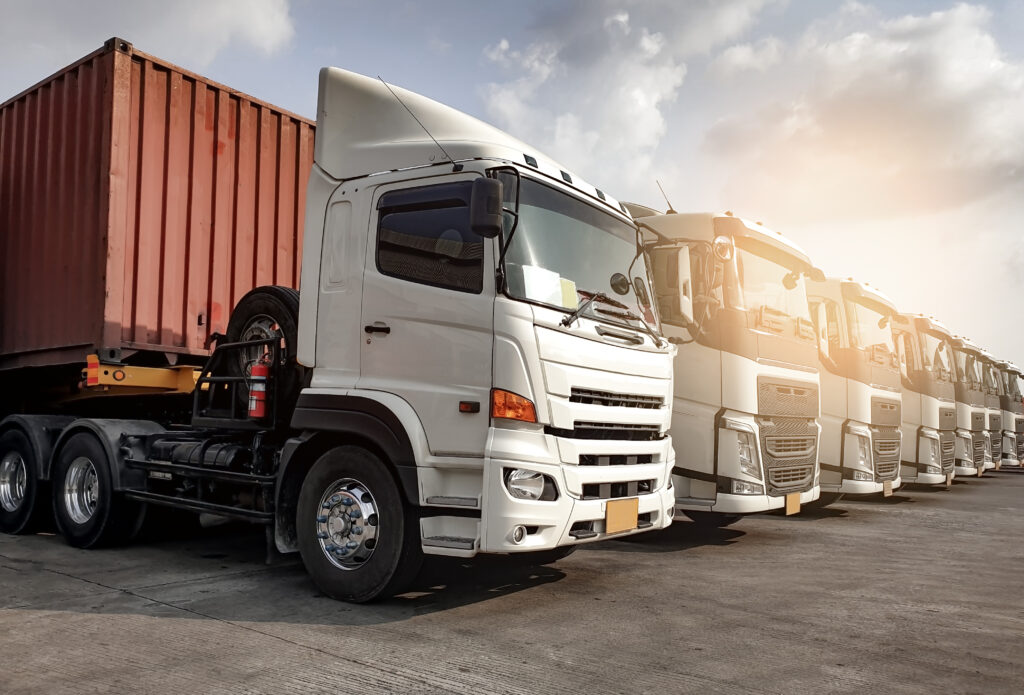
In a recent government meeting chaired by Prime Minister Alikhan Smailov, it was reported that Kazakhstan has seen a significant surge in road freight transportation during the first three quarters of this year. The volume of goods transported by road reached 5.5 million tons, marking a 22% increase compared to the same period last year. This growth trend is also reflected in transit transportation, which has risen by a whopping 44%, climbing from 2.5 to 3.6 million tons. The driving force behind this uptick is the marked increase in cargo transportation to China. Transport volumes have doubled, reaching 1.5 million tons. This surge illustrates the vast potential for further amplifying the volume of transit cargo moving from China to Europe. If the current dynamics persist, transit through Kazakhstan could multiply five-fold by 2029, providing a substantial boost to the country's economic development. Prime Minister Smailov underscored the vital role of developed road freight transportation in shaping the economy. It has direct impacts across all sectors, making it a key factor in the nation's economic landscape. Currently, eight international highway corridors traverse the territory of Kazakhstan, spanning a total length of approximately 13,000 km. These include the Western Europe - Western China route. This promising growth trajectory in road freight transportation positions Kazakhstan as a strategic player in the international logistics and transportation arena. It also underpins the country's commitment to bolstering its economic infrastructure and enhancing its trade relationships, particularly with neighboring China. As we move into 2024, Kazakhstan's transportation sector seems poised for further expansion and success.

Kazakhstan’s Exports to Organization of Islamic Cooperation Countries Reaches $8.4 Billion

The Minister of Trade and Integration of Kazakhstan, Arman Shakkaliyev addressed the 39th meeting of the Standing Committee of the Organization of Islamic Cooperation on Economic and Trade Cooperation (COMSEC) in Istanbul. The official opening ceremony of the event took place on December 4th with the participation of Turkish President Recep Tayyip Erdogan. The Organization of Islamic Cooperation (OIC) is the largest official Muslim governmental international organization, uniting 57 countries. Today, OIC countries comprise more than a quarter of the world's population - 1.7 billion people on four continents - Asia, Africa, Europe, and South America. Over the past three years, total trade turnover between member states has increased from $3.7 trillion to $4.5 trillion. During the meeting, ministers from the participating countries discussed further efforts to strengthen cooperation, including in trade and agriculture. Kazakhstan is actively seeking to make a significant contribution to food security. Over the past five years, the country has doubled its volume of agricultural products and exports them to more than 80 countries, working in this direction with OIC members. “OIC countries are among the active trade and economic partners of Kazakhstan,” said Shakkaliev, addressing a report on improving the potential for trade with OIC member states. “Our trade turnover for the first nine months of 2023 amounted to $12.5 billion. Exports of Kazakhstani products to the OIC countries account for more than half of the total trade turnover - $8.4 billion. We need to combine the efforts of all members of the Organization in the development of transport and logistics infrastructure, and expansion of investment cooperation.”

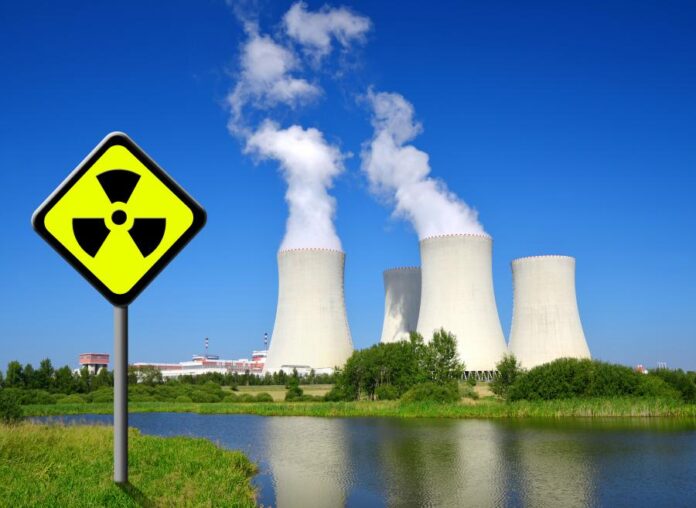
Kazakhstan’s Nuclear Energy Projects: Evaluating Potential Suppliers for a Sustainable Future

Kazakhstan, renowned for its abundant uranium reserves and expansive mining ventures, is making substantial progress in the realm of nuclear power. The country's inaugural venture into this field was marked by the BN-350 fast-neutron reactor in Aktau, which signified the launch of Kazakhstan's first nuclear power plant. At present, Kazakhstan operates 13 uranium mining projects. Kazatomprom, the national atomic company, fully owns three of these, while the remaining ten are joint ventures with foreign equity holders. In 2020, Kazatomprom's significant contributions to the uranium mining industry confirmed Kazakhstan's status as the global leader in uranium production, providing 28% of the world's production. However, Kazakhstan's nuclear aspirations are not confined to uranium mining. Plans are in motion to construct a nuclear power plant (NPP), projected to be operational by 2035, to cater to the country's escalating energy demands. The proposed NPP is expected to house two reactors, each with a capacity ranging from 1,000 to 1,400 megawatts. These reactors will help alleviate the shortage of base load power supply in the nation. Currently, the authorities are evaluating several potential suppliers of nuclear technology. The contenders include China National Nuclear Corporation (CNNC), South Korea's Korea Hydro & Nuclear Power (KHNP), France's Électricité de France (EDF), and Russia's state corporation Rosatom. The construction of the NPP has sparked significant debate within the country. In response to public sentiment, President Kassym-Jomart Tokayev has announced a referendum to decide the future of the plant. Despite the controversy, the nuclear sector continues to contribute to Kazakhstan's economy through job creation. Nearly 18,000 people are currently employed in the peaceful use of nuclear energy. The International Atomic Energy Agency (IAEA) has been closely monitoring Kazakhstan's progress in developing its nuclear infrastructure. The country operates several research reactors and other nuclear installations related to the front end of the nuclear fuel cycle10. While Kazakhstan's venture into nuclear energy offers significant benefits, including job creation, economic growth, and a sustainable solution to the country's escalating energy needs the course ahead depends on public sentiment and the outcome of the forthcoming referendum.

Kazakhstan and U.S. Issue Joint Statement on Methane Reduction

Kazakhstan and U.S. Issue Joint Statement on Methane Reduction The Special Representative of the President of the Republic of Kazakhstan for International Environmental Cooperation, Zulfiya Suleimenova, and Special U.S. Presidential Envoy for Climate Change, John Kerry issued a joint statement on accelerating methane reductions to meet the Global Methane Pledge (GMP). Kazakhstan and the United States declared their mutual commitment to accelerate the development and implementation of policies and projects to rapidly reduce methane emissions, especially in the fossil energy sector. Building on more than 30 years of successful partnership between Kazakhstan and the United States, this statement commemorated the fifth anniversary of the Enhanced Strategic Partnership between Kazakhstan and the United States and expanded opportunities for cooperation in the field of methane control. The statement: recognized the key role the two countries play in creating a greener, safer and better world; stressed the importance of rapidly reducing methane emissions by 2030 to limit global warming to 1.5 degrees Celsius; recognized the significant potential of the fossil energy sector to reduce methane emissions and the need to rapidly reduce emissions in this sector. The statement also served as a memorandum of understanding of the importance of voluntary action in promoting collective efforts to reduce global methane emissions; highlighted the need to seek to mobilize global action and strengthen support for existing international initiatives to reduce methane emissions through effective bilateral action; and recognized the critical participation of the private sector, development banks, financial institutions and international aid agencies in supporting the implementation of the Pledge.