• KGS/USD = 0.01144 0%
  • KZT/USD = 0.00210 0%
  • TJS/USD = 0.10523 0%
  • UZS/USD = 0.00008 0%
  • TMT/USD = 0.28571 0%
  • KGS/USD = 0.01144 0%
  • KZT/USD = 0.00210 0%
  • TJS/USD = 0.10523 0%
  • UZS/USD = 0.00008 0%
  • TMT/USD = 0.28571 0%
  • KGS/USD = 0.01144 0%
  • KZT/USD = 0.00210 0%
  • TJS/USD = 0.10523 0%
  • UZS/USD = 0.00008 0%
  • TMT/USD = 0.28571 0%
  • KGS/USD = 0.01144 0%
  • KZT/USD = 0.00210 0%
  • TJS/USD = 0.10523 0%
  • UZS/USD = 0.00008 0%
  • TMT/USD = 0.28571 0%
  • KGS/USD = 0.01144 0%
  • KZT/USD = 0.00210 0%
  • TJS/USD = 0.10523 0%
  • UZS/USD = 0.00008 0%
  • TMT/USD = 0.28571 0%
  • KGS/USD = 0.01144 0%
  • KZT/USD = 0.00210 0%
  • TJS/USD = 0.10523 0%
  • UZS/USD = 0.00008 0%
  • TMT/USD = 0.28571 0%
  • KGS/USD = 0.01144 0%
  • KZT/USD = 0.00210 0%
  • TJS/USD = 0.10523 0%
  • UZS/USD = 0.00008 0%
  • TMT/USD = 0.28571 0%
  • KGS/USD = 0.01144 0%
  • KZT/USD = 0.00210 0%
  • TJS/USD = 0.10523 0%
  • UZS/USD = 0.00008 0%
  • TMT/USD = 0.28571 0%

Viewing results 511 - 516 of 984

The Evolution of Kazakh Ornamentation

Ornamentation, evolved over the centuries and influenced by the country’s history, is integral to Kazakhstan’s rich and unique cultural heritage. Art historian Raushan Yeschanova outlines its evolutionary path, significance to Kazakh life and society, and how it continues to develop and inspire contemporary art and culture. Origins of Kazakh Ornamentation Kazakh ornamentation emerged in ancient times, reflecting the peculiarities of nomadic life and the country’s natural environment. Simple geometric shapes and symbols were used in rituals and to decorate everyday objects, textiles, clothing, jewelry, dwellings and graves. The main components of Kazakh ornamentation were lines, curves, dots, circles, zigzags and geometric figures, arranged and intertwined to create rhythmic compositions and patterns. Abstracted from natural phenomena and zoomorphic, these early ornaments were valued both aesthetically and for their deep symbolic significance. Influence of Cultural Traditions Over time, due to exposure to other nations’ cultural traditions through trade and the passage of caravans through the country, Kazakh ornamentation became more complex and diverse. Many of its motifs share similarities with designs found in artefacts made by other Turkic-speaking peoples, including the Kyrgyz and Mongolian Alai Kazakhs. Interaction with Turkic, Mongolian, Persian and other cultures, enriched Kazakh ornaments making them more multi-layered and multifaceted. For example, the Mongolian influence is apparent in the introduction of more complex zoomorphic and plant motifs, whilst that of Persia is evident in the refinement and elegance of linear design. Among plant patterns, Raushan singles out the early "shytyrman"; a complex interweaving of geometric, horn-shaped and plant motifs. [caption id="attachment_19112" align="alignnone" width="4000"] Image Source: liveinternet.ru[/caption] Ornamentation in the Medieval Period One of the most important stages in the development of Kazakh ornamentation was the formation of the khanate and the development of urban centers during the medieval period. At this time, complex ornamental compositions including abstract patterns, plant motifs, animal images and heraldic symbols appeared in the khans’ palaces as well as religious buildings. Widespread in their application, these ornaments decorated architectural features, luxury items, jewelry, and textiles. Totemism and Symbolism in Kazakh Ornamentation Kazakh ornamentation is also closely related to the totemic beliefs of the ancient Turks. Totemic signs and symbols, often related to animals, had a deep sacred meaning. A symbol of prosperity and vitality, the ram’s horn is ubiquitous in ancient cultures from the Pacific Ocean to the Mediterranean Sea, and is widespread among both Iranian and Turkic tribes. Images of the ram and closely related animals, such as the argali and the Siberian goat, are the most common themes in ancient Eastern art. For millennia, horns have appeared in fluid, interlocking designs in Turkic artefacts, and, denoting prosperity and wellbeing in Kazakh ornamentation, are frequently seen above the doors of yurts and on ancestral graves. The bird is also a powerful symbol within Kazakh ornamentation. Representing freedom, "kus kanat" or "kus muryn" was commonly used in jewelry. Images of eagles were favored in the art of the Saks, whilst nationwide the popular abstracted image of ravens’ claws represents protection. [caption id="attachment_19113" align="alignnone" width="4000"] "Kus...

Success of Kazakhstan’s JobEscape Start-up

Kazakhstan’s largest venture fund, Tumar Venture LP, whose key investors are the World Bank and the Kazakh Ministry of Digital Development, Innovation and Aerospace Industry, has invested a further 250 thousand US dollars in the Kazakh start-up JobEscape. As announced by the Ministry of Digital Development on 17 June, the total investment in the project now stands at 450 thousand US dollars. JobEscape is a platform that facilitates the acquisition of new skills required to start a freelancing career, through the provision of solutions unique to freelancers and career changers, access to training and a wide range of AI tools. A global project, JobEscape has users from the USA, Canada, Australia, and European countries. Regarding funding, Aslan Sultanov, CEO of Tumar VF, stated: “We invested in JobEscape in the last round and have seen the project grow from literally $10,000 in monthly revenue to almost $1 million in annual revenue. Seeing this dynamic rise, we are confident that the start-up has the potential to grow into a billion-dollar company with roots in Kazakhstan. We are pleased to support the team in creating such a global initiative.” Similarly encouraged by the platform’s development, Miras Sovetov, CEO and co-founder of JobEscape, said: “At the moment, the company’s annual revenue is already close to $1 million. The goal is to grow to US$6 million in 2025. The product is now being widely used in Western markets due to the rapid development of products in the field of AI. Investments in this round will help the company increase its customer base and increase the number of AI tools on the platform. Investors from the UAE and Azerbaijan are already entering the project, which confirms its competitiveness in the global market. The next step will be raising money from American funds for further growth and potential exit (sale of the start-up).”    

Controversial Petition on “LGBT Propaganda” Passes Threshold for Consideration in Kazakhstan

A petition against so-called “LGBT propaganda” has received more than 50,000 signatures, meaning Kazakhstan’s Ministry of Culture and Information must consider it. However, a number of experts believe that restrictions on the gay community would damage Kazakhstan’s image. In addition, the petition’s authors are known for their controversial initiatives.  The Kazakhstan Parents' Union is the author of the petition “We are Against Open and Concealed LGBT Propaganda in the Republic of Kazakhstan,” which was published on the official E-Petition.kz portal. According to Article 90-4 of the Administrative Procedural Code, the government must consider a petition with 50,000 signatures. A working group including interested parties, government agencies, and public associations will be created. The consideration of official petitions are a relatively recent innovation. So far, only three have collected the required number of signatures. The first came in the wake of the Nukenova murder at the hands of a disgraced former minister.  It was considered by the Kazakhstan president himself and brought about landmark legislation on domestic violence. The decision to allow public input via petitions is seen as a sign of the fulfillment of President Tokayev's promise of a more engaging and aware "listening state." Kazakhstan has seen repeated attempts to include in various legislative acts such a ban on promoting “nontraditional relations.” However, these amendments were not adopted, though numerous Mazhilis (lower chamber of parliament) deputies and public figures spoke out in favor of them. Nevertheless, there have been cases in Kazakhstan where media products containing what is deemed “homosexual content” did not reach the market. For example, in 2022, the former Minister of Culture and Information, Dauren Abaev, announced that, "In response to numerous requests from citizens and the media, I inform you, the animated film Lightyear will not be shown in Kazakhstan." Officially, however, the ministry did not prohibit the screening of the Hollywood animation in cinemas. According to rumors, distributors themselves canceled showings in response to the public outcry. Also, in January 2024, a website for LGBT people was blocked in Kazakhstan. The site, among other things, had materials to help young people answer questions about their sexual orientation. “During monitoring of the internet resource selftanu.kz, a violation of the law was identified related to the posting of information harmful to the health and development of children,” the Ministry of Culture stated in justifying blocking the site. The head of the group pushing the current petition, Bagila Baltabaeva, stated that, “Same-sex love is being openly forced on our children. It is forced [on them] in bookstores, on TV screens, and on smartphones. Young people openly spread [information about] and promote their unhealthy relationships. Thus, stealthily and subtly, new standards of sexual relations are taking shape among young people. In parallel, it is promoted that traditional values are relics of the past, a sign of backwardness. Therefore, for fear of criticism, many remain silent. And those who work up the courage and speak out against LGBT propaganda are branded as retrogrades and conservatives.” This is not the...

PepsiCo to Build Snack Production Plant in Kazakhstan

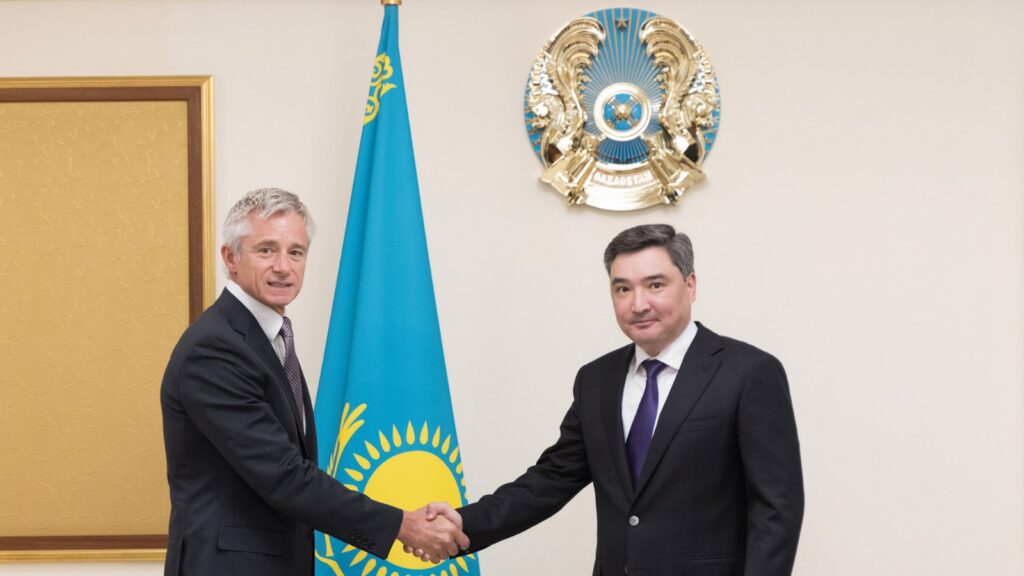
PepsiCo has announced plans to build a full-scale new plant to produce salty snacks, including Lays crisps, in Kazakhstan’s Almaty region. Implementation of the project was discussed at a meeting between Kazakhstan Prime Minister Olzhas Bektenov and David Manzini, President of PepsiCo in Central Asia, Russia, Belarus, and Caucasus. According to the Kazakh prime minister’s press service, the project has already received $160 million in foreign investment. The plant, anticipated as the largest of its kind in Central Asia, is scheduled to open in 2026. Its original capacity of up to 16,000 tons of finished products per year, will increase to 21,000 tons from 2027, for distribution to both the Central Asian market and abroad. Up to a thousand people will be employed during the plant’s construction, with 350 skilled jobs created when it opens. David Manzini stated PepsiCo’s intention to use locally sourced raw materials. The conclusion of contracts with Kazakh farmers on the delivery of test batches of potatoes is ongoing but all going to plan, the company will purchase up to 50-66 thousand tons of potatoes in 2026-2030, and increase the volume in later years. Prime Minister Bektenov emphasized the importance of the project for the development of agriculture, increasing Kazakh farmers’ income and strengthening the economy. He mentioned that besides its positive impact the food industry and agribusiness, the plant will have a multiplier effect on related industries including transport, logistics, packaging, and processing of agricultural products.  

Kazakhstan President Pinpoints Flaws in Tourism Development

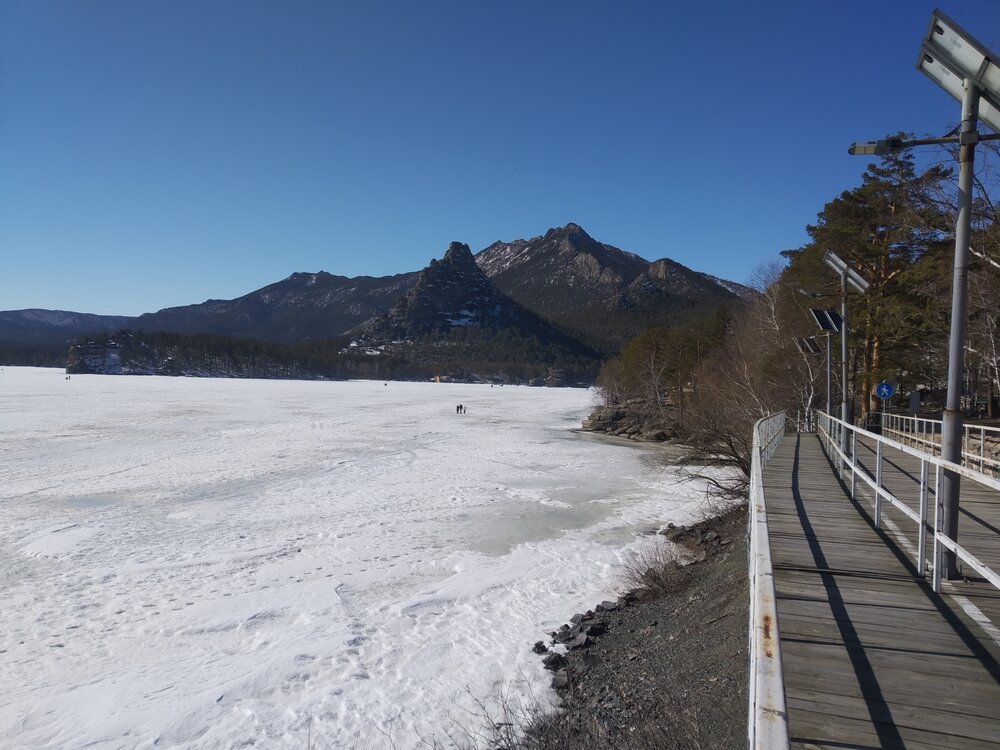
On June 13, Kazakhstan President Kassym-Jomart Tokayev chaired a government meeting on the development of the country’s tourism industry. He opened by noting that despite its favorable geographical location, the diversity of its nature, and its rich historical and cultural heritage, Kazakhstan’s wide-spanning tourism potential remains largely unexploited. “Tourism as an important sector of the economy is not yet effective, which is a big omission of the government. Over the past four years, the share of tourism in the economic structure has decreased from 3.7% to 3.2%, almost threefold lower than the world average. According to this indicator, Kazakhstan falls below neighboring countries with similar climates and culture. It is obvious that a qualitative breakthrough in the development of the tourism industry requires urgent systemic measures,” said the president. Tokayev then outlined areas in need of urgent improvement, beginning with problems posed by the country’s weak transport infrastructure for domestic tourism: “The quality of railway transportation in the country is beyond criticism. Most of the rail carriages are worn out, and some do not even have air conditioning. The government needs to renew the fleet of rail carriages in the next five years. In addition, it is important to improve railway stations. Their appearance and infrastructure must meet international standards. In summer, the flow of railway passengers increases sharply. It is therefore necessary to increase the number of trains with comfortable carriages to the most popular destinations. The quality of our roads also leaves much to be desired, making it very difficult to reach remote recreation areas by car. There are practically no fully serviceable highways. The reconstruction of the Astana-Almaty highway, connecting the south and center of Kazakhstan, has been ongoing since 2021. There are many similar unfinished roads across the country and it is imperative that the government completes these road projects this year.” The President emphasized that the poor logistics connectivity of holiday destinations affects not only domestic tourism, but also the influx of guests from abroad. “Almost 90% of foreign tourists come to Kazakhstan from neighboring CIS [former Soviet] countries. There are still few tourists from non-CIS countries. International studies show that over 70% of travelers prefer to visit vacation destinations within a 4-hour flight, making Kazakhstan  very attractive to tourists from China, India, East Asia, and the Middle East. It is also necessary to consider, specific issues related to the national mentality of foreign tourists, their interests, and requests. Within 5 years we can double and even triple the number of foreign tourists but to do so, we need to develop air transport, firstly by expanding the presence of low-cost airlines on popular air routes. Their current share in passenger air transportation in Kazakhstan is only 21%.” The head of state criticized the Government's plans to simultaneously develop 20 tourist zones across the country, claiming the approach ineffective regarding the dispersion of the state's limited resources. Instead, he recommended that efforts focused on the development of the most promising locations, in the shortest possible time,...

Kazakh Chess Player Wins World Junior Title in India

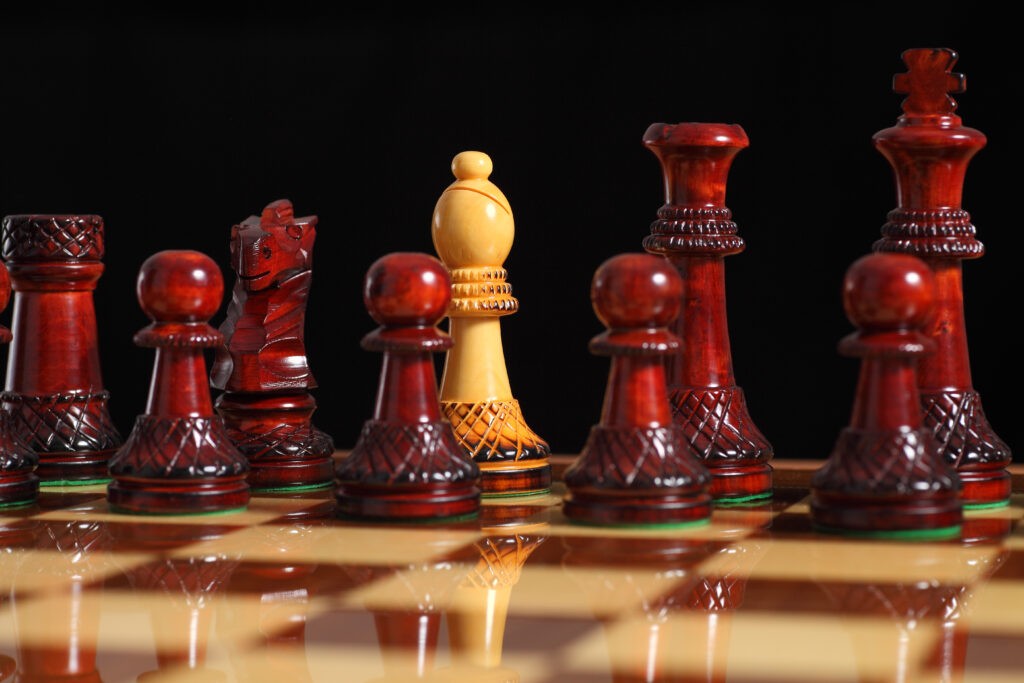
Kazybek Nogerbek of Kazakhstan has become the FIDE world junior chess champion, winning the title in Gandhinagar, India even though he was only the ninth seed. An emotional Nogerbek, 20, briefly rested his head on his forearm on the table on Thursday after the tournament victory. “It feels very good,” said Nogerbek, who won the rapid and blitz titles in the World Youth U18 Championship. The Kazakh player is an international master (IM), which is the second most difficult title to secure after grandmaster (GM). A number of grandmasters were among those participating in the U20 World Junior Chess Championship, which started at the beginning of June. Divya Deshmukh, the 18-year-old top seed from India, won the girls’ section. Nogerbek’s victory was tight. He scored 8.5/11 points, as did grandmaster Emin Ohanyan of Armenia. But Nogerbek did better under a tiebreak system designed to determine a winner in such a scenario. Grandmaster Kuja Budisavljevic of Serbia won bronze with eight points. “Going into the final round, GM Mamikon Gharibyan from Armenia was in sole lead with eight points, half a point ahead of four players, including Nogerbek,” chess.com reported. “The two faced in the final round, with the Armenian making a crucial mistake in time trouble, while trying to defend a difficult ending.” Chess.com said the world junior championship has a prestigious history but fewer top players are participating because “more attractive tournaments” are available. FIDE is the International Chess Federation, which is the translated name of Federation International des Echecs, founded in Paris in 1924.