• KGS/USD = 0.01144 0%
  • KZT/USD = 0.00209 0%
  • TJS/USD = 0.10438 0%
  • UZS/USD = 0.00008 0%
  • TMT/USD = 0.28490 0%
  • KGS/USD = 0.01144 0%
  • KZT/USD = 0.00209 0%
  • TJS/USD = 0.10438 0%
  • UZS/USD = 0.00008 0%
  • TMT/USD = 0.28490 0%
  • KGS/USD = 0.01144 0%
  • KZT/USD = 0.00209 0%
  • TJS/USD = 0.10438 0%
  • UZS/USD = 0.00008 0%
  • TMT/USD = 0.28490 0%
  • KGS/USD = 0.01144 0%
  • KZT/USD = 0.00209 0%
  • TJS/USD = 0.10438 0%
  • UZS/USD = 0.00008 0%
  • TMT/USD = 0.28490 0%
  • KGS/USD = 0.01144 0%
  • KZT/USD = 0.00209 0%
  • TJS/USD = 0.10438 0%
  • UZS/USD = 0.00008 0%
  • TMT/USD = 0.28490 0%
  • KGS/USD = 0.01144 0%
  • KZT/USD = 0.00209 0%
  • TJS/USD = 0.10438 0%
  • UZS/USD = 0.00008 0%
  • TMT/USD = 0.28490 0%
  • KGS/USD = 0.01144 0%
  • KZT/USD = 0.00209 0%
  • TJS/USD = 0.10438 0%
  • UZS/USD = 0.00008 0%
  • TMT/USD = 0.28490 0%
  • KGS/USD = 0.01144 0%
  • KZT/USD = 0.00209 0%
  • TJS/USD = 0.10438 0%
  • UZS/USD = 0.00008 0%
  • TMT/USD = 0.28490 0%

Viewing results 1549 - 1554 of 4585

Kazakh MP Calls for Restrictions on Children’s Access to TikTok

Kazakh MP Murat Abenov has proposed limiting children's access to TikTok, citing concerns over its negative effects on young users’ mental health. He warned that the platform could contribute to depression, reduced concentration, and memory problems, urging parents to monitor their children’s screen time​. Abenov referenced a case described by journalist Gulmira Abykay on her Facebook page, where a seven-year-old girl reportedly stopped recognizing her loved ones after excessive exposure to TikTok content​. He emphasized that such concerns are backed by research, as TikTok’s algorithm is designed to maximize user engagement by presenting emotionally stimulating or even distressing videos. The MP pointed out that TikTok has already faced regulatory scrutiny in the United States, where efforts have been made to ban it, and in Europe, where restrictions on data collection from minors have been imposed. He argued that Kazakhstan should also consider introducing regulations for such platforms. “TikTok is structured in a way that delivers an emotional surge every 15 seconds, whether admiration, fear, anxiety, or sadness. Studies show that frequent TikTok users are more prone to depression, struggle with academic performance, and face challenges in processing large amounts of information and logical thinking,” Abenov stated​. While many countries have imposed restrictions on TikTok, the platform remains widely accessible in Kazakhstan, Tajikistan, and Mongolia​. However, TikTok has recently taken steps to enhance child protection, expanding its Family Settings feature. This allows parents to set time limits for app use, including restrictions after 10p.m. and during school hours​.

Kazakhstan’s Migration Trends: Growth in Skilled Labor, No Signs of Chinese Influx

A positive migration trend is emerging in Kazakhstan, with new data indicating a significant increase in net migration. In 2024, the country recorded a migration balance of 17,200 people, an 85% increase from the previous year. The gap between arrivals and departures expanded 2.3 times, with 30,000 people moving to Kazakhstan compared to 12,800 leaving the country. Experts from the Institute of Public Policy highlighted that Kazakhstan’s emigration rate has reached a historic low in contrast to outflows observed in other countries. In 2024, net migration losses were significantly higher in Georgia (-39,200), Israel (-18,200), Uzbekistan (-14,300), and Bulgaria (-9,200). Kazakhstan has seen a significant reduction in emigration. In the early 2000s, the annual outflow was around 289,000 people, but by 2024, this number had dropped to the aforementioned 12,800. Meanwhile, the inflow of migrants continues to rise. Last year, 12,200 people arrived from Uzbekistan, 8,100 from Russia, 2,000 from China, 1,400 from Mongolia, and 1,100 from Turkmenistan. Additionally, several hundred people from Turkey, Germany, Georgia, the United States, and South Korea also relocated to Kazakhstan. Currently, 13,000 foreign specialists are employed in Kazakhstan’s economy, including 5,300 in construction, 2,600 in industry, and 700 in agriculture. The country is also attracting international students, some of whom choose to stay after graduation, suggesting that Kazakhstan is on track to become a leading destination for skilled professionals in Central Asia and the CIS. In November 2023, Kazakhstan and China implemented a visa-free regime, allowing short-term travel between the two countries. However, this agreement does not grant Chinese citizens the right to work, study, or engage in missionary activities in Kazakhstan. Despite this, social media was flooded with concerns that millions of Chinese citizens would move to Kazakhstan, take jobs, and even claim territory. Experts dismissed these fears as unfounded, arguing that the visa-free regime was primarily designed to boost trade and tourism rather than encourage large-scale migration. More than a year and a half has passed since the agreement came into effect, and no such wave of migration has occurred. Political scientist Marat Shibutov criticized the initial panic, stating: “Those who spread fear about mass Chinese migration should look in the mirror because nothing has happened. The Chinese do not need to come here.” According to Shibutov, young and ambitious Chinese migrants prefer destinations such as Singapore, the United States, Europe, Canada, and Australia. Official data further debunks fears of Chinese migration. According to the Bureau of National Statistics, the number of Chinese citizens moving to Kazakhstan permanently has been steadily decreasing since 2017. Most of those who do relocate are ethnic Kazakhs returning to their ancestral homeland, a process actively encouraged by the Kazakh government through state programs for repatriates, known as Kandas. The figures speak for themselves. In 2017, 3,000 Chinese citizens moved to Kazakhstan. By 2023, this number had dropped to just 416, of whom 398 were ethnic Kazakhs and only four were ethnic Chinese. Additionally, the vast majority of repatriated ethnic Kazakhs, 63.5%, came from Uzbekistan, while fewer than...

Eight Regions in Kazakhstan Face High Flood Risk

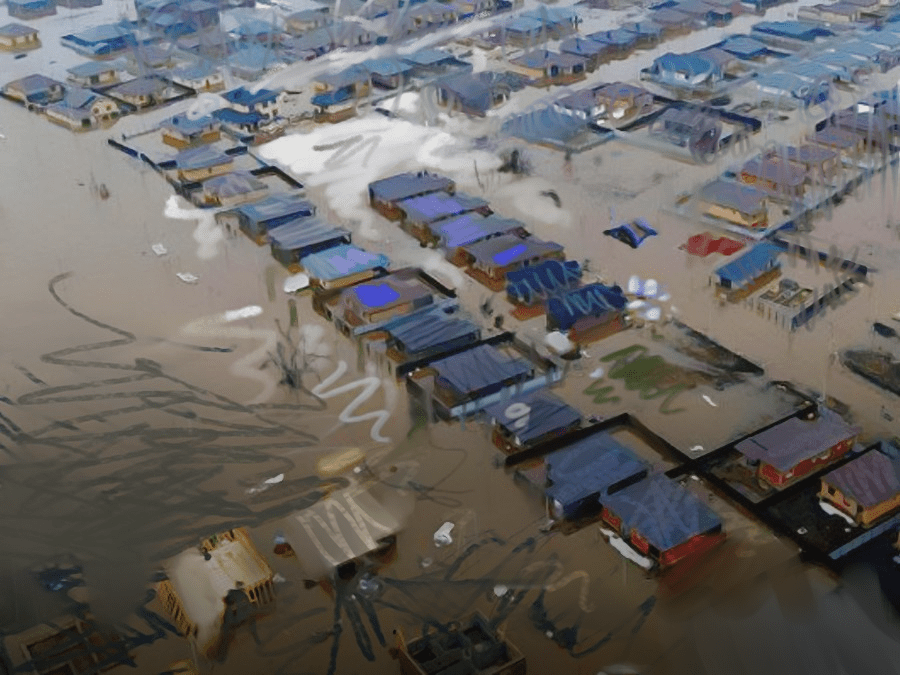
Kazakhstan's National Headquarters for Coordination of Flood Control Measures has identified the most flood-prone regions of Kazakhstan. As of March 13, 67% of the country remains covered in snow. Minister of Ecology and Natural Resources Yerlan Nyssanbayev noted that snowmelt has already begun in the Kyzylorda, Turkestan, Zhambyl, West Kazakhstan, Atyrau, and Mangystau regions. Meanwhile, maximum soil freezing has been recorded in the northwest, northeast, and central parts of the country. In the Kostanay region, frost penetration exceeds 150cm, while in the Akmola region, it reaches 139cm. The Pavlodar and Karaganda regions have experienced frost depths of up to 159cm and 132cm, respectively. Weather forecasts indicate that March and April will be warmer than usual, with heavy precipitation expected in most of the country, increasing the risk of flooding. For the first time in 2025, Kazakhstan has issued detailed flood risk assessments for each region, including maximum water flow levels, runoff volumes at hydrological posts, and at-risk settlements. Based on this analysis, eight regions have been classified as high-risk flood zones: East Kazakhstan, Karaganda, Akmola, North Kazakhstan, Kostanay, Aktobe, Abay, and Ulytau. An additional five regions, Almaty, Zhambyl, West Kazakhstan, Atyrau, and Zhetisu, are considered medium-risk zones. “Regions must maintain a high level of preparedness. Akimats [local councils] should take comprehensive measures to prevent flooding in settlements, prioritizing protection from steppe water. Culverts, bridges, and drainage systems should be cleared of ice and debris, and riverbanks must be reinforced. Bottlenecks in rivers should be widened. Additionally, emergency response teams must be stationed in flood-prone areas, with designated evacuation sites fully equipped with life-support resources,” said Prime Minister Olzhas Bektenov. The Ministry of Emergency Situations has been tasked with providing round-the-clock monitoring of the flood situation. In the event of worsening conditions, additional emergency response forces will be deployed. According to Minister of Emergency Situations Chingis Arinov, more than 37,000 civil protection personnel, 13,000 units of equipment, 4,000 water pumps, and 640 boats have been mobilized. Ministry aircraft remain on standby, and a reserve force of 1,000 employees with 120 specialized vehicles, 123 water pumps, and 39 boats is also prepared for deployment. As The Times of Central Asia previously reported, Kazakhstan began releasing water from reservoirs in January to maximize capacity ahead of spring floods​. However, last year, the greatest damage was caused not by overflowing rivers but by the rapid melting of the snowpack​.

Kazakhstan-EU Cooperation Focuses on Critical Raw Materials and Regional Connectivity

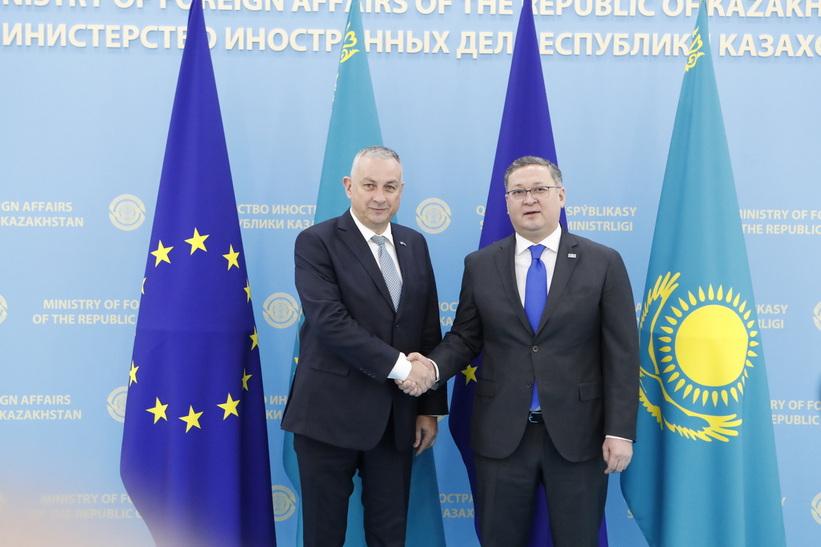
On March 13, European Commissioner for International Partnerships Jozef Síkela visited Kazakhstan and held negotiations with Deputy Prime Minister and Minister of Foreign Affairs Murat Nurtleu. As a result of the visit, the European Union and Kazakhstan have taken steps to strengthen their partnership, signing key agreements to support sustainable economic growth and foster regional connectivity, according to the EU Delegation to Kazakhstan. Investments in Transport and Renewable Energy During the visit, Commissioner Síkela and Kazakh officials oversaw the signing of a €200 million framework loan agreement between the European Investment Bank (EIB) and the Development Bank of Kazakhstan (DBK). This loan, backed by an €18 million EU guarantee, will finance investments in sustainable transport and renewable energy. The initiative aligns with the EU’s Global Gateway strategy, particularly its programs on the Trans-Caspian Transport Corridor and the Team Europe Initiative on Water, Energy, and Climate Change. Síkela underscored the EU’s commitment to strengthening economic ties with Kazakhstan through sustainable investments. “This financing agreement will boost connectivity, enhance renewable energy infrastructure, and further integrate Kazakhstan into the Trans-Caspian Corridor, a key component of the Global Gateway strategy,” he stated. Critical Raw Materials Cooperation The visit also marked the signing of a €3 million contract to enhance cooperation between the EU and Central Asia in the critical raw materials (CRM) sector. The agreement, implemented by the European Bank for Reconstruction and Development (EBRD), will support the identification of joint projects and promote international best practices for sustainable and responsible supply chains. Síkela highlighted the importance of the agreement, stating: “The EU and Kazakhstan are natural partners. Europe needs reliable access to critical raw materials, which are essential for modernizing our economy. We are committed to advancing mutually beneficial cooperation with Kazakhstan on their extraction and development. This partnership will support all Central Asian countries, strengthen Kazakhstan’s industrial capacity, create new opportunities for Kazakh businesses, drive innovation, and generate high-quality jobs.” Kazakhstan-EU Trade and Investments Foreign Minister Nurtleu reaffirmed Kazakhstan’s commitment to expanding its partnership with the EU. “Astana and Brussels have built a strong political dialogue, established dynamic cooperation between executive bodies, and fostered productive cultural and humanitarian ties between our peoples,” he said. According to the Kazakh Foreign Ministry, the EU is Kazakhstan’s primary trade and investment partner. In 2024, bilateral trade between Kazakhstan and the EU totaled $49.7 billion, with Kazakhstan’s exports reaching $38.6 billion and imports totaling $11.1 billion. From 2005 to October 2024, the total foreign direct investment (FDI) inflow from EU countries reached $200.7 billion, accounting for 47.8% of Kazakhstan’s total FDI inflows ($419.5 billion).

Kazakhstan Looks to Reduce Dependence on Feed Imports

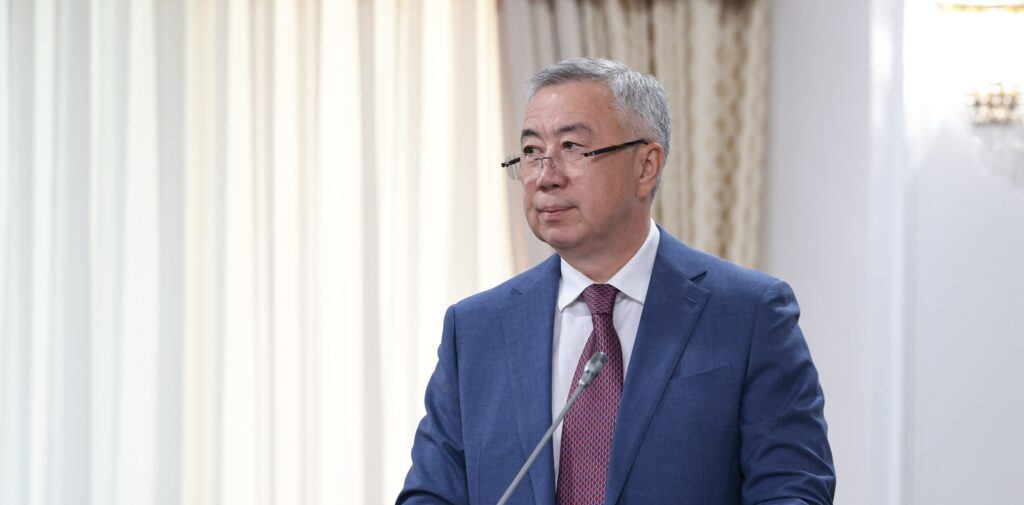
On March 12, Kazakhstan’s Deputy Prime Minister, Serik Zhumangarin, met with executives from Hungary’s UBM Group, which plans to build three plants in Kazakhstan to produce 48,000 tons of premixes and 300,000 tons of compound feed annually. The project also includes the establishment of a laboratory and a training center. According to the Kazakh government’s press service, the project aims to reduce Kazakhstan’s reliance on imported compound animal feed, which currently exceeds 250,000 tons per year. Zhumangarin emphasized that ensuring local livestock farmers have access to high-quality, domestically produced feed is a strategic priority for lowering meat production costs. He also reiterated Kazakhstan’s broader goal of meeting at least 90% of domestic food demand with locally produced goods, particularly essential food products. The UBM Group project will involve the construction of facilities in the Kostanay and Karaganda regions, as well as in Almaty. In the Karaganda region, a business partner and construction site have already been selected. In Kostanay and Almaty, local partners have been identified, but final decisions on construction sites are still pending. To expedite the process, Zhumangarin instructed local administrations and the Ministry of Agriculture to allocate land plots by the end of March, allowing the investor to begin earthworks in the second quarter of this year. The entire construction project is expected to be completed within two years.

Kazakhstan’s Karaganda Among World’s Most Polluted Cities as Central Asia Struggles with Air Quality

Kazakhstan’s Karaganda - the heartland of the nation's coal and metallurgical industries - was ranked as the world’s third most polluted city in 2024, according to the 2024 World Air Quality Report released by IQAir.  The report evaluates global air quality for 2024, presenting PM2.5 air pollution data collected from 8,954 cities across 138 countries, regions, and territories. PM2.5, or fine particulate matter, is measured in micrograms per cubic meter (µg/m³) and is a key indicator of air pollution. Karaganda recorded an annual average PM2.5 concentration of 104.8 µg/m³ in 2024. In comparison, Byrnihat, India, the world's most polluted city, had an average PM2.5 concentration of 128.2 µg/m³. Central Asian Cities in the Global Ranking Among the world’s most polluted cities, Central Asia’s major cities ranked as follows: Dushanbe, Tajikistan - 176th, PM2.5: 46.3 µg/m³ Tashkent, Uzbekistan - 510th, PM2.5: 31.4 µg/m³ Bishkek, Kyrgyzstan - 1009th, PM2.5: 21.2 µg/m³ Almaty, Kazakhstan - 1072nd, PM2.5: 20.3 µg/m³ Astana, Kazakhstan - 1608th, PM2.5: 15.4 µg/m³ Kazakhstan’s Regional Air Quality Standing In the ranking of the world's most polluted countries, Kazakhstan had the best air quality in Central Asia, ranking 71st globally. Other regional rankings were: Tajikistan - 6th most polluted country Uzbekistan - 19th Turkmenistan - 26th Kyrgyzstan - 41st Global Air Pollution Trends According to the report, only 17% of global cities met the World Health Organization (WHO) air pollution guideline for PM2.5. The seven countries that met the WHO’s annual average PM2.5 guideline of 5 µg/m³ were: Australia Bahamas Barbados Estonia Grenada Iceland New Zealand The five most polluted countries in 2024 were: Chad – 91.8 µg/m³ (more than 18 times higher than the WHO guideline) Bangladesh – 78.0 µg/m³ (more than 15 times higher) Pakistan – 73.7 µg/m³ (more than 14 times higher) Democratic Republic of the Congo – 58.2 µg/m³ (more than 11 times higher) India – 50.6 µg/m³ (more than 10 times higher) A total of 126 out of 138 countries (91.3%) exceeded the WHO’s annual PM2.5 guideline of 5 µg/m³. Air Pollution’s Impact on Human Health The report underscores that air pollution remains the greatest environmental threat to human health. According to the WHO, 99% of the global population lives in areas that do not meet recommended air quality levels. Air pollution is the second leading global risk factor for death and the second leading cause of death among children under five, following malnutrition. The health effects of air pollution include respiratory diseases, developmental issues, and increased mortality. In 2021 alone, 8.1 million deaths were attributed to air pollution, with 58% of those deaths caused by ambient PM2.5 pollution.