• KGS/USD = 0.01144 0%
  • KZT/USD = 0.00211 0%
  • TJS/USD = 0.10526 0%
  • UZS/USD = 0.00008 0%
  • TMT/USD = 0.28530 0%
  • KGS/USD = 0.01144 0%
  • KZT/USD = 0.00211 0%
  • TJS/USD = 0.10526 0%
  • UZS/USD = 0.00008 0%
  • TMT/USD = 0.28530 0%
  • KGS/USD = 0.01144 0%
  • KZT/USD = 0.00211 0%
  • TJS/USD = 0.10526 0%
  • UZS/USD = 0.00008 0%
  • TMT/USD = 0.28530 0%
  • KGS/USD = 0.01144 0%
  • KZT/USD = 0.00211 0%
  • TJS/USD = 0.10526 0%
  • UZS/USD = 0.00008 0%
  • TMT/USD = 0.28530 0%
  • KGS/USD = 0.01144 0%
  • KZT/USD = 0.00211 0%
  • TJS/USD = 0.10526 0%
  • UZS/USD = 0.00008 0%
  • TMT/USD = 0.28530 0%
  • KGS/USD = 0.01144 0%
  • KZT/USD = 0.00211 0%
  • TJS/USD = 0.10526 0%
  • UZS/USD = 0.00008 0%
  • TMT/USD = 0.28530 0%
  • KGS/USD = 0.01144 0%
  • KZT/USD = 0.00211 0%
  • TJS/USD = 0.10526 0%
  • UZS/USD = 0.00008 0%
  • TMT/USD = 0.28530 0%
  • KGS/USD = 0.01144 0%
  • KZT/USD = 0.00211 0%
  • TJS/USD = 0.10526 0%
  • UZS/USD = 0.00008 0%
  • TMT/USD = 0.28530 0%

Viewing results 601 - 606 of 946

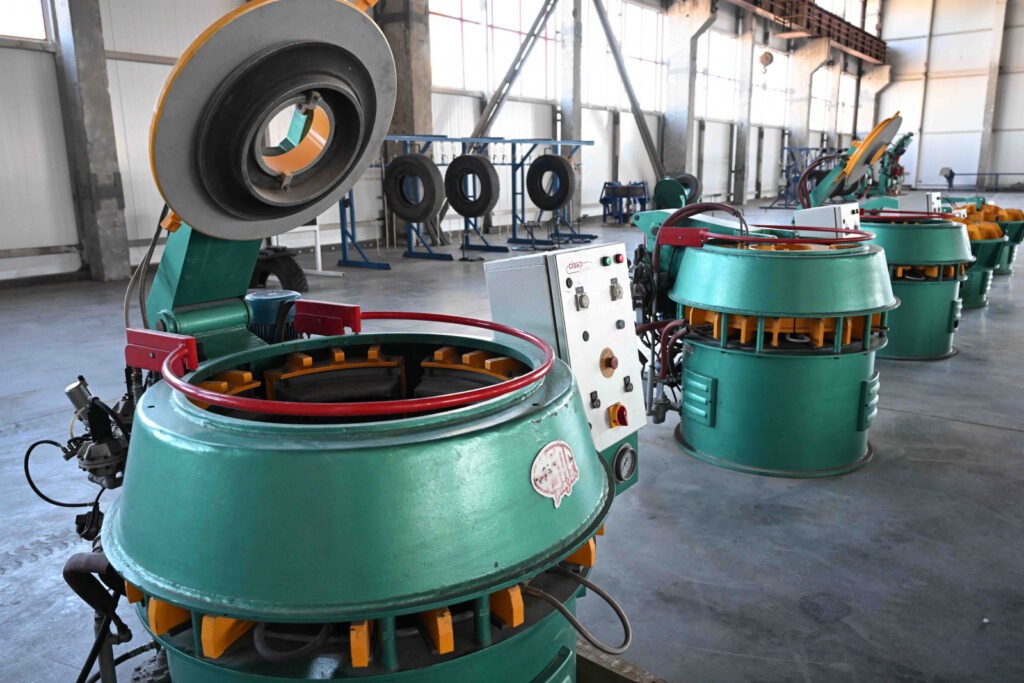
Kyrgyzstan’s First Tire Recycling Plant to Produce Crumb Rubber for Sports Grounds

On March 26th, Akylbek Japarov, Chairman of the Cabinet of Ministers of the Kyrgyz Republic, visited a tire recycling plant in the city of Tokmok in northern Kyrgyzstan. The Kumtor Gold Company has invested 19.2 million US dollars in an enterprise which uses German technology to re-tread tires of any size, and aims to increase the company’s efficiency by creating new sources of income. The plant, scheduled to open at the end of 2024 and currently operating in test mode, employs about 200 people and recycles more than 2 tons of old tires per hour. A key goal of the plant is to produce surface material from crumb rubber for use in children's sports areas at home and abroad. The initiative was welcomed by Mr Japarov who during his visit expressed the government’s readiness to install it in children’s playgrounds in schools and parks across the country.

Russia’s Rosatom to Build Wind Farm, Nuclear Plant in Kyrgyzstan

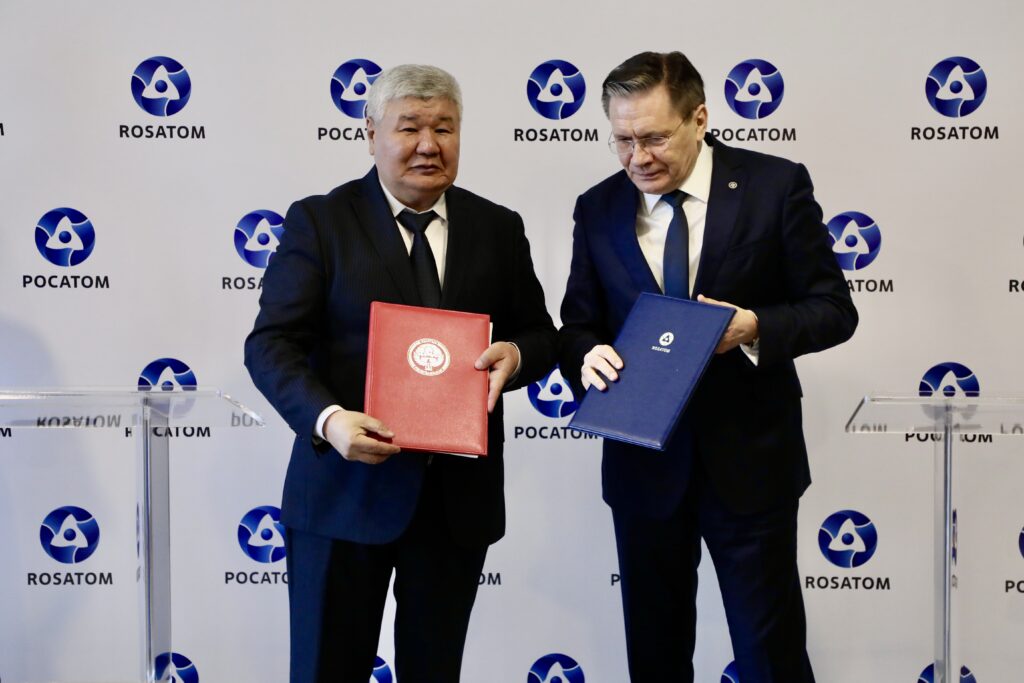
On the eve of the 13th ATOMEXPO-2024 International Forum in Sochi, Russia, representatives of the Kyrgyz Ministry of Energy signed an agreement with representatives of Russian state nuclear company Rosatom on the implementation of small-scale energy projects in Kyrgyzstan. At the forum, Rosatom's management announced that the parties agreed to develop projects and then build small power facilities in Kyrgyzstan with a capacity of up to 400 MW, in different regions of the republic: the Jalal-Abad, Talas and Batken regions. "The Kyrgyz Republic has tremendous potential for the development of small hydropower and construction of hydropower plants. Together with Rosatom's in-depth expertise, it becomes possible not only to build environmentally friendly energy sources, but also to create sustainable infrastructure and decent jobs in the region," said Evgeny Salkov, general director of JSC Rosatom Service. Rosatom Service is a subsidiary of Rosatom which deals with maintenance of energy facilities, including nuclear power plants. The Kyrgyz delegation said that it's ready to support any investment in the country's energy sector. "Kyrgyzstan has created a favorable environment and conditions for international investment in hydropower projects. I am sure that Rosatom's serious long-term plans related to investments in the Kyrgyz Republic will serve as the right message for domestic investors as well. Investments in the hydropower sector in Kyrgyzstan are profitable and reliable investments, and the government of the republic will continue at all levels to support the construction of new HPP projects," said Taalaibek Ibraev, Kyrgyzstan's minister for energy, speaking at the forum. Meanwhile, Rosatom believes that Kyrgyzstan has great potential in developing green energy. Moreover, Kyrgyz authorities' diversified approach to the development of the energy sector will contribute to the country's energy independence. According to Rosatom CEO Alexey Likhachev, the Kyrgyz leadership is now expressing serious interest in building a small nuclear power plant, as well as wind farms. "We are working on all of these directions. In particular, we have already reached agreements on the construction of a 100 MW wind power plant in the Issyk-Kul region. This is the first step, because the leadership of Kyrgyzstan plans to build wind power capacity of at least 1 GW," Likhachev said. Currently the Russian company is building several small hydroelectric power plants in the west and south of Kyrgyzstan. Earlier, Rosatom concluded a memorandum with the Kyrgyz authorities to work out a roadmap for the construction of a low-capacity nuclear power plant in the Central Asian republic, which will consist of two power units of 55 MW each. The situation is complicated by the fact that almost the entire territory of Kyrgyzstan is located within a zone of elevated seismic activity.

Kyrgyz National Bank, Other Agencies Can Resume Sanctions-Related Inspections

Earlier this year, Kyrgyz President Sadyr Japarov signed a decree prohibiting state supervisory agencies from inspecting businesses until the end of 2024. Only evidence that a private company has violated the law could trigger an inspection. That presidential decree banning business inspections was amended recently to ensure economic stability in Kyrgyzstan, and now the tax and customs authorities, as well as the National Bank of the Kyrgyz Republic, can again carry out inspections. The financial regulator can now assess the activities of commercial banks and other financial institutions, as it was before the presidential decree. In a live broadcast on Kyrgyz state radio, Musa Kataganov, head of the Business Environment Policy Department of the Kyrgyz Ministry of Economy, said that "as you know, numerous sanctions are being imposed against Russia. Our commercial banks are under strict surveillance by the West to ensure that goods do not move from or to Russia." According to Kataganov, the National Bank of Kyrgyzstan (NBKR) is obliged to monitor the activities of commercial banks - despite the presidential moratorium - to prevent the entire Kyrgyz banking system from falling under Western sanctions. After the U.S. Treasury Department threatened to impose sanctions for servicing the Russian payment system MIR in September 2022, just under half of Kyrgyzstan's banks stopped working with the system. U.S. sanctions could affect the servicing of correspondent accounts of Kyrgyz financial institutions abroad, as foreign counter-party banks would likely follow Treasury Department guidelines and cut off access to Kyrgyz banks. Each bank in Kyrgyzstan in this case made the decision on its own, without any pressure from the authorities. Asked by Times of Central Asia, the NBKR's press service said that its removal from the list of government agencies on which the inspection moratorium was imposed was primarily due to the need to ensure the safe and reliable operation of Kyrgyzstan's payments and banking systems in order to promote long-term economic growth in Kyrgyzstan. "As part of supervision over the activities of commercial banks, the National Bank carries out both remote supervision and on-site inspection of all types of risks inherent in the activities of commercial banks, including compliance with the requirements of the legislation of the Kyrgyz Republic in terms of combating the financing of terrorist activities and legalization (laundering) of criminal proceeds - as well as compliance with international sanctions," the press service of the NBKR stated.

Russian Atomic Energy Company to Build Renewable Energy Facilities in Kyrgyzstan

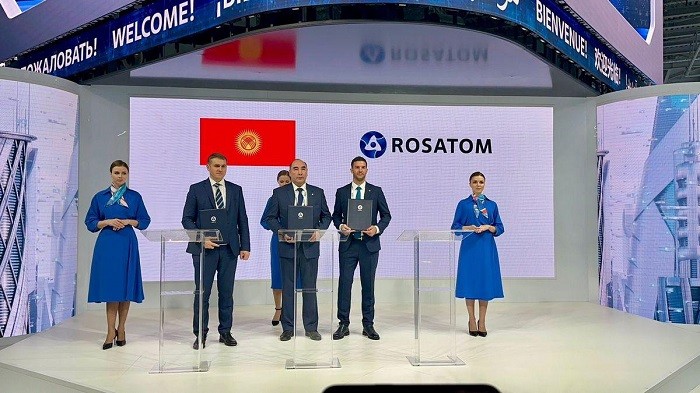
On March 26th, at the 13th ATOMEXPO 2024 International Forum in Sochi, Russia, Kyrgyzstan’s Ministry of Energy and Russia’s State Atomic Energy Corporation Rosatom announced joint investment in the construction of renewable energy facilities in Kyrgyzstan with a capacity of up to 1 GW. The agreement was signed by Grigory Nazarov, General Director of the Wind Energy Division of Rosatom; Talaibek Baigaziev, Deputy Minister of Energy of the Kyrgyz Republic, and Dmitry Konstantinov General Director of Rosatom’s office in Kyrgyzstan. According to Rosatom, the first stage of the project will involve the implementation of a pilot project for the construction of a wind power plant with a capacity of 100 MW in Kyrgyzstan’s Issyk-Kul region. The Russian company has already installed a mast for wind measurement and is undertaking surveys on the location of wind farms. The second stage will include the development of additional sites for renewable energy facilities with a total capacity of up to 900 MW.

Kyrgyzstan to Start Producing Chevrolet, Isuzu Cars This Year

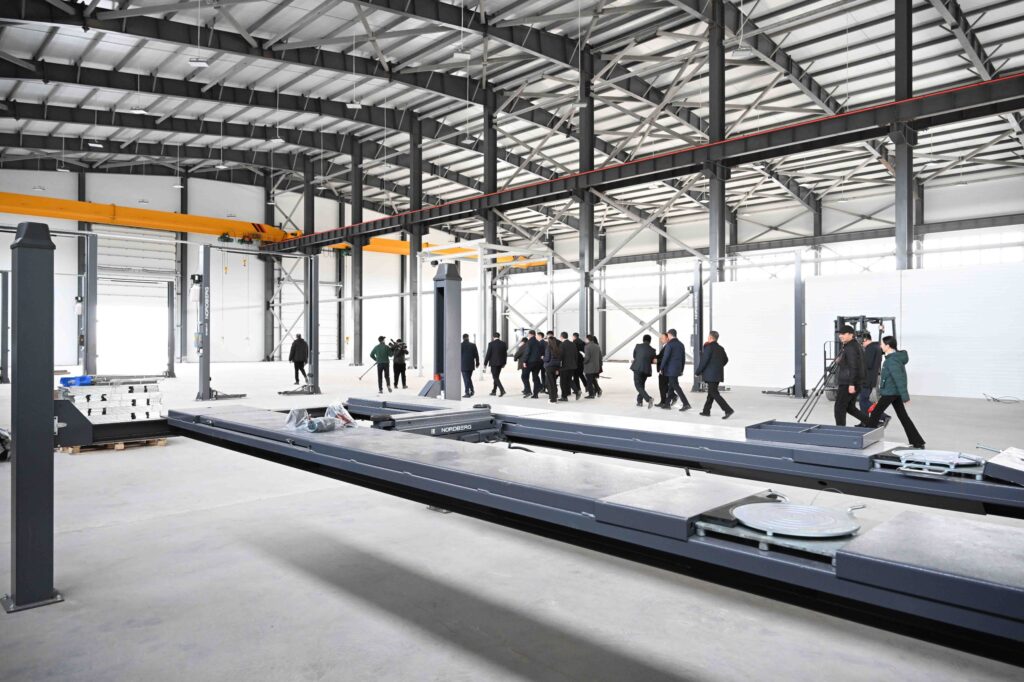
A joint Kyrgyz-Uzbek factory for the production of Chevrolet and Isuzu cars is currently under construction in Kyrgyzstan. Several years ago the Kyrgyz and Uzbek governments agreed to build the plant, near Bishkek. Since then the authorities of both countries have been solving legal and investment issues related to the project. They also discussed taxation of the new enterprise and a grace period to allow the plant to get up and running.  As a result, at the beginning of 2023 Kyrgyz deputies approved the agreement and the builders started to erect production lines for the car assembly plant. The parties wanted to launch the plant last year, but the deadlines for completion of work were repeatedly pushed back. Production of Chevrolet and Isuzu cars began in Uzbekistan in 2007 at a joint venture Daewoo plant. As representatives of the Uzbek company noted earlier, Kyrgyzstan is one of the priority markets for the expansion of production, as the China-Kyrgyzstan-Uzbekistan road corridor reduces the time it takes to deliver components, making car assembly cheaper. According to the Kyrgyz government, the plant should begin operations in the second quarter of this year, and the first car should roll off the assembly line in late May. At the initial stage, Uzbekistan's UzAuto Motors should invest $50 million and produce 10,000 cars in the first year -- with the enterprise creating more than 1,000 permanent jobs. The first model produced at the plant will be the Chevrolet Nexia R3. According to agreements between Bishkek and Tashkent, the first stage will include Uzbekistan bringing components in the form of large assemblies ready for installation into Kyrgyzstan. During the second stage, targeted to start in four years, the plant will produce automobile components independently -- and produce about 20,000 cars a year. In the sixth year of operation, according to the plan, the Kyrgyz plant will perform a variety of technological operations, including body welding and painting, and should produce about 30,000 cars per year.

Launch of a Clinker Line for Kyrgyzstan’s Largest Cement Plant

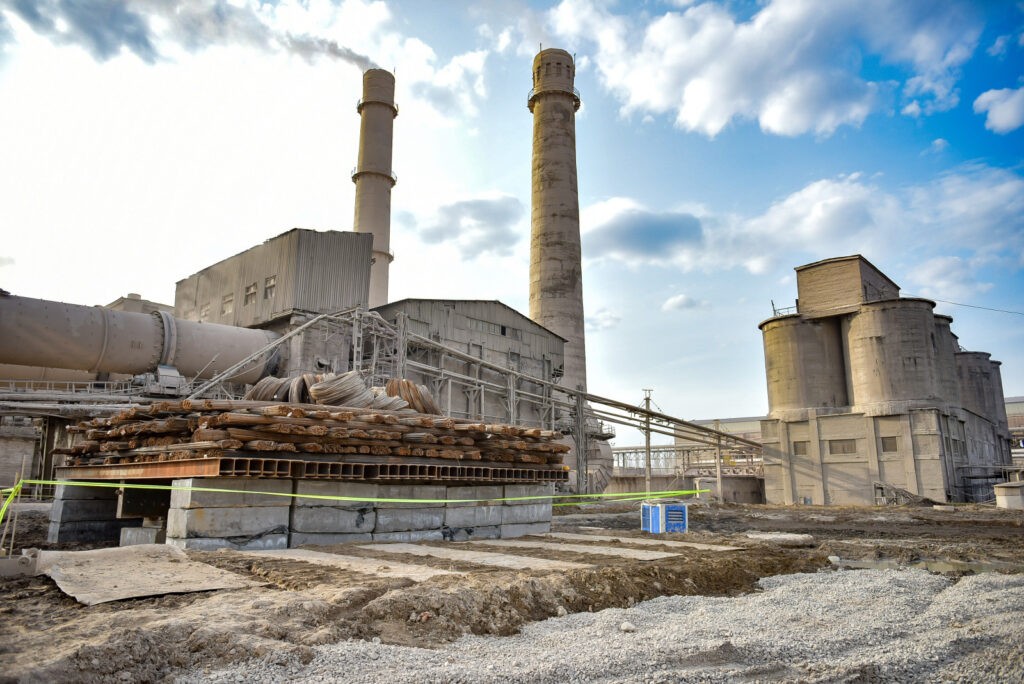
On March 20th, First Deputy Chairman of the Cabinet of Ministers of the Kyrgyz Republic, Adylbek Kasymaliev attended a ceremony to launch the construction of a new clinker line at the cement plant in Kant. Kasymaliev reported that in 2023, the plant received $8.5 million from the Kyrgyz-Russian Development Fund for an export-oriented aerated concrete line. This year, thanks to a loan of $50 million from the Eurasian Development Bank and $20 million of internal investments, the construction of a new clinker line has begun. Clinker is essential for cement production and its versatility allows it to be stored and transported globally without risk of degrading. With the completion of the new line, the production of high-quality clinker will total 800 thousand tons per year. Located 20km east of Bishkek, Kyrgyzstan’s largest cement plant currently produces over 1.1 million tons of cement per year and since it cooperates with 45 companies – from manufacturers of bags for cement to end consumers – the plant’s activities have a widespread impact on Kyrgyzstan’s economy.