• KGS/USD = 0.01144 0%
  • KZT/USD = 0.00194 0%
  • TJS/USD = 0.10879 -0.18%
  • UZS/USD = 0.00008 0%
  • TMT/USD = 0.28490 0%
  • KGS/USD = 0.01144 0%
  • KZT/USD = 0.00194 0%
  • TJS/USD = 0.10879 -0.18%
  • UZS/USD = 0.00008 0%
  • TMT/USD = 0.28490 0%
  • KGS/USD = 0.01144 0%
  • KZT/USD = 0.00194 0%
  • TJS/USD = 0.10879 -0.18%
  • UZS/USD = 0.00008 0%
  • TMT/USD = 0.28490 0%
  • KGS/USD = 0.01144 0%
  • KZT/USD = 0.00194 0%
  • TJS/USD = 0.10879 -0.18%
  • UZS/USD = 0.00008 0%
  • TMT/USD = 0.28490 0%
  • KGS/USD = 0.01144 0%
  • KZT/USD = 0.00194 0%
  • TJS/USD = 0.10879 -0.18%
  • UZS/USD = 0.00008 0%
  • TMT/USD = 0.28490 0%
  • KGS/USD = 0.01144 0%
  • KZT/USD = 0.00194 0%
  • TJS/USD = 0.10879 -0.18%
  • UZS/USD = 0.00008 0%
  • TMT/USD = 0.28490 0%
  • KGS/USD = 0.01144 0%
  • KZT/USD = 0.00194 0%
  • TJS/USD = 0.10879 -0.18%
  • UZS/USD = 0.00008 0%
  • TMT/USD = 0.28490 0%
  • KGS/USD = 0.01144 0%
  • KZT/USD = 0.00194 0%
  • TJS/USD = 0.10879 -0.18%
  • UZS/USD = 0.00008 0%
  • TMT/USD = 0.28490 0%
15 December 2025

Viewing results 181 - 186 of 245

Kyrgyzstan Responds to Climate Change with Artificial Glaciers

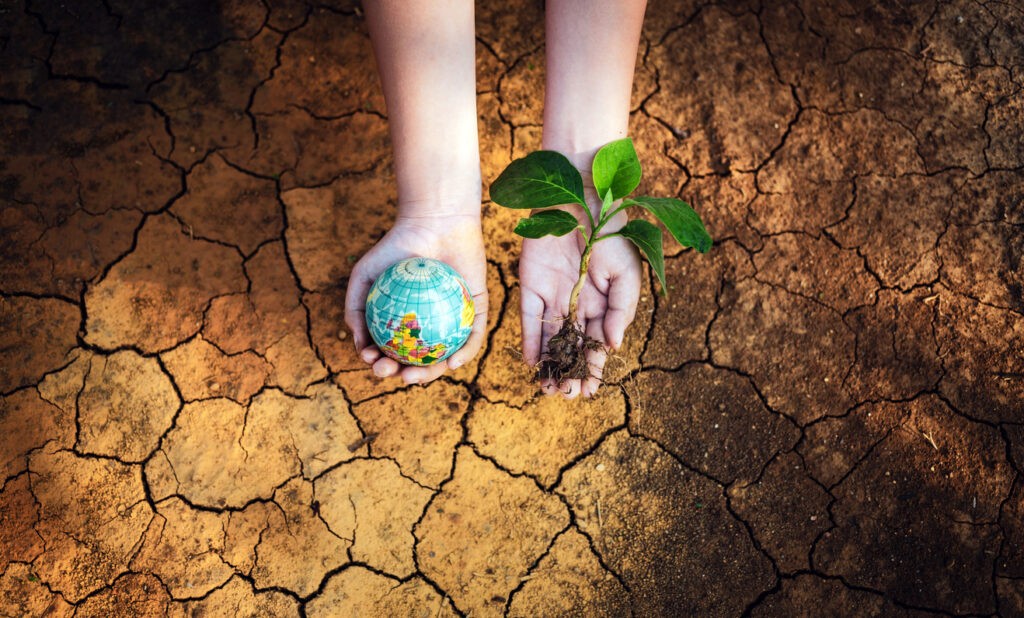
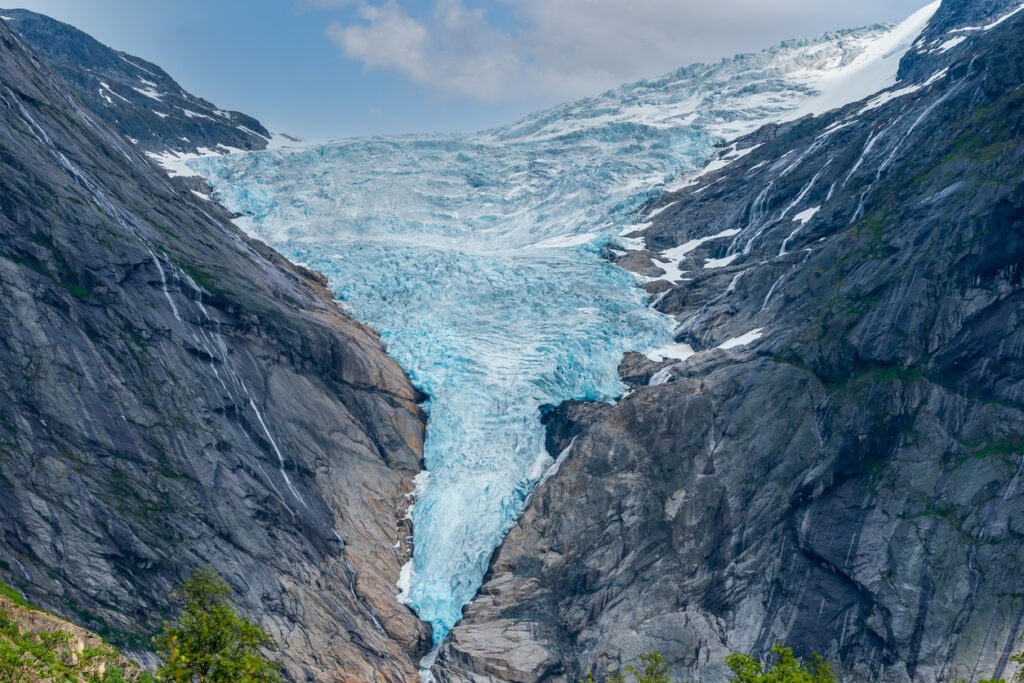
Global climate change, a topic which is always on the minds of scientists around the world, has particularly acute effects in landlocked Central Asia, where water has always been in limited supply, the effects of climate change - a topic increasingly on the minds of people around the world – have been particularly acute. In recent years, the shortage of water in rivers and lakes has had an extremely negative impact on agriculture and livestock farming. With 94% of the country's landmass covered by mountains, Kyrgyzstan feels the negative effects of climate change first and foremost. A harsh continental climate with a wide range of average annual temperature fluctuations (from +40℃ to -40℃) and low precipitation makes livestock farming difficult. In addition, the inaccessible mountainous terrain makes it challenging for local residents to access drinking water - the main source of which is mountain springs. Therefore, artificial glaciers have been created to combat the negative effects of rising temperatures. The first project of its kind appeared in the Republic in 2019 in the village of Jergetal in the Naryn Region. By 2021, the total number of artificial ice deposits had grown to eleven. These numbers continue to grow. In 2022, an artificial glacier was built in the remote pasture of Kara-Dobo in the Jalal-Abad region thanks to the efforts of local residents, and with technical assistance from the UN Food and Agriculture Organization (FAO) and financial support of $5,500 from the UN Peacebuilding Fund. The next year, more villages followed this example to preserve livestock farming in arid areas. The artificial ice in Orozbekov in the Batken Region is expected to help provide sustenance for livestock belonging to the residents of three villages. "Water for the glacier comes from a mountain spring through pipelines,” Chairman of the Pasture Users Committee of the Orozbekov village area, Eminbek Temirbayev explained. “This system works without requiring electricity.” It is believed that the world's first artificial glacier was created in the late 1980s by the engineer, the "Ice Man" Chewang Norphel from the Indian village of Skara in the western Tibetan Plateau. Later, having improved the methods for creating these glaciers, the specialist helped local villagers store and deliver water for fields and pastures. Artificial glaciers are created by freezing a natural spring of water that emerges from a mountain source. Gradually, ice towers of 30 to 50 meters high form around those springs. With warming temperatures, the glacier begins to melt, becoming a prolonged source of drinking water. The relative cheapness of such structures and the simplicity of their design make artificial glaciers a universal means of providing water to residents in arid and hard to access mountainous areas. People only need to install the pipes, and nature will take care of the rest. Given the successful experience with the installations in Kyrgyzstan, the authorities are planning to build four more artificial glaciers in 2024 as part of a joint project in the Batken and Leilek districts of Batken Region. According to the Kyrgyz Zhayity...
World Bank to Help Increase Kyrgyzstan’s Resilience to Climate Change

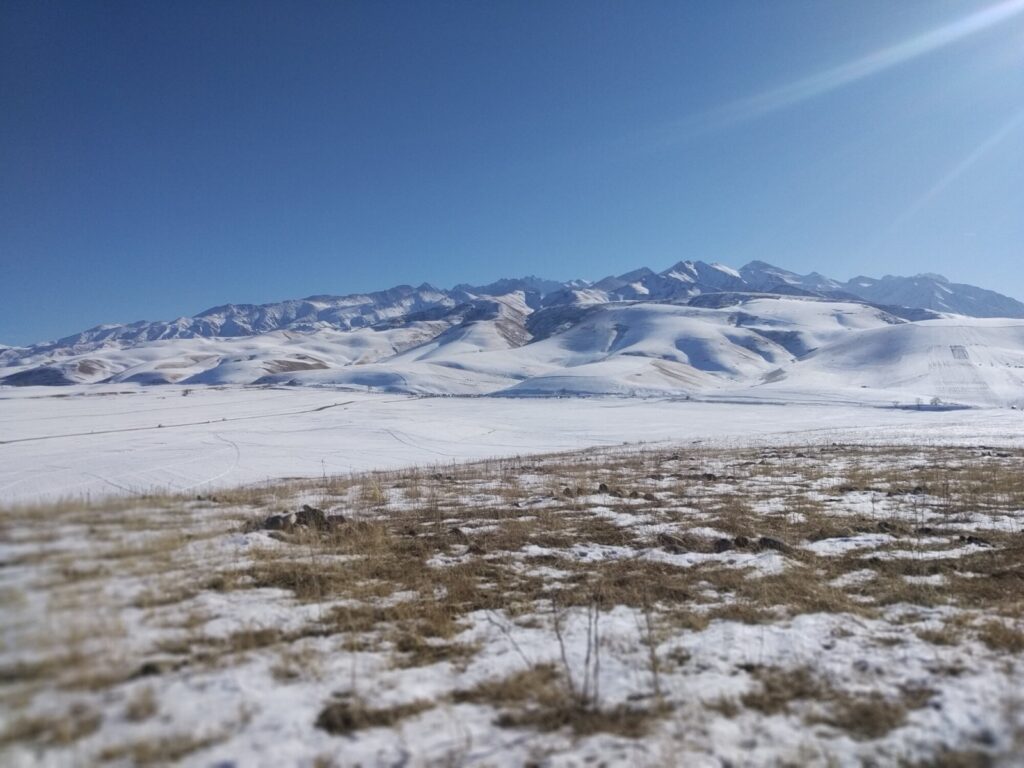
A $45 million financing package for the Kyrgyz Republic Resilient Landscape Restoration Project, to be implemented until 2029, was approved by the World Bank’s Board of Executive Directors on February 27th. Complemented by a $5 million grant from the Global Partnership for Sustainable and Resilient Landscapes (PROGREEN) and a $2.4 million grant from the Korea–World Bank Partnership Facility (KWPF), the project aims to increase sustainable landscape management in selected locations in Kyrgyzstan and promote regional collaboration among Central Asian countries on transboundary landscape restoration. “We are pleased to assist the Kyrgyz Republic's Cabinet of Ministers in increasing the resilience of landscapes and communities to climate-induced hazards, and by enhancing the government’s capacity to monitor glaciers, snow cover, and mudflows, implement measures to adapt to and mitigate climate change,” announced Naveed Hassan Naqvi, World Bank Country Manager for the Kyrgyz Republic. “This project is an important step towards building a more resilient future for the people of the Kyrgyz Republic and will also have a positive impact on neighbouring countries.” The World Bank has affirmed that once in place, the project will directly benefit over 50,000 individuals in the most vulnerable, targeted rural areas of Jalal-Abad, Osh, Issyk-Kul, and Naryn, and communities located upstream of transboundary rivers. According to a 2018-19 study by the Central Asian Institute of Applied Geosciences, Kyrgyzstan’s glaciers have decreased by 16% over the past 50 years. The Ministry of Natural Resources earlier warned that many of the country’s 6,500 glaciers — which cover over 8,000 square kilometres and contain an estimated 650 cubic kilometres of freshwater — could shrink by 50% by 2050 and even completely disappear by the end of the century.

Smog in Bishkek Decreases by 10-15%

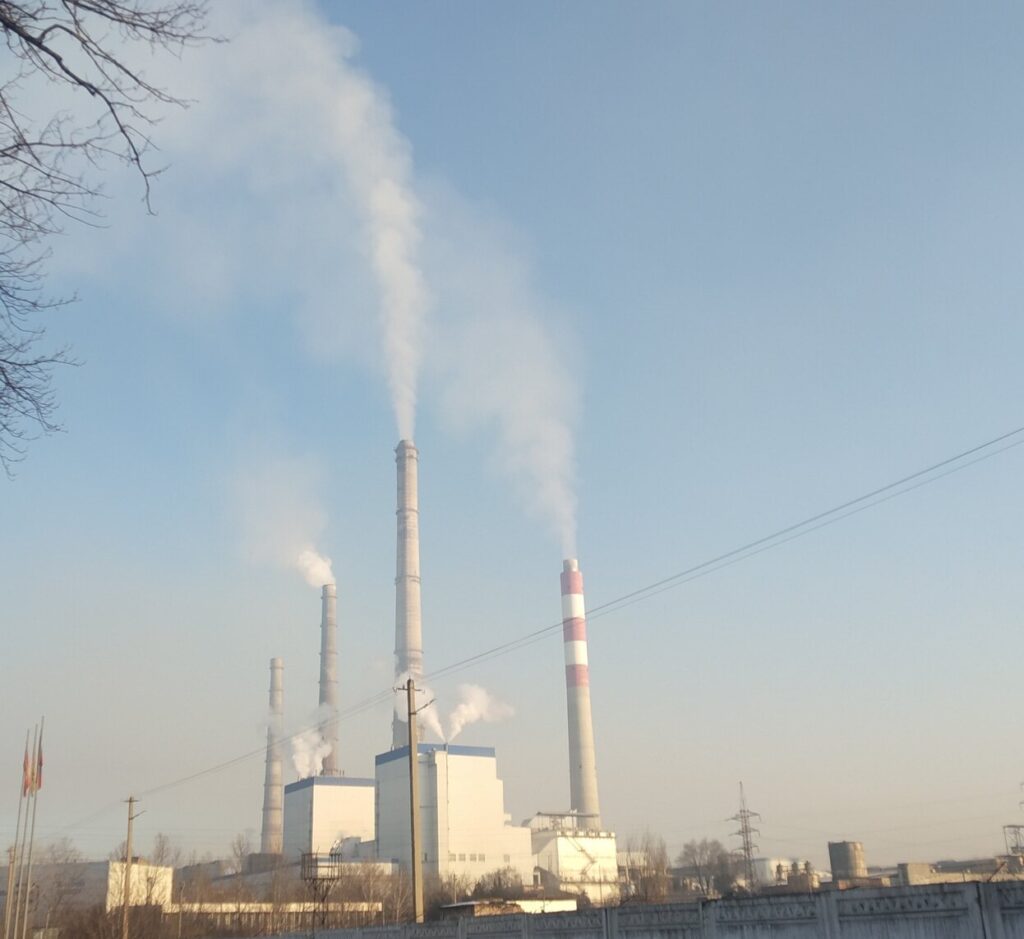
Kyrgyzstan’s Ministry of Natural Resources, Ecology and Technical Supervision has announced that smog in Bishkek has decreased by at least 10-15% resulting from the government's efforts to improve the air quality in the capital city. Welcome news at a time when pollution had reached a critical level. In recent years, IQAIR has frequently ranked Bishkek among the worst cities in the world for the highest levels of air pollution. The Asian Development Bank’s (ADB) brief, “Tackling Air Pollution in Bishkek: A Road Map to Cleaner Air,” released in November 2023, stated that air pollution in Bishkek exceeded the WHO air quality guidelines by up to 30 times in winter. The brief referenced several studies on the main sources of air pollution. A UNICEF report showed PM2.5 concentrations are highest where households rely on coal for heating, in areas around the city's coal-fired thermal power plant and where solid waste is burned. UNDP-UNEP similarly cited coal as the primary source of pollution, followed by road transport. Transport was estimated by ADB to contribute around a third of annual emissions, particularly diesel trucks and minibuses. In conclusion, the ADB report recommended that to arrest air pollution, top priority be given to phasing out coal and investing in clean public transport. According to government reports, in 2023, nine residential neighborhoods comprising over 14 thousand households were supplied with natural gas. Today, 31 of the 47 residential suburbs, previously reliant on coal for heating, are connected to gas. The ministry also stated that the Bishkek landfill, which had been burning for decades adding to the city’s air pollution woes, was completely extinguished last year. Its territory is currently being reclaimed, with 850 tree saplings planted so far on an area of 2.3 hectares. In addition, 850 new environmentally friendly buses running on liquefied gas have been purchased for Bishkek. Mild weather and heavy rainfall were contributory factors but the decrease in smog this winter bodes well for the city's environment.

One Health Nature Conservation Project Launches in Central Asia

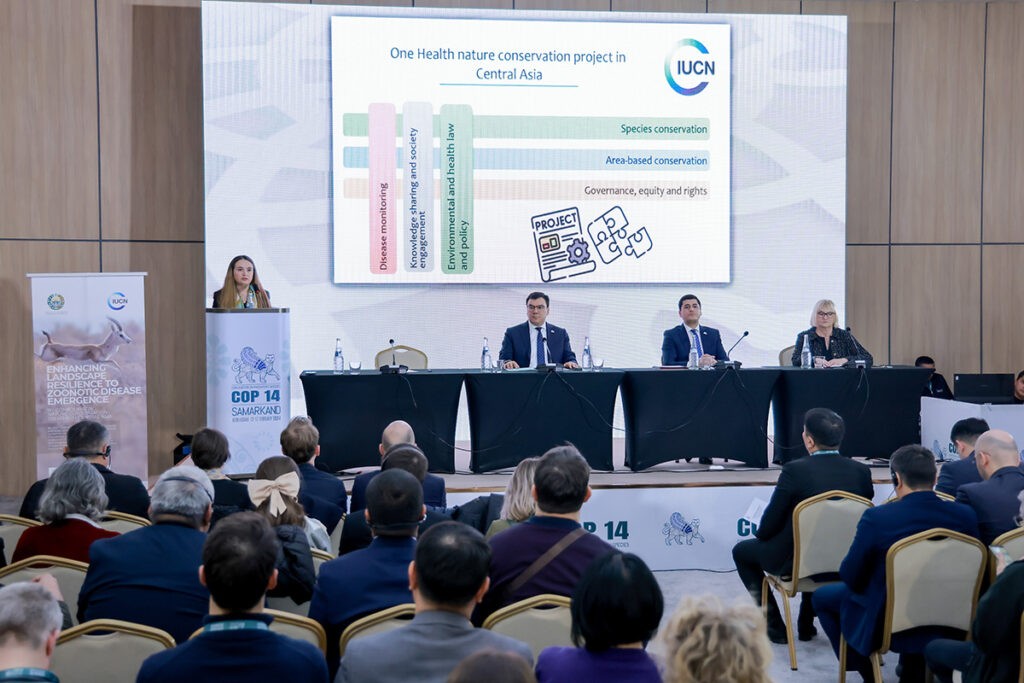
The International Union for Conservation of Nature (IUCN) and its international partners have launched the One Health Central Asia project, aiming to mitigate the risk of zoonoses – diseases that are naturally transmissible from animals to humans – in Central Asia. The new initiative was announced on February 13th at the 14th Conference of the Parties to the Convention on Migratory Species of Wild Animals (CMS COP14) in Samarkand, Uzbekistan.  The risk of zoonotic diseases in Central Asia is exacerbated by biodiversity loss and changes in human-wildlife interactions. As part of the new initiative, IUCN and national and international partners, including all five Central Asian countries, will implement actions to prevent the emergence and spread of zoonotic diseases, IUCN reported on its website.  The experts will work to consolidate a fair and effective regional network of protected and conserved areas, strengthen conservation measures and wildlife management for disease risk mitigation, and promote the latest advancements in zoonosis research and technology.  Speaking at the launch ceremony, IUCN’s director general, Dr Grethel Aguilar, said that nature conservation can contribute to mitigating the risk of zoonotic disease outbreaks, and this important new initiative will strengthen the resilience of Central Asian landscapes, bringing numerous benefits to communities. “We will continue to support the governments here to build regional capacity to apply IUCN's tools and standards, including the IUCN Green List, best practices in species management, and the latest advancements in zoonosis research.”  Aziz Abdukhakimov, the minister of ecology, environmental protection, and climate change of Uzbekistan, commented that: “Over the past few years we have observed how the spread of zoonotic diseases like COVID-19 can have a global impact. This has resulted in entire countries being demobilized, transportation connections being disrupted, an increase in food security issues, and massive socio-economic consequences. We are committed to expanding regional cooperation for sustainable management of protected natural areas, preserving unique biological diversity, and contributing to the environmental balance in the Central Asian region, which will receive a significant boost through this project on One Health in nature conservation.”  Supported by a €11m contribution from the German Ministry for Environment, Nature Conservation, Nuclear Safety and Consumer Protection via the International Climate Initiative, this major regional initiative will spearhead the One Health approach in Central Asia over the next six years. The initiative, entitled Enhancing landscape resilience to zoonotic disease emergence by consolidating nature conservation systems in Central Asia, will focus on the interconnectedness of human, animal, and environmental health. "Obstacles to migration reduce the habitat available to migratory species. This phenomenon has been observed across Central Asia with species such as the Saiga, Wild Ass, and even those with relatively small ranges, like the Bukhara Deer,” said Amy Fraenkel, the executive secretary of the Convention on the Conservation of Migratory Species of Wild Animals (CMS), one of the international partners of the One Health Central Asia initiative. “In the diminished and fragmented habitats, migratory species of wild animals often find themselves in contact and competition with livestock for pasture and water...

Turkmenistan Sends 2,000 Tons Of Liquefied Gas To Kyrgyzstan

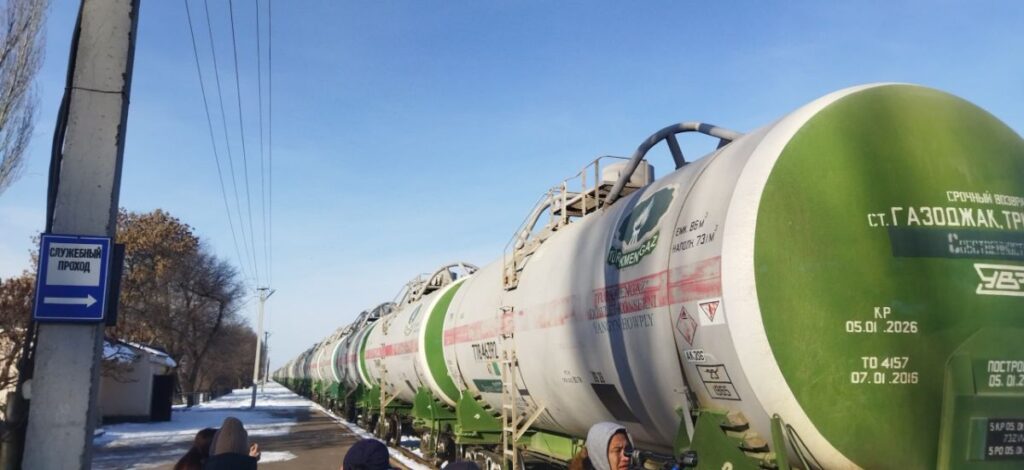
On February 5th, 57 tank railcars with 2,000 tons of liquefied gas arrived in Kyrgyzstan as humanitarian aid from Turkmenistan, to help Bishkek recover after an explosion at its thermal power plant on February 2nd.  Three workers at the power plant were seriously injured in the explosion, which left parts of the city without hot water and heating.  After the accident, neighboring Kazakhstan increased the supply of electricity from its Zhambyl power plant to Kyrgyzstan, the Kazakh Foreign Ministry said on February 3rd.  Kyrgyzstan’s Ministry of Energy says that engineers from Russia have arrived in Bishkek to help Kyrgyz colleagues with the repair and reconstruction of the power plant. After the accident, Kyrgyzstan president Sadyr Japarov made an order to fully modernize the plant. 

Kyrgyzstan Looks To Harness Geothermal Energy

In an effort to expand the use of renewable energy in Kyrgyzstan, on February 1st the country's deputy minister for economy and commerce, Sanzhar Bolotov, met with some members of the International Finance Corporation (IFC) to discuss cooperation, particularly in the field of geothermal energy. Mr Bolotov proposed launching geothermal pilot projects in Kyrgyzstan. Geothermal energy is a type of renewable energy taken from the Earth’s core. It comes from heat generated when the planet was originally formed, and the radioactive decay of materials.  The IFC representatives agreed to consider geothermal energy pilots in Kyrgyzstan. They mentioned that the transition to geothermal energy is happening successfully in the USA, Indonesia, Turkey, and Poland. Geothermal energy use would help reduce greenhouse gas emissions, and help Kyrgyzstan to meet its climate change mitigation goals.