• KGS/USD = 0.01144 0%
  • KZT/USD = 0.00215 0%
  • TJS/USD = 0.10691 0.09%
  • UZS/USD = 0.00008 0%
  • TMT/USD = 0.28530 0%
  • KGS/USD = 0.01144 0%
  • KZT/USD = 0.00215 0%
  • TJS/USD = 0.10691 0.09%
  • UZS/USD = 0.00008 0%
  • TMT/USD = 0.28530 0%
  • KGS/USD = 0.01144 0%
  • KZT/USD = 0.00215 0%
  • TJS/USD = 0.10691 0.09%
  • UZS/USD = 0.00008 0%
  • TMT/USD = 0.28530 0%
  • KGS/USD = 0.01144 0%
  • KZT/USD = 0.00215 0%
  • TJS/USD = 0.10691 0.09%
  • UZS/USD = 0.00008 0%
  • TMT/USD = 0.28530 0%
  • KGS/USD = 0.01144 0%
  • KZT/USD = 0.00215 0%
  • TJS/USD = 0.10691 0.09%
  • UZS/USD = 0.00008 0%
  • TMT/USD = 0.28530 0%
  • KGS/USD = 0.01144 0%
  • KZT/USD = 0.00215 0%
  • TJS/USD = 0.10691 0.09%
  • UZS/USD = 0.00008 0%
  • TMT/USD = 0.28530 0%
  • KGS/USD = 0.01144 0%
  • KZT/USD = 0.00215 0%
  • TJS/USD = 0.10691 0.09%
  • UZS/USD = 0.00008 0%
  • TMT/USD = 0.28530 0%
  • KGS/USD = 0.01144 0%
  • KZT/USD = 0.00215 0%
  • TJS/USD = 0.10691 0.09%
  • UZS/USD = 0.00008 0%
  • TMT/USD = 0.28530 0%

Viewing results 187 - 192 of 338

Kyrgyzstan Lifts Ban on Mining of Uranium and Thorium

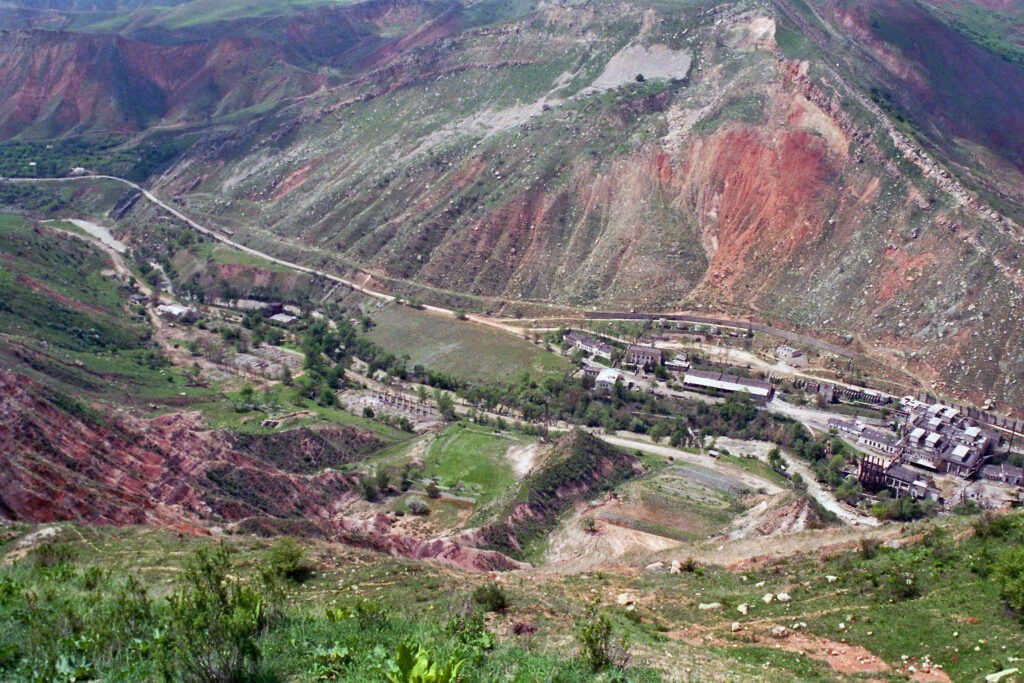
Deputies of the Kyrgyz Parliament have approved a bill lifting the ban on mining uranium and thorium by 69 votes in favor to three against. Parliamentarians are confident that the legislative changes will bring significant economic dividends to the country. The law banning uranium and thorium mining was passed in 2019. At that time, authorities wanted to sell the license to develop a deposit, but faced a significant pushback from residents who feared the project could harm the environment and damage the water table. The result was a complete ban on the entire territory of the Republic. In the Issyk-Kul region of Kyrgyzstan alone, 150,000 cubic meters of radioactive waste were accumulated from uranium mining in the last century. According to the Ministry of Emergency Situations, the country has 92 burial sites, with 23 tailing dumps containing uranium elements. Kyrgyzstan's total volume of poisonous and hazardous substances stands at 2.9 million cubic meters. The notes behind the new bill indicate that alternative sources of income are needed due to severe economic impacts over recent years. However, these activities must strictly comply with environmental norms and standards in uranium and thorium mining. Speaking in parliament, Minister of Natural Resources, Environment, and Technical Supervision, Melis Turganbayev assured deputies that the bill's passage would not harm the environment or the health of Kyrgyz citizens. “For uranium mining to be profitable, a deposit needs 40-50 tons. Kyrgyzstan lacks such reserves. There are occurrences from 0.01 to 0.08% in 83 locations. Our goal is not the uranium, but the associated metals,” Turganbayev said. Authorities plan to mine titanomagnetite, which is accompanied by uranium and thorium. Both elements will be processed at the Kara-Balta Combine in Chui Oblast. Thorium will be stored, while uranium will be sold to other states. Iskhak Masaliyev, one of the three deputies who voted against the bill, reminded his colleagues of discussions in the early 2000s on ecology. However, only now has it been possible to begin to eliminate harmful waste. Doctor of Geological and Mineral Sciences, academician Rozalia Jenchuraeva told The Times of Central Asia that the 2019 law banning mining was “a big folly” as it suspended all waste activities and impacted jobs, leaving hazardous materials lying no more than 20 meters deep are slowly contaminating the soil and water. “If they pull it all out, it will be wonderful. It will clean up the land. This is work for the Kara-Balta Combine. I think the government has decided to develop Kyzyl-Ompol, which is the right thing to do,” Jenchuraeva said. Jenchuraeva believes that Kyrgyzstan has qualified personnel who have previously worked at uranium sites, know how to mine uranium and thorium, and can develop the deposits using their expertise and resources. Earlier, President Japarov met with residents near the Kyzyl-Ompol deposit. “The development of Kyzyl-Ompol will create over a thousand jobs. This mine will become the second Kumtor (gold deposit). The local budget will cease to be subsidized, and the people will get richer,” the president said. Kyzyl-Ompol is...
U.S. Delivers Cutting-Edge Technology to Kyrgyzstan’s Renewable Energy Sector

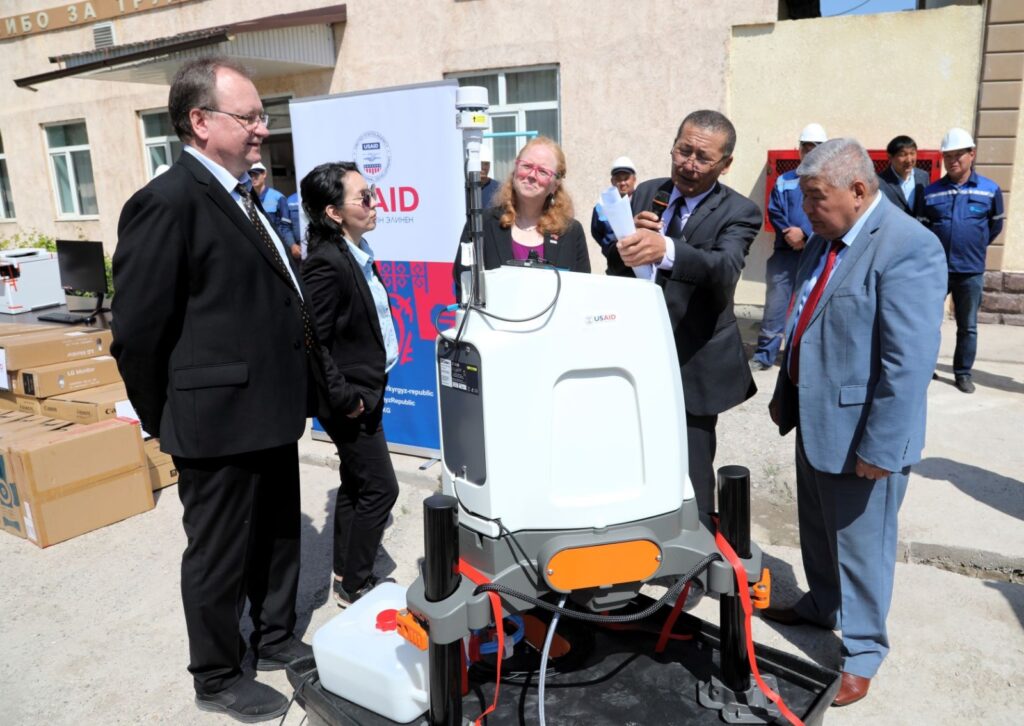
The U.S. government – via the U.S. Agency for International Development (USAID) Power Central Asia activity – has delivered a Light Detection and Ranging unit to Kyrgyzstan’s Ministry of Energy. As reported by the U.S. Embassy in Kyrgyzstan, accurate wind measurements provided by the cutting-edge technology will prove invaluable in the development of the country’s renewable energy projects and do much to attract investment. At the handover ceremony, Minister of Energy Taalaibek Ibrayev commented that the Light Detection and Ranging equipment will not only enhance the effective use of renewable energy sources, but also improve financial forecasts and accelerate the introduction of wind farms and wind energy in Kyrgyzstan. To support the initiative, the USAID Power Central Asia activity has trained local technical staff in the use of the wind measurement equipment. USAID/Kyrgyz Republic Mission Director, Kaya Adams, stated: “The Kyrgyz Republic can ensure that all future wind projects will be both strategically located and implemented with the highest precision for maximum efficiency.  This efficiency is crucial for making informed investment decisions that will sustainably shape the country’s energy future.” The USAID Power Central Asia activity is a five-year, regional energy initiative to improve the performance of Central Asia’s energy sectors by introducing more competitive means of producing clean energy, boosting energy security and resiliency through greater regional connectivity, and expanding cross-border electricity trade. Since the inception of Power Central Asia in 2020, USAID has leveraged $2.2 billion in clean energy investments and facilitated the installation of 2,241 Megawatts of clean energy capacity across the regions.    

World Bank Helps Kyrgyzstan To Restore Its Natural Landscape

The World Bank will provide Kyrgyzstan with a $52.4 million loan to restore some of the country's land. The allocated funds will be used to reconstruct over 450km of protective structures, build 26km of dams, strengthen riverbanks, undertake landscaping, and purchase equipment. The project is designed to directly benefit more than 50,000 people in the Jalal-Abad, Osh, Issyk-Kul, and Naryn regions. A government report on the landscaping project says: "Of this amount, 45 million dollars will be provided in the form of a loan from the World Bank, 5 million dollars will come in the form of a grant from the Global Partnership for Sustainable Landscapes (PROGREEN), and another 2.4 million dollars will be allocated by the Korea-World Bank Partnership Fund (KWPF)." The loan will be for 10 years with a grace period of 50 years, with 38 years of the loan being interest-free.

Green Light for Uzgen Bypass, South Kyrgyzstan

The Eurasian Development Bank (EDB) and a consortium comprising Tez Zhol, Zhagalmai, and DemirBank, have signed agreements to build and maintain a bypass road around the historic town of Uzgen in the Osh region of south Kyrgyzstan. According to EDB’s press office, the project which includes new information technologies for toll road management, aims to improve connectivity in the Osh region, enhance road safety and improve Uzgen’s environment. The Bishkek–Osh highway, one of the country’s main transport arteries and used by approximately 23,000 vehicles per day, causes serious issues for the densely populated town of Uzgen. The route through its center impacts the town’s socioeconomic situation by increasing levels of noise and pollution whilst congestion poses risks for pedestrians, exacerbating safety concerns. The projected timeline for such a large-scale project is 49 years, from 2024 to 2073, and comprising 14.1-km of new roads, three bridges and a toll management system, the estimated cost of its construction is US $29.9 million. Commenting on the initiative, Nikolai Podguzov, Chairman of the EDB Management Board, stated:  “The Uzgen Bypass is the first toll road initiative in the Kyrgyz Republic. This project will increase the daily capacity of the Bishkek–Osh road from 8,000 to 12,000 vehicles, create approximately 300 jobs and boost demand for local industrial enterprises such as reinforced concrete and concrete plants. Additionally, it will improve the environmental situation and reduce the load on Uzgen’s roads by diverting traffic to bypass the residential sector.”

Japanese Company to Develop Urban Master Plan for Bishkek

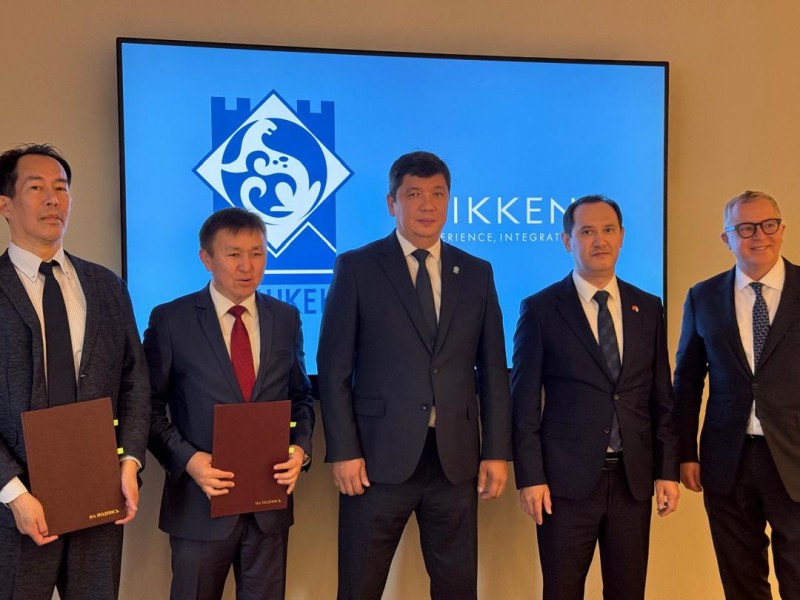
A Memorandum of Cooperation in urban planning and architecture has been signed between the Bishkek municipality and Nikken Sekkei Ltd, a Japanese architectural, planning and engineering firm. Based on a survey of amenities required by the capital’s citizens, the project represents the Japanese company’s first foray into urban planning in Central Asia. The project was approved by the Chief Architect of Bishkek, Urmat Karybaev, who accompanied Mayor of Bishkek Aibek Junushaliev during their attendance at SusHi Tech Tokyo 2024. Hosted by Tokyo last week, the large-scale event brought together leaders from cities in five continents to exchange ideas and discuss advanced technologies and strategies aimed at sustainable urban development. As reported by the municipality’s press service, the deal substantially satisfied Bishkek’s goal to establish new partnerships, exchange knowledge and adopt best practices for the further development of the city.  

EU and Partner Banks Upgrade Water Supply in Cholpon-Ata, Kyrgyzstan

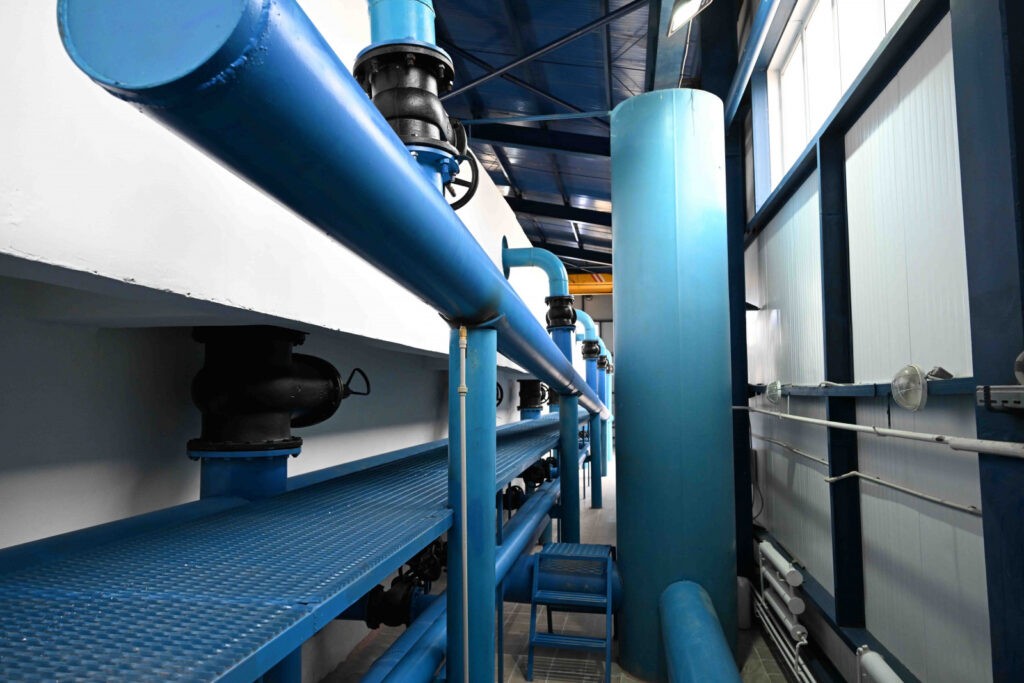
A new water intake facility has been launched in the Cholpon-Ata resort at Kyrgyzstan’s Lake Issyk-Kul thanks to a joint investment of EUR 5.1 million from the European Union, the European Investment Bank (EIB), and the European Bank for Reconstruction and Development (EBRD). The opening ceremony on 11 May was attended by the Chairman of the Cabinet of Ministers of the Kyrgyz Republic Akylbek Japarov. The European Union’s grant of EUR 3.1 million, combined with an EIB and EBRD investment loan of EUR 2.25 million, funded vital improvements to the city’s water supply system which had not been upgraded since it began operating in 1986. According to the EU Delegation to the Kyrgyz Republic, by helping eliminate the risk of water-borne diseases, the project has provided over 19,000 citizens of Cholpon-Ata with regular access to safe drinking water and sanitation services. To date, grants exceeding EUR 100 million from the EU have leveraged EUR 205 million investments to support Kyrgyzstan’s drinking water, solid waste management, and energy services, benefitting over 376,000 citizens in 14 cities and eight villages across the country.