• KGS/USD = 0.01144 0%
  • KZT/USD = 0.00216 0%
  • TJS/USD = 0.10659 0%
  • UZS/USD = 0.00008 0%
  • TMT/USD = 0.28530 0%
  • KGS/USD = 0.01144 0%
  • KZT/USD = 0.00216 0%
  • TJS/USD = 0.10659 0%
  • UZS/USD = 0.00008 0%
  • TMT/USD = 0.28530 0%
  • KGS/USD = 0.01144 0%
  • KZT/USD = 0.00216 0%
  • TJS/USD = 0.10659 0%
  • UZS/USD = 0.00008 0%
  • TMT/USD = 0.28530 0%
  • KGS/USD = 0.01144 0%
  • KZT/USD = 0.00216 0%
  • TJS/USD = 0.10659 0%
  • UZS/USD = 0.00008 0%
  • TMT/USD = 0.28530 0%
  • KGS/USD = 0.01144 0%
  • KZT/USD = 0.00216 0%
  • TJS/USD = 0.10659 0%
  • UZS/USD = 0.00008 0%
  • TMT/USD = 0.28530 0%
  • KGS/USD = 0.01144 0%
  • KZT/USD = 0.00216 0%
  • TJS/USD = 0.10659 0%
  • UZS/USD = 0.00008 0%
  • TMT/USD = 0.28530 0%
  • KGS/USD = 0.01144 0%
  • KZT/USD = 0.00216 0%
  • TJS/USD = 0.10659 0%
  • UZS/USD = 0.00008 0%
  • TMT/USD = 0.28530 0%
  • KGS/USD = 0.01144 0%
  • KZT/USD = 0.00216 0%
  • TJS/USD = 0.10659 0%
  • UZS/USD = 0.00008 0%
  • TMT/USD = 0.28530 0%

Viewing results 205 - 210 of 332

Russian Atomic Energy Company to Build Renewable Energy Facilities in Kyrgyzstan

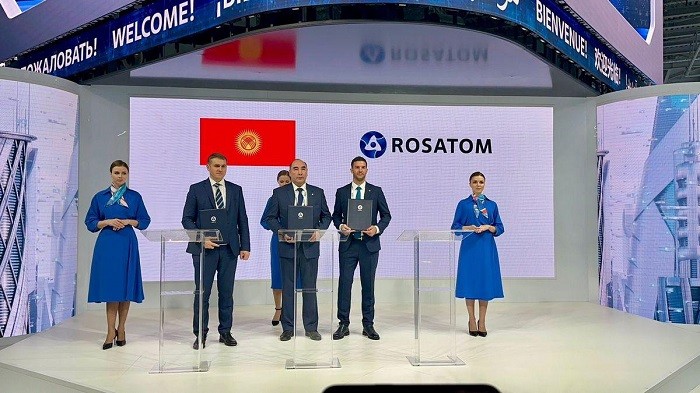
On March 26th, at the 13th ATOMEXPO 2024 International Forum in Sochi, Russia, Kyrgyzstan’s Ministry of Energy and Russia’s State Atomic Energy Corporation Rosatom announced joint investment in the construction of renewable energy facilities in Kyrgyzstan with a capacity of up to 1 GW. The agreement was signed by Grigory Nazarov, General Director of the Wind Energy Division of Rosatom; Talaibek Baigaziev, Deputy Minister of Energy of the Kyrgyz Republic, and Dmitry Konstantinov General Director of Rosatom’s office in Kyrgyzstan. According to Rosatom, the first stage of the project will involve the implementation of a pilot project for the construction of a wind power plant with a capacity of 100 MW in Kyrgyzstan’s Issyk-Kul region. The Russian company has already installed a mast for wind measurement and is undertaking surveys on the location of wind farms. The second stage will include the development of additional sites for renewable energy facilities with a total capacity of up to 900 MW.

Montana Farmer Pleads Guilty to Cloning Endangered Kyrgyz Argali Sheep

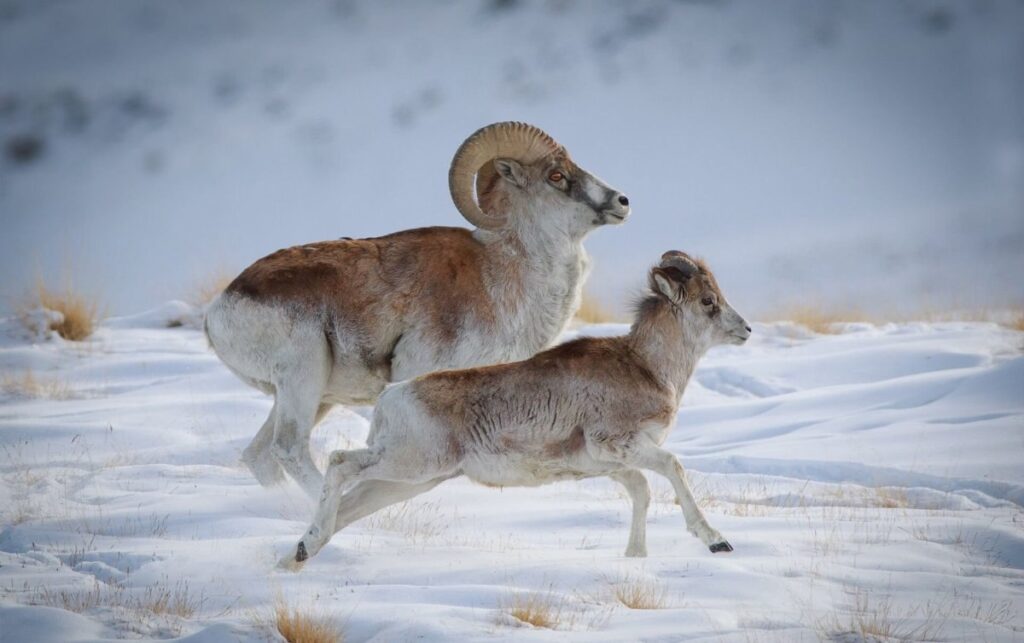
As reported by the Daily Montanan an 80-year-old farmer from Montana, Arthur "Jack" Schubarth, has pleaded guilty to federal charges for violating the Lacey Act, which prohibits the sale, transportation and purchase of wild animals between American states. In 2013, Schubarth illegally brought part of an argali sheep which had been killed in the Kyrgyz mountains into the U.S. and paid a laboratory to create cloned embryos from the animal's DNA. The embryos were then implanted into sheep on his farm and in time, he succeeded in raising a genetically pure argali, which he named Montana's Mountain King. Used to impregnate other sheep, the ram's sperm produced fairly large hybrids. In a statement to the paper, assistant U.S. Attorney General Todd Kim said, "It was a bold plan to create large hybrids of sheep for sale and hunting as trophies... By implementing this scheme, Schubarth violated international law and the Lacey Act, which protect the viability and health of local animal populations," According to investigators, Schubarth conspired with five individuals to sell hybrid offspring to Texas and Minnesota under the guise of domestic sheep from New Mexico. The sheep hybrids led to healthy profits in the field of hunting. In 2020, a farmer sold one of Mountain King's sons and 11 sheep containing a quarter of his genetics for $23,000 after obtaining a fake export license. The plea agreement states that the market value of all such sheep sold by Schubarth reached half a million dollars. The Argali, also known as a Marco Polo, is the largest ram on earth. Reaching up to two meters in length, with a height at the withers of 120 centimetres, an adult can weigh 180 kilograms. The breed is also valued for its large, curled horns and in Kyrgyzstan, is protected as an endangered species. However, once a year, authorities issue about 70-80 licenses to cull the population; an activity popular with foreign hunters and a lucrative source of income for the state. Whilst the fine for illegal killing of an argali is around $15,000, the official rate charged to licenced hunters is around $10,000. Speaking to the Times of Central Asia, Askar Davletbayev, an ecologist with the Kyrgyz National Academy of Sciences, stated, "According to the law, one percent of the total argali population can be shot but we try to shoot no more than 0.5 percent. According to the data, there are now about 19,000 of these animals in the country. Since the situation isn't critical, the current level of hunting can be maintained." During the autumn hunting season, many argali living on the Sarychat-Ertash Nature Reserve in the Issyk-Kul region migrate to areas around the nearby Kumtor gold mine. Scientists explain this as a way in which the animals try to protect themselves from both hunters and predators. Because the gold mine's territory cannot be accessed without approval, hunting is forbidden. Furthermore, since the local dump provides ample food for predators, the argali are left in peace. On more than one...

Russia to Allocate Over $23 Million for Remediation of Uranium Tailings in Kyrgyzstan

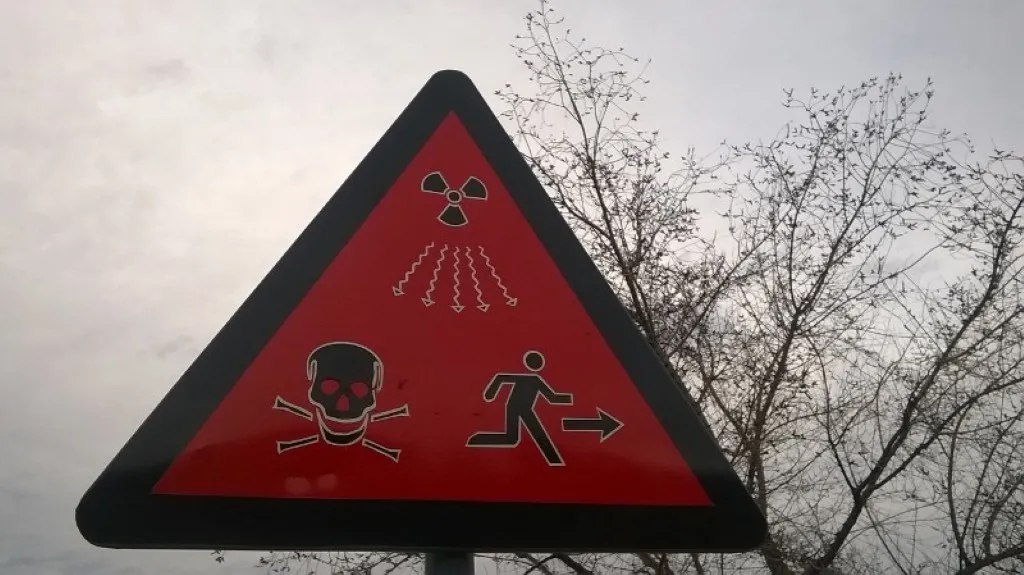
Kyrgyz members of parliament have approved an agreement between Kyrgyzstan and Russia on funds for the remediation of sites contaminated with uranium tailings. The ratification corresponds to a previous deal by the Kyrgyz government and Russian state company Rosatom under the framework of a Commonwealth of Independent States (CIS) program to rehabilitate territories affected by uranium production. Kyrgyz Deputy Emergency Situations Minister Azamat Mambetov, speaking at the session of the Kyrgyz parliament, described the details of the agreement with Russia regarding the uranium tailings ponds. "At our request, the Russian Federation will allocate an additional 2.141 million rubles ($23.1 million). According to the draft agreement submitted for approval, these funds will be used for work and delivery of equipment, [and] they are exempt from taxes. Five facilities in Kyrgyzstan will be rehabilitated," Mambetov said. According to the deputy minister, these are three tailing dumps left over from uranium mining in western Kyrgyzstan, and two tailing dumps in the south of the country. According to some sources, the first Soviet atomic bomb was filled with uranium mined in the south of Kyrgyzstan in the Batken region. It should be noted that the tailings dumps in Chatkal district (western Kyrgyzstan) currently threaten the ecology of not only Kyrgyzstan, but also of neighboring Uzbekistan. The Chatkal River, which flows near the tailings dams, is a transboundary river that flows into one of Uzbekistan's reservoirs -- and from which Tashkent and the Tashkent region draw their drinking water. Mr. Mambetov said that today the reclamation of uranium tailings sites in southern Issyk-Kul region and in Naryn region is almost completed. When the interstate program for reclamation of territories was drawn up in 2013, these tailings were considered the most problematic. According to Rosatom, 450,000 cubic meters of radioactive waste were concentrated in the Naryn region when work began. The work there is complicated by the fact that there is the risk of landslides in the area of the tailing dump. However, Russian specialists promise to fully complete the reclamation process by August 2024. The volume of accumulated radioactive waste in the Issyk-Kul region is 150 thousand cubic meters. Uranium mining there was conducted from 1952 to 1966. After the mining was completed, the surface of the site was covered with a special layer of soil. But over time, the ground has been eroded by surface waters and the site began to pose a threat to the local environment once again. The works there should also be completed this year. Recall that Lake Issyk-Kul, located just a few hundred meters from the facility, is Kyrgyzstan's main tourist attraction. According to the Kyrgyz Ministry of Emergency Situations, there are 92 burial sites of toxic and radioactive substances in the country. Of these, 23 tailings sites contain uranium elements, while the remaining ones contain radioactive rock residues, heavy metals and cyanide. The total volume of poisonous and hazardous substances is 2.9 million cubic meters. As reported by Rosatom, there are currently more than 40 large legacy nuclear...

Climate Change Threatens Kyrgyzstan With Potential Energy Crisis

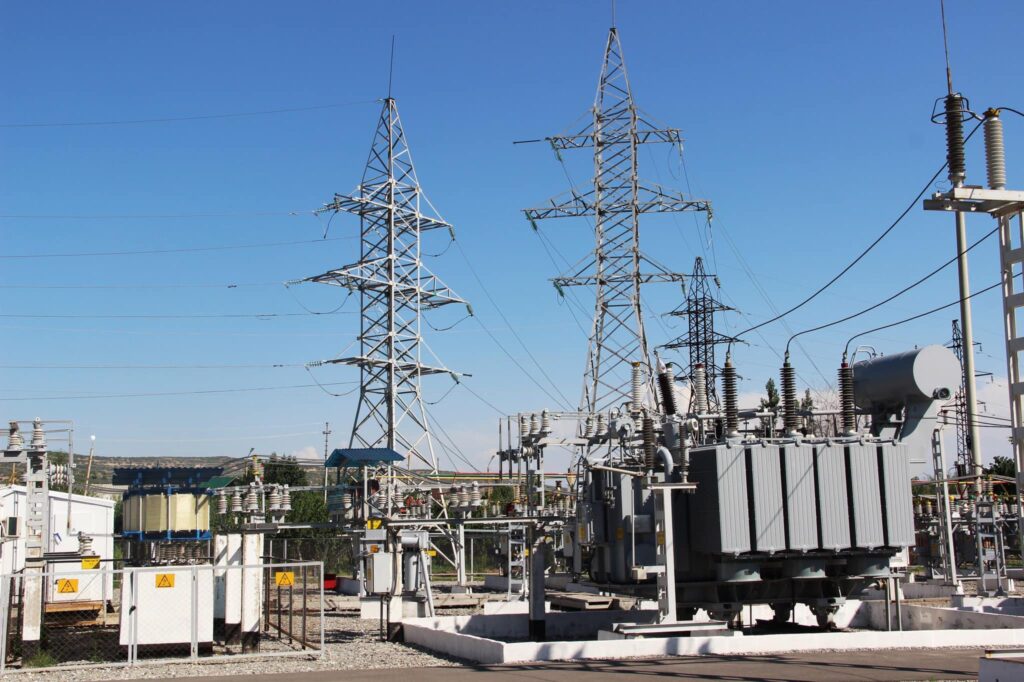
With electricity serving as Kyrgyzstan's main source of heating for a third of the country's population, national power consumption is tripling during the winter months, according to the Kyrgyz Energy Ministry. The ministry has drafted a law requiring "efficient and rational" use of electricity. Also, according to the draft law, authorities should develop efficient ways to generate electricity that take into account global climate change. "At present, the shortage of domestic energy resources and constantly rising prices for imported hydrocarbons are constraining factors in increasing production and fully meeting the needs of the population and the real sector of the republic's economy in the power grid," reads the background to the draft law. According to the ministry, the country's leadership has laid out the task of creating conditions for introducing progressive technologies, equipment and materials into Kyrgyzstan's energy sector that can ensure a qualitative improvement in the efficiency of domestic energy consumption. The background to the draft law states that in order to achieve this, the first priority is a system of strict record-keeping of electricity consumption by private companies and the population. The Ministry of Energy investigated and found that 35% of Kyrgyz people use electricity for space heating in winter. That's because electricity is cheaper than traditional energy resources such as gas and coal. Officials argue that the low level of electricity tariffs for the population does not incentivize energy conservation. International observers have repeatedly said that increasing the price of electricity is a necessity, but the country's authorities don't want to take unpopular measures. The Ministry of Energy believes that if every citizen is concerned about saving electricity and using it rationally, the country's dependence on power imports will be reduced. As the Times of Central Asia has previously reported, Kyrgyzstan has a serious imbalance in its energy system, despite the country's large water reserves. Electricity consumption grows by six% every year, forcing the authorities to import electricity from neighboring countries during the winter. But by the 2030s, the situation could seriously deteriorate. That's because most of the country's hydroelectric power plants, which generate 78% of Kyrgyzstan's electricity, are located on the Naryn River. Climate scientists predict that the flow of Kyrgyzstan's main river will decrease by 15-50% after 2030. That means the already low water levels in Kyrgyzstan's largest reservoirs could become even lower. This year, Kyrgyz authorities seriously intend to begin construction of a new large power plant, Kambarata-1, which will also be located on the Naryn River. The cost of the project is more than $3 billion. The new draft law from the Ministry of Energy notes that the Kyrgyz energy sector is highly vulnerable because the main power facilities depend on the flows of only one river. And the persistently warmer temperatures brought by climate change could worsen the industry's already considerable problems. That's why more small hydropower plants (HPPs) need to be built in Kyrgyzstan. Kyrgyz President Sadyr Japarov has repeatedly said that for energy security, more small HPPs need to be...

Plastic Bags, Utensils to Be Met With Fines in Kyrgyzstan’s Issyk-Kul Basin

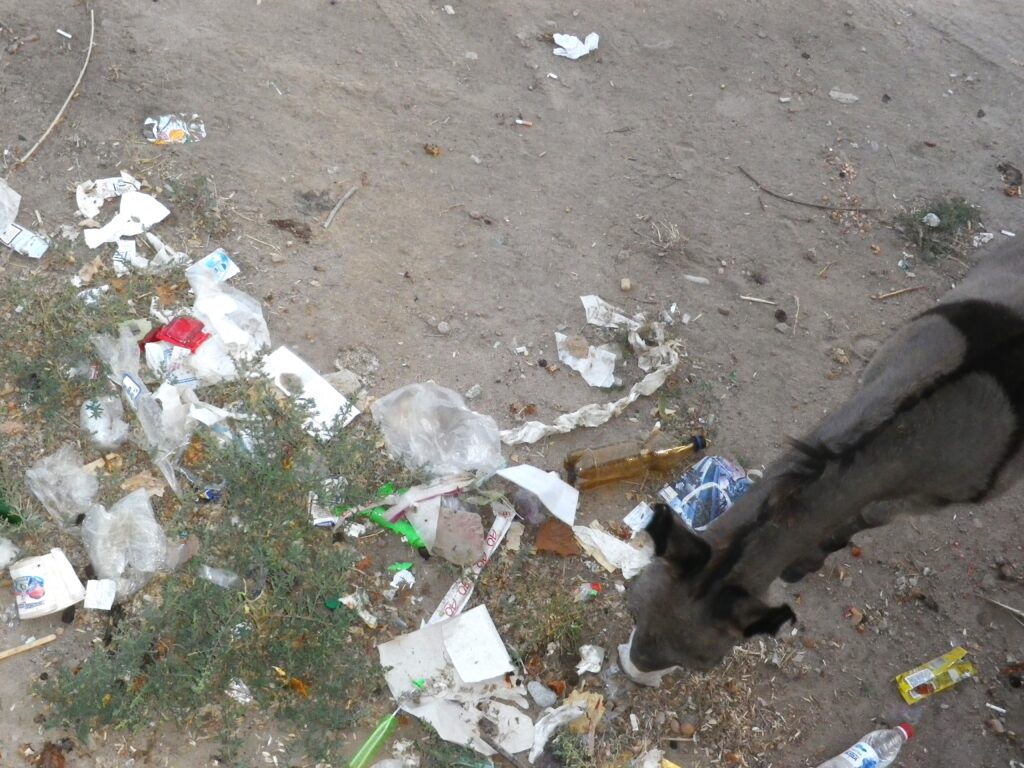
A law imposing fines on the import and sale of plastic bags and utensils is aimed at reducing the harmful effects of polymeric materials on health and the environment in the Kyrgyz Republic, according to the press service of the Ministry of Natural Resources, Ecology and Technical Supervision of Kyrgyzstan. The ban will take effect in the resort and recreational area of Issyk-Kul, as well as in reserves and natural parks of Kyrgyzstan. The ban was signed by President Japarov last year, since when deputies and the Ministry of Natural Resources of have been working on finalizing its details. One sticking point is that the authorities still can't decide whether to ban all plastic or to make an exception for some products. Shashlyk vendor, Issyk-Kul; Photo: TCA "The list of plastic products banned for circulation includes all kinds of disposable plastic utensils, disposable plastic packaging for food, plastic bottles, disposable plastic packaging for eggs, plastic coffee capsules, [and plastic] bags for food," the law states. But, as the Ministry of Natural Resources notes, the law is still being amended and there is a lack of clarity. Meanwhile, food vendors in the Issyk-Kul region say that not all citizens are ready to give up plastic bags and bottles. Therefore, while large stores in Issyk-Kul have stopped selling disposable tableware and replaced them with paper products and Tetra Pak substitutes, the law is poorly enforced in markets and smaller outlets. Lake Issyk-Kul; Photo: TCA According to the Ministry of Natural Resources, Ecology and Technical Supervision, the Supervision Service has not imposed a single fine so far, with only warnings being issued. However, they say that as soon as all of the controversial issues have considered, sellers and producers will be fined. So far, the law applies only to sellers and manufacturers of plastic products. Private individuals can use bags, bottles and disposable tableware. In January of this year, the Issyk-Kul Region became the first in the country where a ban on the circulation of plastic was introduced. From 2027, the law will be expanded to ban the use of plastic containers throughout the country. Businesses are not satisfied, however, complaining that their opinion was not taken into account in drafting the law. In their opinion, it would have been better to prescribe economic incentives for businesses. Currently, they argue, all soft drinks and vegetable oils are bottled in plastic bottles, and it's difficult to find replacements for them. In addition, Kyrgyzstan does not yet have large production facilities for alternative containers such as paperboard-and-foil Tetra Paks or glass bottles. Most plastic goods are imported into Kyrgyzstan from abroad, mainly from countries which are not planning to give up disposable plastic containers and are only increasing their production. Meanwhile, Kyrgyzstan's environmentalists have long been sounding the alarm. The biggest danger to the country's ecology is plastic bottles and cellophane bags, which can be scattered by the wind over a large area. For example, the problem of toxic plastic pollution is particularly acute in...

Kyrgyzstan Responds to Climate Change with Artificial Glaciers

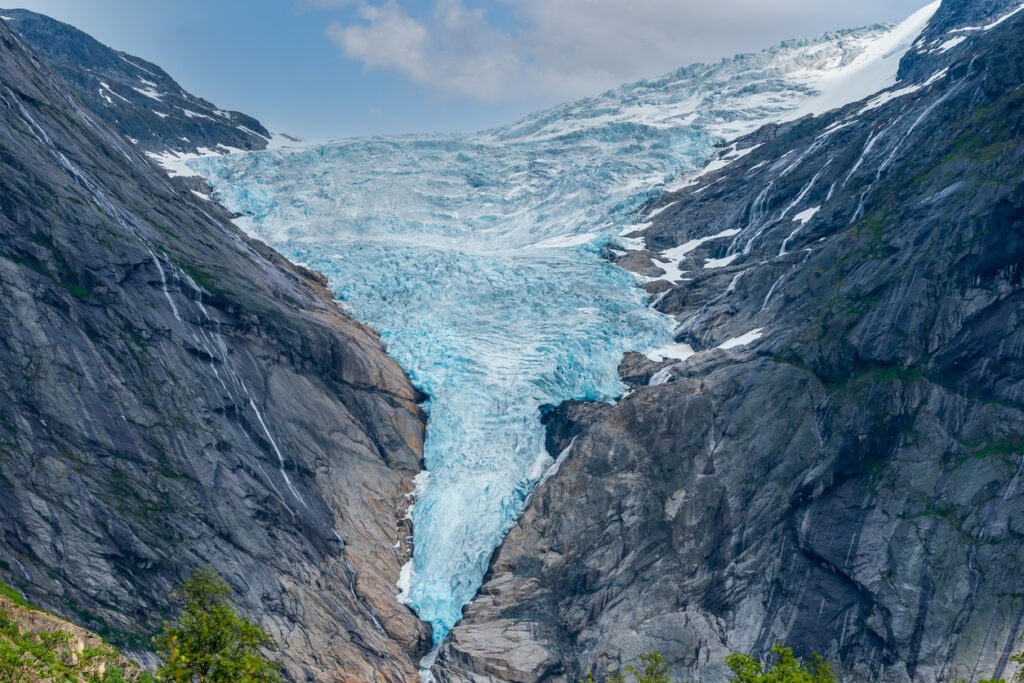
Global climate change, a topic which is always on the minds of scientists around the world, has particularly acute effects in landlocked Central Asia, where water has always been in limited supply, the effects of climate change - a topic increasingly on the minds of people around the world – have been particularly acute. In recent years, the shortage of water in rivers and lakes has had an extremely negative impact on agriculture and livestock farming. With 94% of the country's landmass covered by mountains, Kyrgyzstan feels the negative effects of climate change first and foremost. A harsh continental climate with a wide range of average annual temperature fluctuations (from +40℃ to -40℃) and low precipitation makes livestock farming difficult. In addition, the inaccessible mountainous terrain makes it challenging for local residents to access drinking water - the main source of which is mountain springs. Therefore, artificial glaciers have been created to combat the negative effects of rising temperatures. The first project of its kind appeared in the Republic in 2019 in the village of Jergetal in the Naryn Region. By 2021, the total number of artificial ice deposits had grown to eleven. These numbers continue to grow. In 2022, an artificial glacier was built in the remote pasture of Kara-Dobo in the Jalal-Abad region thanks to the efforts of local residents, and with technical assistance from the UN Food and Agriculture Organization (FAO) and financial support of $5,500 from the UN Peacebuilding Fund. The next year, more villages followed this example to preserve livestock farming in arid areas. The artificial ice in Orozbekov in the Batken Region is expected to help provide sustenance for livestock belonging to the residents of three villages. "Water for the glacier comes from a mountain spring through pipelines,” Chairman of the Pasture Users Committee of the Orozbekov village area, Eminbek Temirbayev explained. “This system works without requiring electricity.” It is believed that the world's first artificial glacier was created in the late 1980s by the engineer, the "Ice Man" Chewang Norphel from the Indian village of Skara in the western Tibetan Plateau. Later, having improved the methods for creating these glaciers, the specialist helped local villagers store and deliver water for fields and pastures. Artificial glaciers are created by freezing a natural spring of water that emerges from a mountain source. Gradually, ice towers of 30 to 50 meters high form around those springs. With warming temperatures, the glacier begins to melt, becoming a prolonged source of drinking water. The relative cheapness of such structures and the simplicity of their design make artificial glaciers a universal means of providing water to residents in arid and hard to access mountainous areas. People only need to install the pipes, and nature will take care of the rest. Given the successful experience with the installations in Kyrgyzstan, the authorities are planning to build four more artificial glaciers in 2024 as part of a joint project in the Batken and Leilek districts of Batken Region. According to the Kyrgyz Zhayity...