• KGS/USD = 0.01144 0%
  • KZT/USD = 0.00208 0%
  • TJS/USD = 0.10396 -0.29%
  • UZS/USD = 0.00008 0%
  • TMT/USD = 0.28490 0%
  • KGS/USD = 0.01144 0%
  • KZT/USD = 0.00208 0%
  • TJS/USD = 0.10396 -0.29%
  • UZS/USD = 0.00008 0%
  • TMT/USD = 0.28490 0%
  • KGS/USD = 0.01144 0%
  • KZT/USD = 0.00208 0%
  • TJS/USD = 0.10396 -0.29%
  • UZS/USD = 0.00008 0%
  • TMT/USD = 0.28490 0%
  • KGS/USD = 0.01144 0%
  • KZT/USD = 0.00208 0%
  • TJS/USD = 0.10396 -0.29%
  • UZS/USD = 0.00008 0%
  • TMT/USD = 0.28490 0%
  • KGS/USD = 0.01144 0%
  • KZT/USD = 0.00208 0%
  • TJS/USD = 0.10396 -0.29%
  • UZS/USD = 0.00008 0%
  • TMT/USD = 0.28490 0%
  • KGS/USD = 0.01144 0%
  • KZT/USD = 0.00208 0%
  • TJS/USD = 0.10396 -0.29%
  • UZS/USD = 0.00008 0%
  • TMT/USD = 0.28490 0%
  • KGS/USD = 0.01144 0%
  • KZT/USD = 0.00208 0%
  • TJS/USD = 0.10396 -0.29%
  • UZS/USD = 0.00008 0%
  • TMT/USD = 0.28490 0%
  • KGS/USD = 0.01144 0%
  • KZT/USD = 0.00208 0%
  • TJS/USD = 0.10396 -0.29%
  • UZS/USD = 0.00008 0%
  • TMT/USD = 0.28490 0%

Viewing results 211 - 216 of 296

President Japarov: Kyrgyzstan Should Provide Irrigation Water to Kazakhstan

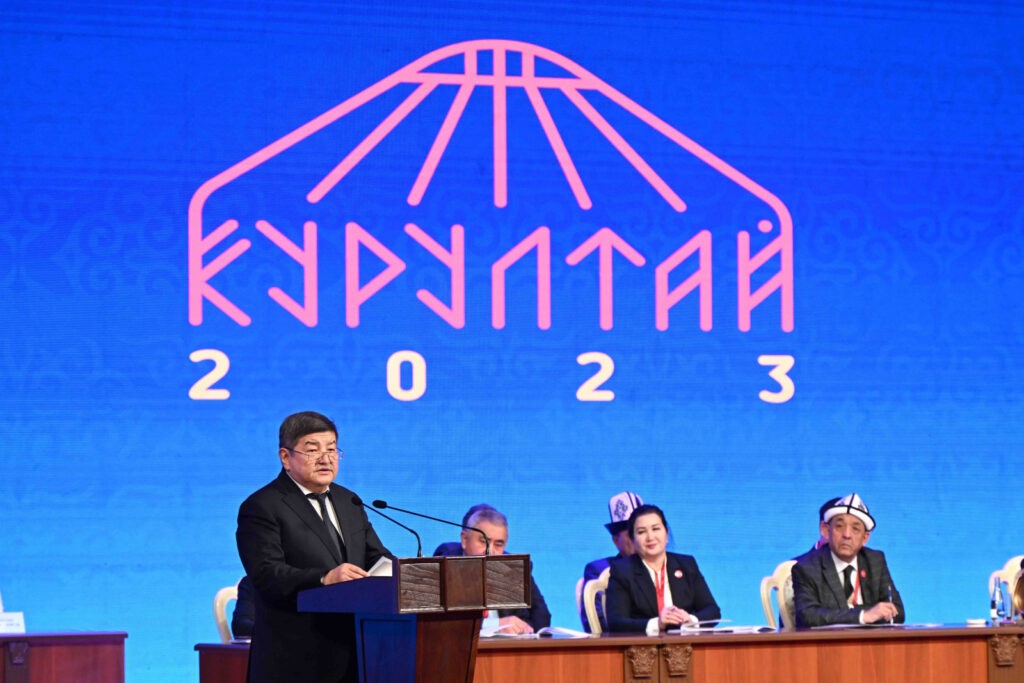
A UN resolution obliges upstream countries, including Kyrgyzstan, to provide water to downstream states, Kyrgyz President Sadyr Japarov said on December 16th at the second People’s Kurultai (Congress) in Bishkek. Answering questions from the Kurultai delegates, the president said that the water problem would be solved through the construction of so-called ten-day and daily regulation pools. Such reservoirs will allow for the accumulation of water in winter and for it to be freely shared with neighbors downstream. The president said that Kyrgyzstan does not have a sufficient number of reservoirs, and, therefore, this year there was not enough water to supply to Kazakhstan. This past summer, the southern regions of Kazakhstan experienced a severe shortage of irrigation water for their fields. The construction of such reservoirs, the president explained, will meet the needs of Kyrgyzstan and, in addition, there will also be enough water to supply to downstream neighbors. The president also announced plans to build reservoirs. The reservoir construction program will last until 2027, he said.

Kyrgyzstan to Start Exporting Electricity in 2026, Says PM

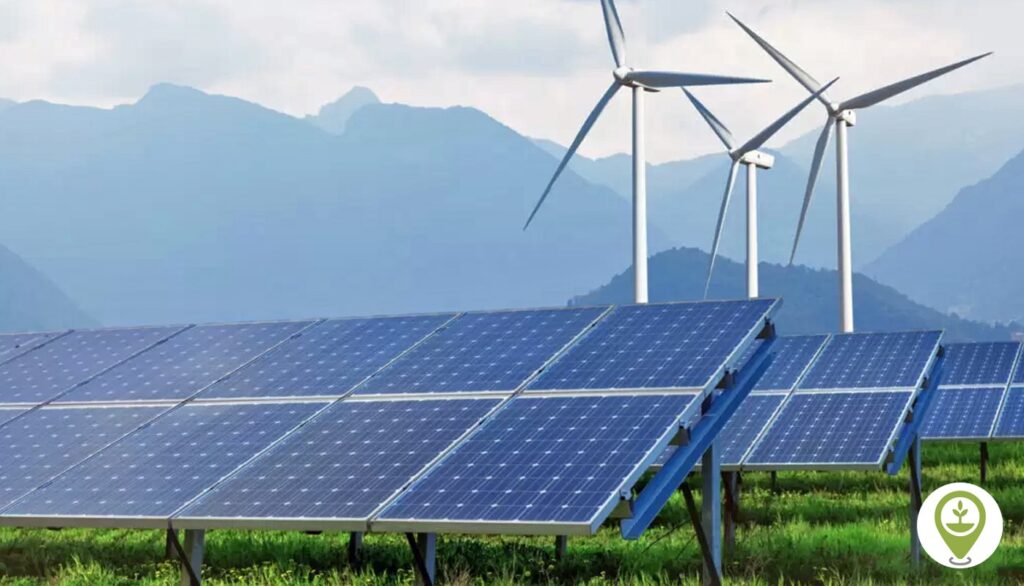
In 2026, Kyrgyzstan will reach a surplus in the power generation sector and begin exporting electricity, Akylbek Japarov, the Chairman of the Cabinet of Ministers-Head of the Administration of the President of the Kyrgyz Republic, said on December 15th at the People's Kurultai (an assembly of representatives of the public from all regions of the country). The prime minister said that in order to eliminate shortages of electricity, five small hydroelectric power plants of 71 MW each, five solar power plants, and a second hydroelectric unit at the Toktogul hydroelectric power plant were put into operation in 2023. In 2024, the country’s power generation capacity will increase by 178 MW, with 25 small hydroelectric power plants and another hydroelectric unit at Toktogul being put into operation. Solar power plants with a capacity of 700 MW and the hydroelectric power station Bala-Saruu with a capacity of 5 MW will also be commissioned in the Talas region. The head of the Cabinet of Ministers focused on the implementation of these large energy projects. “Preparatory work for Kambarata HPP-1 is being completed: tunnels, roads, lines,” Japarov said. “Negotiations are underway with the World Bank on the first phase of its construction. The design of the Kazarman, Kokomeren, Chatkal cascades, and the Kemin-Torugart line with a capacity of 500 kilovolts will begin. In 2024, work on the Kyrgyz part of the CASA-1000 [electricity transmission] project will be completed. In two years, the Kulanak hydroelectric power plant will start operating. In 2026, we will reach a surplus in the energy sector and begin exporting electricity.” The Chairman of the Cabinet of Ministers also said that in 2024, Kyrgyzstan will begin exporting coal to China from four deposits, and a coal enrichment plant will be built in the Naryn region by 2025.

World Bank to Help Kyrgyzstan Reduce Air Pollution

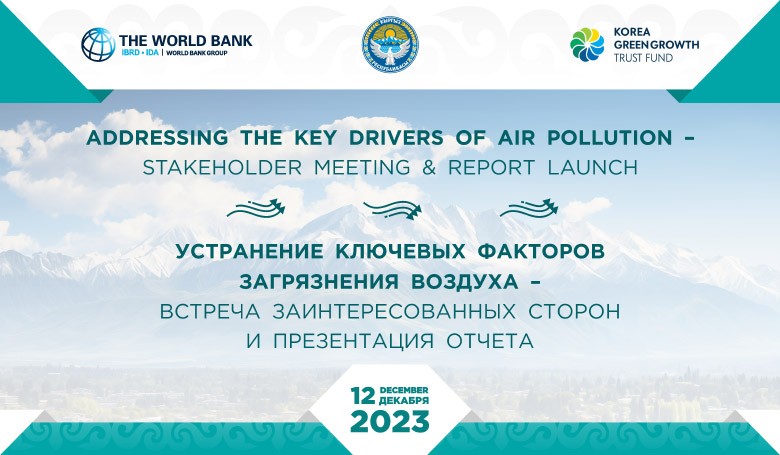
The World Bank and the Ministry of Natural Resources, Ecology and Technical Supervision (MNRETS) of the Kyrgyz Republic on December 12th hosted a stakeholder meeting to launch the World Bank's new report, Air Quality Analysis for Bishkek: PM2.5 Source Apportionment and Emission Reduction Measures, according to a statement on the World Bank website. The World Bank conducted this study in close coordination with MNRETS Hydrometeorological Service (Kyrgyzhydromet) under the Ministry of Emergency Situations and Bishkek Municipality to evaluate the air quality in Bishkek, focusing on PM2.5 pollution. Exposure to fine inhalable particles (PM2.5 with a diameter of 2.5 micro-meters or less) poses serious health risks, including respiratory infections, cancer, cardiovascular diseases, and premature deaths. In Bishkek, the average annual PM2.5 concentrations in 2022 surpassed the WHO guideline value of 5 µg/m3 by nearly sevenfold. During the last several winters, average daily concentrations of PM2.5 were often above 200 µg/m3, surpassing the WHO guideline of 15 µg/m3 by more than 13 times and placing Bishkek among the world’s most polluted cities. The losses caused by air pollution in Bishkek are estimated to be equivalent to 1.2% of the Kyrgyz Republic’s GDP, while air pollution at country level is estimated cost 5.1% of the GDP. In line with priorities and recommendations identified in the study, the World Bank jointly with MNRETS, KyrgyzHydromet and Bishkek Municipality has prepared a $50 million Kyrgyz Republic Air Quality Improvement Project to help the country reduce air pollution and the adverse effects it has on public health and the economy. This project is expected to not only directly benefit residents of Bishkek by improving the city’s air quality, but will also support the establishment of a sound Air Quality Management System that will drive policy actions for air quality improvement, aiming to mitigate the impact of air pollution on public health and economic development across the country.

Green Pitching Event at COP28 Focuses on Central Asia’s Sustainable Future

As reported on the United Nations Development Programme (UNDP) website, the UNDP in Kazakhstan organized a Green Projects Pitching Event for the countries of Central Asia, which aimed to spotlight innovative and sustainable initiatives across the region, showcasing a collaborative commitment to green growth and climate resilience. The 28th United Nations Climate Change Conference, or COP28, kicked off on November 30th and continues through to December 12th in Dubai, United Arab Emirates, with a growing urgency to increase action for meaningful change. The countries of Central Asia are presenting a common regional position on the most pressing climate issues at global scale, adopting the cooperative approach: Five countries – one region – one vote. As part of a region particularly vulnerable to the effects of climate change, the Central Asian nations are actively participating in the COP28 climate policy negotiations, advocating for commitments to reduce emissions, achieve carbon neutrality, and secure access to climate finance for the region. “The climate crisis knows no borders; it is a challenge that transcends individual nations,” said Nuri Ozbagdatli, UNDP Climate Change Specialist for Europe and Central Asia. “Success in addressing this global issue requires collective action. Together, the global community must pool our expertise, resources, and innovation to tackle climate change comprehensively, ensuring a sustainable future for all. In the countries of Central Asia, we strongly believe in the vast potential offered by the region's nature, population, and especially its youth. These factors form crucial elements in our joint endeavors to confront and overcome the challenges posed by climate change." The event was opened by the Ministers of Ecology from three Central Asian countries: Kazakhstan, Kyrgyzstan, and Uzbekistan. "Achieving a substantial reduction in greenhouse gases requires significant financial investment,” said Yerlan Nyssanbayev, Minister of Ecology and Natural Resources of Kazakhstan, in his welcoming speech. “The strategy of low-carbon development adopted by Kazakhstan this year estimates a net investment of US$610 billion in low-carbon technologies. At the same time, the importance of climate financing, which helps societies and economies build resilience and adapt to the impacts of climate change, cannot be overstated."

WFP and Switzerland to Strengthen Rural Communities’ Resilience to Extreme Weather

As outlined in a release on its website, the United Nations World Food Program (WFP) in the Kyrgyz Republic, with financial support from the Government of Switzerland, is launching the Weather Index-Based Insurance Pilot Project, an initiative aiming to strengthen the resilience of rural communities to extreme weather-related risks and shocks. The project, implemented in partnership with the Ministry of Agriculture and other line ministries, will integrate climate and disaster risk financing into national social protection systems. Developed in collaboration with international experts and piloted in three districts of the mountainous Naryn province - Jumgal, Ak-Talaa and Naryn – the insurance project aims to assist local governments in protecting livestock farmers from extreme weather events, such as low fodder availability in pastures and the high price of fodder during extreme winters and drought. Based on the pilot results, it will be expanded to other priority regions. “The Kyrgyz Republic, with its beautiful landscapes and natural wonders, is unfortunately no stranger to the impacts of extreme climate and the accompanying risks. The vulnerability of this region calls for immediate action, and it is inspiring to see the proactive measures being taken to mitigate risks associated with the changing climate and enhance the resilience of local communities,” says Kojiro Nakai, WFP Kyrgyz Republic Representative and Country Director. “The Government of Switzerland’s funding this vital project demonstrates our joint commitment towards creating a sustainable and resilient future for the country.” Under the 2023 pilot, the project will be rolled out during the extreme summer period. The pilot will insure local governments against drought for a maximum sum of around US$ 1.2 million, with an estimated premium amounting to US$ 200,000. The insurance coverage is expected to benefit 4,500 smallholders from vulnerable communities. This initiative marks a significant step forward in building climate resilience within the Kyrgyz Republic. By leveraging international expertise and collaboration, WFP and its partners are actively engaged towards reducing vulnerability and exposure to shocks, by strengthening the adaptive capacities of rural communities.

Blogger and Activists Placed in Pretrial Detention Following Protest over Drinking Water

As reported by RFE/RL on July 18th, the Sokuluk district court in northern Kyrgyzstan has ordered the detention of prominent blogger Ertai Iskakov along with activists Bakyt Balbaev and Baktybek Bekbolotov until September 15. Their detention relates to a recent demonstration held by two villages urging the restoration of drinking water supplies. The charges against the men include hooliganism and the unlawful obstruction of a highway. Lawyers representing the men informed said that their clients pleaded not guilty. Iskakov, a well-known blogger recognized for addressing social issues in his content. Several villages in close proximity to Bishkek, the capital, have encountered prolonged shortages in drinking water supplies.