• KGS/USD = 0.01144 0%
  • KZT/USD = 0.00212 0%
  • TJS/USD = 0.10456 0.19%
  • UZS/USD = 0.00008 0%
  • TMT/USD = 0.28490 0%
  • KGS/USD = 0.01144 0%
  • KZT/USD = 0.00212 0%
  • TJS/USD = 0.10456 0.19%
  • UZS/USD = 0.00008 0%
  • TMT/USD = 0.28490 0%
  • KGS/USD = 0.01144 0%
  • KZT/USD = 0.00212 0%
  • TJS/USD = 0.10456 0.19%
  • UZS/USD = 0.00008 0%
  • TMT/USD = 0.28490 0%
  • KGS/USD = 0.01144 0%
  • KZT/USD = 0.00212 0%
  • TJS/USD = 0.10456 0.19%
  • UZS/USD = 0.00008 0%
  • TMT/USD = 0.28490 0%
  • KGS/USD = 0.01144 0%
  • KZT/USD = 0.00212 0%
  • TJS/USD = 0.10456 0.19%
  • UZS/USD = 0.00008 0%
  • TMT/USD = 0.28490 0%
  • KGS/USD = 0.01144 0%
  • KZT/USD = 0.00212 0%
  • TJS/USD = 0.10456 0.19%
  • UZS/USD = 0.00008 0%
  • TMT/USD = 0.28490 0%
  • KGS/USD = 0.01144 0%
  • KZT/USD = 0.00212 0%
  • TJS/USD = 0.10456 0.19%
  • UZS/USD = 0.00008 0%
  • TMT/USD = 0.28490 0%
  • KGS/USD = 0.01144 0%
  • KZT/USD = 0.00212 0%
  • TJS/USD = 0.10456 0.19%
  • UZS/USD = 0.00008 0%
  • TMT/USD = 0.28490 0%

Viewing results 91 - 96 of 126

Kyrgyzstan’s Special Services Take On The Drug Mafia

The head of Kyrgyzstan's National Security Service, Kamchybek Tashiyev, has commented that unless it is curbed, the country's already highly complex drug situation is likely to be beyond control within ten years. Speaking at a meeting with heads of Kyrgyzstan's police departments, Tashiyev said that the number of both drug distributers and drug users has soared recently, largely among people under 25, and growing drug abuse threatens to reduce the contribution that young Kyrgyz can make to the country. In a move to combat the problem, when evaluating the work of law enforcement agencies, their success in stopping drug trafficking will be factored in. Tashiyev admitted that 12 law enforcement officers have been found to have links to the drug mafia in the past year alone. According to operational data, drug traffickers have flourished in the online space, using modern technology -- even payment goes through electronic wallets. Tashiyev added: "Drugs which used to be [farmed] have now been replaced by synthetic drugs, and the number of laboratories manufacturing these drugs has increased. Substances are sourced from abroad and the drugs are then manufactured in our country." "If the drug situation in the country remains at the same level as it is now, our society will face a big problem in ten years at most. Therefore, all law enforcement agencies must begin a ruthless fight against those who distribute drugs. All measures within the law will be applied to such persons," Tashiyev emphasized. He demanded special control over schools, universities, nightclubs and cafes. Kyrgyzstan is considered a transit country for illegal drugs because of its close proximity to Afghanistan. The estimated number of people who use substances on a regular basis has reached 50,000.
Traffickers of Human Organs Detained in Kyrgyzstan

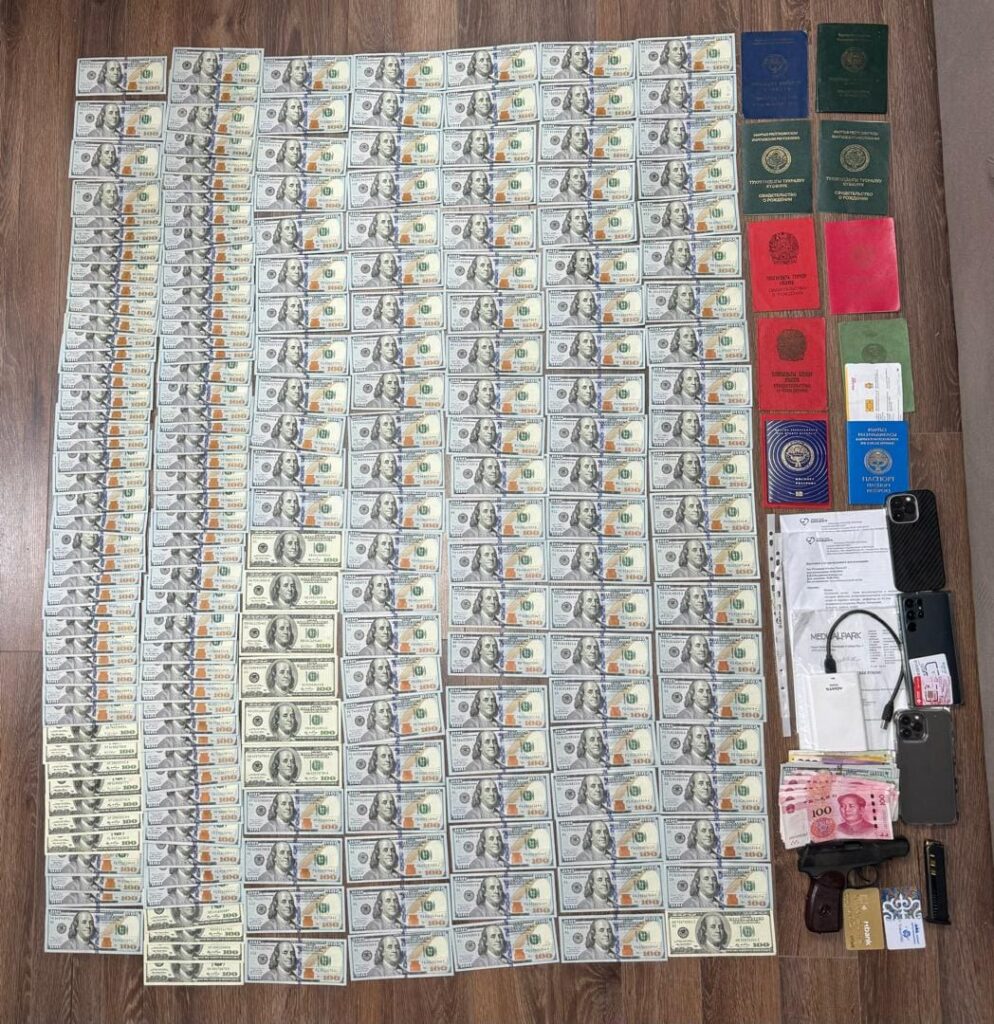
The State Committee for National Security (SCNS) of Kyrgyzstan has detained members of an international criminal group at Manas Airport. The criminals had organized a black-market channel for the illegal sale of human organs abroad. All detainees are citizens of the Kyrgyzstan. According to the investigation, the criminal group looked for patients in foreign clinics who were willing to pay large sums of money for the transplantation of a healthy organ. The gang then found donors in Kyrgyzstan, who were fraudulently induced into undergoing organ-harvesting operations. "Donors necessarily underwent a medical examination, where, regardless of [their overall health], always issued a positive conclusion, after which the organizers through corrupt schemes made false documents on the relationship with the patient necessary for submission to the clinic, where the operation will be held," said the SCNS. Investigators found that the donors received between $1,000 and $7,000 for their kidneys. The recruiters of those donors earned about $3,000, and the organizers of the criminal channel received between $30,000 and $70,000. The SCNS said that all necessary measures are currently being taken to identify all those involved in this crime. Earlier this year, Kyrgyz president Sadyr Zhaparov signed a law on the protection of citizens' health, according to which private and public hospitals can engage in organ transplantation. However, a major stipulation requires that the organ recipient must be a relative of the donor. This loophole in the legislation was exploited by criminals by issuing fictitious documents on family kinship.

Kyrgyz Authorities Name Causes of Military Helicopter Crash

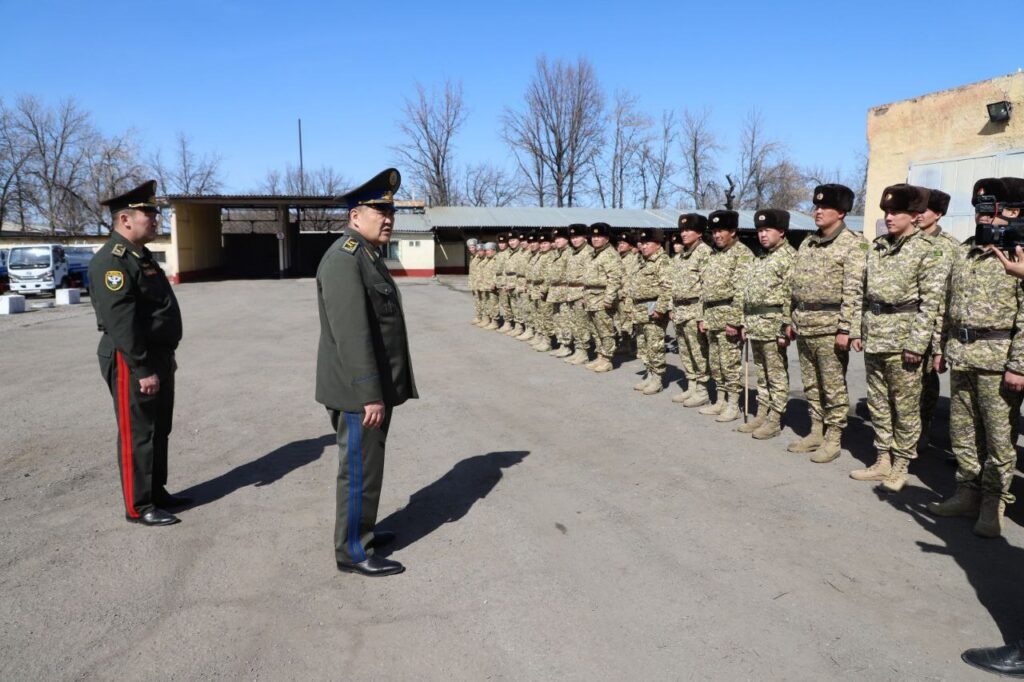
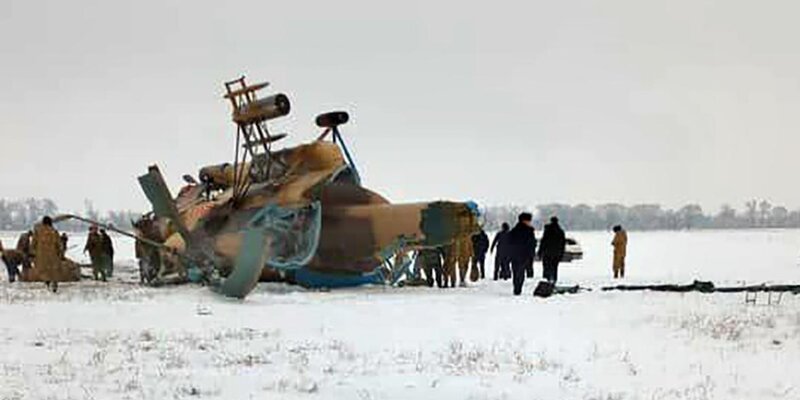
The Chief of Staff of the Kyrgyz Armed Forces has told reporters that the helicopter that crashed outside of Bishkek in January was in good order at the time. Ruslan Mukanbetov named severe weather conditions and human error as the causes of the crash. On 17 January a Mi-8 MTV helicopter belonging to the Kyrgyz army crashed on the outskirts of the capital during a training flight. Eleven people were on board at the time, and one military serviceman died; the rest received injuries of varying severity. Two Kyrgyz servicemen were sent to Turkey for treatment. After the crash, the Kyrgyz military prosecutor's office opened a criminal case, and investigators began deciphering the black box. At the same time the Ministry of Defense also began an investigation. According to the Defense Ministry's press service, the commander of the country's Air Defense Forces, Kylychbek Aidaraliev, and some of his subordinates were suspended while the investigation was carried out. Aidaraliev was ultimately dismissed from his post, and a temporary acting commander of the country's Air Defense Forces has been appointed.

Kyrgyzstan Minister Says Case Against Media Workers Not About Politics

BISHKEK, Kyrgyzstan – Kyrgyzstan is pushing back against international criticism of a high-profile prosecution of media workers, saying the case is not politically motivated and that those facing charges of inciting mass unrest are poorly educated people masquerading as journalists. Minister of Internal Affairs, Ulan Niyazbekov, said the case against 11 former and current workers for media outlet Temirov Live stems from the publication of false information that flouts the basic rules of journalism. Free speech advocates say Kyrgyzstan is clamping down on what was once a relatively permissive environment for the media. “If they continue to write everything that comes to their mind without facts and evidence, just saying that they are journalists, then we will arrest them,” Niyazbekov said in an interview with Kabar, Kyrgyzstan’s national news agency. He said most of the people accused in the Temirov Live case are “bloggers,” not journalists. “They spread false information because they don't have education and make people panic. And there is no need to make noise about them saying that they are journalists,” he said. The minister’s comments were published on Thursday, two days after a court in Bishkek ordered the transfer of four of the journalists from prison to house arrest. Four others accused in the same case remain in pretrial detention. If convicted, they could be sent to prison for years. Temirov Live is a YouTube-based outlet that has published and broadcast reports on alleged corruption by senior officials. It was founded in 2020 by Bolot Temirov, who was expelled from Kyrgyzstan in 2022. He has said the ongoing case against his colleagues is in retaliation for Temirov Live’s investigations into alleged government misconduct. In an interview with Kabar, Niyazbekov noted that there were potential penalties in Europe and the United States for journalists who spread false or unconfirmed information. “They don't accuse someone without proof,” he said. “If someone tries to slander someone or spread false information about the activities of the authorities, they will be brought to court and pay a large compensation or be imprisoned.” The government in Kyrgyzstan tolerates criticism but its “only demand” is that critics “gather evidence or make the information very precise and then release it to the public,” Niyazbekov stated.

Kyrgyzstan Court Moves Four Journalists from Prison to House Arrest

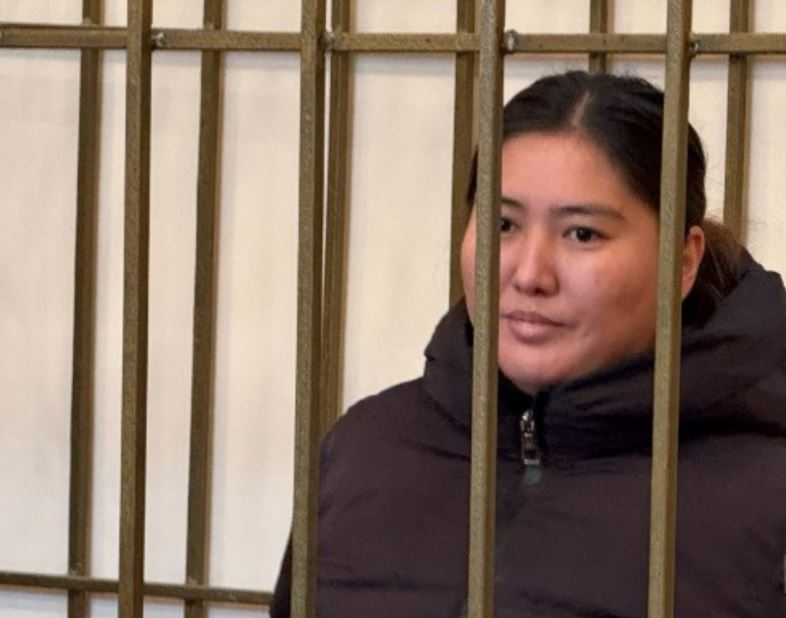
BISHKEK, Kyrgyzstan - Four journalists in Kyrgyzstan who were jailed in January on suspicion of inciting mass unrest have been moved to house arrest, while four others accused in the same case remain in pretrial detention. A district court in Bishkek ordered the release on Tuesday of the former employees of Temirov Live, which supporters say is being targeted by the government because of its reports – some on YouTube - on alleged corruption involving senior officials. Police concluded that Temirov Live reports “contain signs of calls for mass chaos,” according to media outlet Politklinika. The four journalists transferred from jail to house arrest are Tynystan Asypbekov, Saipidin Sultanaliev, Joodar Buzumov, and Maksat Tajibek uulu. Those still in jail are Temirov Live director Makhabat Tajibek kyzy; two other journalists with the outlet, Aike Beishekeyeva and Azamat Ishenbekov, and a former Temirov Live journalist, Aktilek Kaparov. A total of 11 former and current Temirov Live workers face charges in the case that could send them to jail for years if they are convicted. Free speech advocates say the prosecution is part of an increasingly restrictive rollback from a time when media enjoyed relative freedom in Kyrgyzstan. The conditions of the journalists still in prison came under further scrutiny this past weekend when Makhabat Tajibek kyzy, the Temirov Live director, alleged that she and other detainees not involved in her case were beaten. Authorities deny the allegation.

Kyrgyzstan Assassination Plot: Suspected Crime Boss Raimbek Matraimov Held in Pretrial Detention

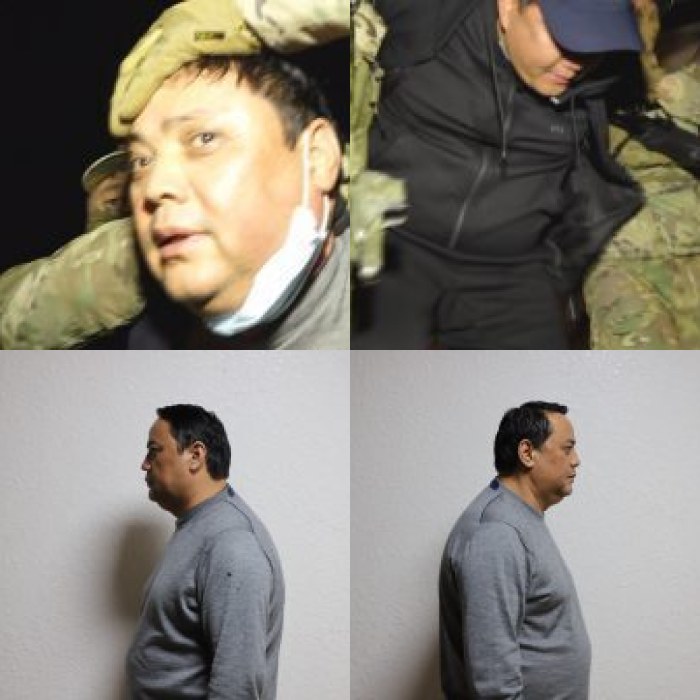
The corrupt Kyrgyz oligarch Raimbek Matraimov will spend the next month in pretrial detention in Bishkek, after the former deputy head of Kyrgyzstan’s customs service was extradited from Azerbaijan on Tuesday. Matraimov, once known as the country’s “kingmaker” for the influence his clan held over the Kyrgyz Government, was found to have profited from corrupt schemes he ran at the customs service, laundering at least $700 million for himself by allowing companies to evade import fees. In October 2020, upon the formation of a new government led by President Sadyr Japarov, Matraimov was ordered to repay $22.3 million in damages and restitution back to the state. However, rather than fall in line with Kyrgyzstan’s crackdown on organized crime, in recent years Raimbek Matraimov appears to have remained outside the law. The former official is now suspected of orchestrating a recent plot to assassinate members of Kyrgyzstan’s current leadership in retribution for the government’s fight against organized crime. It is the discovery of this plot that led Kyrgyz law enforcement to request Matraimov’s extradition this week from Baku, Azerbaijan’s capital, along with his three brothers, Tilek, Islambek, and Ruslan. Of the Matraimov brothers’ seizure in Azerbaijan, the Kyrgyz State Committee for National Security (CNSK) commented: “In this regard, on March 22, employees of the CNSK carried out operational and investigative measures, as a result of which all the above-mentioned persons were detained [in Baku]. Currently, investigative measures are being carried out to bring them to justice, according to the laws of Kyrgyzstan.” On Wednesday, March 27, the Birinchi Mai district court in Bishkek ruled that Raimbek Matraimov must stay in pretrial detention at the CNSK’s detention center until at least April 26. Officially, he is suspected of “money laundering and the abduction and illegal incarceration of unnamed individuals”. Matraimov had already been placed on the U.S. Treasury Department’s sanctions list, and the Global Magnitsky Human Rights Accountability Act (the ‘Magnitsky Act’), for his previous crimes at the customs service.