• KZT/USD = 0.00213
  • TJS/USD = 0.10810
  • UZS/USD = 0.00008
  • TMT/USD = 0.29760
  • KZT/USD = 0.00213
  • TJS/USD = 0.10810
  • UZS/USD = 0.00008
  • TMT/USD = 0.29760
  • KZT/USD = 0.00213
  • TJS/USD = 0.10810
  • UZS/USD = 0.00008
  • TMT/USD = 0.29760
  • KZT/USD = 0.00213
  • TJS/USD = 0.10810
  • UZS/USD = 0.00008
  • TMT/USD = 0.29760
  • KZT/USD = 0.00213
  • TJS/USD = 0.10810
  • UZS/USD = 0.00008
  • TMT/USD = 0.29760
  • KZT/USD = 0.00213
  • TJS/USD = 0.10810
  • UZS/USD = 0.00008
  • TMT/USD = 0.29760
  • KZT/USD = 0.00213
  • TJS/USD = 0.10810
  • UZS/USD = 0.00008
  • TMT/USD = 0.29760
  • KZT/USD = 0.00213
  • TJS/USD = 0.10810
  • UZS/USD = 0.00008
  • TMT/USD = 0.29760

Viewing results 49 - 54 of 127

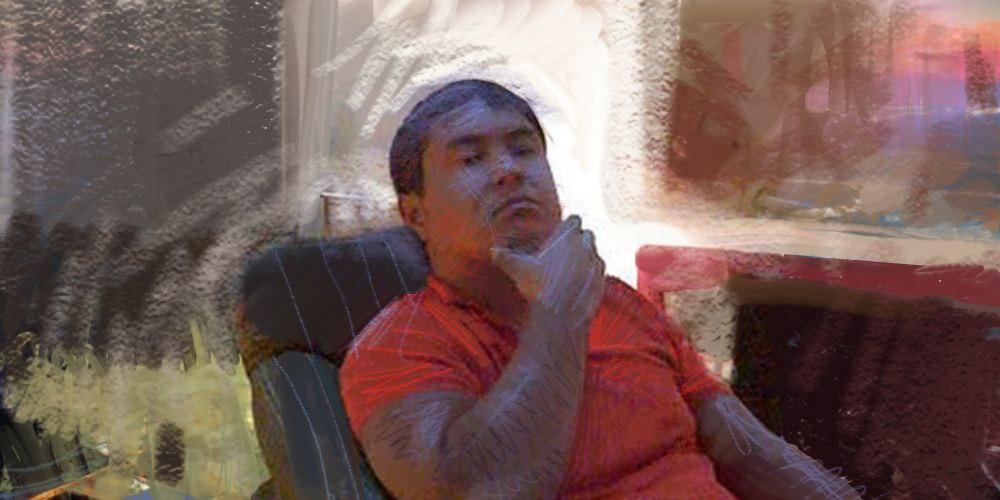
Capital Over Confinement in Sentencing of Raimbek “Millions” Matraimov

Raimbek Matraimov, infamously known as “Millions” for his tremendous wealth, once wielded immense power in Kyrgyzstan. Rising to prominence as deputy chairman of Kyrgyzstan’s Customs Service from 2015 to 2017, Matraimov’s tenure became synonymous with corruption and organized crime. His activities, alleged to have funneled monumental sums of money through shadowy operations, fashioned him not only as a dominant figure within the Customs Service but also as a key player in Kyrgyzstan’s criminal underworld.   The Rise of Raimbek Matraimov During his time in the Customs Service, Matraimov amassed an extraordinary fortune. His influence extended beyond bureaucratic corridors, infiltrating the political landscape of Kyrgyzstan. Whispers of his role as an organized crime leader were persistent, yet his wealth and connections left him virtually untouchable in those years. Speculation about his political influence peaked after the dramatic rise of Sadyr Japarov to Kyrgyzstan’s presidency in October 2020. Japarov’s elevation, from prison to the highest office amidst a tide of civil unrest, prompted many to suspect that Matraimov’s financial backing played a decisive role in the ascent. However, despite Japarov-appointed head of Kyrgyzstan’s State National Security Committee (GKNB), Kamchybek Tashiyev once describing him as a “good guy,” if Matraimov hoped to shelter under Japarov's influence, his expectations were soon dashed.   The Turning Point Japarov’s administration showed no hesitation in targeting Kyrgyzstan’s entrenched criminal networks. With Matraimov having bounced in and out of jail since October 2020, by October 2023, the GKNB had escalated their crackdown on organized crime, culminating in the death of Kamchybek Kolbayev, the country’s top crime kingpin - a member of the “Bratva” linked to heroin trafficking - during a security operation in Bishkek. Sensing the shifting winds, Matraimov fled Kyrgyzstan shortly after Kolbayev's death. However, his flight only seemed to intensify the resolve of the government in his homeland, where the authorities began seizing Matraimov's assets and investigating his allies. Among those implicated was Matraimov’s brother, Iskender, a parliamentary deputy with significant political connections.   Extradition and Arrest In late March 2024, Kyrgyzstan’s crackdown on Matraimov escalated when the GKNB detained five Azerbaijani nationals in Bishkek. These individuals, suspected members of a transnational organized crime group, were allegedly dispatched by Matraimov from Azerbaijan to assassinate top Kyrgyz government officials. This accusation  - one of countless similar claims regarding assassination attempts made by the Kyrgyz authorities this year alone - led to diplomatic action, and March 26, 2024, Matraimov along with three of his brothers were extradited from Baku to Kyrgyzstan. Upon his arrival, Matraimov was immediately taken into custody. The legal net tightened further as the case against him unfolded, with allegations of illegal border crossings, hooliganism involving weapons, money laundering, and broader accusations regarding his criminal empire.   Asset Seizures and Financial Settlements Prior to his sentencing, Matraimov had reportedly returned $200 million to the state budget, equivalent to over 17 billion Kyrgyz som, to be released from custody to house arrest pending his trial. Authorities also confiscated significant assets, including a 14-story business center in...

Kyrgyz Businessman Tashov, Accused of Plot to Seize Power, Attempts Suicide in Court

Imamidin Tashov, a Kyrgyz businessman and owner of the KG Group construction company, reportedly attempted suicide during court proceedings in his high-profile case involving allegations of plotting a violent seizure of power. According to media reports, Tashov attempted to slit his throat, prompting an immediate response from those present. Journalists and relatives were swiftly removed from the courtroom, and emergency medical personnel were called to the scene. Eyewitnesses reported that Tashov was carried out of the courthouse to receive medical attention. However, details about his condition and the specific circumstances of the incident remain unclear at this time. Tashov was detained in April 2024 by SCNS officers after illegally crossing the border between Kazakhstan and Kyrgyzstan. Authorities allege that he was on his way to the town of Kara-Balta to establish a temporary headquarters and mobilize supporters for protests aimed at seizing power. This is not the first time Tashov has engaged in self-harm. Earlier this year, he injured himself in the abdomen, reportedly sustaining two cuts. His lawyer, Samat Matsakov, claimed that these acts were deliberate attempts to attract public attention. The State Committee for National Security (SCNS) similarly described the previous incident as premeditated and aimed at garnering sympathy. Adding to the controversy, Tashov has accused individuals claiming to be SCNS officers of kidnapping him and demanding a ransom of 100 million Kyrgyz soms ($1.15 million). These allegations have further polarized public opinion and drawn widespread attention to his case. On November 29, Tashov’s lawyer Matsakov was arrested on charges of fraud and document forgery, as reported by The Times of Central Asia. The legal troubles surrounding Tashov and his defense team have only added to the public and media interest in the case. The dramatic developments in Tashov’s case reflect the tensions surrounding his high-profile trial. As questions persist about his actions and the broader implications of his allegations, the case continues to attract significant attention across Kyrgyzstan.

Following Corruption Arrests in Kyrgyzstan, MP Calls for PM Japarov to Resign

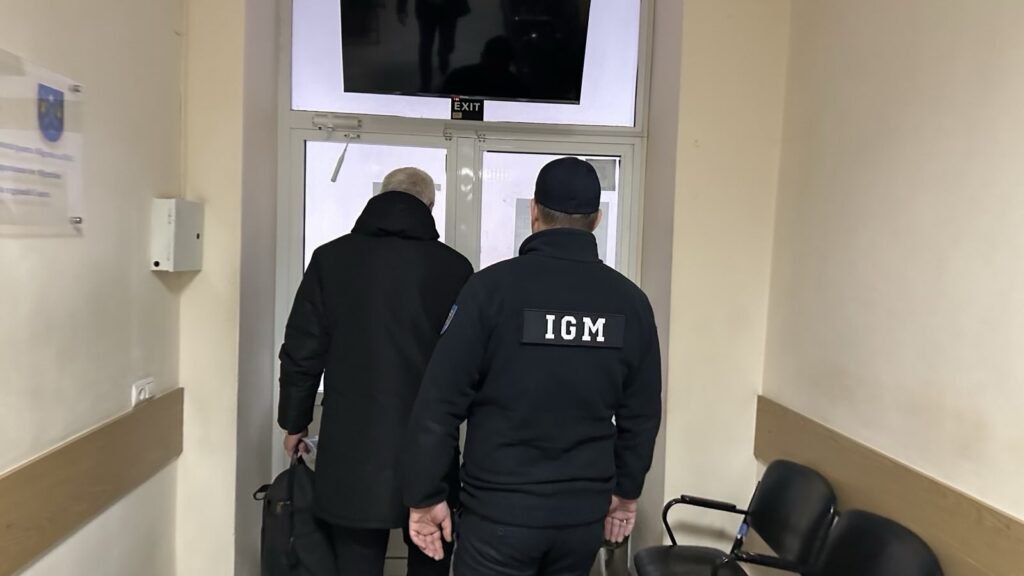
At a recent parliamentary session, Kyrgyz MP Elvira Surabaldiyeva called for the resignation of Prime Minister Akylbek Japarov following the arrest of senior officials from the State Tax Service (STS). The arrests stemmed from allegations of a corruption scheme involving electronic invoices that reportedly cost the state 3.2 billion KGS (approximately U$37 million). Accusations Against the Government Surabaldiyeva directly accused Japarov and his government of corruption. Addressing the Minister of Economy and Commerce present at the session, she questioned the administration’s inability to curb bribery. “You collect money from the people, but you cannot eliminate bribery in your country. Why are you surprised that people don’t trust you?” she said. “The Deputy Chairman of the Cabinet of Ministers has acknowledged that the corruption scheme caused 3.2 billion KGS in damage. This is a colossal amount. At the very least, the Prime Minister should resign, and the head of the tax service should face jail time.” Government Response Deputy Prime Minister Edil Baisalov responded to Surabaldiyeva’s claims on social media, defending the government’s record and arguing that tax collections in Kyrgyzstan have nearly tripled over the past five years due to improved governance and administration. “The people see what their taxes are used for and recognize the state’s development,” Baisalov stated. He added that the era of bribing tax inspectors is over, emphasizing the government’s commitment to a “relentless struggle” against corruption within the state apparatus. Background on Corruption Arrests Earlier, Kyrgyz special services arrested three senior tax officials from the STS, accusing them of orchestrating a systematic corruption scheme. The officials face charges under the article “Abuse of official position”. Despite these measures, the accusations against Japarov’s administration have sparked broader discussions about the government’s ability to effectively combat corruption and restore public trust.

UN Expresses Concern Over Arrest of Kyrgyz Lawyer Samat Matsakov

The UN Special Rapporteur on the rights of human rights defenders, Mary Lawlor, has voiced concern over the arrest of lawyer Samat Matsakov in Bishkek. In a statement published on social media platform X, Lawlor highlighted potential violations of procedural safeguards. “Received disturbing news about the arrest of human rights lawyer Samat Matsakov in Kyrgyzstan, which is a clear violation of procedural safeguards for arrest and fair trial standards. Lawyers must be protected from harassment and persecution,” she wrote. Detention and Charges Samat Matsakov was detained on November 29 on fraud charges. However, Matsakov claims he has not been provided with a clear explanation of the allegations against him. During a search of his apartment, an investigator from the State Committee for National Security (SCNS) confiscated a dictaphone and disks connected to a client’s case. The client, Imamidin Tashov, is the former director of the KG Group construction company. Matsakov has been placed in pre-trial detention until December 30. His arrest has sparked criticism from human rights activists and lawyers, who describe it as an unprecedented violation of the law. An appeal against the pre-trial detention order is currently being prepared. Professional Legacy Matsakov is well-known for defending journalists, the akyn (poet-singer) Askat Zhetigen, and various high-profile individuals, including company executives and public figures. His detention has drawn significant attention from human rights organizations and the international community. Critics argue that the arrest reflects broader challenges facing legal professionals in Kyrgyzstan, emphasizing the need for greater protections to ensure that lawyers can perform their duties without fear of harassment or persecution.

From Hero to Exile: Kyrgyz Rescuer Sultan Abdumalikov Deported from Russia

Sultan Abdumalikov, a Kyrgyz citizen hailed for his bravery during a fire in Yekaterinburg, Russia, has been deported due to issues with his documentation. Abdumalikov gained attention on November 18 for rescuing patients and staff during a fire at Polyclinic No. 2, where he risked his own life to evacuate victims from the burning building. He suffered from smoke inhalation during the incident, which also brought him to the notice of law enforcement. A subsequent document check revealed that Abdumalikov lacked the required labor contract to legally remain in Russia. While police officers praised his heroism, a decision was made to deport him. Abdumalikov had hoped to resolve his legal issues and remain in the country but was ultimately unsuccessful. Upon his return to Kyrgyzstan, Abdumalikov faced significant challenges. Blacklisted for violating Russian immigration laws, he has been unable to secure stable employment. Providing for his family, including four children, has become increasingly difficult.

Kyrgyz Health Ministry Pushes for Laws to Shield Medics from Violence

The Kyrgyz Ministry of Health has called for amendments to the country’s criminal code to establish a legal framework protecting medical professionals from violence by citizens. The proposed measures aim to address a growing concern for the safety of doctors, nurses, and other healthcare workers. “Violence against medical workers is a serious problem that requires immediate action,” the ministry stated in its justification for the bill. “Doctors, nurses, and other staff face physical aggression from patients, relatives, or even bystanders. This threatens the health and lives of medical personnel and disrupts the normal functioning of healthcare institutions.” The ministry emphasized that threats or acts of physical harm create a stressful work environment, distract medical workers from their duties, and may lead to errors in diagnosing and treating patients. Proposed Penalties The Ministry of Health outlined specific punishments for various forms of violence and disrespect toward medical workers: • Minor harm: A fine of up to 100,000 KGS ($1,200), correctional labor for six months to one year, or deprivation of the right to hold certain positions. • Severe harm: A fine or imprisonment for one to three years. Additionally, the ministry seeks penalties for disrespectful or insulting behavior toward doctors. This includes demonstrating obscene gestures, verbal abuse, or indecent conduct, which could also result in fines or correctional labor. Growing Concerns Healthcare workers in Kyrgyzstan have long faced violence in their workplaces. After several incidents of attacks on doctors by patients and their relatives, the National Hospital implemented stricter security measures, including the installation of panic buttons and video surveillance cameras. Medical professionals have voiced the need for stronger protections to ensure a safer working environment. The proposed amendments aim to deter violence and foster greater respect for those who provide critical healthcare services.