• KGS/USD = 0.01144 0%
  • KZT/USD = 0.00210 0%
  • TJS/USD = 0.10431 0.1%
  • UZS/USD = 0.00008 0%
  • TMT/USD = 0.28571 0%
  • KGS/USD = 0.01144 0%
  • KZT/USD = 0.00210 0%
  • TJS/USD = 0.10431 0.1%
  • UZS/USD = 0.00008 0%
  • TMT/USD = 0.28571 0%
  • KGS/USD = 0.01144 0%
  • KZT/USD = 0.00210 0%
  • TJS/USD = 0.10431 0.1%
  • UZS/USD = 0.00008 0%
  • TMT/USD = 0.28571 0%
  • KGS/USD = 0.01144 0%
  • KZT/USD = 0.00210 0%
  • TJS/USD = 0.10431 0.1%
  • UZS/USD = 0.00008 0%
  • TMT/USD = 0.28571 0%
  • KGS/USD = 0.01144 0%
  • KZT/USD = 0.00210 0%
  • TJS/USD = 0.10431 0.1%
  • UZS/USD = 0.00008 0%
  • TMT/USD = 0.28571 0%
  • KGS/USD = 0.01144 0%
  • KZT/USD = 0.00210 0%
  • TJS/USD = 0.10431 0.1%
  • UZS/USD = 0.00008 0%
  • TMT/USD = 0.28571 0%
  • KGS/USD = 0.01144 0%
  • KZT/USD = 0.00210 0%
  • TJS/USD = 0.10431 0.1%
  • UZS/USD = 0.00008 0%
  • TMT/USD = 0.28571 0%
  • KGS/USD = 0.01144 0%
  • KZT/USD = 0.00210 0%
  • TJS/USD = 0.10431 0.1%
  • UZS/USD = 0.00008 0%
  • TMT/USD = 0.28571 0%

Viewing results 373 - 378 of 488

All Kyrgyz Citizens in Need of Kidney Transplants to Receive Free Operations

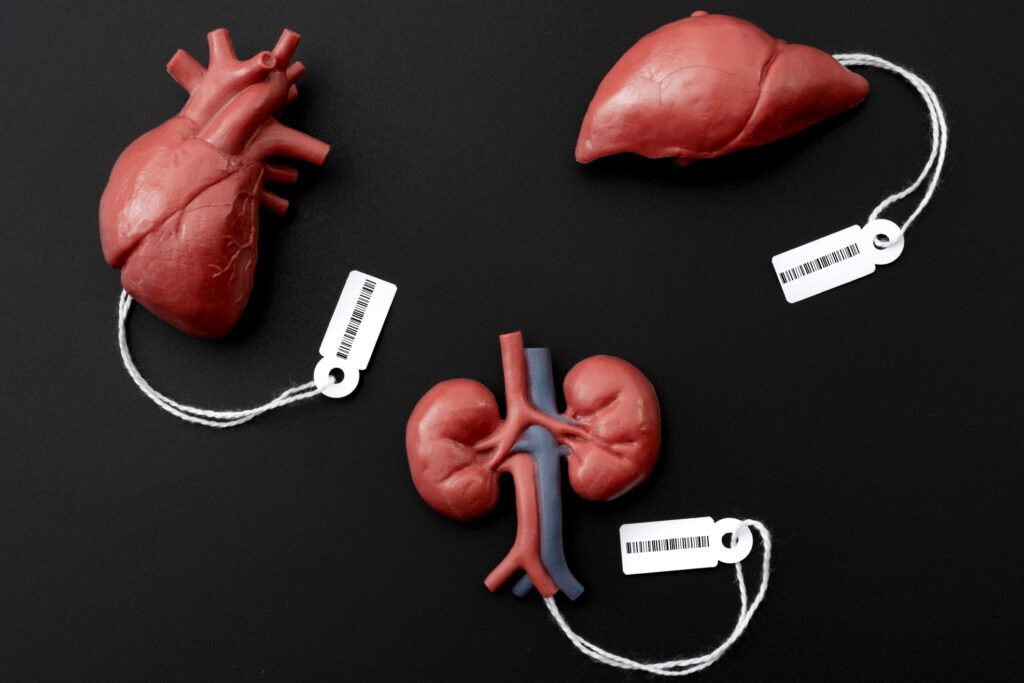
On February 1, 2024, Kyrgyzstan's first free kidney transplant was successfully performed on a 22-year-old girl in a Bishkek hospital. However, about 2,500 Kyrgyz people still have to receive dialysis while they wait for a new organ. All kidney transplants will now be paid for by the state, Kyrgyz health minister Alymkadyr Beishenaliyev said. The Health Ministry said that each patient undergoing dialysis must purify his or her blood of toxic substances several times a week. In the past, many did the procedure at their own expense. The price for three dialysis procedures is about $100, and not every Kyrgyzstani can afford it. Nor can many afford a kidney transplant operation. The state previously covered part of the costs when a person had a disability -- but now the authorities plan to help all those with the most severe kidney issues. "We planned to conduct 50 free surgeries at first. However, after the free surgery the other day, I talked to the president. He said that we should conduct free surgeries for all the needy 2,500 patients who are now receiving hemodialysis. If we perform the surgeries, the money now spent on hemodialysis will be a good saving for the budget," Beishenaliyev said. One kidney transplant operation costs the state $7,500, while dialysis costs $14,000-15,000 per patient per year, he said. It will be more economical for the budget than spending on hemodialysis every time, the minister calculated. Kyrgyz president Sadyr Japarov has taken a personal interest in the issue. The head of state said that 50 patients have already found donors, underwent a full medical examination and are preparing for surgery. "The first benefit is to help our citizens. The second is saving money. There are patients who have been receiving hemodialysis for 10-15 years," the president said. In an interview with the state news agency Kabar, Japarov said that a kidney transplant abroad costs $25,000-$50,000, and that he knows this firsthand because about 10 years ago his brother had such an operation in another country. As a result, his family paid $70,000, including travel expenses and post-operative rehabilitation procedures. Earlier this year, the head of state signed a law on the protection of citizens' health, according to which private and public hospitals in Kyrgyzstan can now perform organ transplants -- provided that the patient is a relative of the donor. Turkish nephrologists and kidney transplant specialists have come to Kyrgyzstan to help develop this field of medicine. Also, a group of Kyrgyz doctors is currently undergoing training in Turkey.

Enclaves, Exclaves, and Soviet Mapmakers

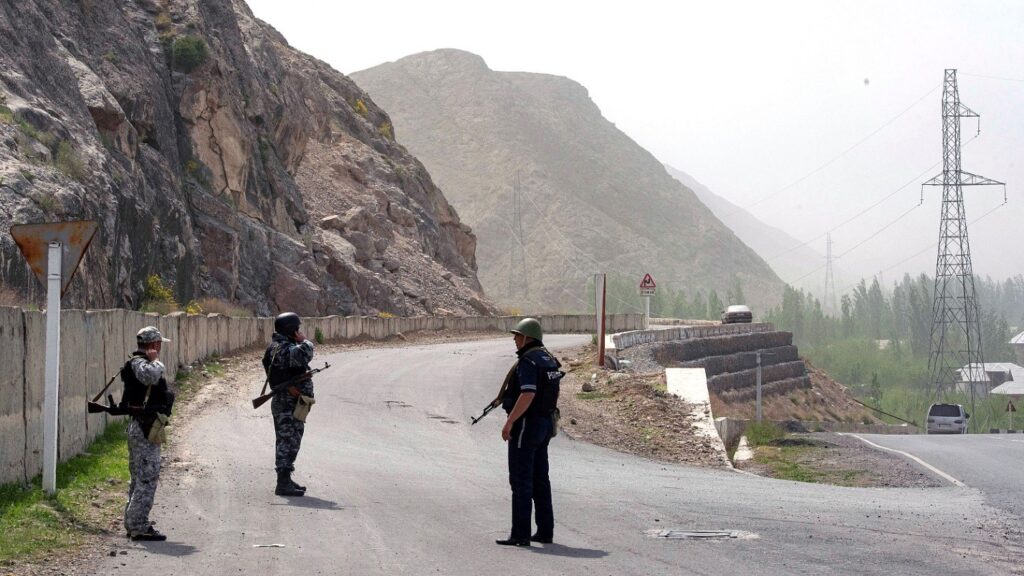
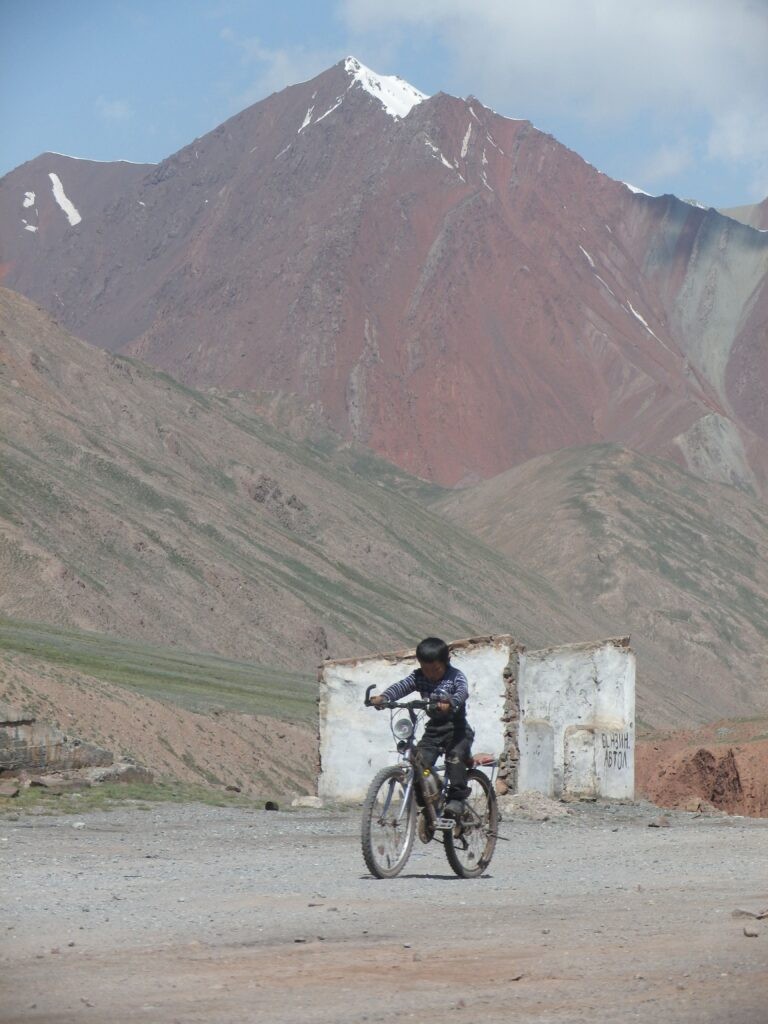
Representatives of the Kyrgyz Republic and Tajikistan met in Bishkek on February 5th to complete negotiations on another 3.71 km of the common state border, the press service of the Cabinet of Ministers of the Kyrgyz Republic has reported. The next meeting will be held in Tajikistan, with no date yet specified. Currently, approximately 90% of the border has been demarcated, with the remaining 10% still considered disputed. A long-standing source of conflict between the two nations, it is emblematic of the problem that even the length of the border - sometimes cited as being 975-kilomtres long, and at others times 972-kilomteres - is rarely agreed upon. As of January 2023, Tajikistan’s President Rahmon stated that 614-kilometres had been settled upon, backtracking on a previously stated figure of 664. In a sign of thawing relations, however, on November 9th 2023, the Cabinet of Ministers of the Kyrgyz Republic announced that a further 17.98 kilometers of the border had been agreed. With its scant natural resources and dwindling water supplies, the border between Kyrgyzstan and Tajikistan has been the scene of numerous skirmishes for many years. In 2014, all borders between Kyrgyzstan and Tajikistan were closed indefinitely to Kyrgyz and Tajik citizens following clashes over a bypass road in disputed territory; mortars were fired and both armies suffered casualties. Trouble spilled over again throughout 2021 and 2022, reportedly starting over a water dispute in the Vorukh enclave, and leaving an unknown number in the hundreds killed, and up to 136,000 people evacuated. An enduring example of the chaos left behind by the USSR, the arbitrary division of Central Asia into Soviet Socialist Republics wholly disregarded existing cultural and geographical realities. This is exemplified by Stalin's application of Lenin’s policy on the “self-identification of working people,” a classic divide-and-rule play which saw culturally Tajik cities such as Samarkand and Bukhara being incorporated into Uzbek territory. In exchange, Tajikistan was given the inhospitable Khojand landmass surrounding the Fan Mountains. As late as 1989, Tajikistan petitioned Mikhail Gorbachev for the ‘return’ of Samarkand and Bukhara. This haphazard division also isolated around 100,000 residents in the Ferghana Valley from their central governments, creating eight large enclaves. Although three of these enclaves had populations fewer than 10,000 and two were used exclusively for pastures, the remaining three - Sokh (Uzbekistan within Kyrgyzstan), Vorukh (Tajikistan within Kyrgyzstan), and Shakhimardan (Uzbekistan within Kyrgyzstan) have repeatedly proven problematic, particularly when countries enforce strict border regulations in response to disputes and disagreements over demarcation arrangements. These enclaves have been hotbeds for conflict: between 1989 and 2009, the Ferghana Valley witnessed approximately 20 armed conflicts, and in 2014 alone, Kyrgyzstan reported 37 border incidents.

Why Do People in Kyrgyzstan Refuse Seasonal Vaccinations?

In Kyrgyzstan more than 22,000 refusals of seasonal vaccinations were registered last year, according to the director of the Republican Center for Immunoprophylaxis, Gulbara Ishenapysova. She told journalists at a press conference that 40% of those who refuse doubt that vaccines against flu, measles and other seasonal diseases are of good quality -- while almost half do not want to be vaccinated for religious reasons. The Ministry of Health fears that an influx of infections from abroad could occur at any moment. For example, diphtheria cases are now being registered in Europe, and polio has not yet been defeated in Afghanistan and Pakistan. Doctors in Kyrgyzstan, said Ishenasypova, must be prepared for these diseases. Last year, nine children died of complications from measles in the Republic. Doctors emphasize that all of them had not been vaccinated. Meanwhile, parents refusal to vaccinate their children is punishable. Unvaccinated children may not be admitted to kindergarten or school. Furthermore, an article enshrined in the constitution assigns criminal liability to parents who deliberately fail to seek medical help in cases where a disease harmed a child. "In 2022, we lost a child to tetanus, and in 2023, we lost nine children to measles. If an unjustified refusal led to a fatal outcome, then it is intentional harm to the child's health, and liability under the law is provided for," the Republican Center for Immunoprophylaxis stressed. The rate of refusal of seasonal vaccinations has decreased over the past five years. The Center cited statistics which indicate that the largest group to refuse vaccinations -- those who do so for religious reasons -- is decreasing. Seven or eight years ago, 78% of the total number to refuse did so on religious grounds; today, that figure is down to 48%. "The Spiritual Administration of Muslims of Kyrgyzstan urges parents not to refuse vaccination for allegedly religious reasons. The question of benefits and harms of vaccination belongs to medicine. Therefore, in this situation, the decision on Shariah will be made taking into account the opinion of medicine. Islam is not against vaccinations if there is a conclusion from the Ministry of Health on the safety of the drug," said the head of the information department of the Spiritual Administration of Muslims of Kyrgyzstan.

International Organizations Call on Kyrgyzstan to Stop Crackdown on Independent Press

International organizations and media watchdogs have expressed concern about the arrests of independent journalists in Kyrgyzstan and called on the authorities to immediately release them and end pressure on the independent press. On January 15th, officers from the State Committee for National Security arrived at the offices of news agency 24.kg in Bishkek, seizing equipment and detaining three journalists, including its editor-in-chief, in a case involving "propagating war" related to an unspecified report about Russia's invasion of Ukraine. The three were later released, but ordered not to reveal details of the case. On January 16th, the Interior Ministry detained eleven journalists and media workers from the Temirov Live investigative group and the Ait Ait Dese project. Temirov Live's founder, prominent investigative journalist Bolot Temirov said the journalists who were detained after their homes and offices were searched included his wife and the director of the Temirov Live group, Makhabat Tajybek-kyzy. Police later placed all elevn under arrest for 48 hours, pending a court ruling on further custody measures. The Interior Ministry said in a statement that the searches and detentions were linked to a probe launched into unspecified Temirov Live publications that "carried elements of calls for mass unrest." “The search and sealing off of the premises of the 24.kg news outlet in Kyrgyzstan is deeply concerning,” OSCE Representative on Freedom of the Media, Teresa Ribeiro posted on Twitter. “Such criminal investigations may have a chilling effect on media freedom and reporting on important issues of public interest in the country.” UN Human Rights Office spokesperson, Liz Throssell also expressed concern. “These latest actions by the authorities appear to be part of a larger pattern of pressure against civil society activists, journalists and other critics of the authorities... We call on the authorities to protect freedom of expression and ensure that media legislation in the country is in line with international human rights standards,” she said in a statement.

Kyrgyzstan Bans Inspections of Businesses Until End of 2024

On January 9th, the President of the Kyrgyz Republic, Sadyr Japarov signed a Decree “On the introduction of a temporary ban (moratorium) on conducting inspections of business entities.” The Decree has been issued with the purpose of stabilizing the economic activities of businesses, ensuring the further development of the business environment, improving the investment climate, and eliminating unjustified and unnecessary interference by government bodies, the presidential press service said in a statement. The moratorium will run until December 31st, 2024. In a post on Facebook, President Japarov called on representatives of small and medium-sized businesses to report unjustified inspections to him. Japarov wrote that only enterprises against which a criminal case has been initiated will be subject to inspections. “If representatives of government agencies come to check businessmen without reason, without identifying signs of an economic crime, you can contact me through the Presidential Administration,” Japarov stated, promised that measures will be taken in such cases.

Tajikistan and Kyrgyzstan Agree on Another Border Section

Delegations from Tajikistan and Kyrgyzstan have conducted more work on the definition and designation of the state border, agreeing on the divination of another 11.88 km at a meeting in Buston held between the 17th and 23rd of December. The two parties also agreed to continue determining the remaining sections oat the next meeting to be held in Kyrgyzstan. A long-standing source of conflict between the two nations, it is emblematic of the problem that even the length of the border - sometimes cited as being 975-kilomtres long, and at others times 972-kilomteres - is rarely agreed upon. In January 2023, Tajikistan’s President Rahmon stated that 614-kilometres have been agreed upon, backtracking on a previously stated figure of 664. With its scant natural resources and dwindling water supplies, the border between Kyrgyzstan and Tajikistan has been the scene of numerous skirmishes for many years. In 2014, all borders between Kyrgyzstan and Tajikistan were closed indefinitely to Kyrgyz and Tajik citizens following clashes over a bypass road in disputed territory; mortars were fired and both armies suffered casualties. In 2021 and 2022, troubles flared up again. Several hundred kilometers of the border have not yet been defined. This situation developed after the collapse of the USSR, leaving the parties unable to agree on dozens of disputed areas. The non-delimited territories become a conflict zone between the local population, and the border guards of the two countries became involved. The last major conflict occurred on September 16th 2022, as a result of which hundreds of people were killed and injured on both sides, and massive damage was caused to the infrastructure in Sughd and Batken. The Presidents of Tajikistan and Kyrgyzstan, Emomali Rahmon and Sadyr Japarov, have repeatedly discussed delimitation of the border. The situation in the disputed areas is also closely monitored by the Collective Security Treaty Organization (CSTO). In recent years, the authorities of the two countries have been actively negotiating to resolve this issue. Meetings have been held alternately on the territory of the two republics. Currently, more than 90%, or about 885 km of the border has been mutually recognized by States.