• KGS/USD = 0.01144 0%
  • KZT/USD = 0.00209 0%
  • TJS/USD = 0.10431 0.1%
  • UZS/USD = 0.00008 0%
  • TMT/USD = 0.28571 0%
  • KGS/USD = 0.01144 0%
  • KZT/USD = 0.00209 0%
  • TJS/USD = 0.10431 0.1%
  • UZS/USD = 0.00008 0%
  • TMT/USD = 0.28571 0%
  • KGS/USD = 0.01144 0%
  • KZT/USD = 0.00209 0%
  • TJS/USD = 0.10431 0.1%
  • UZS/USD = 0.00008 0%
  • TMT/USD = 0.28571 0%
  • KGS/USD = 0.01144 0%
  • KZT/USD = 0.00209 0%
  • TJS/USD = 0.10431 0.1%
  • UZS/USD = 0.00008 0%
  • TMT/USD = 0.28571 0%
  • KGS/USD = 0.01144 0%
  • KZT/USD = 0.00209 0%
  • TJS/USD = 0.10431 0.1%
  • UZS/USD = 0.00008 0%
  • TMT/USD = 0.28571 0%
  • KGS/USD = 0.01144 0%
  • KZT/USD = 0.00209 0%
  • TJS/USD = 0.10431 0.1%
  • UZS/USD = 0.00008 0%
  • TMT/USD = 0.28571 0%
  • KGS/USD = 0.01144 0%
  • KZT/USD = 0.00209 0%
  • TJS/USD = 0.10431 0.1%
  • UZS/USD = 0.00008 0%
  • TMT/USD = 0.28571 0%
  • KGS/USD = 0.01144 0%
  • KZT/USD = 0.00209 0%
  • TJS/USD = 0.10431 0.1%
  • UZS/USD = 0.00008 0%
  • TMT/USD = 0.28571 0%

Viewing results 379 - 384 of 488

Despite Protests, Kyrgyz President Signs Bill Amending National Flag

On December 22nd, the President of the Kyrgyz Republic, Sadyr Japarov, signed a bill modifying the national flag, following its final approval by lawmakers two days prior. The legislators had noted that the depiction of yellow rays on a red field in the old flag resembled a sunflower. They proposed amendments to "straighten" the sunrays to create an image more closely resembling the sun. Several rallies protesting the change have been held since the proposal in October. Also on December 22nd, Human Rights Watch (HRW) urged the Kyrgyz authorities to drop all charges against activist Aftandil Jorobekov, and to release him after he was arrested for openly protesting changes to Kyrgyzstan's national flag and charged with calls for mass disorder and civil disobedience. In a statement, HRW said that the charges brought against Jorobekov "violate his freedom of expression and right to peaceful assembly." "Jorobekov should not be facing criminal prosecution for opposing a government initiative or calling for peaceful protests, which are protected forms of expression,” HRW's Central Asia researcher, Syinat Sultanalieva, said. “The Kyrgyz authorities should drop the charges and release Jorobekov immediately.” The 39-year-old activist was detained on December 7th, a day after he voiced his disapproval of the bill and announced his plan to hold a peaceful protest in Bishkek's Gorky Park on December 9th. "Criticizing the government and calling for peaceful protest is not the equivalent of stoking mass unrest, and it is certainly not criminal," Sultanalieva said. "The Kyrgyz authorities should drop this absurd case against Jorobekov, and uphold his right to free speech and peaceful assembly." Meanwhile, many politicians, activists, and public figures in Kyrgyzstan continue to question the idea to change the national flag. Prominent Kyrgyz athlete and two-time world wrestling champion Jolaman Sharshenbekov wrote on Twitter on December 21st that he will continue raising the country’s old national flag at international tournaments and competitions. The head of the country's State Committee of National Security, Kamchybek Tashiev, immediately commented on Sharshenbekov's post, threatening unspecified repercussions for athletes who "even try" to raise anything other than the amended national flag at sports events. "The law is adopted, and we, the citizens, must obey," Tashiev wrote.
President Japarov: Kyrgyzstan Should Provide Irrigation Water to Kazakhstan

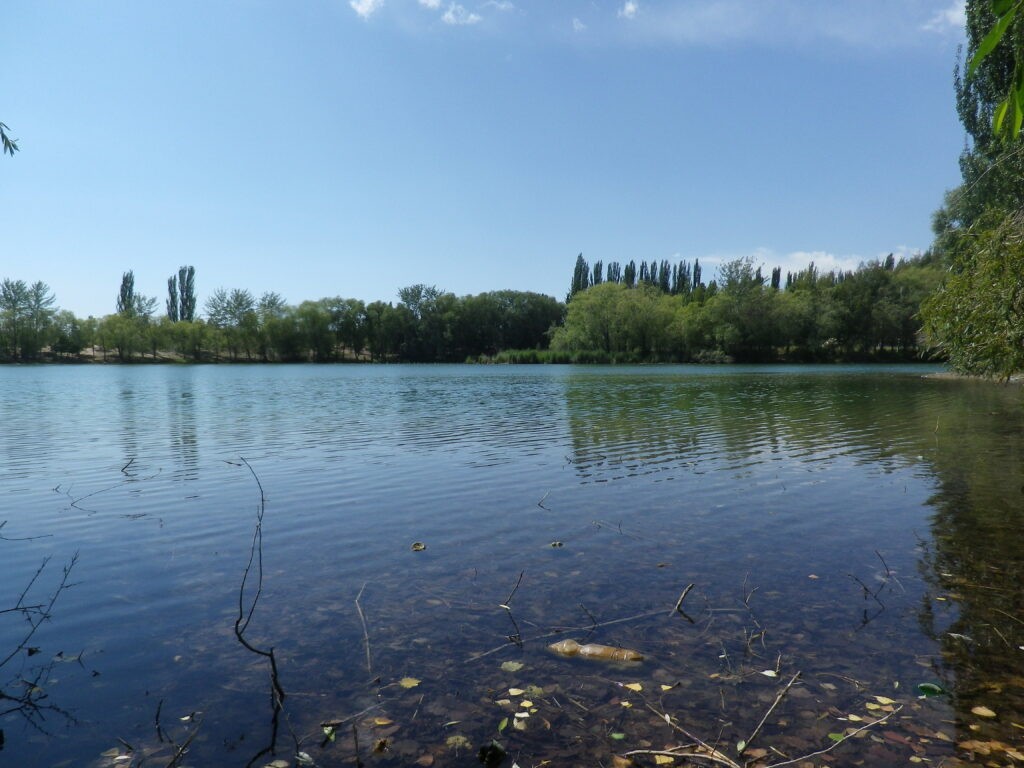
A UN resolution obliges upstream countries, including Kyrgyzstan, to provide water to downstream states, Kyrgyz President Sadyr Japarov said on December 16th at the second People’s Kurultai (Congress) in Bishkek. Answering questions from the Kurultai delegates, the president said that the water problem would be solved through the construction of so-called ten-day and daily regulation pools. Such reservoirs will allow for the accumulation of water in winter and for it to be freely shared with neighbors downstream. The president said that Kyrgyzstan does not have a sufficient number of reservoirs, and, therefore, this year there was not enough water to supply to Kazakhstan. This past summer, the southern regions of Kazakhstan experienced a severe shortage of irrigation water for their fields. The construction of such reservoirs, the president explained, will meet the needs of Kyrgyzstan and, in addition, there will also be enough water to supply to downstream neighbors. The president also announced plans to build reservoirs. The reservoir construction program will last until 2027, he said.

Consulate General of Uzbekistan Officially Inaugurated in Osh

The Consulate General of Uzbekistan celebrated its official inauguration in Osh city, fostering economic, cultural, and humanitarian ties and offering support to Uzbek citizens in the region. The ceremony drew notable figures like Vice Mayor Nurbek Kadyrov, Presidential Representative Elchibek Zhantaev, and Ambassador Khurshid Mirzakhidov, emphasizing the consulate's role in advancing cooperation. Zafarbek Akhmedov, a seasoned diplomat previously overseeing the Consular and Legal Department at Uzbekistan's Ministry of Foreign Affairs, heads this mission at 54 years old. Established in 2022, the consulate, led by Akhmedov, serves Batken, Jalal-Abad, and Osh regions in Kyrgyzstan.

Kyrgyzstan and Tajikistan Demarcate More Than 90% of Border

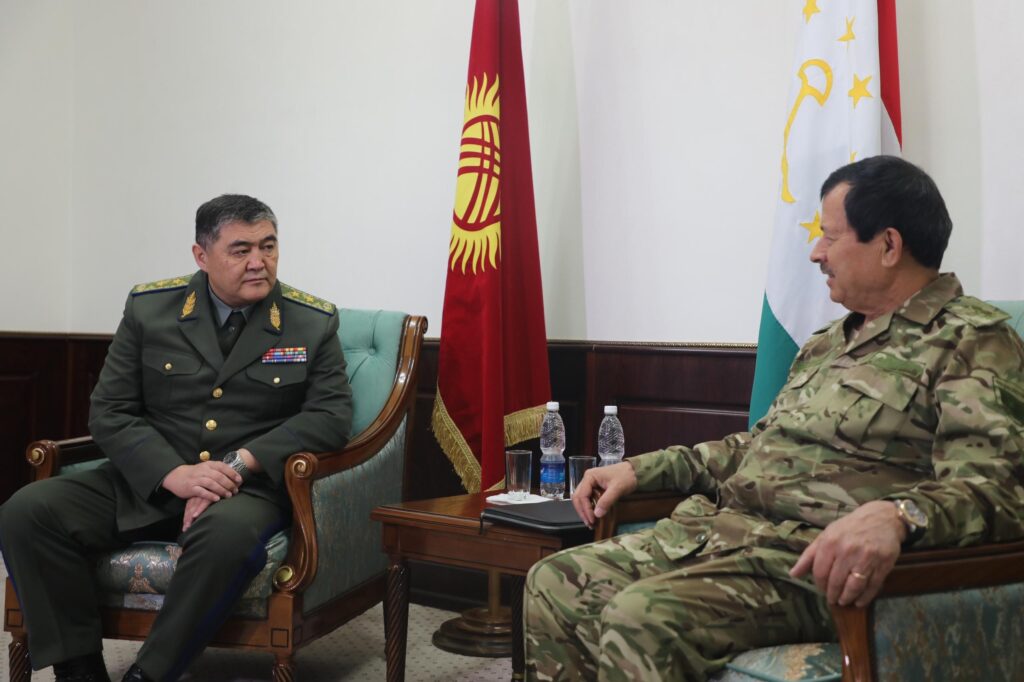
Following a meeting between government delegations, Chairmen of the National Security Committee of Kyrgyzstan, Kamchybek Tashiyev, and Tajikistan, Saimumin Yatimov, released a statement announcing that over 90% of the border between the two countries has now been agreed upon. “As a result of the work of the intergovernmental commission, agreements were reached on the harmonization of most of the state border - more than 90%,” Tashiyev said. “Work on the remaining sections will be completed soon, starting with Kayragach, Kulundu, Maksat, Arka, Arka-1, Arka-2, Zhany-Zher and up to Zhiydelik. The Working Group has fully completed the coordination. At the moment, we have almost completed work on the disputed areas about which there were questions." According to Tashiyev, several more meetings will be necessary to complete the demarcation and delimitation of the state border. In turn, Yatimov noted that vital issues were discussed at the meeting of the delegations. “There is a common interest, common goals, and common causes between the two states,” he said. “This is the security and socio-economic development of our states. A lot of work has been done today - we have advanced more than 120 kilometers, and have agreed on these issues in principle. If we take the total length of the state border between Tajikistan and Kyrgyzstan, Kamchybek Kydyrshayevich and I can confirm that over 90% of the state border has been agreed. We are really close to solving these issues.”

Kyrgyzstan, Tajikistan Agree on More Disputed Border Areas

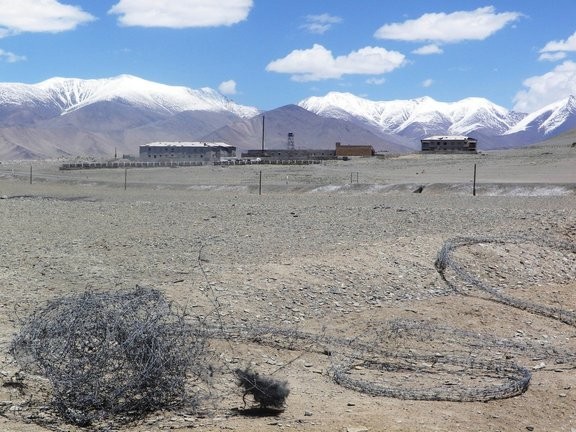
As reported by RFE/RL, officials from Kyrgyzstan and Tajikistan say the two countries agreed on another 24 kilometers of the border between the two former Soviet republics after special talks on the issue were held over the past week, RFE/RL's Kyrgyz Service reported. Tajikistan's State Committee for National Security said on December 5th that the talks were held in the northern town of Buston, near the Kyrgyz border. According to the Kyrgyz government, the next round of talks regarding other parts of the border will be held on Kyrgyzstan's territory on a day that is yet to be determined. In a sign of thawing relations, back on November 9th 2023, the Cabinet of Ministers of the Kyrgyz Republic announced that a further 17.98 kilometres of its border with Tajikistan had been agreed upon, with another meeting of the of topographic working groups due to be held in Batken from November 11th to17th. A long-standing source of conflict between the two nations, it is emblematic of the problem that even the length of the border - sometimes cited as being 975-kilomtres long, and at others times 972-kilomteres - is rarely agreed upon. As of January 2023, Tajikistan’s President Rahmon stated that 614-kilometres have been agreed upon, backtracking on a previously stated figure of 664. The delimitation and demarcation of the Kyrgyz-Tajik border has been an issue for decades, but turned into an extremely urgent problem in recent years after several deadly clashes took place along disputed segments of the frontier. With its scant natural resources and dwindling water supplies, the border has been the scene of numerous skirmishes for many years. In 2014, all borders between Kyrgyzstan and Tajikistan were closed indefinitely to Kyrgyz and Tajik citizens following clashes over a bypass road in disputed territory; mortars were fired and both armies suffered casualties. In the spring of 2021, trouble flared up again when an armed conflict along one segment of the border left 36 Kyrgyz nationals, including two children, dead, and 154 injured on the Kyrgyz side. The Tajik authorities officially said that 19 Tajik citizens were killed and 87 were injured during the clashes. Many border areas in Central Asian former Soviet republics have been disputed since the collapse of the Soviet Union in 1991. The situation is particularly complicated around the numerous exclaves in the volatile Ferghana Valley, where the borders of Tajikistan, Uzbekistan, and Kyrgyzstan meet.

Plans Approved to Complete the Gasification of Bishkek within Three Years

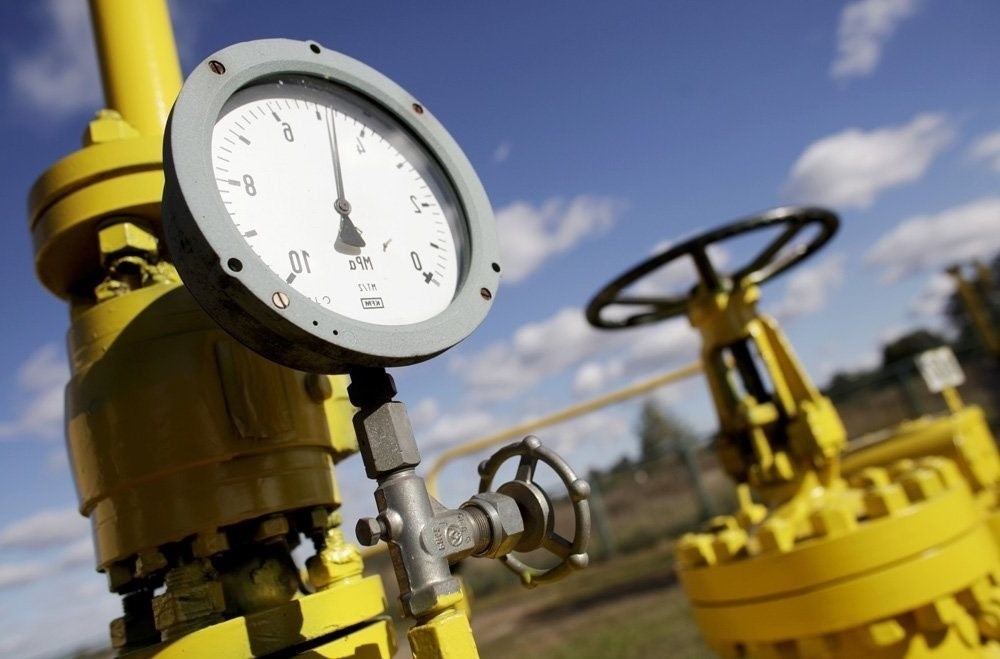
Speaking at a briefing on ‘How the authorities want to accelerate the gasification of residential communities in Bishkek’, the Deputy Director General for Economics and Finance of Gazprom Kyrgyzstan LLC, Arzymat Aldayarov stated that it is planned to fully gasify Bishkek within three years. During the company's operations so far, 53 settlements have been gasified, 1,250 kilometers of street gas distribution pipelines have been laid, and 53,000 households have been able to connect to gas. This year, the investment program included the possibility of the gasification of residential complexes and villages, but due to the environmental situation and the need to reduce the load on electrical networks, it was decided to carry gas to eleven facilities, including a handful of residential complexes. In part of the points, the supply of blue fuel has already been provided. “In 2023, we signed a road map with Bishkek City Hall,” the Deputy Director General said. “Within this framework, it is planned to fully complete the gasification of the capital within the next three years. Together with the Cabinet of Ministers, the issue of preferential loans for gasification through state banks has been resolved.”