• KGS/USD = 0.01144 0%
  • KZT/USD = 0.00206 0%
  • TJS/USD = 0.10791 0.19%
  • UZS/USD = 0.00008 0%
  • TMT/USD = 0.28571 0%
  • KGS/USD = 0.01144 0%
  • KZT/USD = 0.00206 0%
  • TJS/USD = 0.10791 0.19%
  • UZS/USD = 0.00008 0%
  • TMT/USD = 0.28571 0%
  • KGS/USD = 0.01144 0%
  • KZT/USD = 0.00206 0%
  • TJS/USD = 0.10791 0.19%
  • UZS/USD = 0.00008 0%
  • TMT/USD = 0.28571 0%
  • KGS/USD = 0.01144 0%
  • KZT/USD = 0.00206 0%
  • TJS/USD = 0.10791 0.19%
  • UZS/USD = 0.00008 0%
  • TMT/USD = 0.28571 0%
  • KGS/USD = 0.01144 0%
  • KZT/USD = 0.00206 0%
  • TJS/USD = 0.10791 0.19%
  • UZS/USD = 0.00008 0%
  • TMT/USD = 0.28571 0%
  • KGS/USD = 0.01144 0%
  • KZT/USD = 0.00206 0%
  • TJS/USD = 0.10791 0.19%
  • UZS/USD = 0.00008 0%
  • TMT/USD = 0.28571 0%
  • KGS/USD = 0.01144 0%
  • KZT/USD = 0.00206 0%
  • TJS/USD = 0.10791 0.19%
  • UZS/USD = 0.00008 0%
  • TMT/USD = 0.28571 0%
  • KGS/USD = 0.01144 0%
  • KZT/USD = 0.00206 0%
  • TJS/USD = 0.10791 0.19%
  • UZS/USD = 0.00008 0%
  • TMT/USD = 0.28571 0%

Viewing results 1855 - 1860 of 1818

Plans Approved to Complete the Gasification of Bishkek within Three Years

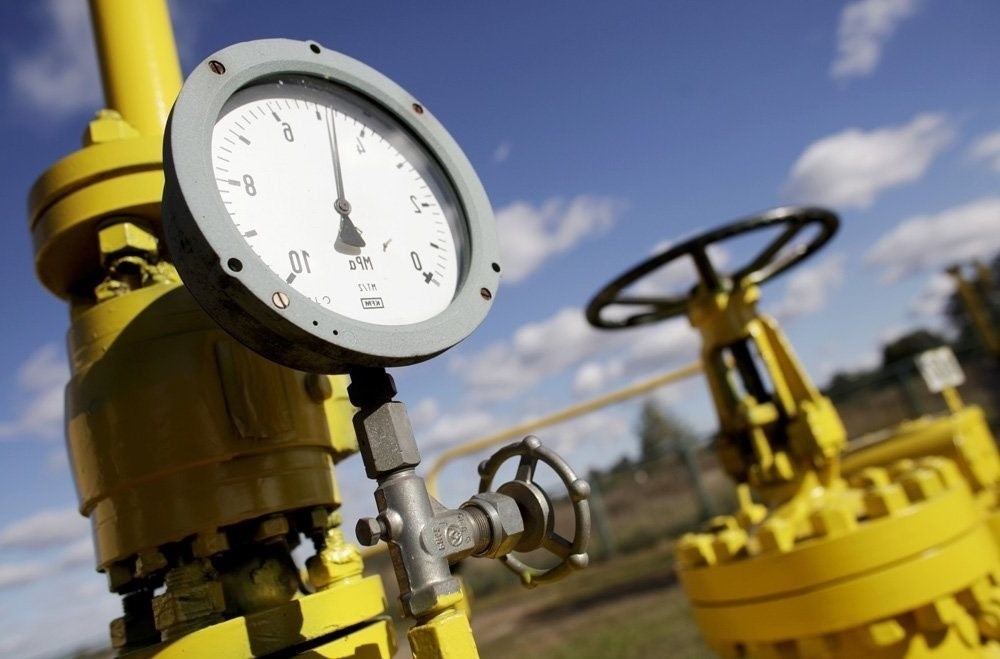
Speaking at a briefing on ‘How the authorities want to accelerate the gasification of residential communities in Bishkek’, the Deputy Director General for Economics and Finance of Gazprom Kyrgyzstan LLC, Arzymat Aldayarov stated that it is planned to fully gasify Bishkek within three years. During the company's operations so far, 53 settlements have been gasified, 1,250 kilometers of street gas distribution pipelines have been laid, and 53,000 households have been able to connect to gas. This year, the investment program included the possibility of the gasification of residential complexes and villages, but due to the environmental situation and the need to reduce the load on electrical networks, it was decided to carry gas to eleven facilities, including a handful of residential complexes. In part of the points, the supply of blue fuel has already been provided. “In 2023, we signed a road map with Bishkek City Hall,” the Deputy Director General said. “Within this framework, it is planned to fully complete the gasification of the capital within the next three years. Together with the Cabinet of Ministers, the issue of preferential loans for gasification through state banks has been resolved.”

UNDP Supports the Development of Adventure Tourism in Kyrgyzstan

As per a press release on its website, the United Nations Development Program (UNDP) in Kyrgyzstan, in collaboration with the Fair and Sustainable Development Solutions (FSDS) Foundation, said it is launching activities to strengthen the value-added chain (VAC) of adventure tourism. The project, Aid for Trade in Central Asia, aims to develop adventure tourism in target regions of Kyrgyzstan, creating new jobs, increasing the competitiveness of the sector, and strengthening its export potential. Tourism plays an important role in expanding economic opportunities and contributes to infrastructure development, which has a positive impact on other sectors of the economy. There are also opportunities to make the sector green and sustainable, the project stated. Kyrgyzstan needs to be positioned as a new tourism destination, as the country has a wide range of tourism resources. However, this will require coordinated efforts. “We support the promotion of adventure tourism, which is one of the fastest growing sectors and has a great potential for developing the local economy”, said Aid for Trade project coordinator, Aisulu Mambetkazieva. “Moreover, adventure tourism will allow as many people as possible to learn about the beautiful culture and nature of Kyrgyzstan. We hope that the project can become a driver for the development of adventure tourism in Kyrgyzstan and create new opportunities for sector participants”. The activities on strengthening the VAC of adventure tourism will be carried out in Issyk-Kul, Jalal-Abad, and Osh provinces. The project includes several key tasks on which the UNDP has already begun work: Increasing the potential of VAC participants and introducing joint adventure tourism products. New tourism products will be developed and promoted through various trading platforms; Increasing access to innovative and environmentally sustainable technologies that contribute to sustainable development; Creation of favorable conditions for the development of safe adventure tourism at a local level. The UNDP in Kyrgyzstan pays great attention to supporting women's entrepreneurship and the business initiatives of people with disabilities. In this regard, it is expected that appropriate measures will be taken to create examples of tourism entrepreneurship among women and people with disabilities for further replication and scaling.

CAREC Countries Endorse New Vision to Fight Climate Change Together

Member countries of the Central Asia Regional Economic Cooperation (CAREC) program committed to working together to cut greenhouse gas emissions and build resilience to climate change. “We endorse the Regional Action on Climate Change: A Vision for CAREC to help countries implement their commitments under the Paris Agreement”, said a joint ministerial statement issued at the 22nd CAREC Ministerial Conference held on November 30th in Tbilisi. The statement was endorsed by ministers and high-level officials from Azerbaijan, the People’s Republic of China, Georgia, Kazakhstan, the Kyrgyz Republic, Mongolia, Pakistan, Tajikistan, Turkmenistan, and Uzbekistan. “I am confident this shared Vision will enhance the CAREC program’s impact on this most critical climate challenge facing the subregion”, said Asian Development Bank (ADB) President, Masatsugu Asakawa. “I look forward to concrete progress on bringing forward more climate projects - including in renewable energy, sustainable agriculture, efficient water use, economic diversification, and strengthening supply chains - to improve the region’s climate resilience and adaptation”. The Vision emphasizes the importance of energy transition and the improved use of renewable energy sources, strengthening the regional electricity trade, deploying innovative financing solutions, and investing in climate-resilient infrastructure and policies. It calls for strengthened collaboration and coordination with the program’s development partners in supporting the region’s climate agenda. A scoping study published earlier this year showed climate change is expected to have severe impacts in the CAREC region, including higher-than-average temperature rises, water scarcity, expanded desertification, and glacial melting. To address water issues in the region, CAREC will support countries to improve their expertise and capacities in transboundary water management, water productivity, and to invest in more efficient irrigation systems to boost agricultural productivity. CAREC will also support efforts to decarbonize transport and continue deepening regional connectivity with efficient transport technologies and infrastructure. Other priority areas include developing climate-smart cities with electrified mass transit systems and promoting climate and disaster resilience through regional risk management and financing initiatives. The CAREC program is a partnership of countries and development partners working together to promote sustainable development, accelerate economic growth, and reduce poverty. The ADB hosts the CAREC secretariat.

Foreign Investors Look to Build Power Plants in the Kyrgyz Republic with a Capacity of 3.6 Gigawatts

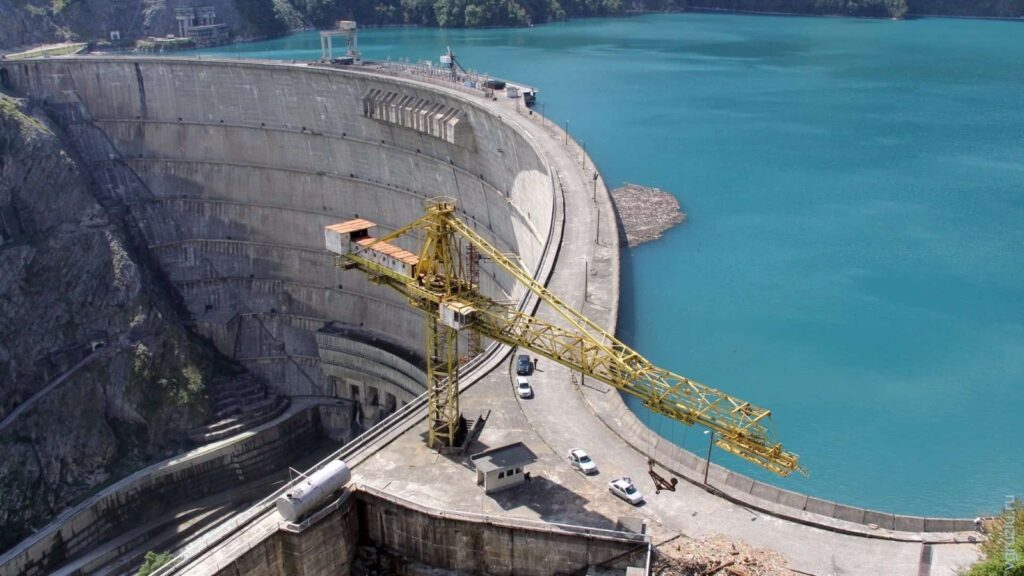
Energy companies from France and the UAE plan to invest in hydropower and renewable energy projects with a total capacity of 3.6 gigawatts in Kyrgyzstan. The capacity of the Toktogul hydroelectric station is already more than 1.2 gigawatts. The President of the Kyrgyz Republic expressed confidence that the practical implementation of the agreements will soon begin. As part of the World Climate Summit in Dubai, the Ministry of Energy of the Kyrgyz Republic, the French company EDF, and the UAE state company, Masdar signed a memorandum in the energy sector. The foreign partners assured that summit they are ready to cooperate with the Kyrgyz Republic and implement the projects provided for in the memorandum. In his speech, Energy Minister, Taalaibek Ibraev focused on the potential of Kyrgyzstan in the field of electricity generation and further cooperation with investors. The signing ceremony took place in the presence of President Sadyr Japarov, after which further negotiations took place with representatives of both companies. Japarov emphasized that the Kyrgyz side will provide everything necessary to ensure high-quality implementation of the terms of the memorandum, the presidential press service reported. Japarov also called on participants at the meeting to pay special attention to the hydropower potential of the Kyrgyz Republic, which today no more than 13% of has been utilized. He emphasized that the country has taken a firm course towards the development of a “green” economy. Masdar representatives noted the importance of the solar power plant construction project being implemented in the Issyk-Kul region, and stated that they would use their experience “to support Kyrgyzstan’s clean energy goals”.

By 2035, the Capacity of Hydroelectric Power Plants in Central Asia Will Increase by 8,900MW

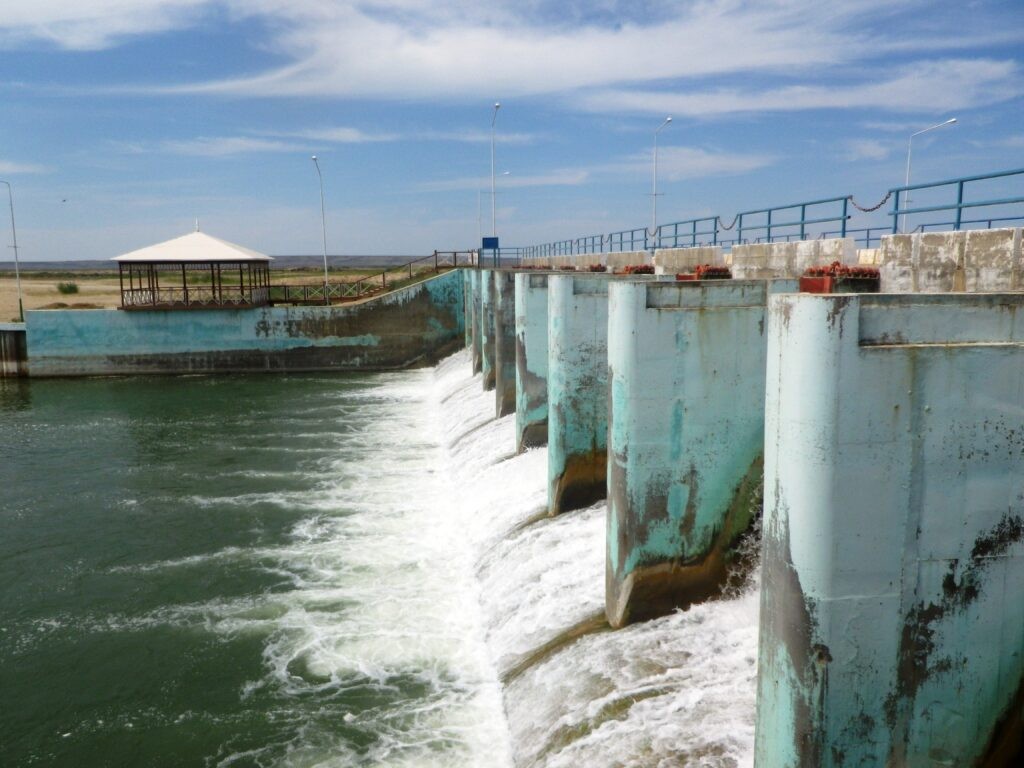
By 2028-2029, Central Asia will face a permanent and persistent water scarcity, with a deficit estimated to be between 5-12 cubic kilometers annually. At the same time, the demand for electricity in Central Asia is expected to increase significantly over the next ten years, Nikolai Podguzov, Chairman of the Eurasian Development Bank (EDB) Management Board said this week at the World Hydropower Congress in Bali. "In the Central Asian region, hydropower plays a key role not only in generating electricity, but also in regulating river runoff for irrigation purposes,” Podguzov stated. “In this regard, the countries of the region are interested in the multipurpose use of their water resources, and wish to attract investment to develop water resources potential". According to Podguzov, the construction of new hydroelectric power plants with reservoirs and the modernization of already functioning HPPs will both serve to reduce the impact of climate change and ensure the steady economic and social development of the region, which is highly reliant on affordable, environmentally-friendly energy and a sustainable irrigation supply. "According to our estimates, Central Asia is one of the few regions in the world where the hydropower potential has been developed by less than 25%”, Podguzov said. “Currently, there are more than 80 hydroelectric power plants operating in the region, with a total installed capacity of about 14,000 MW. In the period up to 2035, it is planned to increase the capacity of local hydroelectric power plants by 8,900 MW through the modernization of already functioning HPPs and the construction of new ones. The largest new projects being implemented include the construction of the 1,860 MW Kambarata HPP-1 in the Kyrgyz Republic, and the 3,600 MW Rogun HPP in Tajikistan”.

Kyrgyzstan: EU Holds Training Workshops on Sanctions Against Russia

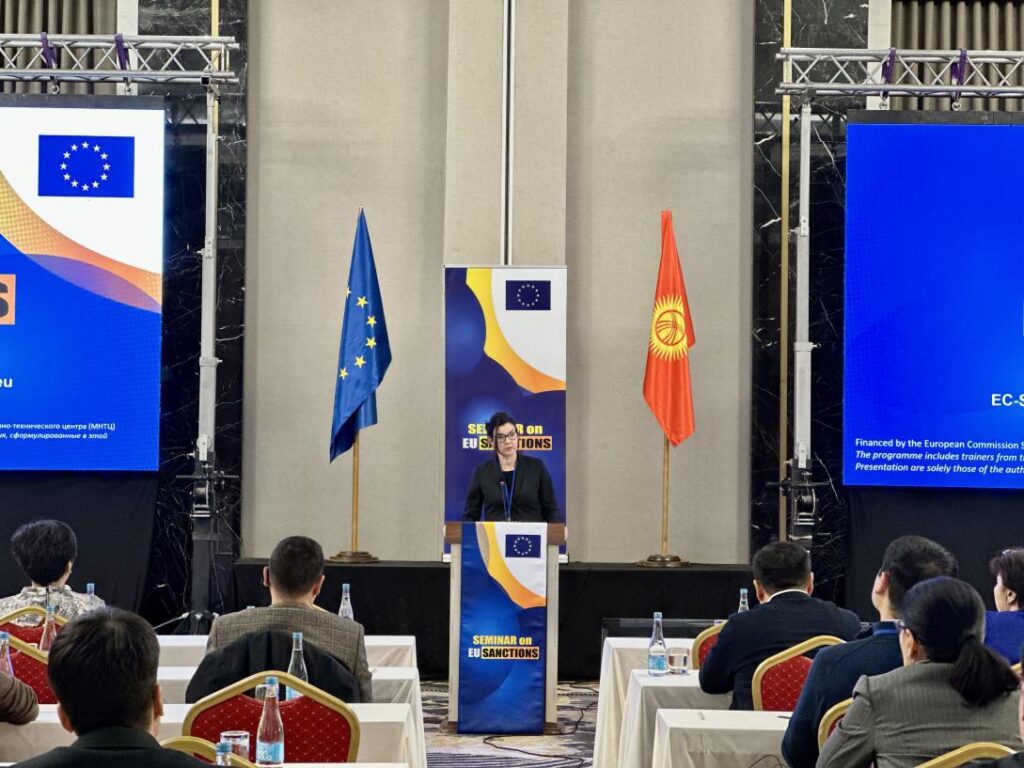
As reported by the press and information team of the Delegation of the European Union to the Kyrgyz Republic, on November 9th and 10th, the European Union organized training workshops in Bishkek, Kyrgyzstan on EU sanctions against Russia, with support from the International Science and Technology Center (ISTC), and the Association of Certified Sanctions Specialists (ACSS). The primary aim of the workshops was to raise awareness of EU sanctions and their application, and to prevent possible circumvention of these measures. On the 9th, the meeting saw government officials gather, whilst the second day was dedicated to a workshop which targeted private operators in Kyrgyzstan interested in improving their awareness of EU sanctions. “I am delighted that so many people from the Kyrgyz authorities and the private sector chose to attend the EU Sanctions Training Seminar this week”, said the acting Head of the EU Delegation to Kyrgyzstan, Ms Lene Volkersen. “It has been great to witness the strong Kyrgyz interest in understanding how EU sanctions work. The ultimate goal of the EU’s sanctions against Russia is to undermine its ability to continue waging war against Ukraine, and we welcome that Kyrgyzstan is not willing to be used as a platform for sanctions circumvention. We look forward to continuing this dialogue with government authorities, as well as private sector”. The training workshops were conducted by a team of EU representatives and sanctions experts, and consisted of presentations and interactive question and answer sessions.