• KGS/USD = 0.01144 0%
  • KZT/USD = 0.00201 0%
  • TJS/USD = 0.10464 -0.1%
  • UZS/USD = 0.00008 0%
  • TMT/USD = 0.28571 0%
  • KGS/USD = 0.01144 0%
  • KZT/USD = 0.00201 0%
  • TJS/USD = 0.10464 -0.1%
  • UZS/USD = 0.00008 0%
  • TMT/USD = 0.28571 0%
  • KGS/USD = 0.01144 0%
  • KZT/USD = 0.00201 0%
  • TJS/USD = 0.10464 -0.1%
  • UZS/USD = 0.00008 0%
  • TMT/USD = 0.28571 0%
  • KGS/USD = 0.01144 0%
  • KZT/USD = 0.00201 0%
  • TJS/USD = 0.10464 -0.1%
  • UZS/USD = 0.00008 0%
  • TMT/USD = 0.28571 0%
  • KGS/USD = 0.01144 0%
  • KZT/USD = 0.00201 0%
  • TJS/USD = 0.10464 -0.1%
  • UZS/USD = 0.00008 0%
  • TMT/USD = 0.28571 0%
  • KGS/USD = 0.01144 0%
  • KZT/USD = 0.00201 0%
  • TJS/USD = 0.10464 -0.1%
  • UZS/USD = 0.00008 0%
  • TMT/USD = 0.28571 0%
  • KGS/USD = 0.01144 0%
  • KZT/USD = 0.00201 0%
  • TJS/USD = 0.10464 -0.1%
  • UZS/USD = 0.00008 0%
  • TMT/USD = 0.28571 0%
  • KGS/USD = 0.01144 0%
  • KZT/USD = 0.00201 0%
  • TJS/USD = 0.10464 -0.1%
  • UZS/USD = 0.00008 0%
  • TMT/USD = 0.28571 0%

Viewing results 847 - 852 of 1399

Turkmenistan Poised to Supply Energy Resources to Tajikistan

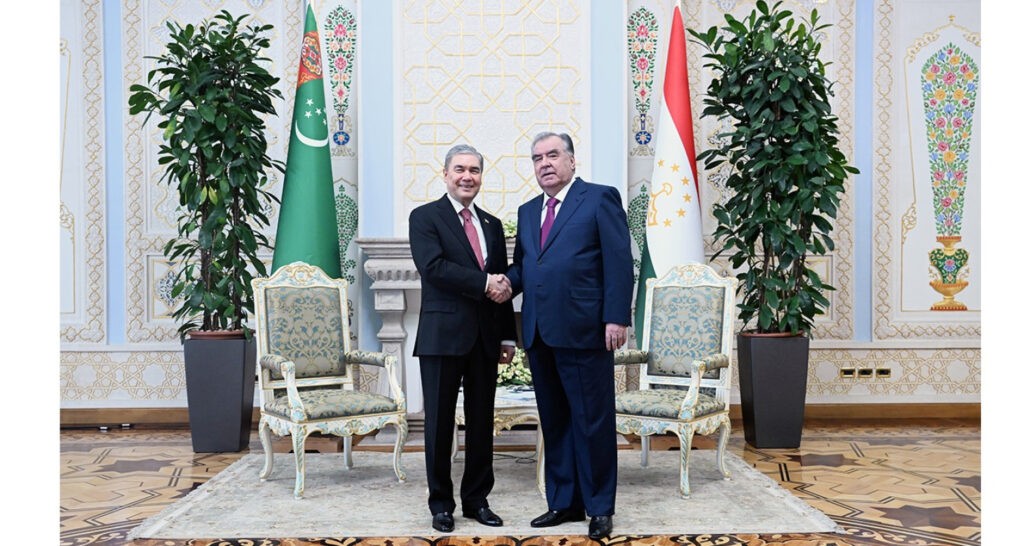
Energy-rich Turkmenistan is now ready to increase its supply of oil products, as well as electricity and natural gas to Tajikistan through the territory of Uzbekistan. The announcement was made by Gurbanguly Berdimuhamedov, chairman of Turkmenistan’s People’s Council, during negotiations with Tajikistan President Emomali Rahmon in Dushanbe on April 4th. With an emphasis on the need to increase bilateral trade, the meeting focused on the expansion of Tajik-Turkmen cooperation in oil and gas, chemistry, industry, and agriculture. Berdimuhamedov identified transport as a priority vector in the two countries’ partnership stating, “Today there is every opportunity to intensify cooperation to create a transport route from Tajikistan to Turkmenistan’s Caspian coast, with further access to Iran and on to the Persian Gulf and Turkey. This is the shortest route from China to Europe and the Middle East.” The two leaders also addressed environmental issues and in particular, strengthening the International Fund for Saving the Aral Sea (IFAS); a key structure aimed at ensuring cooperation in improving the environmental and socio-economic situation in the Aral Sea region.

In Fear of Sanctions, Kyrgyz Banks Shun Russian Cards

Kyrgyzstan's Interbank Processing Center (IPC) reports that on April 5 it will stop servicing the Russian payment system 'MIR'. The decision was made "to minimize the risk of secondary sanctions." Interbank is a Kyrgyz company that services the national payment system, called ElCard. In 2019 Interbank entered into a partnership with MIR, so that citizens of both countries could pay with their domestic bank cards while in either Russia or Kyrgyzstan. On February 23 the U.S. Department of the Treasury's Office of Foreign Assets Control (OFAC), which is responsible for controlling foreign assets that involve U.S. dollars and/or the U.S. banking system, imposed sanctions on Russia's MIR. Earlier, the National Bank of the Kyrgyz Republic told The Times of Central Asia that it doesn't interfere in the activities of commercial banks in Kyrgyzstan, but only monitors compliance with the country's legislation on combating the financing of terrorist activities and laundering of criminal proceeds. Therefore, Kyrgyz banks can independently decide whether or not to work with the Russian payment system. Kyrgyz banks that have accounts with western financial organizations ceased working with the MIR system in 2022, after Russia's full-scale invasion of Ukraine. After ElCard severed its ties with the Russians, all financial organizations in Kyrgyzstan also stopped accepting MIR cards. This decision has hit Kyrgyz citizens in Russia as well, because Russian ATMs and POS terminals have stopped accepting their ElCards. But, as the Kyrgyz National Bank has explained, this decision will not affect international transfers. "It should be noted that the possibility of money transfers from the Kyrgyz Republic to the Russian Federation and vice versa with the use of mobile applications of commercial banks in the presence of direct contractual relations between Kyrgyz and Russian commercial banks, as well as through money transfer systems without opening an account, will remain," Kyrgyzstan's financial regulator writes on its website. Banks in several other Central Asian countries have refused to cooperate with MIR, also for fear of falling under U.S. sanctions. Since February 27 banks in Kazakhstan have stopped servicing MIR cards. At the same time, the Central Bank of Kazakhstan emphasizes that each Kazakh bank makes this decision independently. "Our position is as follows: we as a first-tier bank do not interfere in the operating system of second-tier banks... It is their commercial interests, economic expediency. They calculate their own risks and benefits by having compliance services," said the Central Bank's bank's press service at the time. Besides Kyrgyzstan and Kazakhstan, Armenia has refused to cooperate with the MIR system for the same reasons. And now Tajikistan -- and even Moscow's closest ally, Belarus -- are distancing themselves from it. The national payment systems of these countries -- Belarus's Belkart and Tajikistan's Korti Milli -- had agreements with the Russians that are similar to MIR's arrangement with the Kyrgyz. Currently Uzbek banks do not accept the MIR payment system either, as the UZCARD processing center has suspended work with the Russian system. In response, the Russian Central Bank has commented...

Marginalized But Indispensable – What the Crocus City Hall Attack Means for Central Asian Migrants

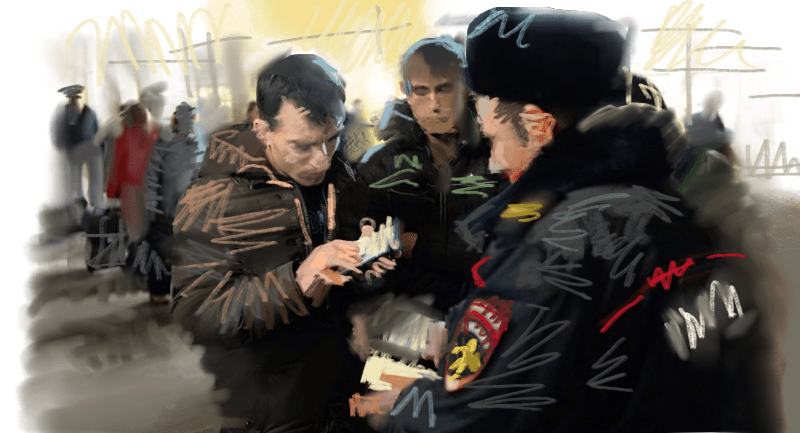
As previously reported by TCA, in the wake of the terrorist attack on the Crocus City Hall on the outskirts of Moscow which left 144 dead and 551 injured, Central Asian migrants in Russia have been living in a climate of fear. “There is panic, many people want to leave [Russia],” Shakhnoza Nodiri from the Ministry of Labor of Tajikistan said of the outflow of labor migrants. “We are now monitoring the situation; we have more people coming [to Tajikistan] than leaving.” One of the most remittance-based economies in the world, in 2023 official figures released by the Ministry of Labor, Migration and Employment of Tajikistan - often underestimated - stated that 652,014 people left the country to work abroad, largely to Russia. According to the World Bank, in 2022 remittances made by migrants accounted for 51% of the country’s GDP. As anticipated, despite the U.S specifically warning the Russian authorities that the Crocus City Hall was a potential target, whilst seeking to lay the blame for the attack on Ukraine, the Russian Government is intensifying its control over migrants. On April 1, a Ministry of Internal Affairs' spokesperson announced that the regulations will include mandatory fingerprinting and photographing of all foreigners upon entry into Russia, a reduction in the legal duration of stay from 180 days to 90 days, and the registration of migrants and their employers. In addition, whereas in the past a migrant could only be deported following a court's decision, this will no longer be the case. Against this backdrop, on April 3, the Davis Center at Harvard University hosted a seminar entitled, “The Crocus City Hall Terror Attack and Its Repercussions for Central Asians and Central Asia.” Opening the discussion, Yan Matusevich, a Ph.D. Candidate in Cultural Anthropology at the Graduate Center of the City University of New York, highlighted the fact that the “migration system has been in place for a very long time [and] the Central Asian migrant community in Russia has lived through crisis after crisis. But there are not a lot of alternatives out there,” he started, “so it's really hard to disentangle oneself from that. It’s been difficult for migrants for a long time, but they also know how to navigate the system, as violent and oppressive as it is. “Migrants are also under a lot of pressure to join the war effort, because a lot of Russians have left fleeing mobilization. Migrants are very resilient, though, and paradoxically, because there is such a major labor deficit in Russia, there are a lot of employment opportunities. Bringing in brigades of migrants in uniforms who are completely segregated and work in slave-like conditions would be the Russian ideal, but the problem is the reality doesn't match up given the dependence on migratory labor.” Malika Bahovadinova, a Post-Doctoral Fellow at the University of Amsterdam, addressed the “ambiguity” migrants face over whether their “status is legal or illegal.” Criminalization of migration laws has been a trend since 2013, she argued, with increased tracking...

Russian-Tajik Singer Upsets Some in Russia with Comments After Moscow Attack

A Tajikistan-born singer who performed for Russia at the 2021 Eurovision Song Contest is under scrutiny in Russia for comments about the brutal treatment of several suspects after the mass killing at a Moscow music venue on March 22. Manizha Sangin has condemned the attack that killed 144 people and said the perpetrators should face the “harshest punishment” allowed under the law. But her statement that some suspects suffered “public torture” after they were detained could be subject to an official inquiry, according to reports. Videos released on social media after the arrest of several suspects from Tajikistan appeared to show that they had been severely beaten. The Islamic State group claimed responsibility for the attack at the Crocus City Hall in which gunmen fired indiscriminately at civilians in the auditorium and other areas of the complex. In an initial video, a tearful Sangin said she was glad that her grandmother, who died more than a decade ago, was not alive to witness distressing events in recent years. She also said the “atrocities” in Moscow last month had been met with “public torture.” One response on Sangin’s Instagram feed was caustic: “What did grandma say about not killing innocent people? Or is it only Russians who need to learn patience, and only they are expected to forgive? What would grandma say if innocent people were shot at a concert in Dushanbe?” Facing such criticism, Sangin followed up with another video and a statement in which she clarified that she did not seek to justify the actions of the killers. “It is important not to imitate an inhuman value system, this is what separates us from terrorists,” said Sangin, while urging people not to foment “differences” with Tajiks and other people from Central Asia. Many migrants seek work in Russia despite harsh conditions and discrimination, and there have been scattered reports of increased harassment of Central Asians in Russia since the Moscow attack. Sangin, 32, sang “Russian Woman” at the Eurovision contest and her performance seemed aimed at symbolizing inter-ethnic harmony in Russia. But she was denounced online and promoters canceled many of her concerts after she criticized Russia’s invasion of Ukraine in 2022. The singer, who has campaigned against domestic violence and has supported charities, said any furor over her recent remarks about the Moscow attack is misplaced. “In no way do I want my words to become a cause of discord in our society,” she said. “My condolences once again to all those affected by this monstrous tragedy. You don't deserve to go through the inflated scandals in the media.”

New Somon Air Flights from Dushanbe to Astana

On 2 April, Somon Air launched direct flights between the capitals of Kazakhstan and Tajikistan. Direct flights between Astana and Dushanbe will now operate twice a week on Tuesdays and Fridays. Praising the initiative, Kazakhstan’s Ministry of Transport stated that the Astana-Dushanbe air route will have a significant impact on furthering the development of trade, business, investment and tourism between Kazakhstan and Tajikistan. Somon Air currently operates regular flights between Tajikistan and Germany, the United Arab Emirates, Turkey, China, India, Saudi Arabia, Iran, Russia, Kazakhstan, and Uzbekistan. The airline’s fleet consists of Boeing 737-800 and Boeing 737-900 aircraft.

Islamic State Attack in Turkey Foiled; Tajik, Kyrgyz Citizens Arrested

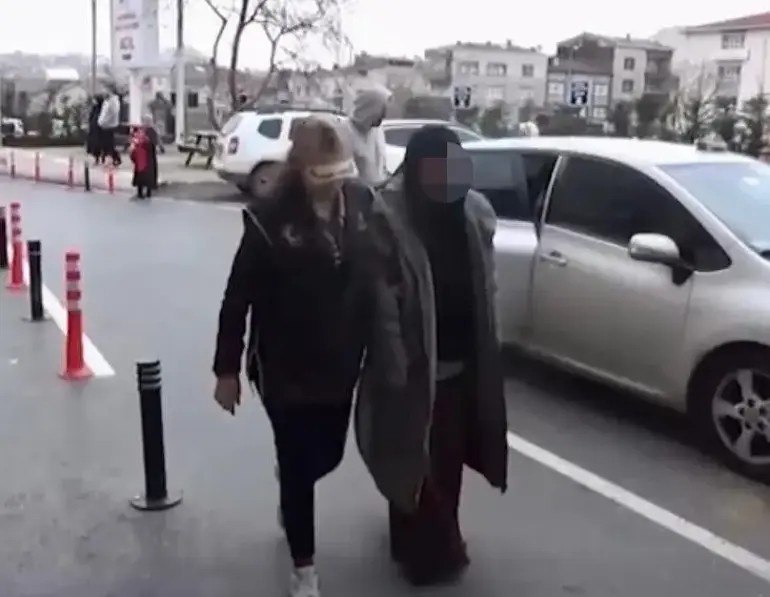
Turkish law enforcement agencies have arrested two individuals, a Tajik citizen named as Faziljon A. and a Kyrgyz national identified as Zulfiya S., on suspicion of planning a terrorist attack in Turkey on behalf of Islamic State (IS). Their arrest was reported by the Turkish newspaper Hurriyet. The man and woman were caught during a raid on a house in Istanbul where IS members were hiding. The search of the property uncovered police uniforms and vests, emergency vehicle lights, police hats, car radios, knives and gun holsters - as well as some clothes that the suspects may have planned to wear for their escape. According to Hurriyet, officials determined that the Central Asian nationals planned to carry out the attack within Turkey. Faziljon A., from Tajikistan with the code name Abu Ismail, was named as the organizer of the attack. Istanbul's Anti-Terrorism Department is investigating whether the arrested suspects have connections with any other people in Turkey. Both were interrogated before being taken to court. Faziljon A., a known member of Islamic State in Tajikistan, has been detained by the court; his associate, Zulfiya S., originally from Kyrgyzstan, was deported. Between March 27 and March 31, Turkish forces detained 51 IS suspects.