• KGS/USD = 0.01144 0%
  • KZT/USD = 0.00202 0%
  • TJS/USD = 0.10399 -0.29%
  • UZS/USD = 0.00008 0%
  • TMT/USD = 0.28490 0%
  • KGS/USD = 0.01144 0%
  • KZT/USD = 0.00202 0%
  • TJS/USD = 0.10399 -0.29%
  • UZS/USD = 0.00008 0%
  • TMT/USD = 0.28490 0%
  • KGS/USD = 0.01144 0%
  • KZT/USD = 0.00202 0%
  • TJS/USD = 0.10399 -0.29%
  • UZS/USD = 0.00008 0%
  • TMT/USD = 0.28490 0%
  • KGS/USD = 0.01144 0%
  • KZT/USD = 0.00202 0%
  • TJS/USD = 0.10399 -0.29%
  • UZS/USD = 0.00008 0%
  • TMT/USD = 0.28490 0%
  • KGS/USD = 0.01144 0%
  • KZT/USD = 0.00202 0%
  • TJS/USD = 0.10399 -0.29%
  • UZS/USD = 0.00008 0%
  • TMT/USD = 0.28490 0%
  • KGS/USD = 0.01144 0%
  • KZT/USD = 0.00202 0%
  • TJS/USD = 0.10399 -0.29%
  • UZS/USD = 0.00008 0%
  • TMT/USD = 0.28490 0%
  • KGS/USD = 0.01144 0%
  • KZT/USD = 0.00202 0%
  • TJS/USD = 0.10399 -0.29%
  • UZS/USD = 0.00008 0%
  • TMT/USD = 0.28490 0%
  • KGS/USD = 0.01144 0%
  • KZT/USD = 0.00202 0%
  • TJS/USD = 0.10399 -0.29%
  • UZS/USD = 0.00008 0%
  • TMT/USD = 0.28490 0%

Viewing results 949 - 954 of 1408

Kyrgyzstan, Tajikistan Agree on More Disputed Border Areas

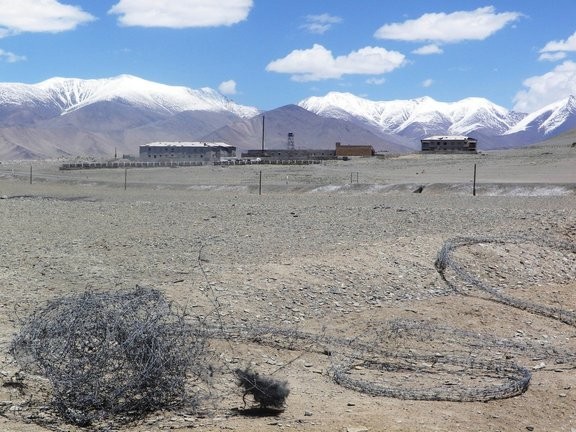
As reported by RFE/RL, officials from Kyrgyzstan and Tajikistan say the two countries agreed on another 24 kilometers of the border between the two former Soviet republics after special talks on the issue were held over the past week, RFE/RL's Kyrgyz Service reported. Tajikistan's State Committee for National Security said on December 5th that the talks were held in the northern town of Buston, near the Kyrgyz border. According to the Kyrgyz government, the next round of talks regarding other parts of the border will be held on Kyrgyzstan's territory on a day that is yet to be determined. In a sign of thawing relations, back on November 9th 2023, the Cabinet of Ministers of the Kyrgyz Republic announced that a further 17.98 kilometres of its border with Tajikistan had been agreed upon, with another meeting of the of topographic working groups due to be held in Batken from November 11th to17th. A long-standing source of conflict between the two nations, it is emblematic of the problem that even the length of the border - sometimes cited as being 975-kilomtres long, and at others times 972-kilomteres - is rarely agreed upon. As of January 2023, Tajikistan’s President Rahmon stated that 614-kilometres have been agreed upon, backtracking on a previously stated figure of 664. The delimitation and demarcation of the Kyrgyz-Tajik border has been an issue for decades, but turned into an extremely urgent problem in recent years after several deadly clashes took place along disputed segments of the frontier. With its scant natural resources and dwindling water supplies, the border has been the scene of numerous skirmishes for many years. In 2014, all borders between Kyrgyzstan and Tajikistan were closed indefinitely to Kyrgyz and Tajik citizens following clashes over a bypass road in disputed territory; mortars were fired and both armies suffered casualties. In the spring of 2021, trouble flared up again when an armed conflict along one segment of the border left 36 Kyrgyz nationals, including two children, dead, and 154 injured on the Kyrgyz side. The Tajik authorities officially said that 19 Tajik citizens were killed and 87 were injured during the clashes. Many border areas in Central Asian former Soviet republics have been disputed since the collapse of the Soviet Union in 1991. The situation is particularly complicated around the numerous exclaves in the volatile Ferghana Valley, where the borders of Tajikistan, Uzbekistan, and Kyrgyzstan meet.
Reserve Fund of the President of Tajikistan set to Exceed US$50 Million

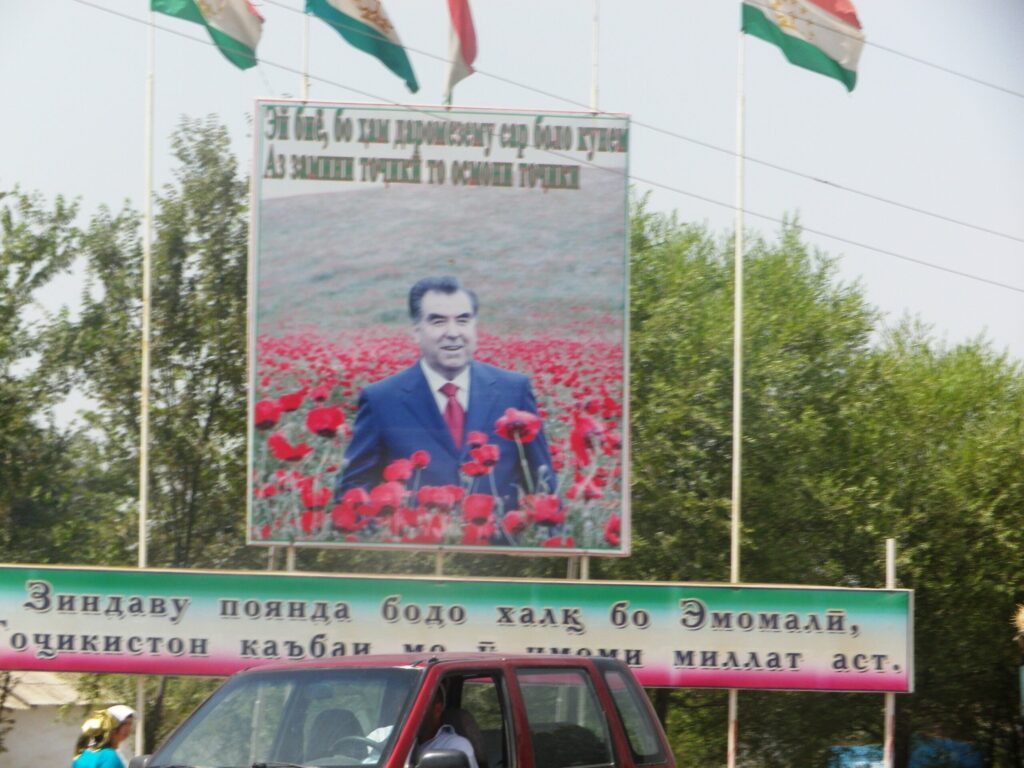
The amount held in the reserve fund of the President of Tajikistan, which is spent at the discretion of the head of the country, will increase by 68-million somoni (US$6.25-million) next year, bringing the total set to be held by 2024 to over 563-million somoni (US$51.73-million). This figure was revealed in the law on the state budget of Tajikistan for the next year, which will come into force on January 1st. The volume of the fund has increased year on year from 404-million somoni in 2021 and 438.5-million somoni in 2022. The volume of the fund is used as an indicator on accounts, and will be used in the calculation of taxes and fines in Tajikistan. The funds are used at the discretion of President Emomali Rahmon for charity, social work, and emergency situations. In particular, in recent years, republican Olympiads in the field of education and culture have been held using the reserve funds. In 2020, additional allowances were paid from the fund to doctors who worked under the conditions of the coronavirus pandemic. At the same time, prizes were paid from the President's fund to athletes who won medals in international competitions. The allocation of scholarships for the education of Tajik citizens in higher educational institutions abroad is estimated from other sections of the fund's expenses.

CAREC Countries Endorse New Vision to Fight Climate Change Together

Member countries of the Central Asia Regional Economic Cooperation (CAREC) program committed to working together to cut greenhouse gas emissions and build resilience to climate change. “We endorse the Regional Action on Climate Change: A Vision for CAREC to help countries implement their commitments under the Paris Agreement”, said a joint ministerial statement issued at the 22nd CAREC Ministerial Conference held on November 30th in Tbilisi. The statement was endorsed by ministers and high-level officials from Azerbaijan, the People’s Republic of China, Georgia, Kazakhstan, the Kyrgyz Republic, Mongolia, Pakistan, Tajikistan, Turkmenistan, and Uzbekistan. “I am confident this shared Vision will enhance the CAREC program’s impact on this most critical climate challenge facing the subregion”, said Asian Development Bank (ADB) President, Masatsugu Asakawa. “I look forward to concrete progress on bringing forward more climate projects - including in renewable energy, sustainable agriculture, efficient water use, economic diversification, and strengthening supply chains - to improve the region’s climate resilience and adaptation”. The Vision emphasizes the importance of energy transition and the improved use of renewable energy sources, strengthening the regional electricity trade, deploying innovative financing solutions, and investing in climate-resilient infrastructure and policies. It calls for strengthened collaboration and coordination with the program’s development partners in supporting the region’s climate agenda. A scoping study published earlier this year showed climate change is expected to have severe impacts in the CAREC region, including higher-than-average temperature rises, water scarcity, expanded desertification, and glacial melting. To address water issues in the region, CAREC will support countries to improve their expertise and capacities in transboundary water management, water productivity, and to invest in more efficient irrigation systems to boost agricultural productivity. CAREC will also support efforts to decarbonize transport and continue deepening regional connectivity with efficient transport technologies and infrastructure. Other priority areas include developing climate-smart cities with electrified mass transit systems and promoting climate and disaster resilience through regional risk management and financing initiatives. The CAREC program is a partnership of countries and development partners working together to promote sustainable development, accelerate economic growth, and reduce poverty. The ADB hosts the CAREC secretariat.

Russia and Tajikistan will Strengthen Fight Against Terrorism, Extremism, Illegal Migration

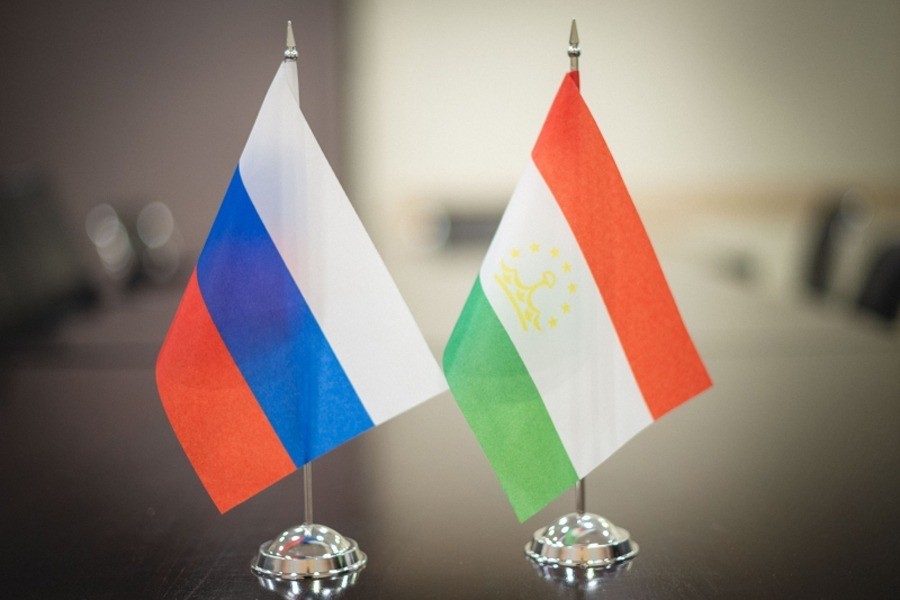
In a document published on the website of the Russian Foreign Ministry, which was prepared by the Russian Federation, it was stated that Russia, Tajikistan, Belarus, Kazakhstan and Kyrgyzstan will strengthen the fight against terrorism in the OSCE space. CIS countries, meanwhile, advocated “promoting a positive agenda, and openness to discussing the most difficult issues and challenges”. “We consider it important to comply with the rules of procedure and other decisions of the OSCE decision-making bodies, as well as to follow the principles of impartiality, transparency and accountability”, the statement said. In addition, the countries advocated a “commitment to a de-ideologized, pragmatic dialogue to resolve common security problems”. In particular, the authorities of these countries stated they would take measures to combat the proliferation of weapons of mass destruction, the document notes. Russian Foreign Minister, Sergei Lavrov recently participated in a plenary meeting of the OSCE Ministerial Council in Skopje, and held a number of bilateral contacts and a trilateral meeting with the current and future chairmen of the organization.

Son of Former Minister Faces 7-day Administrative Arrest Following Dushanbe Restaurant Altercation

A clash at the Bukhoro-Palace Restaurant in Dushanbe led to the detention of four individuals, including Alisher Gulov, the 25-year-old son of former Minister of Energy and Industry Sherali Gul, and Sherdil Sirojev, son of a prominent Tajik businessman linked to the Jal-Jam bazaar's demolition in 2019. The Dushanbe Police Directorate's official website disclosed this incident on December 1, noting the involvement of Alisher Gulov and Sirojev in a major altercation that occurred on the night of November 30. The detained individuals, comprising Alisher Gulov, Rahmon Mahmadbekov (26), Jasour Khojayev (26), and Suhrob Sharipov (27), all residents of Dushanbe, were confirmed to be in a state of inebriation following a medical examination, as per the official statement. In adherence to Article 460 of the Administrative Code, classifying disorderly conduct, authorities filed an administrative offense report against them, subsequently transferring the case to a Dushanbe court located in the Ismoili Somoni district. Each individual received a reported sentence of seven days of administrative arrest. Reports from Radio Liberty's Tajik Service, known locally as Radio Ozodi, shed light on the confrontation between Alisher Gulov, an Interior Ministry officer, and Sherdil Sirojev. This altercation resulted in injuries sustained by two associates of Gulov, along with Sirojev and his friend Mirsaid, who were subsequently admitted to a hospital for treatment.

By 2035, the Capacity of Hydroelectric Power Plants in Central Asia Will Increase by 8,900MW

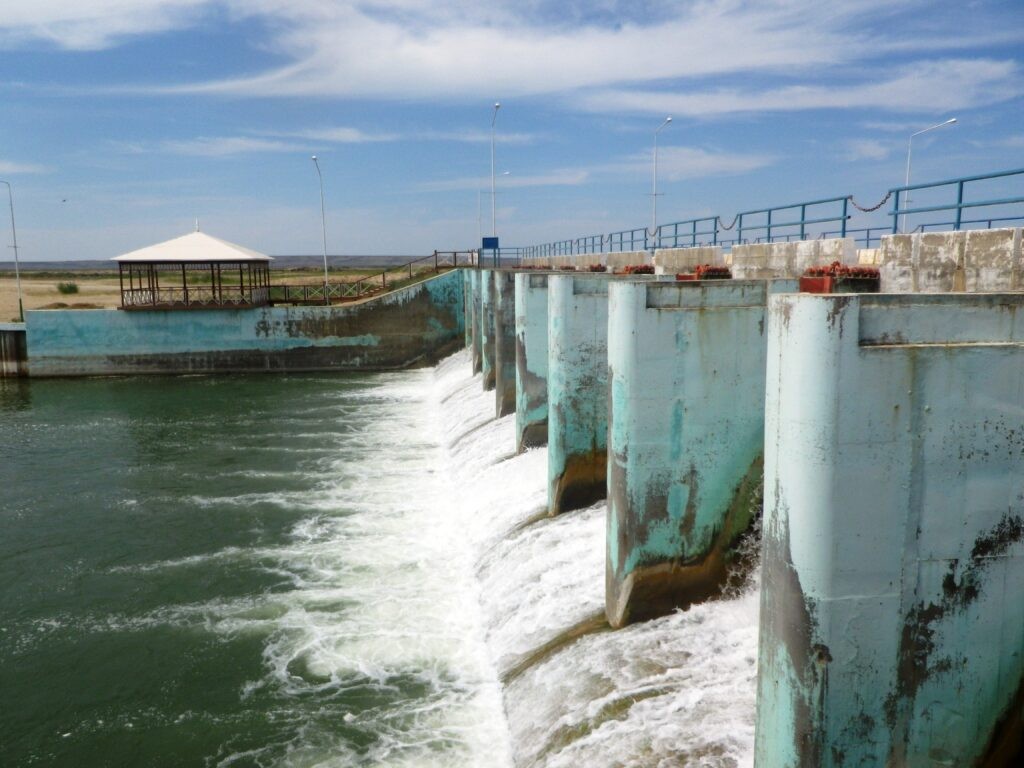
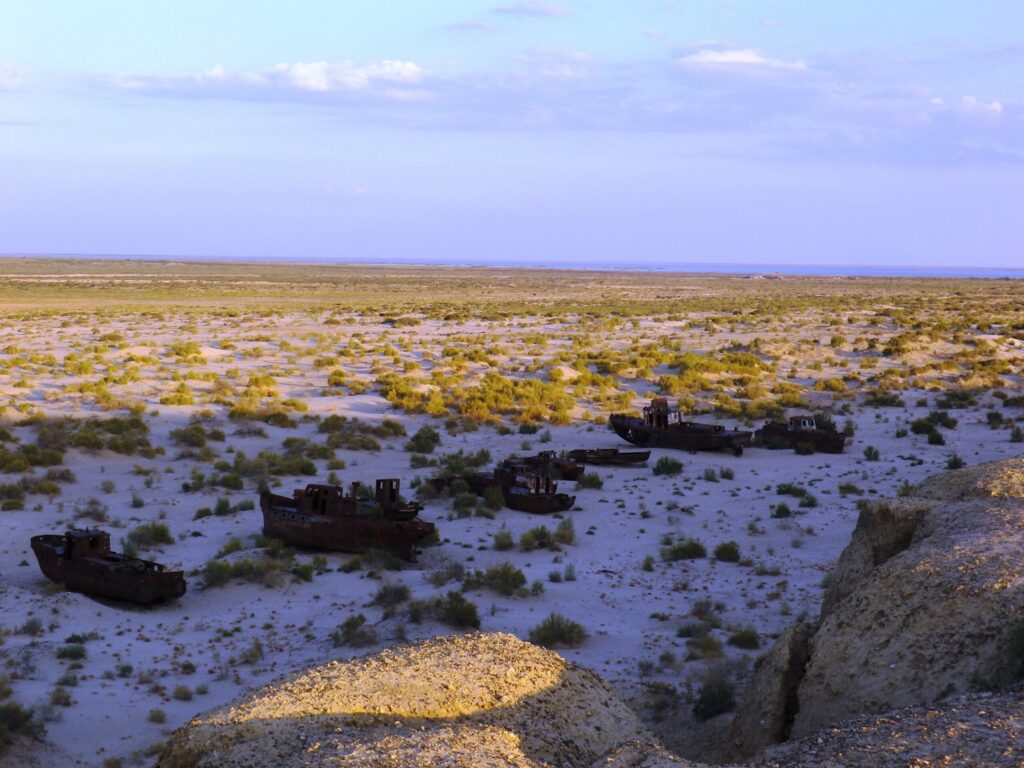
By 2028-2029, Central Asia will face a permanent and persistent water scarcity, with a deficit estimated to be between 5-12 cubic kilometers annually. At the same time, the demand for electricity in Central Asia is expected to increase significantly over the next ten years, Nikolai Podguzov, Chairman of the Eurasian Development Bank (EDB) Management Board said this week at the World Hydropower Congress in Bali. "In the Central Asian region, hydropower plays a key role not only in generating electricity, but also in regulating river runoff for irrigation purposes,” Podguzov stated. “In this regard, the countries of the region are interested in the multipurpose use of their water resources, and wish to attract investment to develop water resources potential". According to Podguzov, the construction of new hydroelectric power plants with reservoirs and the modernization of already functioning HPPs will both serve to reduce the impact of climate change and ensure the steady economic and social development of the region, which is highly reliant on affordable, environmentally-friendly energy and a sustainable irrigation supply. "According to our estimates, Central Asia is one of the few regions in the world where the hydropower potential has been developed by less than 25%”, Podguzov said. “Currently, there are more than 80 hydroelectric power plants operating in the region, with a total installed capacity of about 14,000 MW. In the period up to 2035, it is planned to increase the capacity of local hydroelectric power plants by 8,900 MW through the modernization of already functioning HPPs and the construction of new ones. The largest new projects being implemented include the construction of the 1,860 MW Kambarata HPP-1 in the Kyrgyz Republic, and the 3,600 MW Rogun HPP in Tajikistan”.