• KGS/USD = 0.01144 0%
  • KZT/USD = 0.00208 0%
  • TJS/USD = 0.10516 0.77%
  • UZS/USD = 0.00008 0%
  • TMT/USD = 0.28571 0%
  • KGS/USD = 0.01144 0%
  • KZT/USD = 0.00208 0%
  • TJS/USD = 0.10516 0.77%
  • UZS/USD = 0.00008 0%
  • TMT/USD = 0.28571 0%
  • KGS/USD = 0.01144 0%
  • KZT/USD = 0.00208 0%
  • TJS/USD = 0.10516 0.77%
  • UZS/USD = 0.00008 0%
  • TMT/USD = 0.28571 0%
  • KGS/USD = 0.01144 0%
  • KZT/USD = 0.00208 0%
  • TJS/USD = 0.10516 0.77%
  • UZS/USD = 0.00008 0%
  • TMT/USD = 0.28571 0%
  • KGS/USD = 0.01144 0%
  • KZT/USD = 0.00208 0%
  • TJS/USD = 0.10516 0.77%
  • UZS/USD = 0.00008 0%
  • TMT/USD = 0.28571 0%
  • KGS/USD = 0.01144 0%
  • KZT/USD = 0.00208 0%
  • TJS/USD = 0.10516 0.77%
  • UZS/USD = 0.00008 0%
  • TMT/USD = 0.28571 0%
  • KGS/USD = 0.01144 0%
  • KZT/USD = 0.00208 0%
  • TJS/USD = 0.10516 0.77%
  • UZS/USD = 0.00008 0%
  • TMT/USD = 0.28571 0%
  • KGS/USD = 0.01144 0%
  • KZT/USD = 0.00208 0%
  • TJS/USD = 0.10516 0.77%
  • UZS/USD = 0.00008 0%
  • TMT/USD = 0.28571 0%

Viewing results 355 - 360 of 677

Men in Black Blamed for Series of Murders in Northern Tajikistan

People in the Konibodom area of northern Tajikistan are locking themselves in their homes when darkness falls. Some are arming themselves. Others have left altogether out of fear. There appears to be a serial killer or killers on the loose. At least 13 people have been murdered in their homes in or near Konibodom since late March, and local police seem baffled as to who is doing this or why. It started with the killing of five members of the Sharipov family in late March. Initially investigators believed the 65-year-old head of the house had killed his wife, daughter-in-law, and two grandchildren, then hanged himself, but they later determined someone broke into the home and the killer hanged the man to make it look like a domestic dispute and suicide. On the night of April 16-17, someone broke into a home in the Gafurjon Ortikov neighborhood of Konibodom and killed the husband and wife who lived there. Police said the bodies of the victims, whom police did not identify, bore the signs of a violent death. The most recent killings happened on the night of May 28-29 in the village of Sanjidzor, outside Konibodom. Mahbuba Ahmedova and her two children were killed in their home and that same night, at a different house, the deputy director of a local school, Zulho Ibragimova, her brother and brother’s wife were killed. Local law enforcement said preliminary evidence showed all six people were strangled. Locals speak about men in black who break into people’s homes at night and kill them. A video was posted, purportedly from a surveillance camera in Konibodom, that shows a person with black clothing and a black hood or mask trying to break into a home. Konibodom resident Mahsuda Kodirova said she and her daughter were sitting in the courtyard of their home a little after 10 in the evening on June 11, when a man in black clothing with a black mask suddenly appeared and approached them. Kadirova said she and her daughter screamed and ran out into the street. When the police arrived, they told Kadirova they had received many similar calls from terrified residents during the previous 48 hours. Understandably, there is panic in Konibodom. Many of the men, especially the young men of Konibodom, are currently migrant laborers in Russia who are supporting their elderly parents, wives, and children back home. The bodies of Mahbuba Ahmendova and her two children were found by neighbors after Ahmedova’s husband had been calling her from Russia and finally called a neighbor to go and check on his family. Konibodom is near the border with Kyrgyzstan and the population of the city is mixed, mostly Tajiks, but many Kyrgyz as well. Most of the victims have been ethnic Tajiks, but Ibragimova, her brother, and her brother’s wife were Kyrgyz. The seeming randomness of the victims puts everyone on edge, at least everyone still there. The Tajik news outlet Asia-Plus sent its reporters to Sanjidzor after the killings in late...

Eurasian Connectivity Comes One Step Closer at the 2024 CAMCA Forum in Bishkek

The wider Eurasia region took another step towards cooperation and connectivity last week, as the 10th annual CAMCA Regional Forum was held in Bishkek. CAMCA – standing for Central Asia, Mongolia, the Caucasus and Afghanistan – is an initiative to accelerate dialogue between governments, private enterprises and media figures from these ten nations. Organized by the Washington, D.C.-based Central Asia-Caucasus Institute and the Rumsfeld Foundation, this year’s Forum – the first such event to take place in Kyrgyzstan – featured over 300 delegates across its two days, and presented insights from over 70 speakers. Attendees came from 25 countries in total. Professor Frederick Starr, the Central Asia-Caucasus Institute’s chairman, used his opening address to call on the countries of the region to start preparing for a future within a cohesive international bloc. Dr Starr reasoned that Russia and China, imperial powers that have traditionally had a controlling presence in Central Asia, may see their global influence wane in the coming decade. This would give the countries of Central Asia, and their neighbors, more space to create projects that serve their economies directly. A leading CAMCA regional project is the ‘Middle Corridor’ trade route, which bypasses Russia to transport goods more efficiently between Europe and China. Discussions are also taking place concerning the creation of single business and tourist visas for the whole Central Asia region. The importance of collaboration between countries in the Caucasus and Central Asia to mitigate the impact of climate change has never been so great. Addresses by senior members of the Kyrgyz government highlighted the progress that Kyrgyzstan has made since the administration of president Sadyr Japarov began its work in 2021. The country’s deputy prime minister Edil Baisalov reported that Kyrgyzstan is on track to double its GDP to $30 billion by 2030, while the minister for digital development, Nuria Kutnaeva, spoke about the rapid digitalization of the country’s government services.  In a noticeably warm and collaborative atmosphere, the event nonetheless highlighted the barriers that prevent the ten countries from forming a tangible ‘CAMCA’ space in the present. A key goal is the harmonization of their legislation and policy directions; however, no delegates from Tajikistan could travel to Bishkek for the Forum, as otherwise solid relations between Tajikistan and Kyrgyzstan are still strained by a dispute over their common border. Likewise, Armenian voices were also absent this time, in light of several of the sessions featuring Azerbaijani speakers and talking points. The event featured only one guest from Turkmenistan.  Even in these conflicts, however, Central Asian diplomacy is at work. The conflict on the Kyrgyz-Tajik border, mainly in Tajikistan’s Vorukh district, is being resolved through negotiations between the two countries’ governments, which would have been unthinkable even five years ago. Meanwhile, Kazakhstan is acting as a mediator between Baku and Yerevan in the aftermath of the war in Nagorno-Karabakh. Other topics on the agenda included security priorities for Central Asia, digital innovation in business, cooperation with Afghanistan, transitions in global energy markets, and infrastructure projects...

Radicalism Attracts Disenfranchised Youth in Tajikistan

On June 11th, eight natives of Tajikistan were detained in the United States suspected of attempting to organize terrorist attacks and belonging to ISIS. Previously, citizens of Tajikistan were arrested in Russia, accused of participating in the attack on the Crocus City Hall near Moscow. In just the past few years, natives of Central Asian states have been involved in ten attempted terrorist attacks. Zamir Karazhanov, a Kazakhstani political scientist and director of the Kemel Arna Public Foundation, believes that the deteriorating economic situation in the country is behind such radicalization. As reported by TCA, eight citizens of Tajikistan taken into custody in Los Angeles, New York, and Philadelphia are suspected of having links to the terrorist group, ISIS. The detentions were made by U.S. Immigration and Customs Enforcement (ICE) in close coordination with the FBI's Joint Terrorism Task Force. Initially, it was stated that those arrested were Russian citizens of Tajik origin, but now their nationality has now been clarified. Citing sources from law enforcement agencies, media in the U.S. has reported that officially the migrants were held in connection with the violation of immigration laws. At the same time, they have not yet been charged with making preparations for a terrorist attack. According to sources, FBI agents have been following those detained for several months, and audio picked up by a bug allegedly has one of the suspects talking "about bombs.” Several days have now elapsed, but the U.S. authorities are still to release an official comment. The authorities in Tajikistan, meanwhile, are glossing over the incident. However, a Radio Ozodi source in New York said that the detentions of citizens from Central Asian countries began two months ago, since when 20 people have been detained, including 16 natives of Tajikistan, though “some of them were later released,” the source stated. According to the political scientist and Russia expert, Malek Dudakov, 50,000 Central Asians illegally entered the U.S. in 2023 alone: 17,000 from Uzbekistan, 7,000 from Kyrgyzstan, and 3,000 from Tajikistan. "Republicans blame Biden for artificially creating an explosive situation inside the United States, which could lead to a wave of terrorist attacks. And U.S. law enforcers fear that the U.S. may also expect an October 7th scenario in Israel with simultaneous attacks by Islamists in different cities,” he wrote on the Telegram. Following the terrorist attack on the Crocus City Hall, several countries, including Russia and Turkey, have tightened their migration policies toward people from Tajikistan. Kazakhstani political scientist, Zamir Karazhanov, told The Times of Central Asia that terrorist movements are influencing Tajik citizens because of the dire economic situation in the country. "During the 1990s and the civil war, a severe Islamicization of society began. Families were Islamiziced, and the economic factor, poverty, was superimposed on this. Similar processes were observed in all Central Asian countries, where religious young people began to come into contact with various radical extremist organizations. They are then processed and brainwashed into believing that everything they do is for the good...

Arrests of People from Tajikistan Who Crossed Border into U.S. Fuel Terrorism Worries

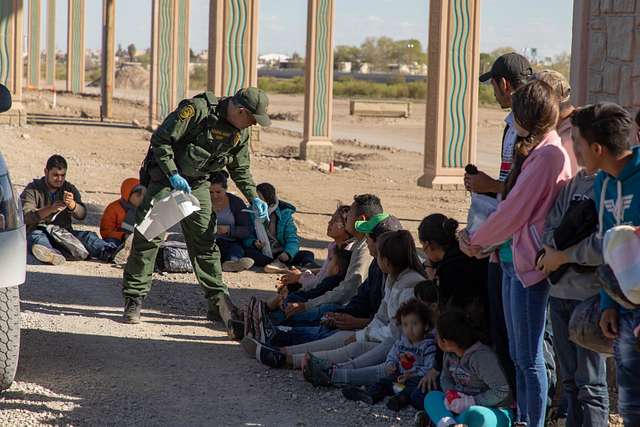
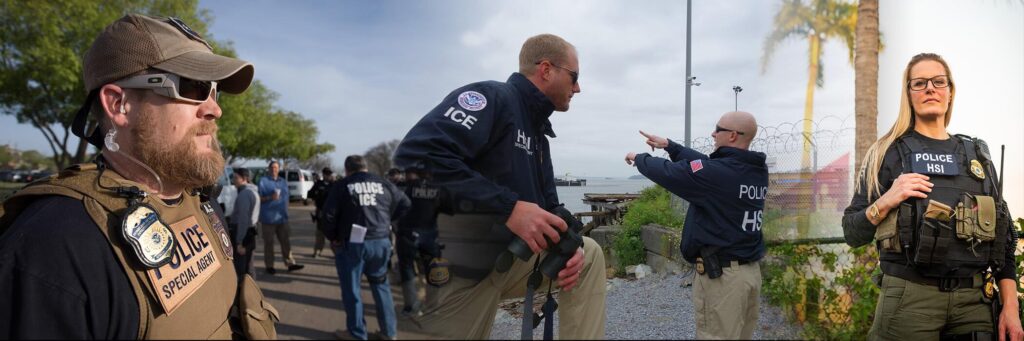
The reported arrests in the United States of eight people from Tajikistan with possible ties to a terror group has renewed concerns about extremism in the Central Asian country, which faced a backlash after the alleged involvement of some of its nationals in a terror attack in Russia in March. U.S. officials have provided little detail on the arrests of the men who had crossed into the United States from Mexico last year, though the development added to tension over the surge in illegal crossings at the southern border. Immigration and border security are a major campaign issue ahead of the U.S. presidential election in November. Patrick Lechleitner, the acting director of U.S. Immigration and Customs Enforcement, also known as ICE, was asked on Wednesday about reports that background checks on the Tajik men failed to turn up any cause for concern. In an interview with the NewsNation network, Lechleitner said another agency, the U.S. Customs and Border Protection, had first contact with the men as they crossed the border. “Sometimes there is just no information on individuals. I mean, it’s quite common…  There is nothing,” he said. “There´s no criminal convictions, there’s no threat information or whatever on these individuals, or maybe these individuals are from an area that is particularly of concern, but that pops up later.” ICE was collaborating with the FBI and “we went out and got” the suspects after becoming aware of concerns about them, Lechleitner said. American law enforcement previously warned of the growing threat of terrorism on U.S. soil after the killing of about 145 people in an attack on the Crocus City Hall, an entertainment venue on the outskirts of Moscow, on March 22. The Islamic State group said it carried out the attack, and several people from Tajikistan were among suspects arrested by Russian authorities. “Now increasingly concerning is the potential for a coordinated attack here in the homeland, akin to the ISIS-K attack we saw at the Russia concert hall a couple weeks ago,” FBI Director Christopher Wray told U.S. lawmakers on April 11. ISIS-K is an acronym used for an affiliate of the Islamic State branch that operates in Afghanistan and has sought recruits from Central Asia, particularly Tajikistan and Uzbekistan. The Crocus City Hall killings led to a backlash of suspicion against many Tajik migrants in Russia and difficult conditions for those trying to enter Russia in order to work, generating diplomatic tension between Moscow and Dushanbe and worries about the flow of remittances that are a vital part of Tajikistan’s economy. Tajikistan has not commented publicly on the arrests of the Tajik men in the United States. The Tajik government has previously said it is doing what it can to combat terrorism, downplaying questions about whether some of its internal restrictions, including on religious expression, might be contributing to radicalization. U.S. media reports, including from NBC News and ABC News, said the arrests occurred in New York, Philadelphia and Los Angeles this past weekend. The reports relied...

Women and Girls in Central Asia in Need of Protection from Violence

 Central Asian Countries are seeing a new wave of violence against women and girls, and the fight against their long-standing powerlessness is just beginning. In 2023, the Women, Peace and Security Index (WPS Index), published by the Georgetown Institute for Women, Peace and Security and the PRIO Centre on Gender, Peace and Security, found Kyrgyzstan and Uzbekistan the most dangerous countries in Central Asia for women. Things were deemed slightly better in Kazakhstan, Tajikistan, and Turkmenistan. The challenges faced by women in the region result from a combination of factors: the low number of women in government and law enforcement, women’s lack of financial independence, especially in rural areas, a distorted understanding of traditions across populations, and a mentality in society that often denies or covers up flagrant cases of injustice.   The law is written in blood: the case of Kazakhstan According to WPS experts, Kazakhstan has progressed further than its neighbors toward equality. Still, according to Kazakhstan’s Ministry of Internal Affairs, 69 women and seven children died in 2023 in domestic conflicts alone. It is believed that, on average, at least 80 women die every year at the hands of those they live with; every day, the police receive hundreds of calls, while thousands of women need the help of specialized protection and support centers. According to the Prosecutor General, last year 150 women sustained severe injuries and 200 moderate injuries in marital conflicts, with another 4,000 suffering minor bruises. This year, however, marked a turning point for Kazakhstani society – more and more women are recording videos with marks from beatings, posting the videos on social media, and calling on the police to punish their abusers. Even high-profile domestic abusers can now be exposed. The trigger for these changes was the trial of former Nazarbayev-era Minister of the National Economy, Kuandyk Bishimbayev, who beat his wife, Saltanat Nukenova, to death last November. Following a live-streamed trial, this May, Bishimbayev was sentenced to 24 years in prison for her murder. Even during the Bishimbayev trial, Karina Mamash, the wife of a Kazakh diplomat in the UAE, went public with allegations about systematic abuse, calling on the state to help. The Ministry of Foreign Affairs urgently recalled her husband, Embassy Counselor Saken Mamash, who may be fired. Karina is now at home with her children while a criminal case has been opened against her husband. She has since reported threats from her husband's relatives. Also in May, Akmaral Umbetkalieva, a resident of Atyrau, alleged that her ex-husband, Rinat Ibragimov – the akim (mayor) of Makat District in Atyrau Region – had beaten her for eleven years and taken away their children. Ibragimov called the allegations slander. The month before, former Taldykorgan police chief, Marat Kushtybaev was sentenced to eleven years for raping a girl in his office in November 2023. Another headline from April was that a security guard at an Almaty bar who had been convicted of raping a girl at knifepoint would serve eight years in prison. The...

Eight Men from Tajikistan, Suspected of Terror Links, Face Deportation from U.S.

Authorities in the U.S. have arrested eight people from Tajikistan who have possible ties to the Islamic State group, according to U.S. media reports. The men had entered the United States through the southern border with Mexico after background checks failed to turn up any security concerns and were detained this past weekend in New York, Philadelphia and Los Angeles, according to the reports on Tuesday. The reports cited officials who were familiar with the investigation and requested anonymity. Agents from the U.S. Immigration and Customs Enforcement, or ICE, arrested the men on immigration charges after being alerted by the FBI’s Joint Terrorism Task Forces of their possible links to the terror group, according to the sources. “At least two of the men crossed the border in the spring of 2023 and one of those men used the CBP One app, created by the Biden administration to allow migrants to book appointments to claim asylum, those officials say, NBC News reported. “The FBI’s Joint Terrorism Taskforce has been aware of a potential terror threat originating in Central Europe and began monitoring these men as part of that investigation, three sources say.” ABC News carried a similar report, saying U.S. authorities had “uncovered derogatory information indicating ties or affiliation” with the Islamic State. “Efforts are underway to deport the suspects as currently authorities have not developed enough evidence to bring any terrorism charges,” ABC said. Several men from Tajikistan were among suspects arrested for the killing of more than 140 people in an attack on the Crocus City Hall, an entertainment venue, on the outskirts of Moscow on March 22. The Islamic State group, which has recruited some people from Central Asia, claimed responsibility. The extremist group has disseminated propaganda in languages including Tajik and Uzbek. Earlier this year, ICE agents arrested an Uzbek man with alleged Islamic State ties after he had been living in the United States for over two years, U.S. officials said. The man, Jovokhir Attoev, was held after crossing the southern border in 2022, but later released. In May 2023, Uzbekistan put out a notice saying Attoev was wanted for his alleged links to the militant organization.