Sen. Daines: Central Asia Key to U.S. Strategic and Economic Future
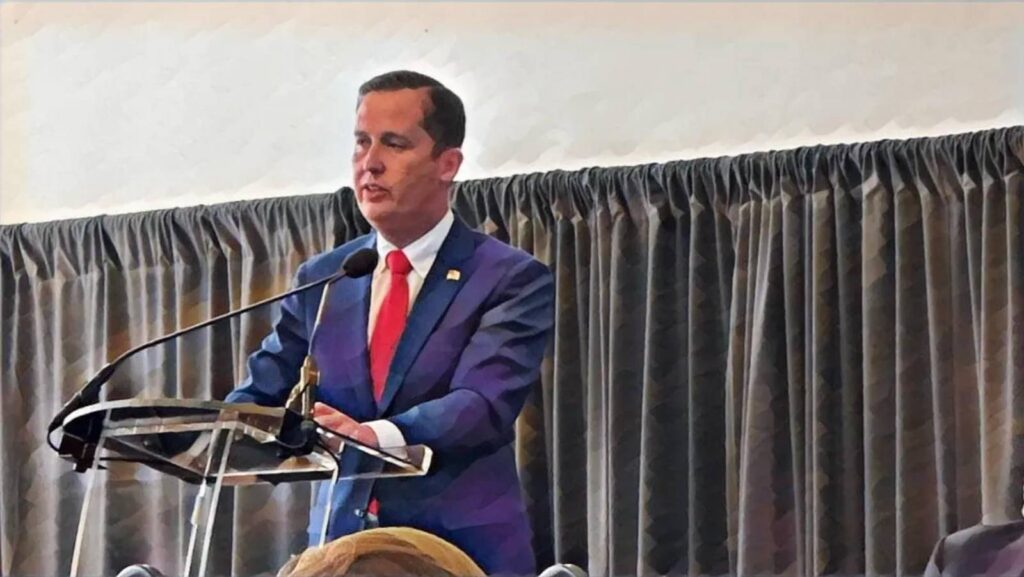
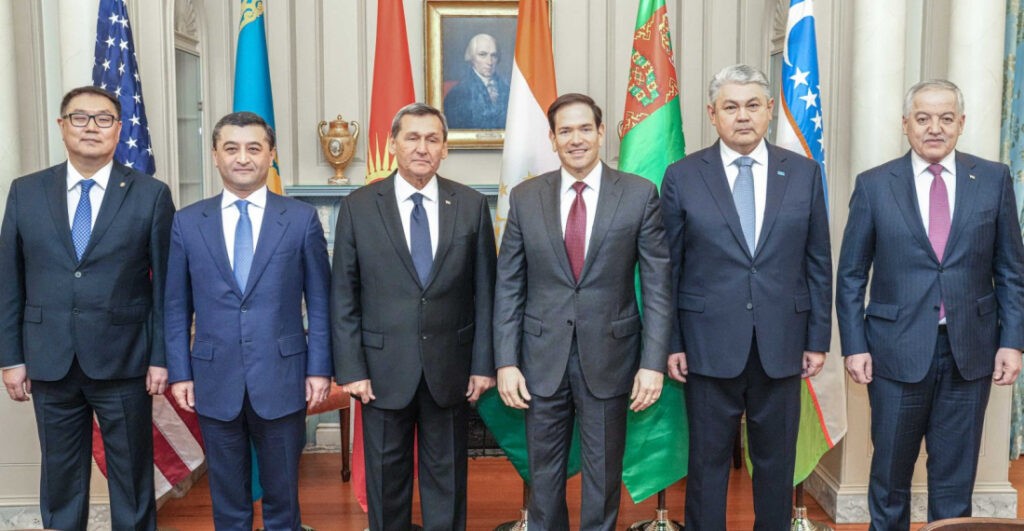
Washington, D.C., November 6, 2025 — At the 10th-anniversary forum of the C5+1 platform — which brings together the United States and the five Central Asian nations (Kazakhstan, Kyrgyzstan, Tajikistan, Turkmenistan, and Uzbekistan) — ministers from the C5 countries and leading business figures from the region and the United States gathered to mark a decade of cooperation. The event was co-hosted by the U.S. Department of State and the U.S. Department of Commerce, underscoring Washington’s growing focus on regional economic and strategic engagement. U.S. officials played key roles throughout the program. Senator Steve Daines chaired a high-level panel discussion alongside Sergio Gor, U.S. Special Envoy for South and Central Asian Affairs; S. Paul Kapur, Assistant Secretary of State for South and Central Asian Affairs; Howard Lutnick, Secretary of Commerce; Christopher Landau, Deputy Secretary of State; William Nitt, Under Secretary of Commerce; and Richard Grenell, Special Presidential Envoy. During the forum’s investment-focused “Deal Zone,” Daines underscored what he described as Central Asia’s growing role in U.S. foreign policy, energy security, and technology supply chains — calling the region “one of the world’s great opportunities for the future.” His remarks reflected both optimism and a sense of urgency about expanding ties. “There are few parts of the world that offer the opportunity that Central Asia does,” he said. “Closer ties between our nations can bring greater economic opportunity to millions of people and secure some of the West’s most vulnerable supply chains.” According to Daines, the United States has already made significant progress through initiatives such as the C5+1 platform, the appointment of a Special Envoy for Central Asia, and the Critical Minerals Dialogue, alongside expanded trade missions and commercial partnerships. Together, he said, these efforts “provide the necessary forums through which the United States and Central Asia can build the capacity and trust necessary for long-term cooperation.” The tenth anniversary also served as a platform for outlining the economic and strategic priorities that will define the next phase of U.S.–Central Asia engagement. Central Asia’s Resource Potential Daines highlighted what he described as the region’s abundant resources — saying the five Central Asian nations “represent over 31 billion barrels of oil reserves, 250 trillion cubic feet of gas reserves, and over 40 percent of global uranium production.” “As we look to a new day for Europe, one wherein the continent is not dependent on a bellicose adversary for energy supplies,” he said, “Central Asian nations can be the partners of the future — providing consistent flows of resources necessary for baseload power without the concern that those energy imports will be weaponized.” He added that, even years after Russia’s invasion of Ukraine, the U.S. continues to import uranium from Russia, which he called a practice with “profound national security implications.” Central Asia, by contrast, “could provide a more reliable source of the element necessary to the development of artificial intelligence, data-centers, and other energy-intensive industries.” Critical Minerals and the Tech Economy Daines also emphasized the region’s strategic role in the global technology...